Elephants and sunrise, in one long day. This Udawalawe safari day trip is built around real-time wildlife viewing from Mirissa or Weligama, with a smooth start and a focus on Udawalawe sightings and the sunrise pickup timing.
I like that the trip aims at more than just driving through a park: you get a guide with 10+ years of experience, plus a nature-first route that helps you spot animals while you’re still fresh and alert.
Second, I love the photo-friendly approach in the private 4×4 setup, especially with guides like Gimhana, who use keen eyes to position you for good views. One thing to keep in mind: national park entrance tickets aren’t included, and you’ll want to plan for that extra cost.
In This Review
- Key Things to Know Before You Go
- Udawalawe in One Big Day: Why This Safari Works from the South Coast
- Pickup in an Air-Conditioned Comfort Bubble
- Udawalawe Reservoir: The Quick Scenic Bonus on the Way
- Inside the Park: How the Private 4×4 Safari Really Feels
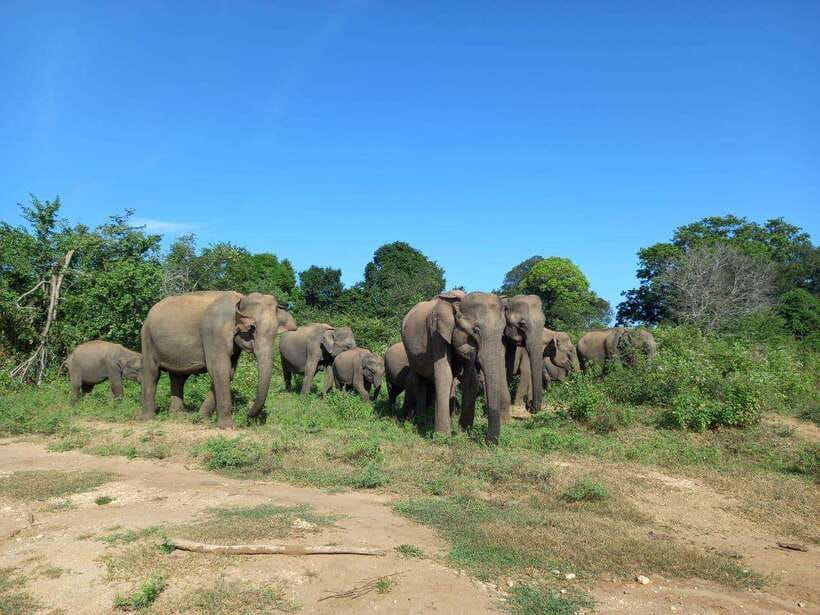
- What You’ll Likely See: Elephants First, Then the Extras
- The Photo Reality: Where Guides Add Value
- Birds, Wildlife, and the Birdwatcher’s Secret Advantage
- Comfort and Conduct: What to Bring and How to Act
- Price and Value: Is $84 a Good Deal for 8 Hours?
- Who This Tour Suits (and Who Should Skip It)
- One Practical Caution: The Transfer Leg Can Vary
- Should You Book This Udawalawe Safari Day Trip?
- FAQ
- How long is the Udawalawe safari day trip?
- Where do they pick up and drop you off?
- What vehicle do you use for the safari inside the park?
- Are national park entrance tickets included in the price?
- What animals can I expect to see?
- What should I bring, and what rules do I need to follow?
- Is this tour suitable for everyone?
Key Things to Know Before You Go
- Pickup and drop-off from Mirissa, Weligama, and nearby towns, using air-conditioned vehicles for the road legs
- A 10+ year experienced guide/naturalist guiding the safari and answering questions as you go
- Private 4×4 safari jeep in the park, which helps you avoid the crowded-feeling convoy vibe
- Udawalawe Reservoir viewing on the way, making the drive feel like part of the trip
- Strong elephant odds plus chances for other wildlife like water buffalo, deer, leopards, and lots of birds
Udawalawe in One Big Day: Why This Safari Works from the South Coast
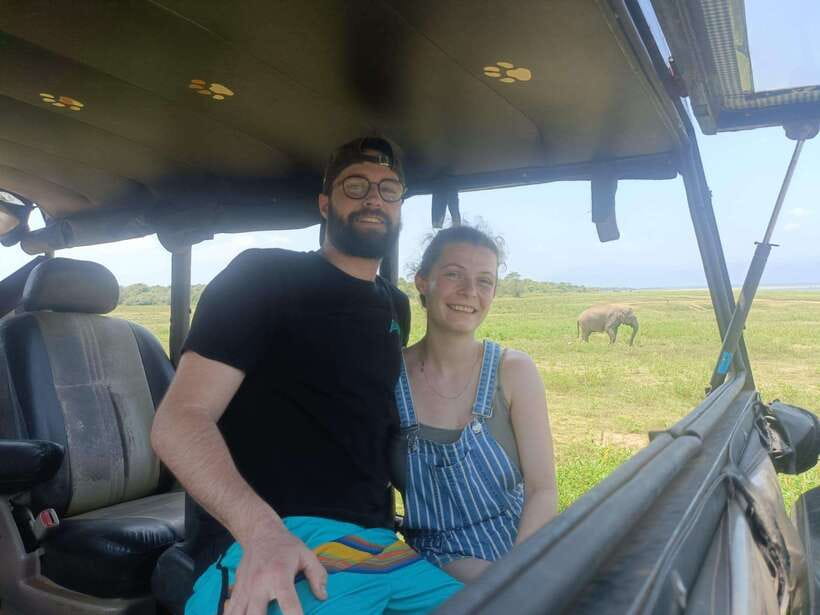
If you’re staying in Mirissa or Weligama, Udawalawe is one of the best “time-efficient” wildlife bets in Sri Lanka. You’re not just traveling north for the sake of it; the schedule is built around getting into the park at a good hour, then staying long enough to do more than a quick scan of the trees.
This is also a smart choice if you want a classic mix: elephants up close in a natural setting, plus other animals that share the same space. Udawalawe is known for large herds, and the park’s biodiversity means your eyes don’t get bored between elephant sightings. You’ll be in the right kind of vehicle and with the right kind of guide to make those hours count.
You can also read our reviews of more tours and experiences in Weligama.
Pickup in an Air-Conditioned Comfort Bubble
The experience starts the way you want a safari day to start: pickup from your hotel (or nearby area) in the Mirissa/Weligama zone, plus out to Hikkaduwa/Galle depending on location. You’re in an air-conditioned car or van for the transfer. That matters on safari days, when the heat can wipe out your energy before you even reach the gates.
The trip is listed as about 8 hours total, so timing is part of the deal. In practice, that usually means you’re trading breakfast on the beach for an earlier start. One review highlighted a very early morning pickup and a sunrise drive into the park area. If you can handle a less-lazy start, that timing can pay off in cooler temps and better chances for early animal activity.
Udawalawe Reservoir: The Quick Scenic Bonus on the Way
Udawalawe Reservoir is included as a stop during the route into the park. It’s not the main event, but it’s a good warm-up for two reasons.
First, it breaks up the drive so you’re not fully in “transfer mode” when you arrive. Second, water sources and open views can help you read the day’s weather and wildlife patterns. Even a short stop can set the tone: you’re heading into a park where animals move around water and feeding areas, not just through random jungle.
Inside the Park: How the Private 4×4 Safari Really Feels
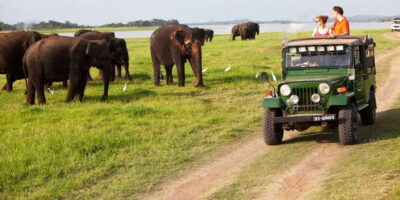
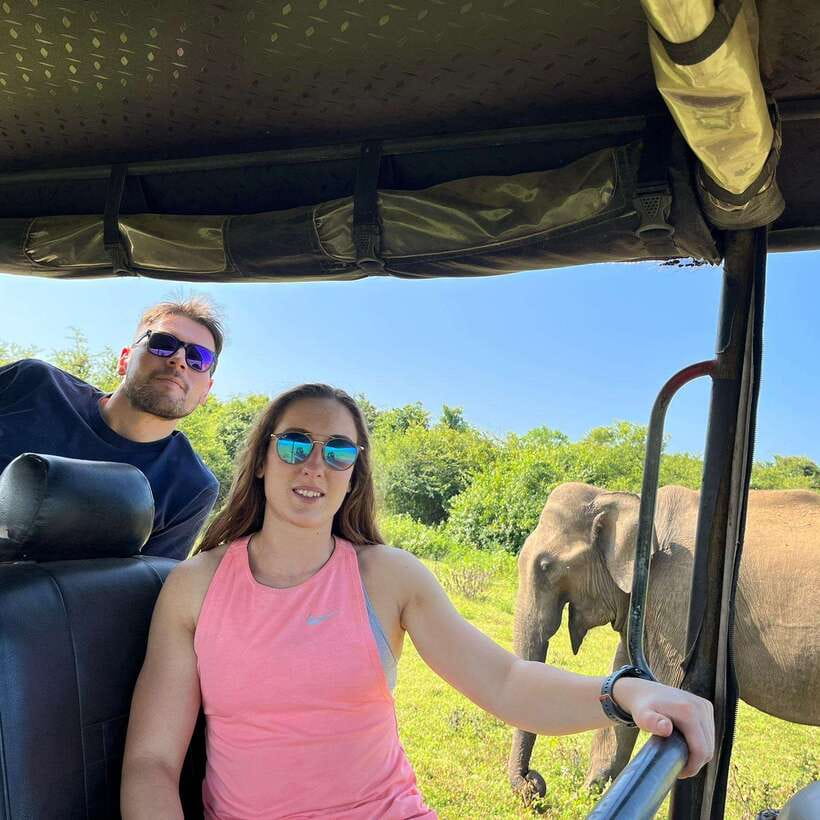
Once you’re at Udawalawe, the core of the day becomes your safari time in a 4×4 safari jeep. This is private in the sense that you’re not in a shared, multi-lane feeding frenzy. You’ll have the driver-guide and the jeep set up for wildlife viewing, which is exactly what you want when you’re chasing quick animal moments.
The guide is the heart of the experience. You’re not just getting facts; you’re getting guidance on where to look next and how to position for spotting. The safari is led by a guide with more than 10 years of experience, and the tour is tailored to your interests. That tailoring matters because elephant-heavy days can still go different ways: sometimes you’ll prioritize behavior and herd dynamics, and sometimes you’ll aim for sightings and photo angles.
One detail I really like from the way the trip is described in feedback: the guiding style can avoid the long convoy feeling. Instead of everyone rolling through the same stretch on the same schedule, the guide focuses on your route and your best odds. That can make the day feel more personal, and it can also be better for animals than having lots of vehicles packed in close.
What You’ll Likely See: Elephants First, Then the Extras
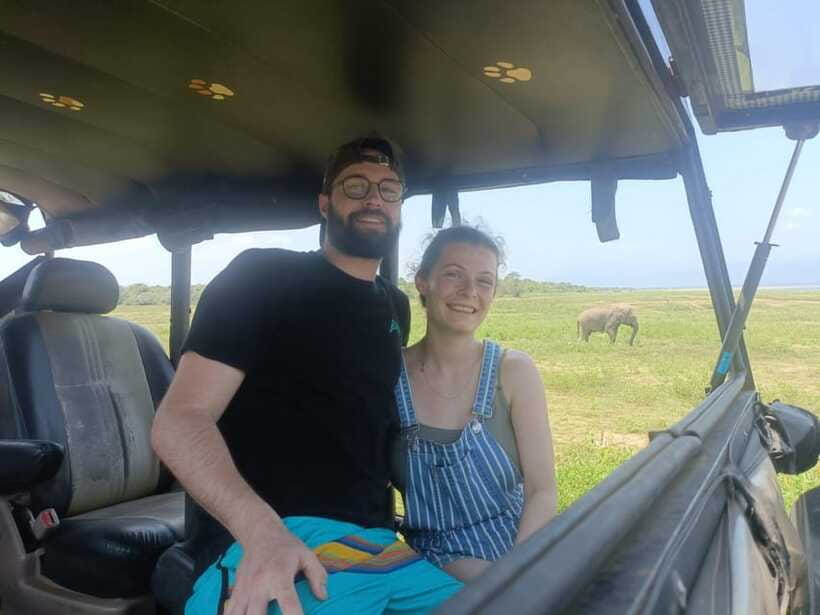
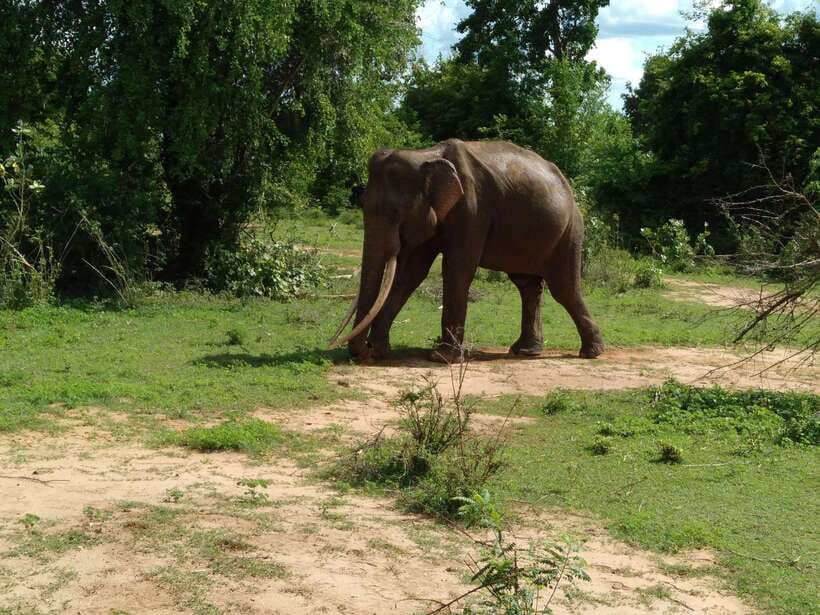
Udawalawe’s elephant reputation is the headline for a reason. Large herds are a signature here, and you’ll have a real chance to see elephants in their natural habitat rather than just in the distance.
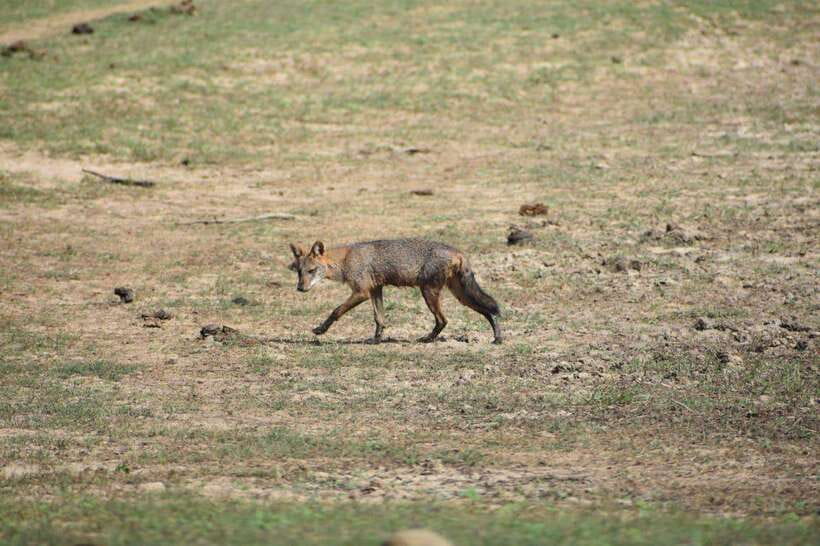
But the best part is that elephants aren’t the only target. This tour also sets you up to look for:
- Water buffalo
- Deer
- Birds (a variety of species)
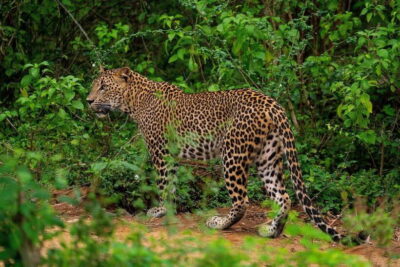
- Leopards (mentioned as possible wildlife in the park)
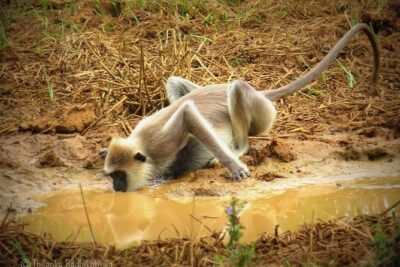
And if you’re hoping for the surprise factor: one review specifically called out crocodiles and mongoose as additional sightings, thanks to the guide’s attention and tracking. You can’t promise every “bonus animal,” but the point is that a good guide helps you spot more than the obvious.
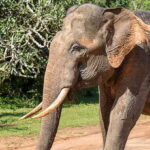
The Photo Reality: Where Guides Add Value
Elephants can appear fast and then move on. Birds can pop into view and vanish. If you’re trying to photograph, you need someone who understands sightlines and timing.
That’s why the guide’s job matters so much. In feedback, guides like Gimhana were praised for stopping at good photo locations and for having deep knowledge of animal life in the area. If photography is your goal, this is the kind of trip where good guidance can be the difference between a blurry glimpse and a frame worth keeping.
Birds, Wildlife, and the Birdwatcher’s Secret Advantage
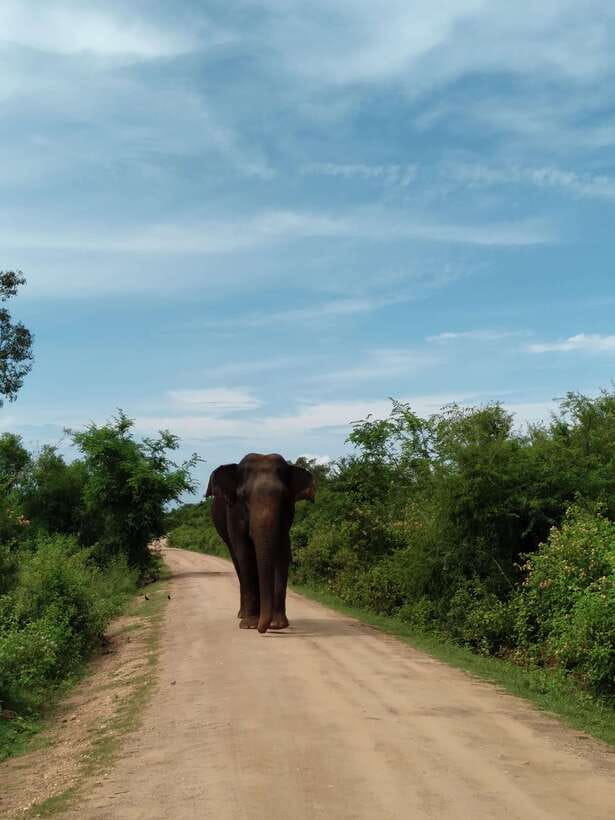
A lot of safaris feel like a single-species quest. Udawalawe can feel different because birds add texture to the day.
When you’re in a private jeep with time to stop and look, birds stop feeling like background noise. You’ll have time to notice patterns: what species show up around the same habitat edges, which areas look active, and what’s calm versus what’s alert. The tour description highlights a variety of bird species, and that’s a big deal if you want more than a single dramatic moment.
And when elephant sightings are slower than you hoped (it happens), birds and smaller wildlife keep the safari moving emotionally. The day stays alive even if the big herds aren’t in front of you every five minutes.
Comfort and Conduct: What to Bring and How to Act
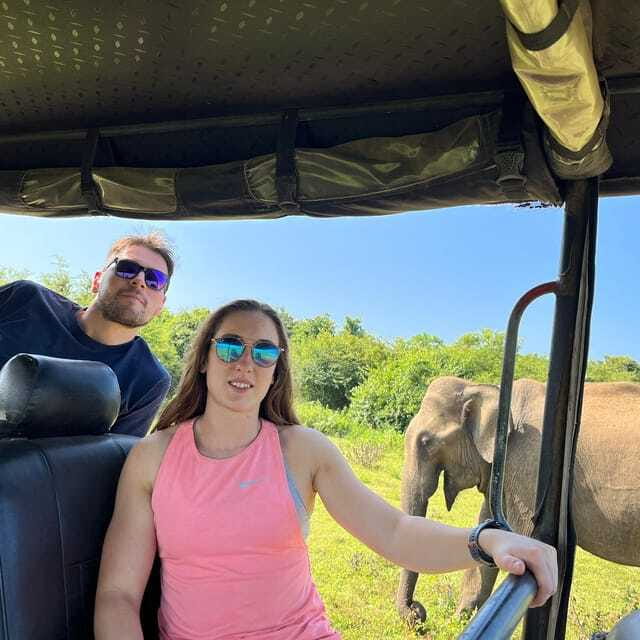
Safari days are outdoors, hot, and dusty. The list of what to bring is simple, and it’s smart:
- Hat
- Camera
- Sunscreen
- Comfortable clothes
Wear clothing that you don’t mind getting a little dusty. You’ll be sitting in an open safari setup part of the time and moving around when you stop. This is not the day for fragile fabrics or anything you can’t adjust on the fly.
Conduct matters too. You won’t be allowed to smoke, and drones are not allowed. The tour also notes no alcohol and drugs, and you must not feed animals or touch wildlife. Those rules protect the animals and keep the viewing ethical. It also helps you avoid the kind of chaos that can turn wildlife viewing into a human spectacle.
Price and Value: Is $84 a Good Deal for 8 Hours?
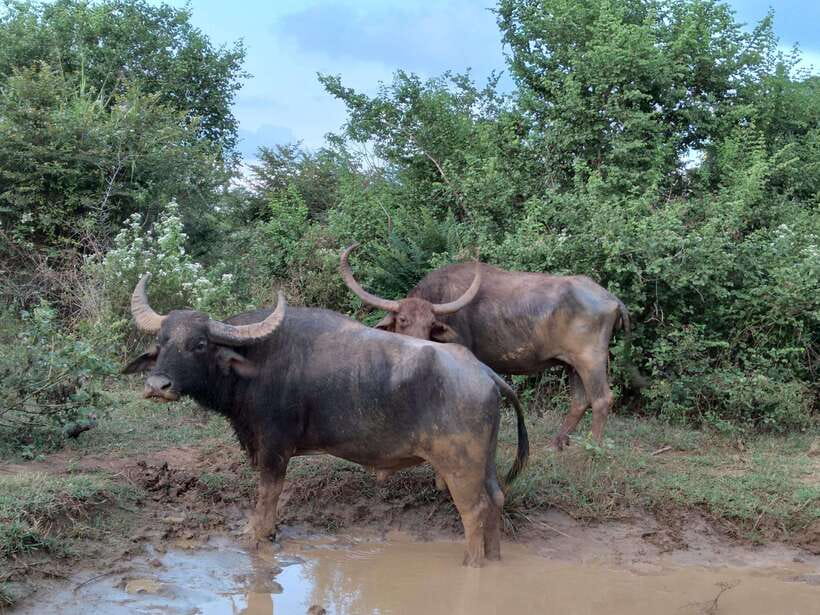
At $84 per person for an 8-hour day trip, the value is mainly in what’s included, not just in what you see.
Here’s what you’re getting that usually costs extra if you piece it together yourself:
- Hotel pickup and drop-off in Mirissa/Weligama (and nearby areas)
- Air-conditioned transport for the road legs
- Highway toll charges both ways
- A 4×4 private safari jeep
- Driver/guide experience (listed as 10+ years)
- English live guidance
What’s not included is the national park entrance ticket. So you should budget for that extra fee on top of the package price. Once you account for that, you’re still looking at a full day with private safari transportation plus a guide who can actually find and interpret wildlife movement.
In plain terms: if you want to maximize your odds and minimize your stress, this price fits. If you’re the type who enjoys solo planning and already has reliable transport and local contacts, you could potentially DIY. But that DIY route usually takes more effort than it seems, especially on wildlife days where timing matters.
Who This Tour Suits (and Who Should Skip It)
This is a solid fit for wildlife lovers who want an organized day and good odds, without turning the safari into a logistics project.
Best match:
- People staying in Mirissa or Weligama who want a straightforward route north
- Anyone who prefers a guide who can interpret animal behavior and point you toward photo-worthy moments
- Bird and nature fans, not only elephant chasers
Not a great fit:
- Pregnant women
- People with back problems
- Wheelchair users
That’s not just “comfort preference.” Safari jeeps and outdoor viewing can involve uneven surfaces and long sitting time. If you have mobility or back concerns, I’d treat this as a hard “check first” situation.
One Practical Caution: The Transfer Leg Can Vary
One review mentioned a transfer driver who drove aggressively and noted an issue with the back seat belts not fully working properly. I can’t promise that’s your experience, but it’s a good reminder that the safari part is one thing, and the road transfer is another.
What I’d do: when you’re picked up, quickly check that seat belts are usable and that you’re comfortable in the vehicle. If something feels off, it’s reasonable to say so calmly before you get rolling. Safari days don’t need extra stress.
Should You Book This Udawalawe Safari Day Trip?
I’d book it if you want a wildlife-focused day that starts from the coast and ends with you back where you started, with private safari transport and an experienced guide. Udawalawe is one of those parks where the right guide changes the quality of your viewing. And the chance to see elephants plus other wildlife (and lots of birds) makes it more satisfying than a single-animal gamble.
You might skip or rethink if you’re very sensitive to early starts, have mobility or back issues, or you dislike paying for park entrance tickets separately. Also, if you’re extremely concerned about comfort and driving style on long road legs, be ready to ask questions at pickup or choose a time slot that feels best for you.
If you’re in Mirissa or Weligama with one day to spare and you want wildlife that feels real, this is a strong use of your time.
FAQ
How long is the Udawalawe safari day trip?
The duration is listed as 8 hours.
Where do they pick up and drop you off?
Pickup and drop-off are offered from Mirissa, Weligama, and nearby areas. The pickup coverage also mentions hotels in Hikkaduwa/Galle/Mirissa or nearby towns.
What vehicle do you use for the safari inside the park?
You’ll use a 4×4 private safari jeep for the Udawalawe National Park safari portion.
Are national park entrance tickets included in the price?
No. National park entrance tickets are not included.
What animals can I expect to see?
The tour highlights elephants (including the chance to see herds), water buffalo, deer, and a variety of bird species. Leopards are also mentioned as possible wildlife.
What should I bring, and what rules do I need to follow?
Bring a hat, camera, and sunscreen, plus comfortable clothes for outdoor time. Smoking, drones, alcohol and drugs are not allowed, and you must not feed animals or touch wildlife.
Is this tour suitable for everyone?
It is not suitable for pregnant women, people with back problems, or wheelchair users.