Elephants and dust and big sky—this day trip has it. I like how the Udawalawe National Park safari is built as a full, guided wildlife outing: you’re picked up from Weligama, transferred comfortably, and then taken into prime elephant country with enough time to actually watch behavior. You also get a conservation stop, so the day doesn’t feel like just a drive-and-photos.
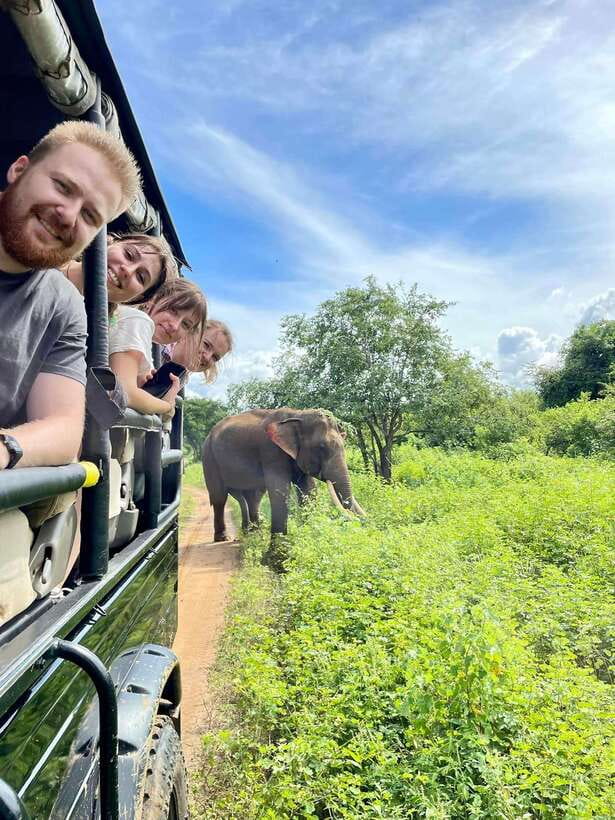
What I especially like is the practical mix of time in the park (about 3 hours) and a guide who helps you find what matters, not just what’s big. I also like the 4×4 safari jeep setup—better viewing positions than a regular car, and it’s the right vehicle feel for the park roads.
One thing to consider: during peak elephant sightings, there can be traffic inside the park when lots of vehicles pull in at once. You can’t eliminate that completely, but knowing it’s a thing helps you manage expectations and enjoy the moment when an elephant finally turns up.
In This Review
- Key things to know before you go
- From Weligama to Udawalawe: what the day feels like
- Udawalawe National Park: your safari time (and how to use it)
- Photo stop and guided sightseeing
- The one realistic snag: safari traffic
- Spotting elephants without missing the story
- Elephant Transit Home: conservation you can see
- Getting there in comfort: the transport reality
- Price and value: is $72 a fair deal?
- How long is too long in a safari day? (Your timing and expectations)
- Who this tour fits best (and who might want to rethink it)
- Should you book this Udawala Safari from Weligama?
- FAQ
- What’s the duration of the Weligama to Udawalawe safari tour?
- Is pickup and drop-off included from Weligama?
- Do I need to pay the national park entrance tickets separately?
- What wildlife and bird viewing opportunities are included?
- Is there a live guide, and what language do they speak?
- What vehicle do you use for the safari?
- Can I cancel for a refund?
Key things to know before you go
- 4×4 jeep comfort: You’ll ride in a spacious safari jeep during the park portion, not a cramped transfer car.
- About 3 hours in Udawalawe: Enough time to spot elephants and other wildlife without the schedule feeling rushed.
- Elephant Transit Home visit: You’ll see orphaned or injured elephants cared for and learn about the release-and-feeding work.
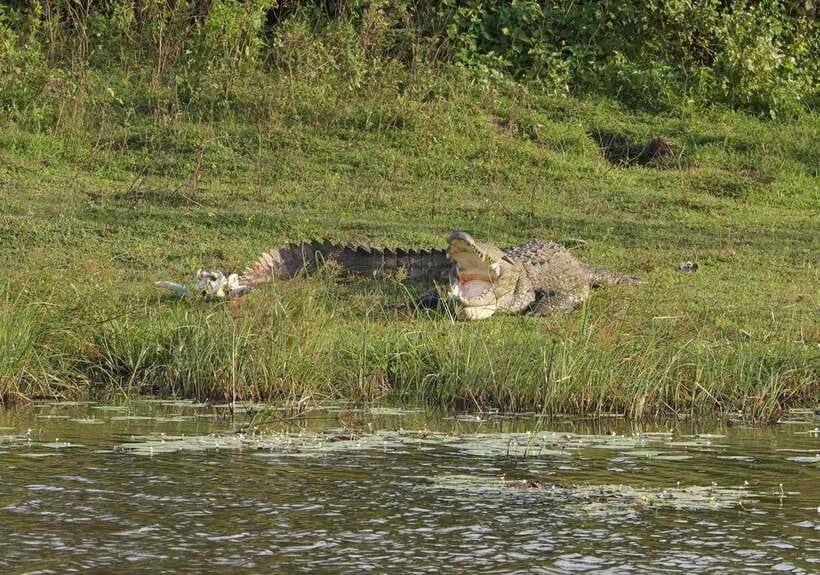
- Guided spotting for more than elephants: Deer, wild boar, water buffalo, crocodiles, and birds like eagles, herons, and peacocks are on the radar.
- Pickup and drop-off options: The tour includes pickup/drop-off across nearby towns, with Weligama as one of the starting points.
- Expect some park-vehicle congestion: When animals appear, multiple jeeps can gather quickly.
From Weligama to Udawalawe: what the day feels like
This tour is designed for a one-day hit of Udawalawe without you having to plan the logistics yourself. You start with complimentary pickup from your hotel area in Weligama (and the provider also offers other pickup/drop-off points like Tangalle, Mirissa, Matara, Hiriketiya, Dickwella, and Udawalawa). The idea is simple: you don’t waste your vacation negotiating rides, directions, or timing.
From the moment you leave, you’re in “road trip mode,” moving through countryside toward the park. The total duration is 8 hours, so you’ll want to think of it as a full day that includes transport, park time, and the Elephant Transit Home visit—rather than a quick half-day safari.
The transfer uses an air-conditioned vehicle, which matters in Sri Lanka because heat and humidity can build fast. When you finally switch to the safari jeep, it feels like a change of gear: still comfortable, but now built for scouting and stopping when animals show up.
You can also read our reviews of more tours and experiences in Weligama.



Udawalawe National Park: your safari time (and how to use it)
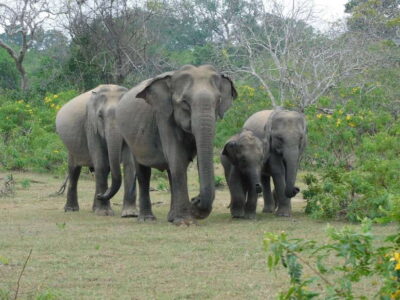
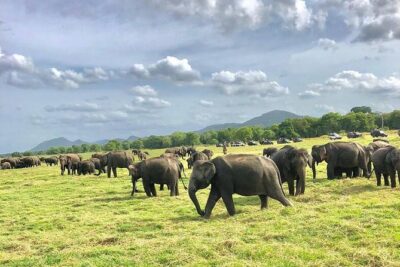
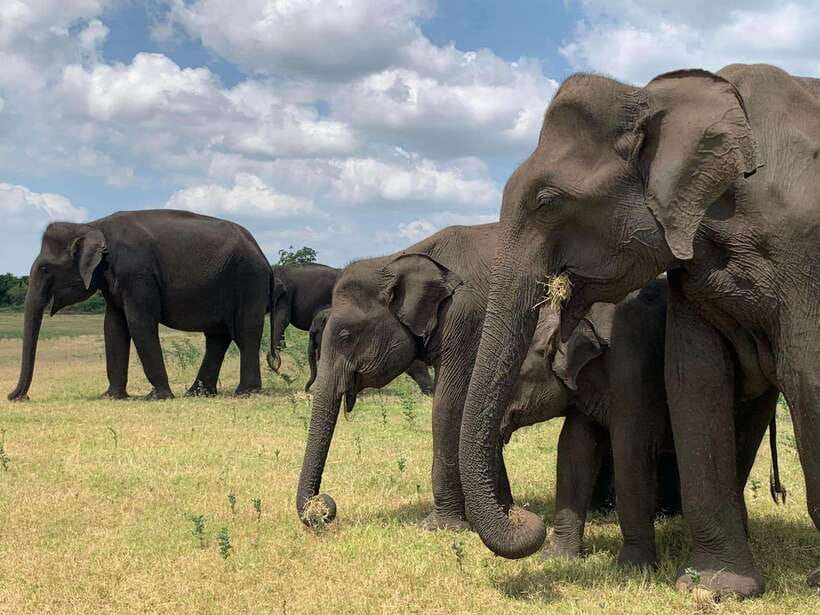
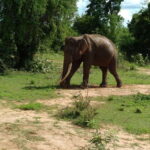
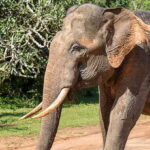
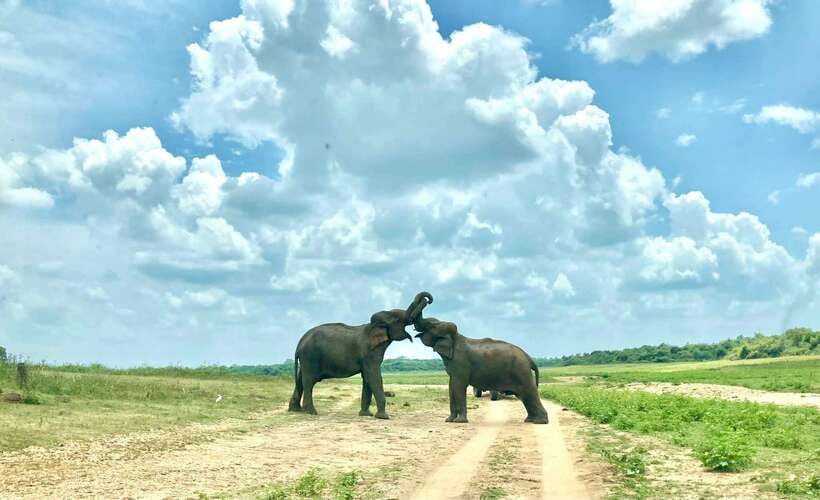
Udawalawe is famous for wild elephants, and this tour gives you the chance to see them in their natural habitat with a guide helping you spot action. You’re allotted about 3 hours inside the park, and that timing is a big deal. It’s long enough to get more than one “elephant moment,” but short enough that you’re not stuck waiting all day without moving.
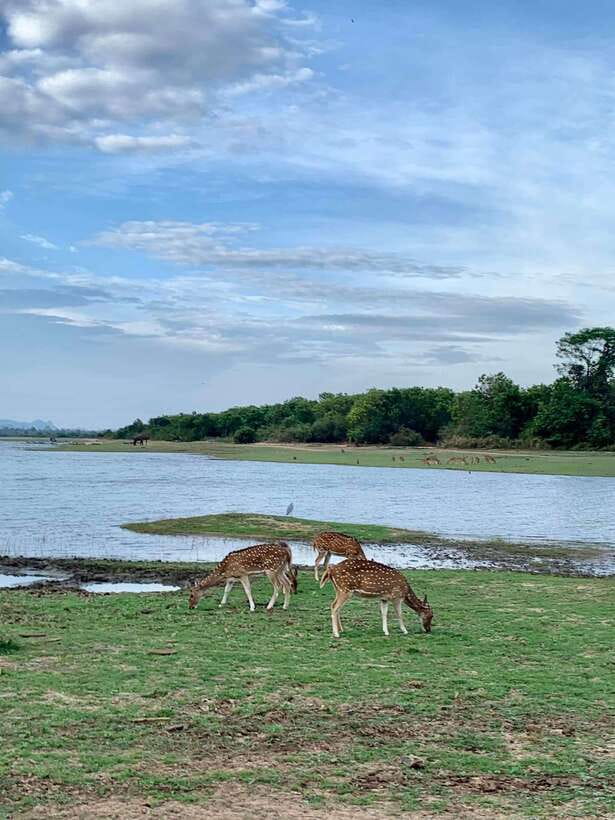
You’ll likely have your eyes on elephants first (you should), but don’t ignore the rest of the cast. The tour describes the chance to see:
- Deer
- Wild boars
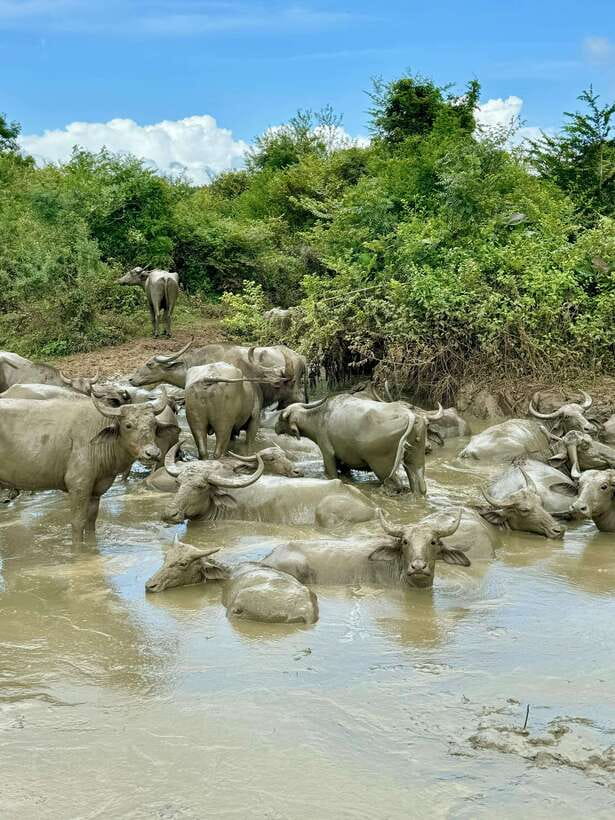
- Water buffaloes
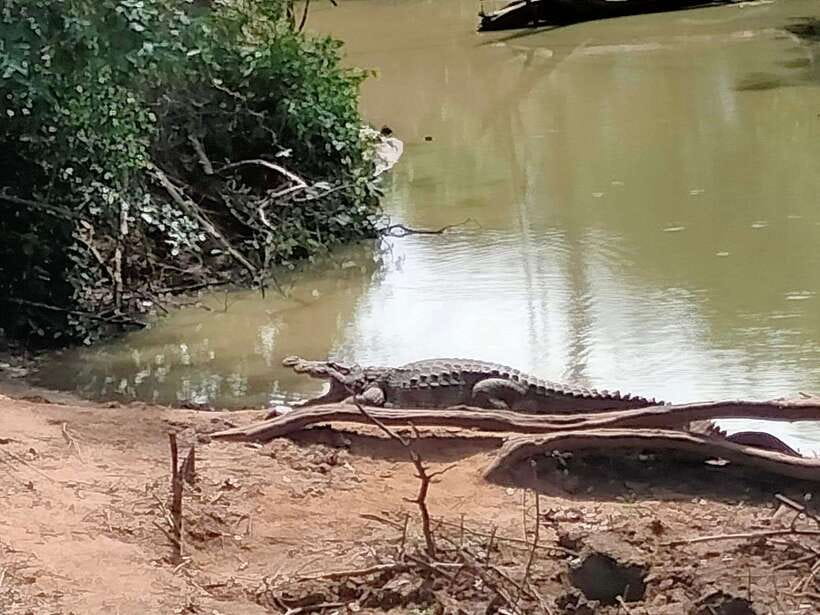
- Crocodiles
And if birds are your thing, this park is also described as a bird-watching paradise. You may spot birds like eagles, herons, and peacocks. What I like about this is that it changes the way you watch. Even if the elephants are quiet for a bit, you’re not stuck staring at empty scrub—you can track movement, calls, and quick sightings in the trees and water edges.
Photo stop and guided sightseeing
The park portion includes a photo stop and a guided tour/sightseeing component. Translation: you won’t just sit and hope for wildlife. You’ll have chances to reposition and look around with context from the guide—especially useful when animals are partly hidden or you’re trying to tell which movement is worth getting excited about.
The one realistic snag: safari traffic
One review note that matches reality in many popular parks: when elephants appear, too many vehicles can enter at the same time, creating a traffic jam. You can’t control other jeeps, but you can control your mindset. If you find yourself stuck while animals are nearby, try to treat it as “watch time,” not wasted time. A calm, patient safari is usually the better safari.
Spotting elephants without missing the story
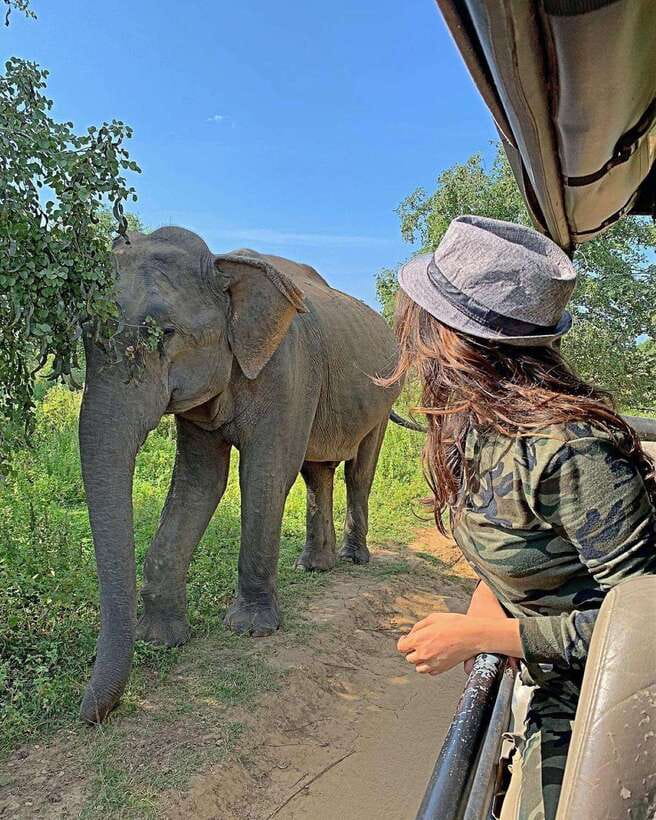
The elephant experience here isn’t just about size and photos. Your guide plays a key role in making the sightings meaningful. The tour promises an expert guide who explains animals and the park’s ecosystem, and that’s what turns a sighting into something you actually remember.
One guide name that came up in the feedback is Batu, described as highly competent at explaining flora and fauna. That’s a great sign for your day because it means you’ll spend less time guessing and more time understanding what you’re seeing—like why an area feels “right” for wildlife in a given moment.
If you care about conservation and the behavior behind the headlines, you’ll also appreciate that the day includes a stop focused on elephant welfare (more on that next). Together, the park safari + transit home visit give you both sides: wild life in its environment, and the human work that helps injured elephants have a future.

Elephant Transit Home: conservation you can see
After the safari, the tour includes a visit to the Elephant Transit Home, where orphaned and injured elephants are cared for and later released back into the wild. This isn’t an abstract conservation lecture. You’ll witness elephant feeding and learn about the conservation effort as part of your visit.
What makes this stop valuable is that it gives context to the elephant you just watched. If you’ve ever felt a safari could turn into only thrill and photos, this helps balance it. You come away thinking: okay, this is not just wildlife entertainment. It’s a living ecosystem, plus ongoing efforts to protect elephants when things go wrong.
Practically speaking, it also breaks up the day so you’re not only in “park mode.” You get a different setting and a different kind of learning—one that’s still very animal-focused.
Getting there in comfort: the transport reality
This tour uses two transport styles in one day:
- An air-conditioned vehicle for the main transfer (pickup to the park and back).
- A spacious 4×4 safari jeep once you’re inside the safari portion.
That combo is worth paying attention to. Long drives can drain you, and a/c helps you arrive less cooked and more alert. Then the jeep keeps you positioned for viewing and for the stop-and-scan rhythm you need when animals are spread out.
The reviews also mention comfort beyond the jeep itself—one person praised a comfy minivan feeling during the travel—and another noted feeling safe even with Sri Lanka traffic. That lines up with the tour’s structure: multiple pickup/drop-off areas mean the driver is doing real work, and the experience depends on how smoothly they handle it.
Price and value: is $72 a fair deal?
The price listed is $72 per person for an 8-hour tour. But the important detail is what’s included and what isn’t.
Included:
- Complimentary pickup/drop-off (from Weligama and several nearby areas)
- Air-conditioned transport
- Luxury and comfortable 4×4 safari jeep
- An experienced guide
- Park time plus the Elephant Transit Home visit
Not included:
- National Park entrance tickets (about $37)
So your realistic budget is closer to $72 + $37, depending on the ticket amount. That still can be good value if you compare it to the cost and effort of doing this on your own. You’re paying for the combined package: guided safari time, the right vehicle, and the Elephant Transit Home stop, plus pickup/drop-off convenience.
The best value here is for people who want:
- One guided day that covers both elephants in the park and elephant welfare work
- Comfortable logistics from Weligama (or nearby areas)
- A guide who helps you see more than the biggest obvious animals
If you already have your own driver, you could theoretically piece together parts of the day. But you’d still be paying for time, navigation, vehicle suitability, and the same entry-timed parts. For many people, the simplicity is the deal.
How long is too long in a safari day? (Your timing and expectations)
At 8 hours, this tour is built like a full day. That’s enough time to avoid the “we rushed the park” feeling, but it’s still a long session. Here’s how to make it enjoyable instead of tiring:
- Arrive with water and keep snacks in mind, since you’re outdoors and the safari is about spotting, not lounging.
- Wear something you can tolerate in heat and dust.
- Expect that sightings are not always instant. Wildlife is unpredictable, so your guide and jeep time matter.
Also remember: the tour includes pickup and drop-off from multiple locations. That’s convenient, but it can make the drive portion feel less direct than a private transfer. If you’re the type who gets cranky when timing shifts, mentally plan for a typical tour schedule.
Who this tour fits best (and who might want to rethink it)
I think this tour fits best if you’re:
- Visiting Sri Lanka and want Udawalawe elephants without complicated planning
- Interested in wildlife but also want a conservation stop that explains elephant rehabilitation
- Traveling from the Weligama area and want a smooth, guided day trip
You might want to rethink it if:
- You hate any chance of vehicle congestion and can’t handle waiting during peak sightings inside the park.
- You’re extremely sensitive to long outdoor hours (because the day is built around safari time and animal viewing).
The good news is that the tour’s structure is designed to keep your attention moving: a guided park route, a photo stop, then the transit home visit, so the day doesn’t feel like one long pause.
Should you book this Udawala Safari from Weligama?
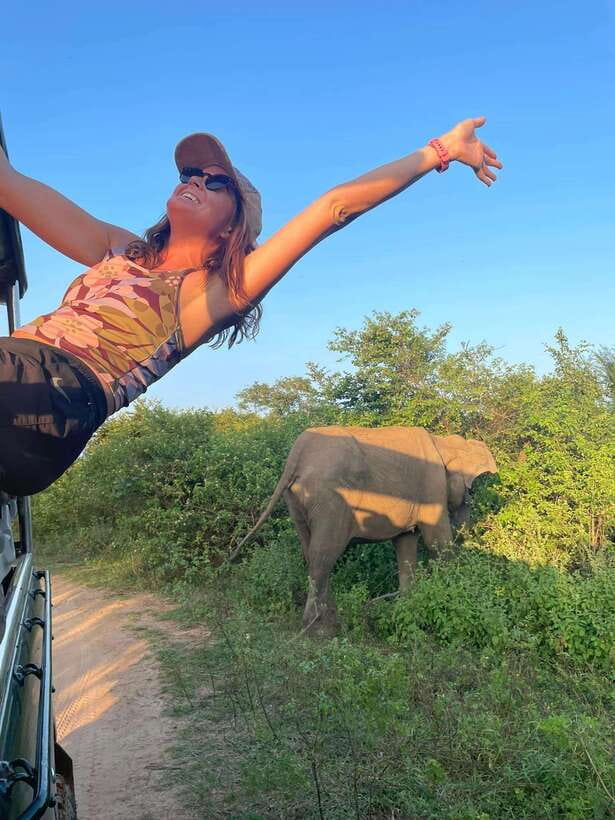
If you want a straightforward, guided elephant day with comfortable transport and an animal-focused conservation component, I’d say yes, it’s a solid booking. The combination of park safari time (~3 hours) plus the Elephant Transit Home makes it more complete than many “just drive around” safaris.
Before you confirm, I’d plan around the one realistic drawback: traffic inside the park when vehicles pile in for elephant sightings. If that wouldn’t ruin your day, you’re in a great spot.
Also budget for the park entry ticket—since national park entrance tickets (about $37) aren’t included. Once you factor that in, you’re paying for a guided, vehicle-supported wildlife day that’s built for convenience from Weligama.
If you’d rather enjoy animals at a calm pace with good guidance, this tour’s format—4×4 jeep, expert guide, and a thoughtful elephant welfare visit—makes a lot of sense.
FAQ
What’s the duration of the Weligama to Udawalawe safari tour?
The tour duration is 8 hours.
Is pickup and drop-off included from Weligama?
Yes. Complimentary pickup and drop-off are included, with Weligama listed as one of the pickup and drop-off options. The tour also includes pickup/drop-off from other nearby areas.
Do I need to pay the national park entrance tickets separately?
Yes. National Park entrance tickets are not included and are about $37.
What wildlife and bird viewing opportunities are included?
In Udawalawe you have the chance to see elephants and other wildlife such as deer, wild boars, water buffaloes, and crocodiles. The park is also described as good for bird-watching, including eagles, herons, and peacocks.
Is there a live guide, and what language do they speak?
Yes, there is a live tour guide, and the tour is available in English.
What vehicle do you use for the safari?
You’ll use a spacious 4×4 safari jeep for the safari portion.
Can I cancel for a refund?
Free cancellation is available up to 24 hours in advance for a full refund.