Sea turtles and reef sharks, right off Trincomalee. This trip to Pigeon Island National Park is a guided snorkeling experience in protected waters, with your best moments coming from two things I like a lot: you get strong help staying safe and oriented, and you’re there for the real-life highlights—sea turtles and even black tip reef sharks.
My other big plus is the feel of the day: it’s run in a practical, well-organized way, with small-group boat rides (max 7 people per boat) so you’re not just herded to a spot and left to fend for yourself. The only clear snag to plan for is the LKR 13,000 national park entrance fee, which you must pay at the meeting point in cash.
In This Review
- Key highlights worth prioritizing
- Pigeon Island National Park: what makes this snorkel stop special
- Getting there from Uppuveli: timing that actually works
- The snorkeling swim: coral, fish, sharks, and turtles (what to watch for)
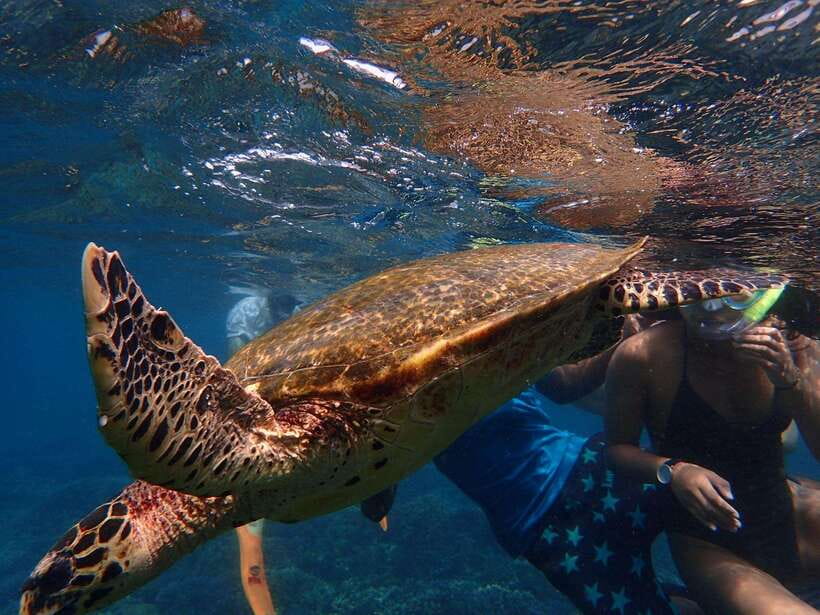
- Sea turtles: your top target
- Black tip reef sharks: exciting, but not chaotic
- Coral and fish: it’s the everyday beauty too
- The guide style that makes the day feel safe and fun
- Equipment, GoPro moments, and what to bring
- What you should pack (based on the tour requirements)
- Price and value: what you’re really paying for
- Who this tour suits best (and who should think twice)
- Practical reality checks before you go
- Final call: should you book this Pigeon Island snorkeling tour?
- FAQ
- Where is the meeting point, and what time do we start?
- How long is the Pigeon Island snorkeling tour?
- What’s included in the price?
- Is the national park entrance fee included?
- What marine life can I expect to see?
- Is this tour suitable for pregnant women?
Key highlights worth prioritizing
- Pigeon Island is a protected national park with clear, calm snorkeling water close to Uppuveli
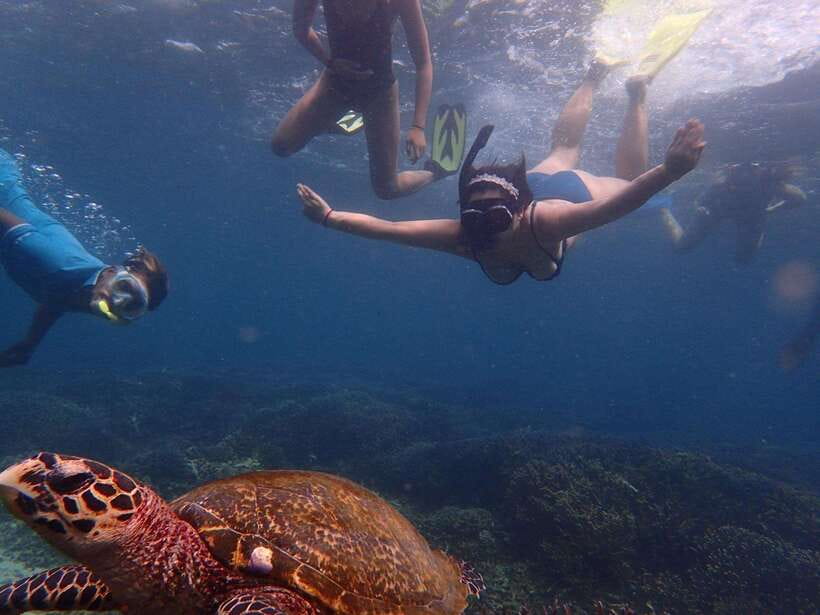
- Sea turtles are a real target, with chances for Hawksbill, Green Turtle, and Olive Ridley
- Black tip reef sharks may appear (juveniles and adults), while you stay guided and supported
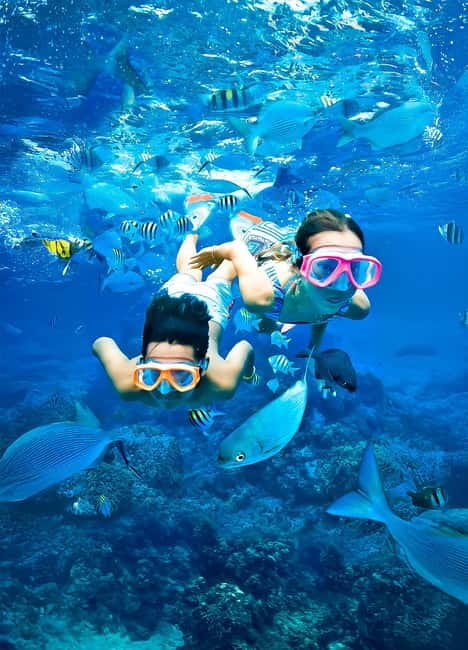
- Marine life is the whole point: 100+ coral species and 300+ tropical fish species
- Small boats (up to 7 per boat) help keep the experience calmer and more personal
- Entrance fee in cash is mandatory at the meeting point (LKR 13,000 per person)
Pigeon Island National Park: what makes this snorkel stop special
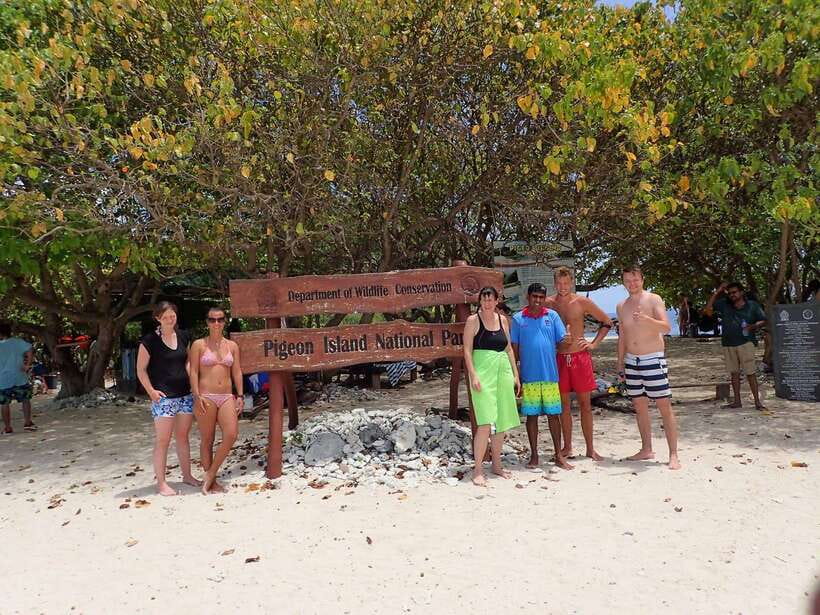
Pigeon Island is one of Trincomalee’s best-known marine areas for good reason. You snorkel inside a protected sanctuary, so the water is the star and the life under the surface has a chance to stick around.
What you’re aiming for is pretty specific. Expect colorful tropical fish, lots of coral, and a real chance of sea turtles, including Hawksbill, Green Turtle, and Olive Ridley. You may even spot black tip reef sharks—this sounds wild, but the tour is designed for snorkelers, with professional instruction and constant attention in the water.
There’s also an island-side detail that makes the name feel real: Pigeon Island has a big rock pigeon colony, which is part of how the island got its name. It’s not why you came, but it adds a nice Sri Lanka touch above the waterline.
You can also read our reviews of more tours and experiences in Weligama.

Getting there from Uppuveli: timing that actually works
You start near Uppuveli, with the meeting point at Trinco Bay’s site inside Fernando’s Beach Market (near the beach). Plan to arrive early enough to check in without stress. Meeting is at 8:30 AM, and the boat departs at 9:00 AM.
The boat ride is about 30 minutes, so you’re not spending half the morning bouncing around the harbor. That matters, especially in warmer coastal weather—less time in transit means more time in the water with better energy.
The tour runs 3–4 hours total, and it ends back at the same meeting point. So you can treat it like a solid half-day plan when you’re basing yourself around Uppuveli.
The snorkeling swim: coral, fish, sharks, and turtles (what to watch for)
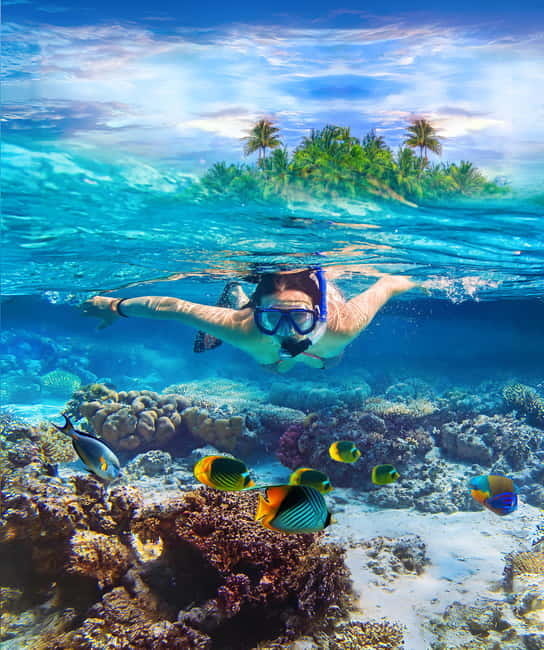
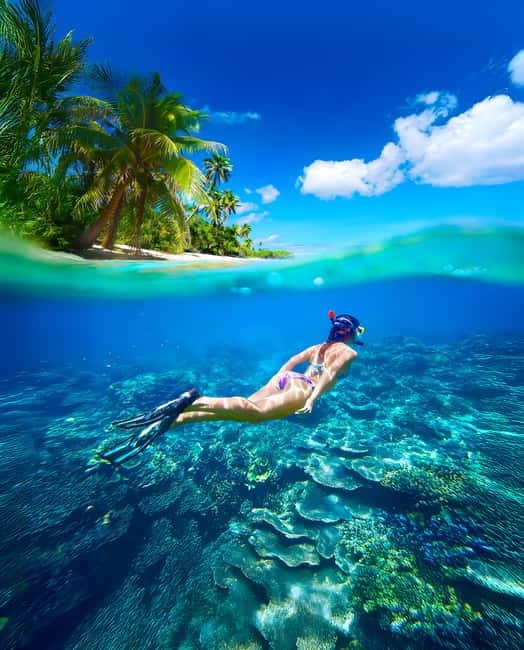
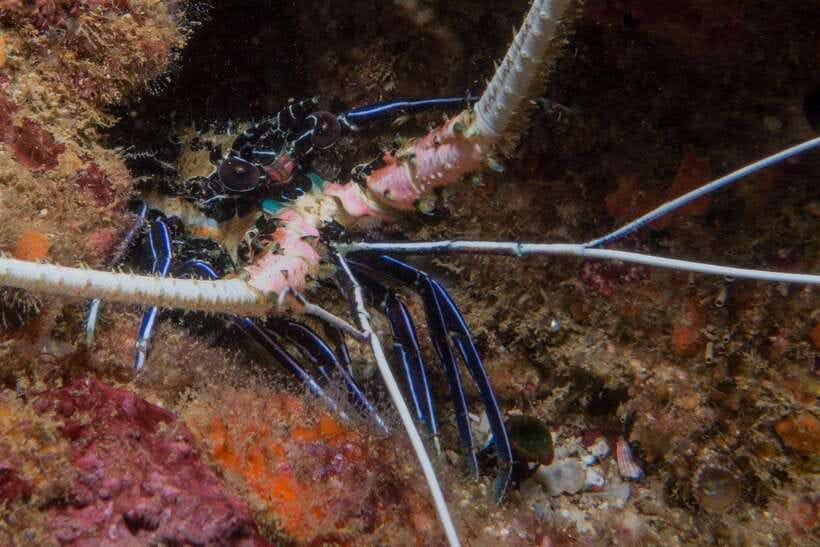
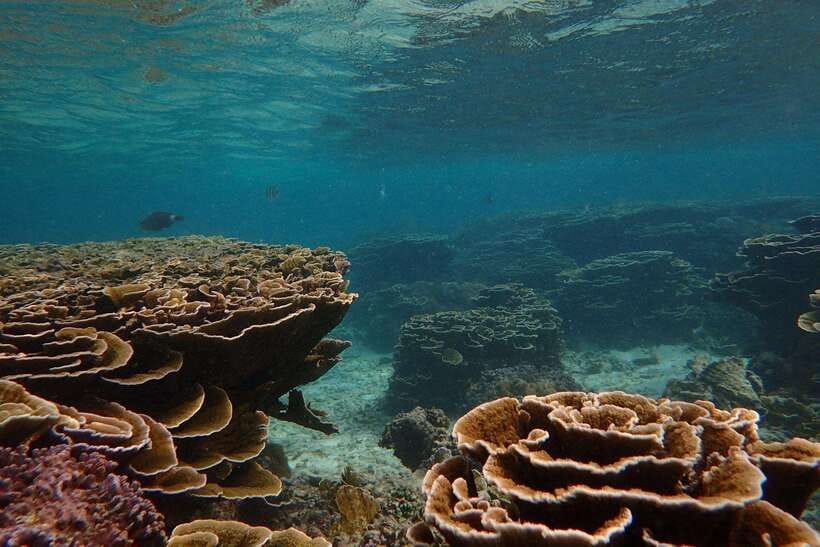
This is a guided swim in a protected zone, so you’ll have a clear plan for where to go and how to handle the water. The expectation is that you’ll see over 100 coral species and about 300 tropical fish species during the experience. That number is a useful clue: this isn’t a quick stop where you might get lucky. The site is known for diversity.
In practical terms, you’ll want to slow down when you enter the water. Move in small, controlled ways so your eyes can adjust to depth and distance. Coral grows in patches, and the best sightings usually come when you’re watching the edges where coral meets open water.
Sea turtles: your top target
Sea turtles are a major draw here, and the tour explicitly sets you up for that chance. You might see different types, including Hawksbill, Green Turtle, and Olive Ridley.
Turtles can be shy at first, so you’ll do best if you let the guide set the pace. If a turtle appears, expect the guide to help you position safely and avoid sudden movements.
Black tip reef sharks: exciting, but not chaotic
The chance to see black tip reef sharks is a headline highlight, and it can happen with both juvenile and adult sharks. The key word is guided. The whole structure of the tour is built around safety for snorkelers, so you’re not out there alone trying to interpret what you’re seeing.
If you’re nervous about sharks, you’ll probably relax once you’re in the water and see how calmly the group is managed. The guide stays with you and keeps the swim organized so you can enjoy the moment without turning it into a panic.



Coral and fish: it’s the everyday beauty too
Even if you had zero chance of sharks or turtles, Pigeon Island would still be worth it for coral and fish. The protected waters mean you can focus on the details: different fish sizes, coral textures, and the way light moves across the reef.
A simple tip: don’t look only at the biggest fish. Small fish dart in and out of coral gaps. Those are often the sightings that make your photos look like a scene from a documentary.
The guide style that makes the day feel safe and fun
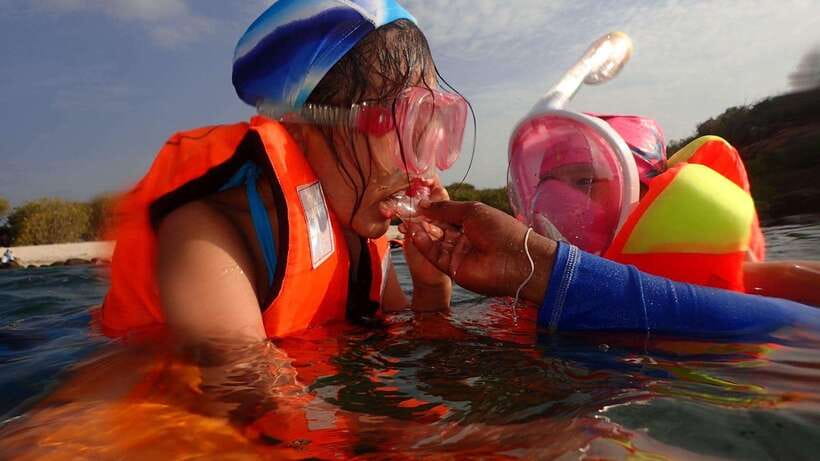
One reason this tour earns such strong marks is the way it runs in the water. You’re not just renting gear and getting a location pin. You’ll have a professional snorkeling guide with you, and the guide’s job is safety and spotting marine life you might miss on your own.
That guidance matters most for beginners and first-timers. If you’ve snorkeled before, you still benefit from local instruction—reef visibility, how to breathe comfortably, and how to move without kicking up sediment.
It also helps that the group is kept small. Boats are limited to 7 people, which usually means less crowding, fewer random swimmers, and more attention from the instructor. When you’re in crystal-clear water, it’s easy to see everything more clearly—but only if the group stays organized.
Equipment, GoPro moments, and what to bring
Snorkeling equipment comes included, along with snacks and water. That’s a big value point because you’re not hunting down rentals or paying extra for gear.
If you want video or photos, this is the kind of spot where an action camera can work well. The experience highlights using a GoPro for your memories, and it makes sense here because the water is clear and the marine life stays close to the reef.
What you should pack (based on the tour requirements)
Bring:
- Swimwear you’re comfortable wearing for the full morning
- A towel to dry off after snorkeling
- Sunscreen, plus hat and sunglasses for boat time
- A waterproof bag for your stuff
- Cash in LKR for the entrance fee
Also, keep in mind you’re swimming for a few hours total. That’s not extreme, but it’s enough that sun and comfort matter.
Price and value: what you’re really paying for
The price is listed as $42 per person. On its own, that number could sound either high or fair depending on what’s included. Here’s how I’d judge value: the cost stacks up best when you compare it to what you get without adding extra expenses.
You’re paying for:
- boat transfers (with small-group limits per boat)
- snorkeling equipment
- a professional guide in the water
- snacks and water
Then there’s one extra you must plan for: the national park entrance fee of LKR 13,000 per person, paid at the meeting point. That’s not a hidden cost, but it is a cost you should budget before you show up with only card payments.
If you’re the type who wants confidence in the water and the chance to see turtles and reef sharks, the value is easier to justify. This isn’t a DIY reef hop. It’s a structured, guided trip in a protected area.
Who this tour suits best (and who should think twice)
This tour makes sense if:
- you want guided snorkeling rather than solo floating
- you’re keen on sea turtles and the possibility of black tip reef sharks
- you like small-group experiences where the guide can actually look after everyone
- you want clear-water snorkeling that’s close to Uppuveli
It’s also a good fit if you’re traveling with mixed snorkeling confidence. Beginners often appreciate the support, while experienced snorkelers usually enjoy having a guide point out marine life and keep the group moving safely.
One note: it’s not suitable for pregnant women. If that affects anyone in your group, you’ll want to choose a different activity.
Practical reality checks before you go
This is a morning-focused water activity. That means you’ll want to handle sun protection seriously, even if you’re not on the beach the whole time. The boat ride and time on the water can add up fast.
Also, bring the entrance fee in cash. The tour requires LKR 13,000 per person to be paid at the meeting point. If you forget, you’ll create an unnecessary headache for everyone.
Finally, keep expectations grounded. The marine life variety is a strong selling point, but the ocean is the ocean. You’re going to be in the right place with the right help, but sightings depend on conditions and animal behavior.
Final call: should you book this Pigeon Island snorkeling tour?
I’d book it if your top goal is real snorkel time in protected waters with strong guidance. The combination of small-group control, professional guide support, and a meaningful chance of seeing sea turtles and black tip reef sharks makes it a solid choice for Trincomalee.
I’d pause only if you’re not comfortable paying the LKR 13,000 cash entrance fee at the start of the day, or if anyone in your group falls into the not-suitable category. If those two points are fine, this is a smart, value-forward way to spend a half-day in Sri Lanka’s east coast marine world.
FAQ
Where is the meeting point, and what time do we start?
You meet at Trinco Bay’s site inside Fernando’s Beach Market (near Uppuveli Beach). Meeting time is 8:30 AM, and the boat departs at 9:00 AM.
How long is the Pigeon Island snorkeling tour?
The tour lasts 3–4 hours total. (Availability will show exact starting times.)
What’s included in the price?
The tour includes boat transfers, snorkeling equipment, a professional snorkeling guide, and snacks and water.
Is the national park entrance fee included?
No. The national park entrance fee is LKR 13,000 per person, and it must be paid at the meeting point.
What marine life can I expect to see?
You can expect chances to see sea turtles and black tip reef sharks, plus coral and tropical fish. The tour also notes expectations of 100+ coral species and 300+ tropical fish species.
Is this tour suitable for pregnant women?
No. The tour is not suitable for pregnant women.