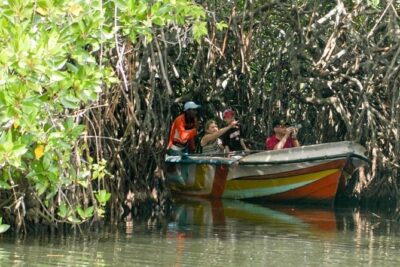
Seeing whales can feel like luck, but this trip is run with a clear plan for finding them. You’re out of Mirissa early and scanning the Indian Ocean from a double-decker boat, with an on-board guide team helping you read what’s happening at sea.
One big plus for me is the well-organized crew, and another is how they stay switched on for whale signals so the boat can move quickly when sighting chances pop up. The one drawback to keep in mind: whale sightings are never guaranteed, and the sea conditions matter.
In This Review
- What you’ll like most on this cruise
- The main consideration before you book
- Key things to know before you go
- Mirissa morning timing: getting to the water without stress
- Double-decker boat comfort and how the crew keeps searching
- What species you’re actually looking for
- The whale targets
- Dolphin sightings: more likely than whales
- Dolphins, turtles, flying fish, and other possible bonuses
- It’s a 4-hour outing: what that time window means
- Price and value: is $70 fair for what you get?
- Weather reality check: what good planning looks like
- Who this Mirissa cruise is best for
- Should you book? My take on this Mirissa whale watch
- FAQ
- What time does the whale-watching tour start in Mirissa?
- How long is the whale-watching cruise?
- Do I get pickup and drop-off from Mirissa?
- What’s included in the experience besides the boat trip?
- What kinds of animals can you see?
- What happens if weather is poor?
What you’ll like most on this cruise
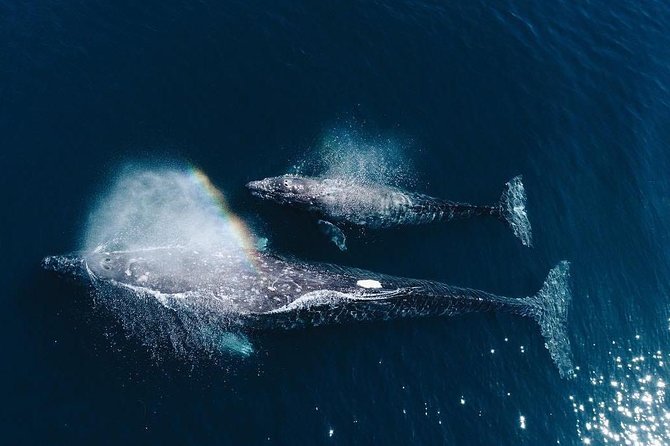
I like that you get more than just whales. The same boat time also gives you realistic looks at dolphins, turtles, flying fish, and sometimes bigger surprises like manta rays. I also appreciate the practical comfort factor: you’re not stuck in a cramped ride, and you’re looked after with snacks and guides during the time you’re actually offshore.
The main consideration before you book
Plan for the possibility of leaving without a whale photo. Even with strong spotting effort, whales can stay hidden, and this experience depends on good weather—so you’ll want a bit of flexibility in your schedule.
You can also read our reviews of more tours and experiences in Galle.



Key things to know before you go
- 6:00 am start from Mirissa Beach: you’ll be on the water while the day is still fresh
- Tuk-tuk pickup and drop-off: transport is handled so you can focus on the sea
- Snacks + on-board guides: help spotting and interpreting what you’re seeing
- A clear “signal” approach: the crew reacts fast when whales are spotted
- Multiple species on the checklist: whales, dolphins, turtles, flying fish, plus other possible sightings
Mirissa morning timing: getting to the water without stress
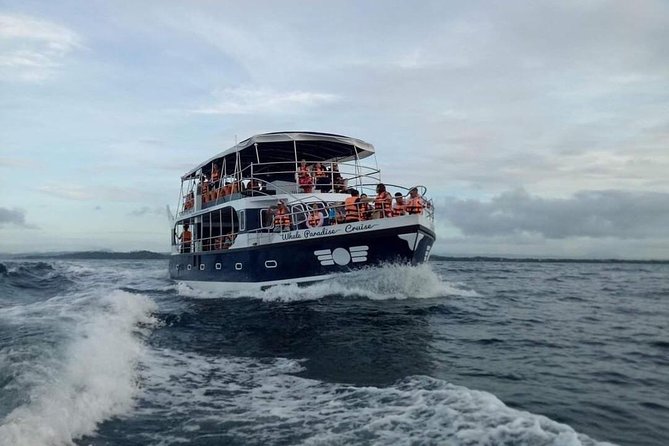
This whale-watching experience is built around an early departure—6:00 am from Mirissa—and that matters more than it sounds. Morning hours are when conditions are often more manageable, and it’s also when marine animals may be easier to spot because the sea surface is usually less chaotic than later in the day.
You’ll meet at Mirissa Beach, then get transferred by tuk-tuk as part of the experience. I like this setup because it removes the “now where do we park and how do we find the right boat?” headache. You also get a mobile ticket, which keeps things simple when you’re checking in.
One small practical tip: since the start time is early, build in a little buffer. Even if everything runs well (and it sounds like it does), you don’t want to be sprinting down the beach while everyone else is boarding.
Double-decker boat comfort and how the crew keeps searching
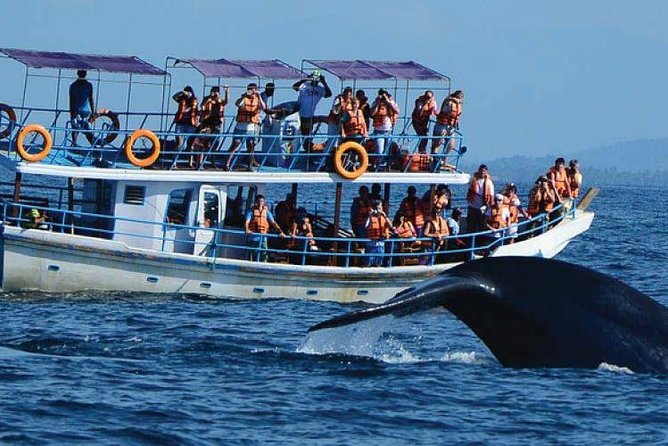
The boat is a key part of the value here. You’re not just being taken offshore—you’re positioned on a comfortable double-decker layout that gives you space to see. More visibility options help, because whale spotting is a game of scanning wide areas and catching quick surface blows.
What really stands out is how the crew runs the hunt. On this kind of trip, the difference between a fun ride and a memorable one is attention. The staff are described as well organized and attentive, and when they spot a signal, they don’t just slow down politely—they start the engines to get closer. That kind of responsiveness is exactly what you want when you’re trying to locate animals that may show briefly, then disappear again.
You’ll also have on-board guides, and that’s more useful than it sounds. Whales and dolphins don’t always behave like you imagine from documentaries. A guide helps you understand what you’re seeing—whether it’s a blow, a ripple, a shape under the surface, or a group movement that suggests dolphins are actively traveling.
What species you’re actually looking for
Let’s talk about the star names on the sighting list, because it helps you understand what you’re scanning for.





The whale targets
You may be fortunate enough to see several types of whales, including blue whales, Bryde’s whales, sperm whales, killer whales, and fin whales. That is a big lineup. It also tells you this isn’t a one-note tour: the crew is looking broadly across the marine life they’re likely to encounter in this region, not just one species.
Even if you’ve heard that blue whales are the giants of the sea, seeing any large whale in the wild is still an intense experience. The important thing to remember is that whale sightings depend on where animals are at that moment, and animals can stay just out of sight even when everything else goes right.
Dolphin sightings: more likely than whales
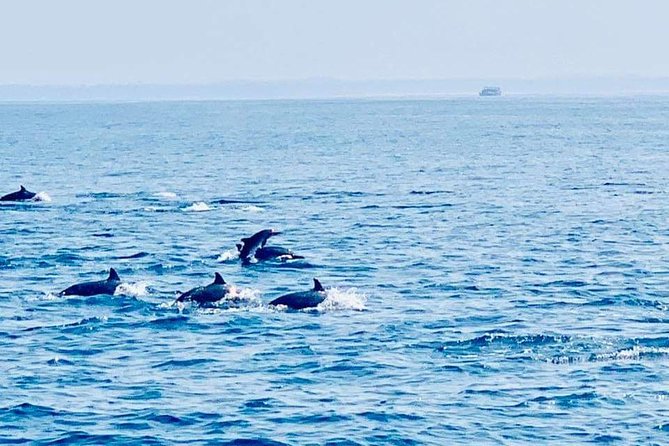
Dolphins are a major part of the payoff. The checklist includes common dolphins, bottlenose dolphins, spinner dolphins, Risso’s dolphins, and striped dolphins. The idea is that you’ll look for pods that may show playful behavior—jumping, somersaulting, and moving in ways that are easier to track than a whale that only surfaces briefly.
Based on the way the cruise is described, the crew doesn’t stop searching once they find dolphins. They keep their eyes open for whale signals too, so you get that two-layer benefit: entertainment now, plus “who knows” energy for the whales.
Dolphins, turtles, flying fish, and other possible bonuses
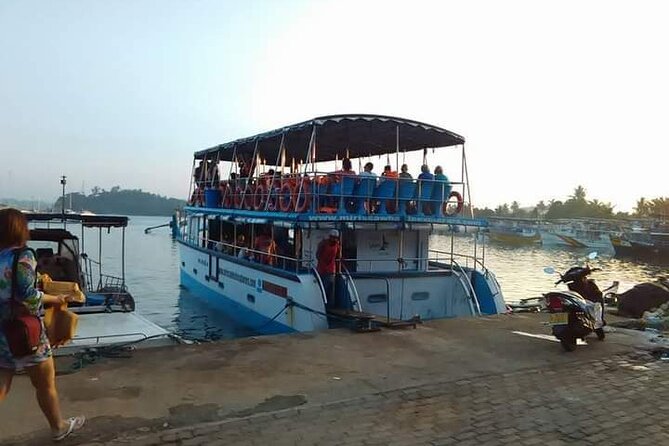
This is not only a whale watch. It’s a sea life watch. On the water, you may also spot flying fish and sea turtles. There’s also a chance of manta rays and even sharks, though those are bonuses rather than guarantees.
Here’s the practical value of having a broader sighting list: it protects your day. Even if whales are a no-show, dolphins and other sea creatures can turn the trip into a real wildlife experience, not just a long wait for one animal.
Also, keep an eye out for the smaller clues. Flying fish are quick and can be easy to miss if you’re only watching for the biggest shapes. If your guide points them out, take it seriously—those hints can help you train your attention fast, which makes the rest of the search better.
It’s a 4-hour outing: what that time window means
The experience is about 4 hours on the water. For most people, that’s the sweet spot: long enough to cover some searching time, short enough that you’re not exhausted by the end of it.
That time limit also changes your expectations in a healthy way. In four hours, you’re not trying to “solve the entire ocean.” You’re giving the crew a focused window to locate animals, then switching quickly based on what signs appear.
So if you’re the type who wants a slow cruise with casual stops, this may feel more like a purposeful search than a leisurely sightseeing boat. If you like the idea of keeping your eyes moving and reacting to signals, you’re going to enjoy this format.
Price and value: is $70 fair for what you get?
At $70 per person, you’re paying for a package that includes a lot of the cost drivers: a morning boat outing, an experienced crew, on-board guides, snacks, and tuk-tuk transfers. You’re also looking at a smaller group cap—maximum 50 travelers—which usually helps with crowding and spotting comfort.
Is it cheap? No. But whale watching isn’t a low-cost activity anywhere, because you’re funding a boat, fuel, and specialized guide work for a wildlife outcome that can’t be guaranteed.
For value, I’d weigh three things:
- If you care about whale and dolphin chances in one focused morning window, the structure is efficient.
- If you’ll get excited by dolphins and other sea life even without whales, your odds of leaving happy improve.
- If you prefer organized operations, the crew responsiveness is part of what you’re paying for—not just sitting on a boat.
One more “value” note: the trip is commonly booked about 43 days in advance on average. That doesn’t automatically mean you should book that far out, but it does suggest this is a popular slot. If you’re traveling during peak demand, locking it in sooner can help you line up your morning plans.
Weather reality check: what good planning looks like
This experience requires good weather. That’s not just a legal line—it’s your real-world indicator of how enjoyable the day will be. If conditions aren’t right, the operator may offer a different date or a full refund.
If you’re someone who hates schedule changes, you’ll want a bit of backup time in your itinerary. If you have flexible mornings, this is easier to manage. Either way, going into it with weather in mind helps you stay calm if your day has to adjust.
And even with good weather, whales can still be shy. One of the most honest lessons from similar outings is that dolphins may show up more reliably than whales. That doesn’t mean you should lower your expectations—it just means you should let the day be bigger than one species.
Who this Mirissa cruise is best for
This whale-watching trip is a strong match if you want:
- A morning wildlife hunt with a clear plan and quick crew response
- A boat experience that feels more organized than chaotic
- The chance to see dolphins and turtles even if whales don’t surface
It’s also a good fit for families and groups who want a fun, active outing that fits within a 4-hour block. The maximum group size (up to 50) keeps it from feeling like a floating stadium.
If you’re traveling solo, it’s still worth it because the guides and crew help you stay oriented. If you’re a photographer, you’ll appreciate the double-decker layout for sight lines, but you should also be ready for quick moments rather than long slow scenes.
Should you book? My take on this Mirissa whale watch
I’d book this cruise if you want a well-run whale-and-dolphin search with practical support. The combination of attentive crew, on-board guidance, snacks, and tuk-tuk transfers makes it feel like a complete experience rather than a bare-bones boat ticket.
I’d hesitate only if whales are your single non-negotiable goal and you can’t handle the possibility of leaving whale-free. The sea doesn’t owe you a sighting. This trip gives you strong effort and smart reaction when animals appear, but the ocean still gets the final word.
If you’re excited by the idea of spotting whales and you’d genuinely enjoy dolphins, turtles, and other sea life even on a day without a blue whale blow—then this one is worth your morning.
FAQ
What time does the whale-watching tour start in Mirissa?
The tour starts at 6:00 am in Mirissa, Sri Lanka.
How long is the whale-watching cruise?
It lasts about 4 hours (approx.).
Do I get pickup and drop-off from Mirissa?
Yes. Mirissa tuk-tuk transfers are included, with pickup and drop-off back at the meeting point area.
What’s included in the experience besides the boat trip?
The experience includes on-board guides and snacks, plus the tuk-tuk transfers and a mobile ticket.
What kinds of animals can you see?
The sighting list includes blue, Bryde’s, sperm, killer, and fin whales, plus dolphins (common, bottlenose, spinner, Risso’s, and striped), and other possibilities like turtles, manta rays, flying fish, and sharks.
What happens if weather is poor?
This experience requires good weather. If it’s canceled due to poor weather, you’ll be offered a different date or a full refund. You can also cancel for a full refund if you cancel at least 24 hours before the experience’s start time.