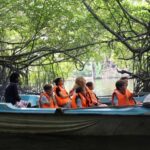
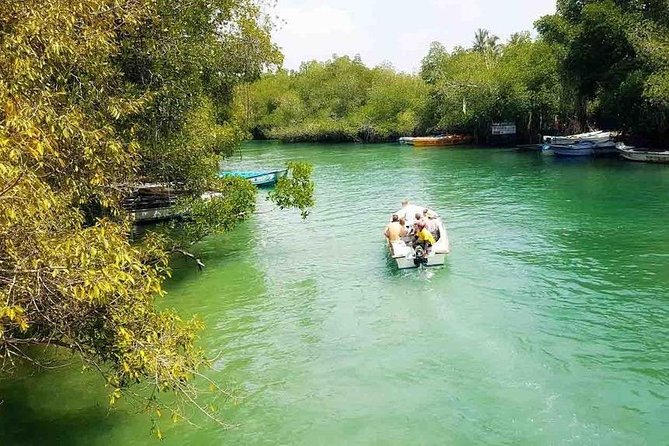
Mangrove tunnels make the Madu River feel otherworldly. On this Madu River Safari at Balapitiya, you cruise through mangrove corridors, then slow down for Cinnamon Island and a Buddhist temple stop. It is a nature-and-culture loop that feels very Sri Lanka, but without needing a full day commitment.
I love how the ride is built around wildlife spotting (with a fair chance of seeing bigger animals and lots of birds). I also love the Cinnamon Island portion, especially the demo and cinnamon tea, which is a highlight people talk about for a reason.
One consideration: wildlife sightings depend on conditions, so if you go expecting a guaranteed crocodile photo, you may feel a little let down. Also, the experience requires good weather, and poor conditions can mean a change of date or refund.
In This Review
- Key things to know before you go
- Your Madu River Safari, in plain terms
- The boat ride through mangroves: what makes it worth it
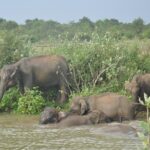
- Wildlife chances: what you can realistically look for
- The little details that make the river feel alive
- Cinnamon Island: demo, cinnamon tea, and hands-on learning
- How this part fits the rest of the day
- Temple stop at Kothduwa: culture along the water
- Mangrove tunnels: why narrow water feels special
- Pickup, groups, and the logistics that actually matter
- Price and value: what $23.40 buys you
- What kind of traveler will love this most?
- Tips to get the most from your time on the river
- Should you book the Madu River Safari at Balapitiya?
- FAQ
- How long is the Madu River Safari at Balapitiya?
- What’s included in the tour price?
- Is pickup available?
- What should I wear?
- Is this a private tour?
- What wildlife might I see on the river?
- Is there a temple visit?
- What’s the best part for food lovers?
- Is cancellation allowed, and what happens if weather is bad?
Key things to know before you go
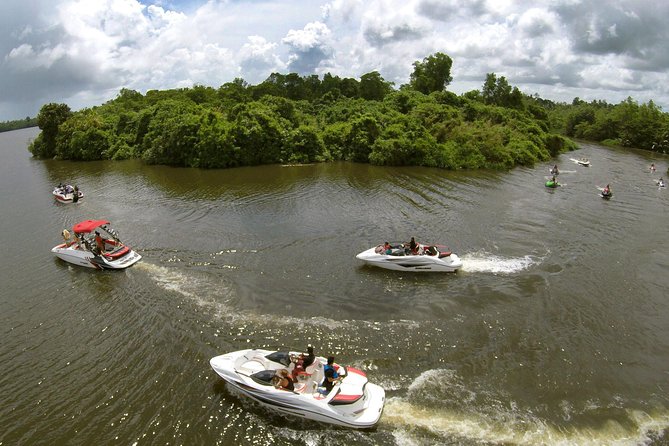
- A focused 1–2 hour boat safari that still covers multiple special stops
- Mangrove tunnels and narrow waterways that make the scenery feel totally different from open water
- Cinnamon Island demo and tea as a real on-the-ground local craft moment
- Temple visit on an island at Kothduwa Temple, adding a spiritual stop to the nature time
- Good odds of seeing wildlife like monitor lizards, black monkeys, and plenty of birds (sightings vary)
- Smart casual is the rule, and bottled water is included
Your Madu River Safari, in plain terms
This is a short, high-impact excursion from Bentota/Balapitiya that revolves around one main thing: time on the Madu River in and around the mangroves. You are not doing a long haul or hopping through five distant towns. Instead, you are moving slowly through a living ecosystem, with culture stops worked in along the way.
The tour runs about 1 to 2 hours, and the boat segment is roughly 1.5 hours. For the price point (around $23.40 per person), that structure is the value: you get a real water-based experience plus the Cinnamon Island and temple elements, without needing to plan separate tours.
You can also read our reviews of more tours and experiences in Bentota.

The boat ride through mangroves: what makes it worth it
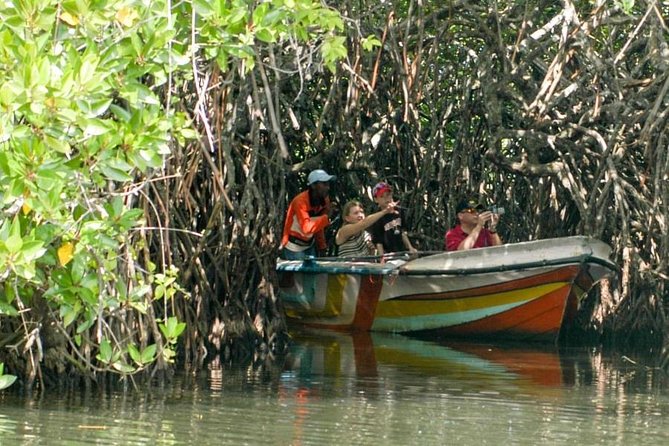
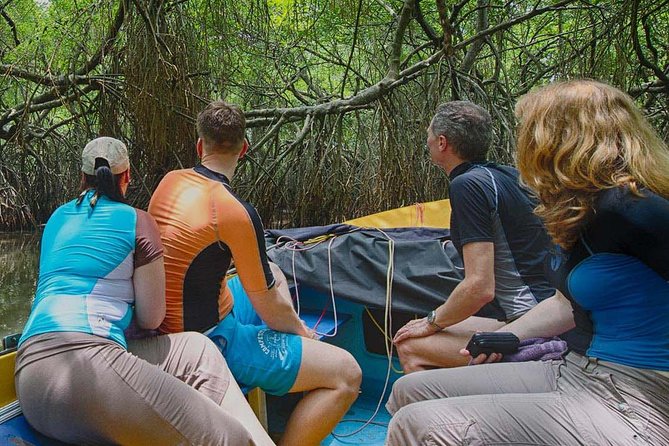
The best part is the way the mangroves change the whole vibe of the trip. The boat takes you through thicker mangrove marsh areas with darker, enclosed sections, then back out into brighter stretches of water. Those shifts matter because they affect how wildlife behaves and how you experience the environment.
You’ll also learn as you go. The guide/instructor explains how mangroves support the ecology of the area, and you get a sense of why this river system is so important. That educational piece is not heavy or classroom-like. It’s more like the guide is translating what you are seeing into context.
Wildlife chances: what you can realistically look for
Mangroves can hide animals, so sightings are never guaranteed. But the route is set up for exactly that kind of slow watching.
On the water, you may see:
- crocodiles and different types of snakes (water snakes and tree snakes are mentioned as possible sightings)
- wild boars near the edges or in suitable habitats
- birds like cormorants and storks hunting along the river
Two wildlife moments people highlight from this experience are water monitor lizards and black monkeys. Those are not promised, but they are strong “watch-for” animals on this safari style of route.
The little details that make the river feel alive
Some of the most memorable sights are small and specific:
- you may spot bird activity as cormorants and storks move through hunting behavior
- you may see prawn and shrimp catching pots left in shallower areas
Even if you do not catch sight of a major predator, those constant signs of river life keep the trip engaging.
Cinnamon Island: demo, cinnamon tea, and hands-on learning
Cinnamon Island is one of the reasons this tour travels well with both first-timers and repeat visitors. The experience includes the island stop and a demo that shows how cinnamon is made. People love this part because it feels practical and tactile, not just a “photo stop.”
The big standout is the cinnamon tea tied to the island visit. It’s a simple detail, but it makes the whole stop feel complete. You taste what you learned about, instead of just watching a process and moving on.
The tour also mentions hands-on interaction like cinnamon peeling. Even if you only get to try a small step, that participation helps the cinnamon part stick in your memory.


How this part fits the rest of the day
Cinnamon Island breaks up the boat time. The river can feel like a continuous stretch of watching and listening; the island segment adds a different pace. You get a chance to focus on craft and flavor, then return to the water with a refreshed mind.
If you like food-related stops that are tied to real local production, this is the segment to pay attention to.
Temple stop at Kothduwa: culture along the water
The safari isn’t only about nature. You also visit an island temple area—Kothduwa Temple is named in the experience description.
On a boat tour, this kind of temple stop can be easy to rush. The key is to treat it as a short pause where you reset your senses. The mangroves are busy and visually complex; a sacred island stop gives you a quieter moment.
Dress smart casual is the standard. You do not need to overthink it, but it’s worth respecting the setting with clean, non-ripped clothing.
Mangrove tunnels: why narrow water feels special
The experience includes gliding through mangrove tunnels—those tight waterways where roots and branches form a living ceiling over the boat.
This matters for two reasons:
- You feel closer to the ecosystem. The mangroves stop being background and become the frame of your trip.
- You change your pace. In tighter tunnels you slow down, you look up and around more, and you notice birds and movement in corners you’d miss in open water.
It also helps explain why the tour can feel more memorable than generic river cruises. The tunnels create a different kind of “Sri Lanka in motion” feeling—quiet, enclosed, and a little mysterious in the best way.
Pickup, groups, and the logistics that actually matter
The tour lists pickup as offered, and it also says the experience includes mobile tickets. Still, transport to the boat safari place may not be included, so I’d treat pickup as something to confirm rather than assume.
Good to know:
- The start and end point is Madu Ganga, Sri Lanka
- The tour is a private tour/activity, meaning only your group participates
- Group discounts are part of the deal, so if you’re traveling with friends, your per-person cost may feel even better
Duration is short enough that you can fit it between other Bentota/Balapitiya plans, but long enough that you won’t feel like you’re just doing a quick scenic spin.
Price and value: what $23.40 buys you
At about $23.40 per person, you are paying for:
- a 1.5-hour boat safari with an instructor
- the Cinnamon Island stop
- the island temple visit
- bottled water
Where this tends to feel like good value is the blend. Many low-cost tours do one thing well—either sightseeing by water or a single cultural stop. This one keeps the focus on the river while still delivering two major “off the boat” moments: Cinnamon Island and the temple.
The only real way it can feel less like value is if your expectations are ultra-specific. If you want guaranteed sightings of certain animals, no operator can promise that in mangrove habitat. But if you’re open to wildlife as a bonus and you mainly want a solid mangrove experience plus cinnamon and temple culture, the price-to-experience ratio makes sense.
What kind of traveler will love this most?
You’ll likely enjoy this tour if you:
- want a short, nature-forward outing without a full-day commitment
- like wildlife viewing that involves patience, not guarantees
- enjoy cultural stops that are connected to a real place (not just a scripted quick photo)
- care about food/craft learning, especially cinnamon production and tasting
It can also work well for couples and small groups because it’s private and the pace stays calm. If you’re traveling with kids, the birdlife and occasional animal sightings can hold attention, and the cinnamon island demo gives a hands-on payoff.
If you are the type who gets stressed by uncertainty, plan to treat wildlife as a possibility, not the main goal.
Tips to get the most from your time on the river
These are small things, but they help:
- Arrive with the expectation of slow watching. Mangrove wildlife is not a “quick spot and move on” situation.
- Wear smart casual clothing that you’ll feel comfortable getting a little splashed or damp near water.
- Bring a light layer if you’re sensitive to cool morning or shaded boat sections.
- If you care about photos, be ready for changing light—dark mangrove stretches to brighter open water.
And mentally, I’d frame it like this: you are buying time on an ecosystem. The temple and cinnamon stops are the cultural anchors that keep the trip from being only one long river segment.
Should you book the Madu River Safari at Balapitiya?
I think you should book it if you want a short Sri Lanka outing that mixes mangrove boat time, cinnamon education, and a temple island stop. The price is reasonable for what’s included, and the Cinnamon Island demo plus cinnamon tea is a standout that makes the whole tour feel more complete than a basic river cruise.
Skip or at least adjust expectations if you only care about specific wildlife sightings. In mangroves, luck and conditions matter. Also, because the experience requires good weather, be flexible if your travel day is shaky.
If you’re staying around Bentota/Balapitiya and you want one memorable “nature + culture” activity, this is a strong pick.
FAQ
How long is the Madu River Safari at Balapitiya?
The experience runs about 1 to 2 hours, with around 1.5 hours included for the boat tour.
What’s included in the tour price?
It includes bottled water, the instructor, 1.5 hours of boat tour, an island temple visit, and Cinnamon Island.
Is pickup available?
Pickup is offered, but transport to get you to the boat safari place is not listed as included, so it’s smart to confirm details when you book.
What should I wear?
Dress code is smart casual.
Is this a private tour?
Yes. It’s listed as a private tour/activity, so only your group participates.
What wildlife might I see on the river?
The experience notes possible sightings of crocodiles, water snakes, tree snakes, wild boars, and birdlife such as cormorants and storks. Specific sightings can vary.
Is there a temple visit?
Yes. The tour includes an island temple visit, and Kothduwa Temple is mentioned in the experience description.
What’s the best part for food lovers?
Cinnamon Island includes a demo and cinnamon tea, and it also mentions hands-on options like cinnamon peeling.
Is cancellation allowed, and what happens if weather is bad?
You can cancel for a full refund up to 24 hours in advance. The experience requires good weather, and if it’s canceled due to poor weather, you’ll be offered a different date or a full refund.