Whales feel close here, even before you reach the boat. This 2-day southern Sri Lanka trip sets you up for the best-known whale zone near Mirissa, with a second day focused on real marine life, not just scenery.
I especially like how it pairs the open-sea watch for blue whales with quieter wildlife time upstream on the Bentota River, so your trip feels full even if the sea action is slower on one stretch.
My other favorite part is the guided day in Galle—especially the Galle Fort walk—because it turns a postcard place into something you can actually read and understand. The one real drawback to plan for is sea conditions: if you’re prone to motion sickness, the whale-watching boat ride can be rough at times, and the pace is busy enough that you may not want to lose time feeling unwell.
In This Review
- Key points to know before you go
- The big idea: wildlife and culture in a tight 2 days
- Day 1: Colombo to Mirissa via Bentota River, Galle Fort, turtles, and beaches
- Bentota Beach and the coast route with historical context
- Galle Fort: the guided walk that makes the stones make sense
- Sea turtle conservation center and a spice garden in Bentota
- River safari on the Bentota River: mangroves and close-range wildlife
- Hikkaduwa Beach (and coral time in the marine sanctuary area)
- Overnight in Mirissa
- Day 2: Mirissa whale watching, blue whale odds, and what you’re actually looking for
- If the sea is choppy: plan like a local
- Galle Fort and the craft stops: why the cultural part isn’t filler
- Bentota River safari + mangroves: the wildlife that feels different from the ocean
- Who the guide approach works best for
- Price and value: what you’re really paying for
- Practicalities: timing, weather, and what to bring
- Should you book this 2-day whale watching tour?
- FAQ
- Where is the tour located?
- How long is the tour?
- How much does it cost?
- What whale and wildlife experiences are included?
- Is Galle Fort included?
- Do you visit temples and the Buddha statue?
- Do you see sea turtles and spices?
- Is Hikkaduwa included and do you see coral?
- What isn’t included in the price?
- What should I bring, and do children get discounts?
Key points to know before you go
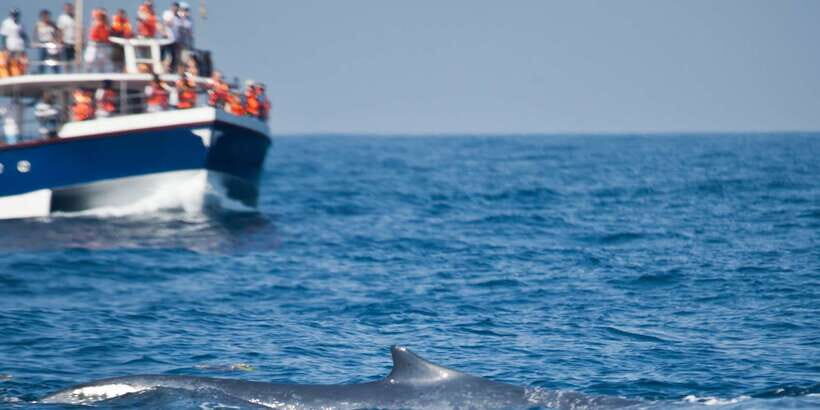
- Mirissa whale watching targets blue whales and humpbacks on the south coast between Galle and Matara
- Bentota River safari adds mangroves and surprises like crocodiles, lizards, and monkeys
- Galle Fort is guided on foot, plus you’ll stop at lighthouse and local craft spots
- Sea turtle conservation and spice garden give you context for what you’re seeing
- Hikkaduwa marine area includes beach + coral viewing (often via glass-bottom boat time)
The big idea: wildlife and culture in a tight 2 days
This tour works because it doesn’t treat Sri Lanka like a checklist. You get a sequence of different “worlds” in a short time: ocean whales off Mirissa, mangrove wildlife along the Bentota River, and a UNESCO-listed fort town in Galle. It’s a lot, but it’s the kind of lot that stays interesting.
In practice, it means you’re not hoping for one perfect moment. Even when ocean conditions or whale sightings don’t go as dramatically as you hoped, the day still includes land and river wildlife, turtle conservation work, and classic south-coast stops. That balance is a big part of why the experience scores well.
The group stays small (limited to 10), and you’ll have a live guide in English or German. Small-group matters here because it helps you move through busy places without everyone feeling lost in the shuffle.
You can also read our reviews of more tours and experiences in Colombo.
Day 1: Colombo to Mirissa via Bentota River, Galle Fort, turtles, and beaches
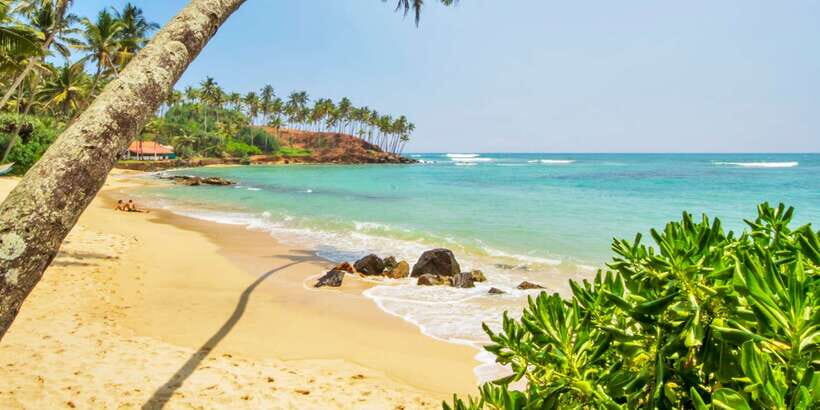
Day 1 is all about setting the stage and getting you into southern Sri Lanka mode quickly. You’ll start with hotel pickup (including Colombo, Kalutara, Bentota, and Galle areas, depending on where you’re staying), then head out toward the coast.
Bentota Beach and the coast route with historical context
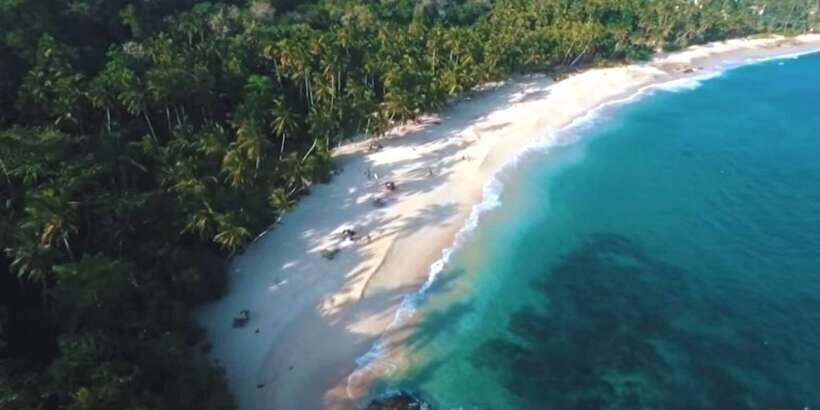
Bentota Beach gets treated like more than a free-time stop. On the drive in, you’ll also get a guided look at the wider Galle coast area, which is useful because Galle isn’t just pretty—it’s historically layered. This region has ties to the Portuguese and the Dutch, and that shows up in the architecture and fortifications you’ll see later in the day.
If you like understanding where places come from, this “context first” approach helps your second stop (Galle Fort) land harder.
Galle Fort: the guided walk that makes the stones make sense
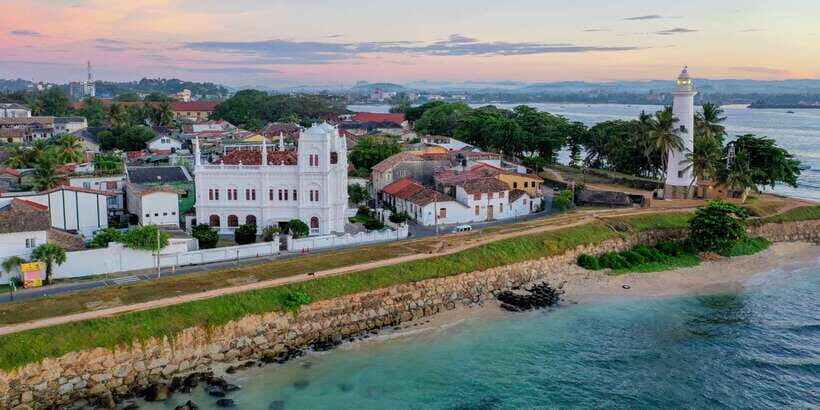
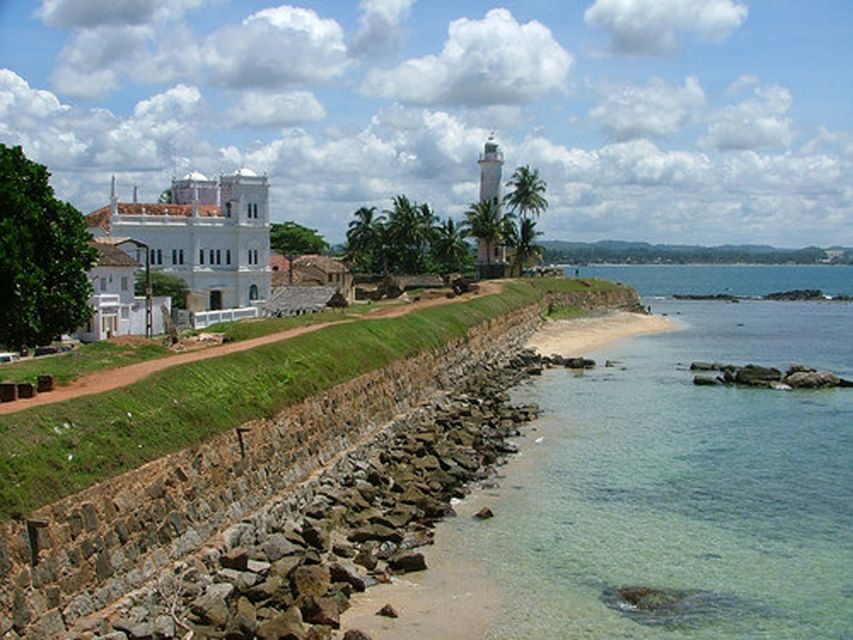
Galle Fort is a World Heritage Site, and the tour includes a guided walking tour through the fort area. That’s important. The fort can feel like walls and alleys from the outside, but with a guide you’ll understand why the Portuguese and Dutch shaped this seaport, and how that history still affects what you see on the streets today.
During the city and fort stops, you’ll also encounter points like:
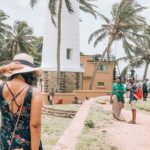
- the Galle lighthouse area
- Kande Vihara (a temple stop)
- handicraft and mask carving centers
There’s a gentle mix here: culture and craft without turning into a shopping marathon. It’s the kind of stop where you can choose how long you linger, especially if your guide gives you options.
Sea turtle conservation center and a spice garden in Bentota
After Galle, the day shifts from stone walls to conservation and everyday Sri Lankan flavors.
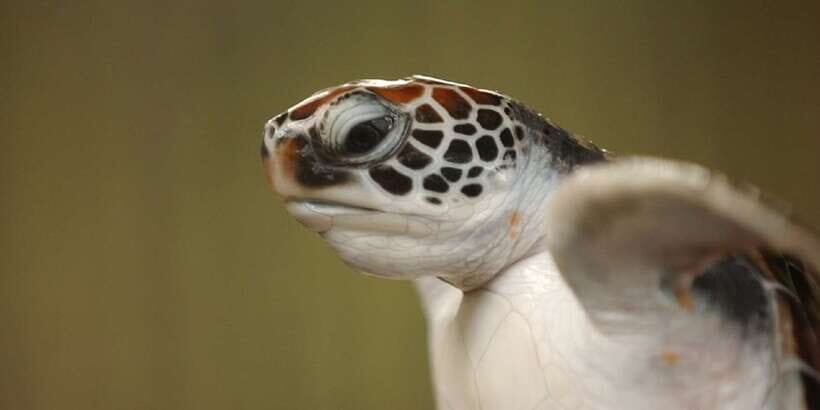
You’ll visit a sea turtle conservation center and also go to a spice garden. The turtle stop helps you connect the dots between wildlife and protection work. You’re not just spotting animals; you’re seeing how local efforts support them.
The spice garden works the same way, but through taste and daily life: you’ll learn about spices and herbs grown for Sri Lankan cuisine and medication. If you’re the type who buys souvenirs, this is where it’s worth paying attention—you’ll be buying with context instead of random jars.


River safari on the Bentota River: mangroves and close-range wildlife
Then comes the part that often feels like the day’s secret weapon: a slow boat ride searching for wildlife along the Bentota River, including crocodiles, giant lizards, and monkeys.
The standout here is the setting. Mangrove waterways feel different from open ocean. Even when you don’t see something big immediately, you’re moving through a living system. That’s also why this stop makes the whale watch feel less like a gamble. You’re stacking wildlife chances.
One practical note: there’s a river safari boat charge not included (USD 25 per person). So factor that into your total budget before you fall in love with the idea of doing everything.
Hikkaduwa Beach (and coral time in the marine sanctuary area)
You’ll finish Day 1 at Hikkaduwa Beach, with time in the Hikkaduwa marine sanctuary area. The tour overview also mentions coral and exotic fish viewing via a glass-bottom boat trip—this is the kind of add-on that turns “beach time” into something you can remember on a weather-whether-you-like-it day.
If you like water-level views (and not just looking at the shoreline), this is worth your full attention. The glass-bottom segment is also a good backup to ocean conditions on Day 2.
Overnight in Mirissa
You sleep in Mirissa at a 3-star-compatible hotel with breakfast and dinner. This is one of those details that matters in real life: you’re tired after a full day of driving plus stops, so having dinner already lined up is a convenience.
One caution from past experiences: hotel rooms and ventilation can vary. If you’re sensitive to smell or humidity, ask about room conditions when you check in (and don’t be shy about requesting an alternative room if something feels off).
Day 2: Mirissa whale watching, blue whale odds, and what you’re actually looking for
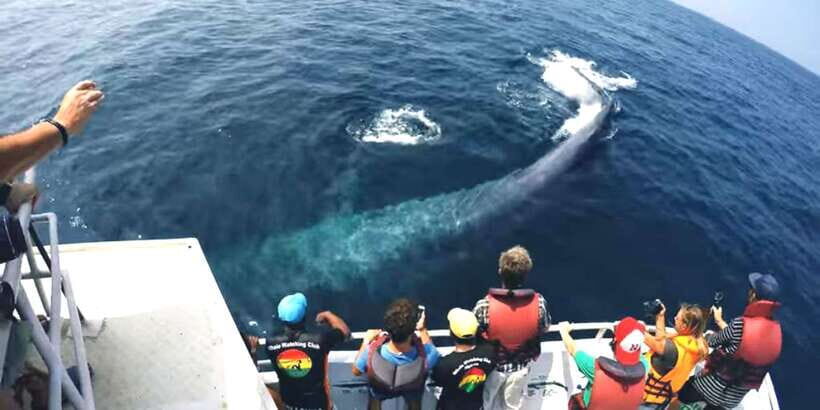
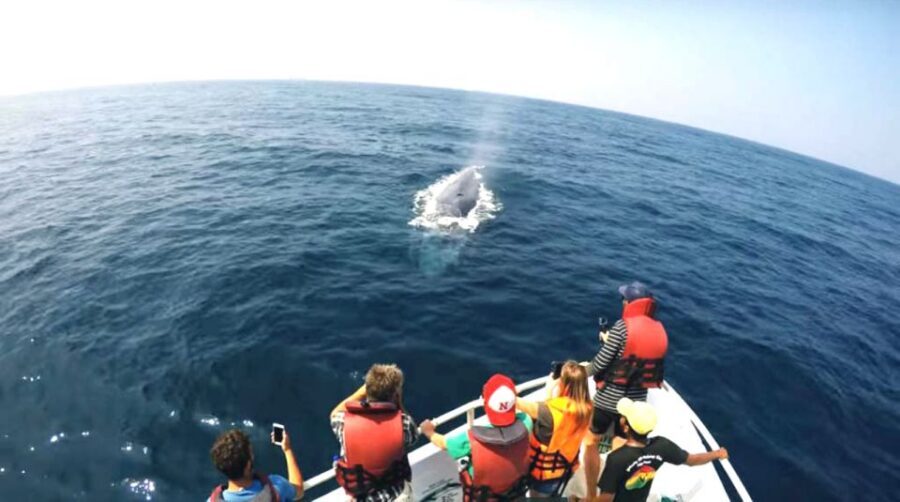
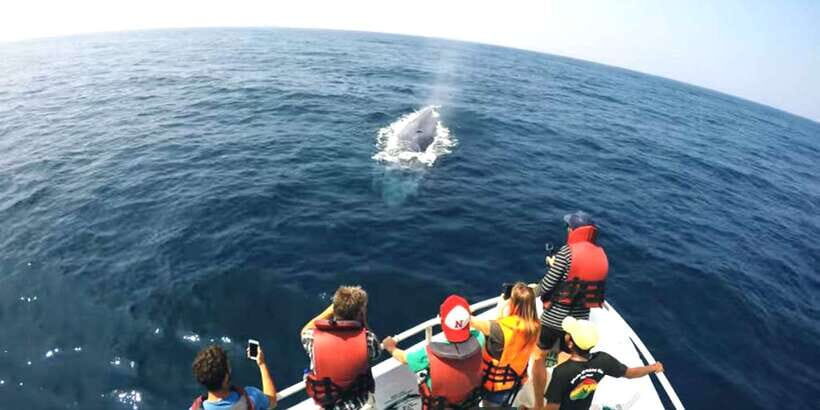
Day 2 is whale watching, starting from Mirissa. The tour focuses on the sea off Mirissa between Galle and Matara, one of the most reliable zones in the world to see endangered blue whales.
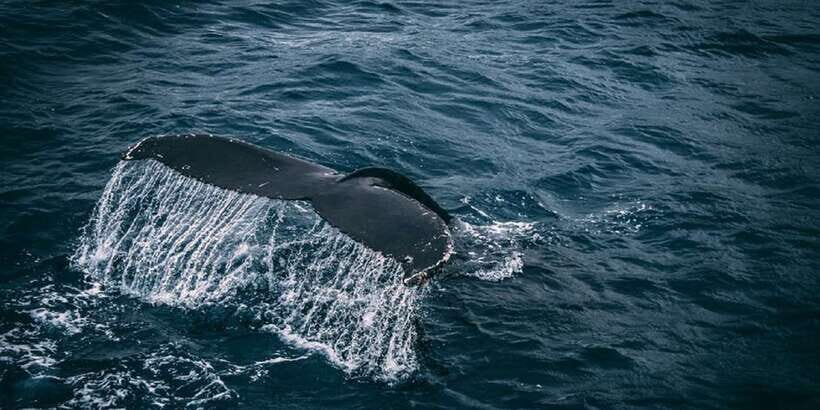
The main behavior you’ll hear about for this area is lunge-feeding humpback whales and blue whales. You may also see humpbacks cooperate with bubble nets—huge circular feeding nets made by bubbles—to trap prey and then launch forward with open mouths.
Even if you’ve never seen this before, the key is to watch for patterns:
- whales working together (more than one in the same zone)
- sudden feeding activity and repeated lunges
- movement that looks coordinated with where the birds and floating debris are gathering
The tour includes the whale-watching experience itself, but the whale watching boat charge is not included (USD 50 per person). So your true whale-watching budget is the tour price plus this extra.
If the sea is choppy: plan like a local
This is the drawback I’d take seriously. The ocean can be rough, and if you get motion sickness easily, the boat ride can feel like the whole trip’s main problem.
Your best move:
- bring your usual motion-sickness remedy
- eat lightly beforehand
- sit where you feel the least motion (your crew may help you position)
The tour is still a great value for wildlife lovers, but the experience only feels great if you can comfortably ride out the waves.
Galle Fort and the craft stops: why the cultural part isn’t filler
Some tours bolt on a few cultural stops like decorative stickers. This one feels more like a guided story you can walk through.
In Galle Fort, the guided component turns the area into something you can orient yourself in fast: where to look, what the main fort lines do, and how local crafts fit into daily life today. Stops like the mask museum and mask carving centers add a practical reminder that Sri Lanka’s visual culture has real roots—not just “tourist art.”
And if you’re visiting in the first day’s heat, the guide’s pacing can make a difference. One past participant described the flexibility—choosing how time gets spent when there isn’t enough time for everything.
Bentota River safari + mangroves: the wildlife that feels different from the ocean
The Bentota River cruise is valuable because it changes your wildlife lens. In the ocean you’re chasing big, open-sea moments. In mangroves you’re watching a more intimate ecosystem where animals share space and the setting matters.
You’re searching for crocodiles, giant lizards, and monkeys in a slow-moving environment. That pacing is also calmer on your body than constant drives and long walks, which helps if you’re ready for one big day tomorrow.
And since the river boat charge isn’t included (USD 25 per person), it’s another item to add early so you don’t get surprised at the end.
Who the guide approach works best for
This tour is set up for people who like their days organized but not rigid. You get a live guide (English or German), and pickup is arranged from multiple southern-city areas.
One guide name you might hear is Sanjeewa Padmal. In at least one account, he was praised as professional, highly communicative in English, and focused on safe driving in an air-conditioned vehicle. The best part of that kind of guiding is simple: you get explanations along the road, and you’re not just being transported between stops.
Small group size (up to 10) also helps reduce the “everyone rushing, nobody learning” problem. You can ask questions and get answers without fighting the noise.
Price and value: what you’re really paying for
The published price is $292 per person for 2 days. That includes:
- one night in Mirissa with breakfast and dinner
- guided walking tour of Galle Fort
- guided mask museum tour
- guided sea turtle conservation center visit
- guided Buddhist temple visit
- Bentota and Unawatuna beach time
- spice garden
- Hikkaduwa marine sanctuary
What’s not included is where the budget can shift:
- whale watching boat charge: USD 50 per person
- river safari boat charge: USD 25 per person
- personal expenses (drinks and snacks)
So if you plan to do both boat activities, your whale + river charges add USD 75 per person on top of the base price. That pushes the all-in cost to roughly $367 per person before personal spending.
Is that worth it? For many people, yes—because you’re not only buying a whale trip. You’re buying a two-day package that strings together multiple guided experiences, dinner and breakfast, and several “anchor stops” (Galle Fort and turtle/spice visits) that would cost you time and money to piece together yourself.
Practicalities: timing, weather, and what to bring
You’ll need a passport. The tour also mentions free cancellation up to 24 hours in advance for a full refund, which can take some stress off if you’re watching the weather.
On the practical side, build your expectations around a packed schedule. Day 1 is driving plus multiple sites plus a river cruise. Day 2 is boat time plus whale watching.
If you need long breaks or quiet time, you might find yourself choosing what to prioritize. One participant even skipped the Buddha temple stop to swim, showing that the day can be adjusted depending on your preferences and your guide’s time management.
Should you book this 2-day whale watching tour?
Book it if:
- you want a shot at blue whales from Mirissa, not just generic beach time
- you like structured days with guided Galle Fort and conservation stops
- you want multiple wildlife moments, including Bentota River instead of gambling everything on whale sightings
- you’re okay with boat time and plan for possible sea motion
Skip or think twice if:
- you get motion sickness easily and you don’t have a plan for it
- you prefer slow travel with lots of free time (this itinerary is active)
- you’re counting on hotel quality to be ultra-consistent—rooms can vary, so be prepared to ask for a better setup if needed
If you match the vibe—wildlife plus culture, in two compact days—this is a strong value way to experience southern Sri Lanka. Just budget for the boat charges, take motion sickness seriously, and go in ready for a day that moves.
FAQ
Where is the tour located?
The tour takes place along southern Sri Lanka, with pickup from areas including Colombo, Kalutara, Bentota, and Galle, and it centers on Mirissa for whale watching and Kotapola in the tour’s location details.
How long is the tour?
It’s a 2-day tour.
How much does it cost?
The price is $292 per person.
What whale and wildlife experiences are included?
You’ll do a whale-watching tour from Mirissa and also have a river safari along the Bentota River where you search for wildlife such as crocodiles, giant lizards, and monkeys.
Is Galle Fort included?
Yes. You get a guided walking tour of Galle Fort, a World Heritage Site.
Do you visit temples and the Buddha statue?
Yes. The tour includes a guided visit to a Buddhist temple, and the highlights mention seeing the biggest meditating Buddha statue on the west coast of Sri Lanka.
Do you see sea turtles and spices?
Yes. You’ll visit a sea turtle conservation centre and a spice garden.
Is Hikkaduwa included and do you see coral?
Yes. The plan includes Hikkaduwa marine sanctuary and Hikkaduwa Beach, and the overview mentions coral and exotic fish viewing from a glass-bottom boat trip.
What isn’t included in the price?
Boat charges are not included: river safari boat charge is USD 25 per person, and whale watching boat charge is USD 50 per person. Personal expenses like drinks and snacks are also not included.
What should I bring, and do children get discounts?
You’ll need a passport. The tour is free for children under 3 years old, and children aged 3–12 years get a 50% discount.
![07 Days Tour [Tour Plan 01] - Your day schedule: living with 8–10 hours of driving](https://m.exploringsrilanka.com/wp-content/uploads/07-days-tour-tour-plan-01-400x266.jpg)