If you’ve ever wanted to cook Sri Lankan food the way locals do, this is a good place to start. You’re invited into a family kitchen just outside Kandy for a hands-on workshop where you pick ingredients, cook from scratch, and eat what you make. I like the personal pace and the chance to learn practical techniques you can actually repeat later.
Two things I really liked were learning how to work with coconut milk and watching the family guide the steps with real clarity, like explaining rice and daal alongside vegetable curries. One possible drawback: you’re doing the cooking yourself, so if you want a mostly “watch and taste” experience, this may feel a bit hands-on.
This kind of class works best when you’re curious, okay with getting a little kitchen-active, and ready to ask questions. Also, with a start in Kandy City Centre and a 3.5-hour session, it’s a good fit for a half-day plan without feeling rushed.
In This Review
- Key highlights at a village kitchen near Kandy
- A village-family kitchen experience in Kandy that feels personal
- Tea, choosing ingredients, then cooking your own lunch or dinner
- Getting coconut milk right is the skill that pays off later
- Rice, daal, and vegetable curries: learning the building blocks
- What the guided cooking time feels like (3 hours 30 minutes)
- Pickup from Kandy City Centre: convenient, but don’t assume extra transport
- Lunch or dinner included means you won’t leave hungry
- Price and value: $30 for hands-on skills you can repeat
- Who this cooking class is best for
- Weather matters for a good experience
- FAQ
- FAQ
- How long is the Cooking With Village Family cooking workshop?
- What’s included in the price?
- Is pickup offered, and where does the tour start?
- Is this a private tour?
- What’s the cancellation policy if plans change?
- Does it require good weather?
- Should you book Cooking With Village Family in Kandy?
Key highlights at a village kitchen near Kandy
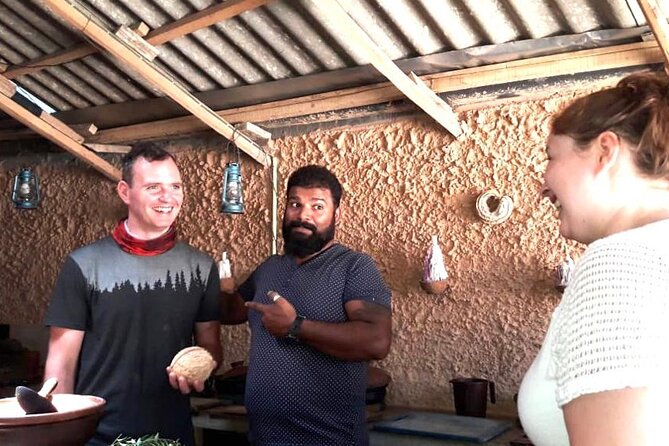
- Private, family-run workshop with a personalized flow and only your group
- Tea or coffee on arrival, plus bottled water during the experience
- Ingredient picking so you can shape what you cook as lunch or dinner
- Hands-on cooking from scratch, not just a demo
- Learning staples like coconut milk, rice, daal, and vegetable curry from real home cooks
A village-family kitchen experience in Kandy that feels personal
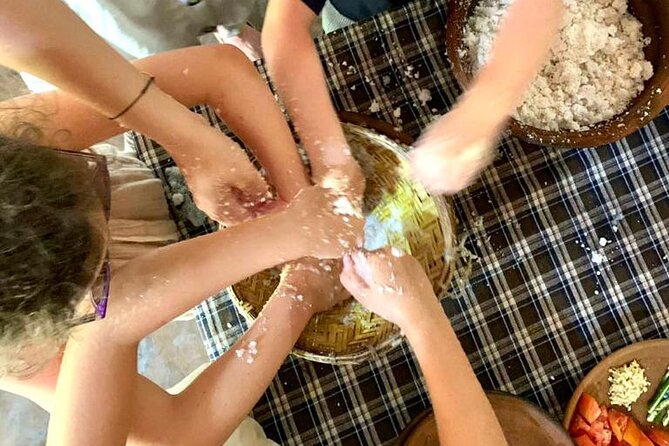
This workshop isn’t about standing in a line and following a script. It’s hosted by a local family, so the experience runs at a human pace, and you get attention while you cook. If you’ve done big-group food tours before, this one feels more like being invited to a home meal where you help make it.
What makes it especially appealing is that it’s built around skills, not just the final plate. You start with a welcome drink, then you choose what you want to make, and the chef guides you step by step. That structure makes it easier to recreate the flavor later, since you’re learning the “why” behind the steps, not just the “what.”
You can also read our reviews of more tours and experiences in Kandy.


Tea, choosing ingredients, then cooking your own lunch or dinner
The session starts with a cup of tea or coffee, a simple welcome that sets a relaxed tone right away. After that, you choose ingredients for the meal you want to cook, either lunch or dinner. From there, you’re not watching from the side—you’re cooking.
That ingredient-choice part matters. It turns the class from a fixed menu into something more flexible for your tastes and comfort level. You can often make choices that fit your hunger that day, your spice comfort, or your preference for vegetable-forward dishes.
Once you select what you want, the chef explains how to prepare core components and how to put everything together. One real example from a prior participant’s note: they learned techniques for coconut milk, rice, daal, and multiple vegetable curries with the help of the family’s matriarch, Nandi. Even if your exact menu differs, that gives you a clear sense of what the workshop teaches.
Getting coconut milk right is the skill that pays off later
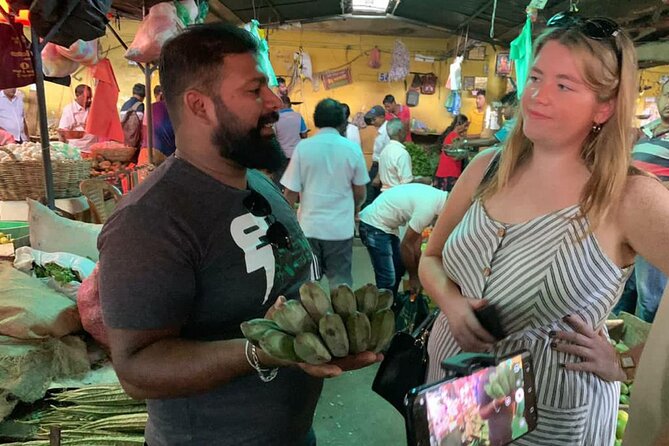
If you want one takeaway from this class, make it coconut milk. It’s foundational in a lot of Sri Lankan cooking, and the workshop treats it as a technique, not a mystery ingredient.
In a home-style setting, you usually learn more than the final flavor. You learn how to think about proportions, texture, and how coconut milk connects to the rest of the dish. The workshop also explains what you need and how to handle the steps so your curries don’t end up bland or off-balance at home.
When the instructions are tailored to what you’re cooking, it sticks. Later, when you’re making your own Sri Lankan-style meal elsewhere, you won’t just have a recipe—you’ll understand how the coconut milk fits into the bigger system of flavors.
Rice, daal, and vegetable curries: learning the building blocks
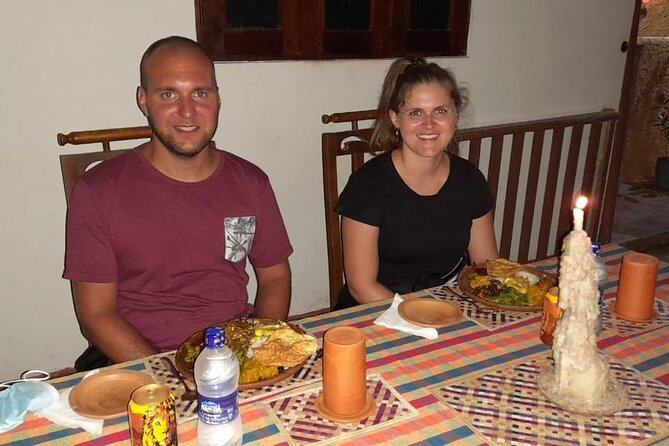
A good Sri Lankan meal often depends on a few key elements working together. This workshop focuses on those core building blocks, so your cooking practice becomes more than one dish.
The chef’s guidance covers rice and daal, plus vegetable curries that round out the plate. That matters because these aren’t “garnish” items in Sri Lankan meals. They’re part of the structure—what you spoon together, what you balance with sauce, and what makes the meal feel complete.
You’ll be assembling and cooking as you go, with the chef explaining the process along the way. In a family kitchen, the rhythm tends to be practical: you do, you ask, you adjust, and you taste while learning.
What the guided cooking time feels like (3 hours 30 minutes)
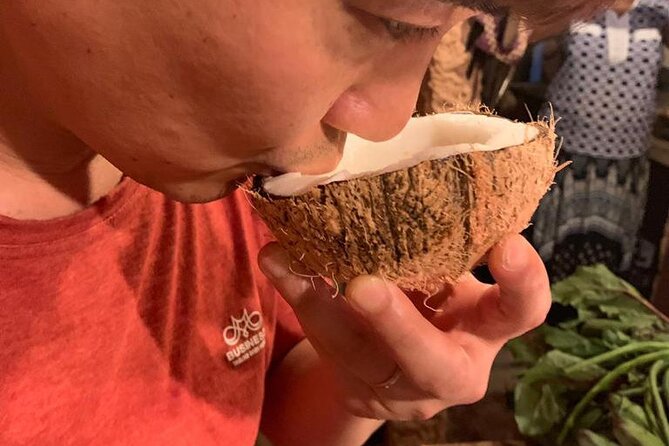
The whole experience runs about 3 hours 30 minutes, which is long enough to cook in a real way, but short enough to fit into a day without taking over your schedule.
You also shouldn’t expect this to feel like a quick “class.” It’s closer to making a real lunch or dinner with coaching. That’s part of the charm: you finish with food that you cooked yourself, and the knowledge feels earned.
Because it’s described as private, the timing also tends to stay smoother for your group. You’re not stuck waiting while others catch up, and you can ask questions without feeling like you’re competing for attention.





Pickup from Kandy City Centre: convenient, but don’t assume extra transport
You can start from Kandy City Centre, and pickup is offered. That’s a plus if you don’t want to coordinate a separate ride just to get to a village kitchen.
Still, private transportation is listed as not included. So the safest way to think about logistics is: expect the provided pickup/meeting setup, but don’t plan on add-on private car service beyond that. If you’re combining the class with other plans, give yourself some buffer time around the start and end.
Also note that it’s near public transportation. That’s helpful if you’re staying somewhere that makes bus or tuk-tuk access easy.
Lunch or dinner included means you won’t leave hungry
The experience includes bottled water and a welcome tea or coffee. It also includes lunch and dinner in the listing of what’s provided, and the workshop description frames the cooking as preparing your own bespoke meal for lunch or dinner.
The practical point for you: you’re not paying for instruction only. You finish by eating what you cook. That makes the experience feel like real value, not like a paid demo with a small taste.
And because you choose ingredients, the meal should match what you selected at the start. That makes the lunch or dinner part feel more satisfying, since you’re eating your own work, not a random set menu.
Price and value: $30 for hands-on skills you can repeat
At $30 per person for roughly 3.5 hours, this can be a strong value if your goal is learning cooking you’ll use again.
Here’s why it feels like good value: the time is long enough for you to actively cook, and the experience includes drinks and a meal. You’re also getting private, family-led instruction, which is usually more expensive than group-style cooking events.
One more practical value point: this type of class can save money later. When you can cook even a few signature Sri Lankan dishes from scratch, you’re not stuck buying takeout or relying on restaurants that may not match your spice preferences back home.
A small consideration: because it’s hands-on and hosted in a village-style setting, it’s not the right fit if you want polished “restaurant elegance.” It’s about learning real cooking habits.
Who this cooking class is best for
This is a great fit if you:
- Want real instruction instead of just watching
- Like learning ingredient technique, especially coconut milk
- Prefer a small, personal experience in a family setting
- Are okay cooking from scratch for your group
It’s also a good match for people who enjoy food as a way to understand culture. Sri Lankan cuisine has layers, and cooking the building blocks—rice, daal, vegetable curries—helps you see how flavors work together.
If you’re traveling with limited kitchen interest, this might feel more effort than reward. But if you love food enough to get a little involved, you’ll likely come away with both confidence and a memorable meal.
Weather matters for a good experience
The workshop requires good weather. If poor weather forces a cancellation, you’ll be offered a different date or a full refund. That means it’s smart to plan this earlier in your stay, when you have flexibility to switch days if needed.
FAQ
FAQ
How long is the Cooking With Village Family cooking workshop?
It runs for about 3 hours 30 minutes.
What’s included in the price?
The experience includes lunch, dinner, coffee and/or tea, and bottled water. Alcoholic beverages and private transportation are not included.
Is pickup offered, and where does the tour start?
Pickup is offered, and the start point is Kandy City Centre, Kandy, Sri Lanka. The activity ends back at the meeting point.
Is this a private tour?
Yes. It’s described as a private tour/activity, so only your group will participate.
What’s the cancellation policy if plans change?
Cancellation is free up to 24 hours in advance for a full refund. If you cancel less than 24 hours before the start time, the amount paid is not refunded.
Does it require good weather?
Yes. The experience requires good weather. If it’s canceled due to poor weather, you’ll be offered a different date or a full refund.
Should you book Cooking With Village Family in Kandy?
If you want a meal you actually help cook, and you care about learning key Sri Lankan techniques like coconut milk, this is a solid booking. For $30, you get a longer hands-on session, family-led instruction, and food included, which makes it feel practical for most budgets.
Book it if you enjoy cooking, don’t mind getting involved, and want a village-style Kandy experience with real food knowledge. Skip it if you only want to watch, or if you need a schedule that can’t handle a good-weather requirement.