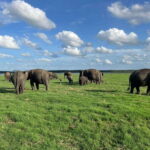
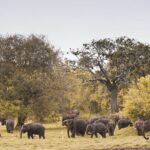
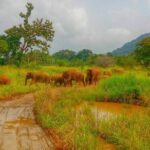
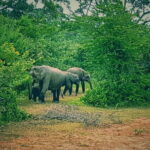
Elephants on the move is the point of this trip. You’ll get wild elephant gathering chances in Hurulu Eco Park, plus a door-to-door jeep safari that makes it easy from Sigiriya or Habarana without stitching together transport yourself. If you care about wildlife sightings and respectful animal viewing, this is the kind of outing that fits your day.
One thing to plan around: park entrance fees aren’t included, so your real cost can be a bit higher once you factor in what the day’s park access requires.
In This Review
- Key highlights I’d prioritize
- Hurulu Eco Park Elephant Jeep Safari: What Makes It a Good Value
- Pickup Around Sigiriya and Habarana: Door-to-Door Convenience
- The Short Drive In: Settling Into the Safari Day
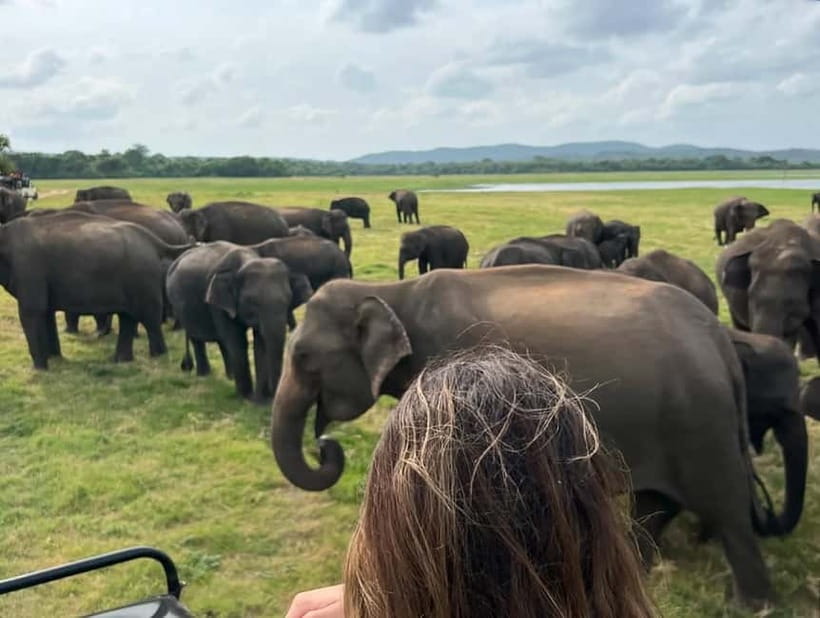
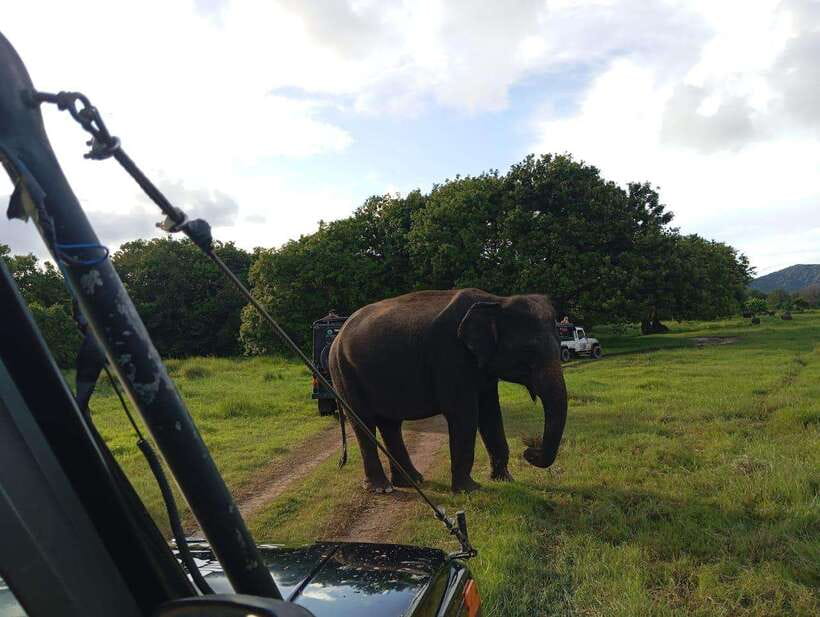
- Inside Hurulu Eco Park: Elephant Gathering Is the Main Event
- How the Guide Works: Forest Trails, Open Areas, and Smart Positioning
- Photo Opportunities and Viewpoints: Getting Good Shots Without Rushing
- Timing and Duration: Why 3.5 Hours Works Well
- What’s Included, What’s Not, and the Extra Budget Reality
- Comfort and Practical Tips for a Jeep Safari Day
- Who This Safari Fits Best (and Who Might Be Happier Elsewhere)
- Should You Book This Hurulu Eco Park Elephant Jeep Safari?
Key highlights I’d prioritize
- Elephant gathering focus in Hurulu Eco Park, not a random drive that you hope goes well
- Hotel pickup and drop-off in the Sigiriya/Habarana area to reduce logistics stress
- Wildlife and birdwatching stops that make the safari feel more like a full nature outing
- Photo opportunities at worthwhile viewpoints instead of just passing locations
- Expert jeep driver-guide guiding you along forest trails and open areas smoothly
Hurulu Eco Park Elephant Jeep Safari: What Makes It a Good Value
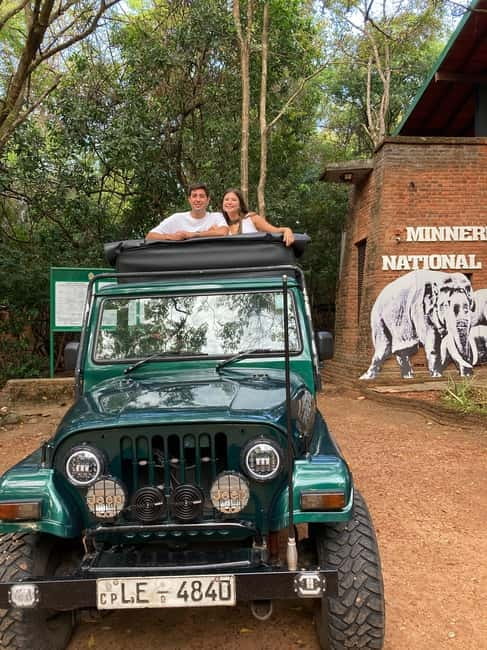
At $28 per person for a half-day outing, the real question is: do you actually get enough time in the park to make elephant sightings likely? This safari is built around that goal. You’re not just paying for a vehicle ride; you’re paying for a driver-guide route plan, time inside Hurulu Eco Park, and stops designed for wildlife viewing.
The inclusion list is also practical. You get bottle water, an English/Sinhala speaking driver-guide, and the structure of a guided jeep safari rather than a free-for-all. For many people staying around Sigiriya or Habarana, the time saved is big. When you’re traveling in Sri Lanka and you have limited daylight, removing the hassle of transport can be worth real money.
The other value angle is how the safari is paced. One of the strongest takeaways from feedback is that the guide tries to show elephants without disturbing them. That matters, because aggressive or rushed driving doesn’t just risk your experience, it’s also the opposite of what most of us want when we’re watching wild animals.
You can also read our reviews of more tours and experiences in Anuradhapura.


Pickup Around Sigiriya and Habarana: Door-to-Door Convenience
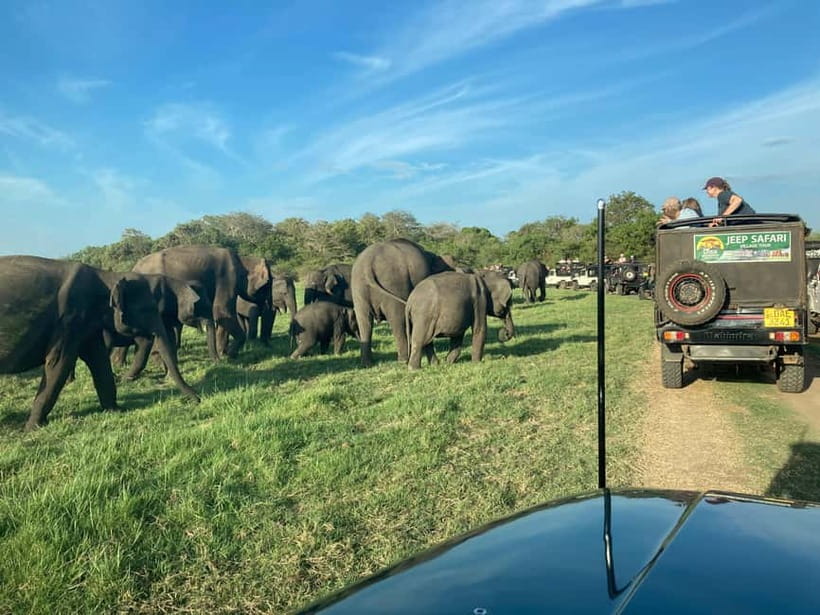
The trip is set up for hotel pickup and drop-off in the Minneriya/Habarana/Sigiriya area. That means you can plan your day without hiring extra tuk-tuks or figuring out park logistics on your own.
Your pickup options include:
Pidurangala, Sigiriya, Kimbissa, Sigiriya Lion Rock, Habarana, and Inamaluwa.
That list matters because it matches the way people actually travel. Many hotels are near Lion Rock (or in the wider Sigiriya zone), while others are clustered around Habarana. You get a real chance of being close to one of the pickup points.
Also, this is a private group setup. Private doesn’t mean you’ll be alone with the driver, but it does usually mean you can move at a schedule that’s less rigid than a crowded join-in option. You also tend to get better communication when someone is focused on your group.
The Short Drive In: Settling Into the Safari Day
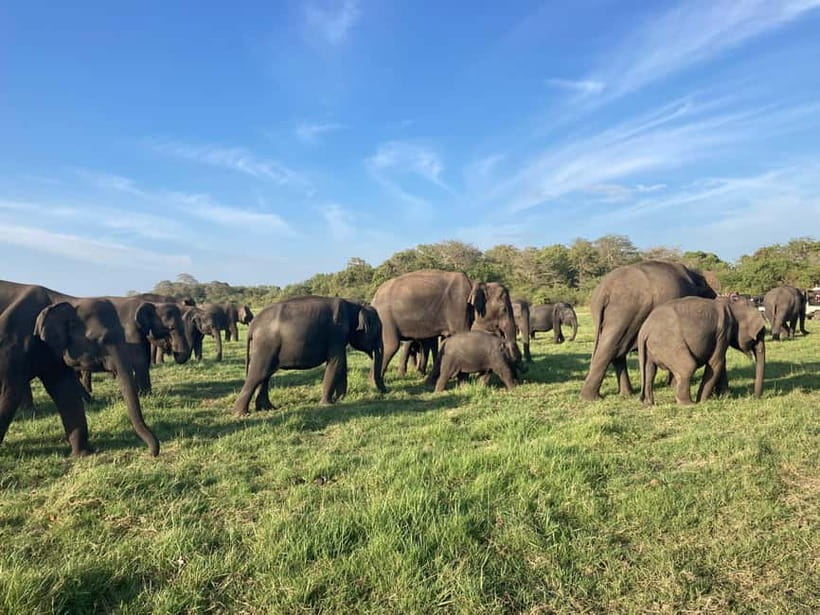
After pickup, there’s a drive portion that typically takes about 20 minutes before you reach the park area. Even if that doesn’t sound long, it’s enough time to get situated: water in hand, camera ready, hat/sunscreen sorted, and everyone mentally switched from travel mode to wildlife mode.
This is also the part where expectations get calibrated. You’ll pass through quieter rural surroundings—farmlands and village roads—before you get into the more active park setting. That transition is useful. It gets you into the rhythm of scanning for movement and listening for birds before the jeeps start moving through the trails where animals appear.
Inside Hurulu Eco Park: Elephant Gathering Is the Main Event
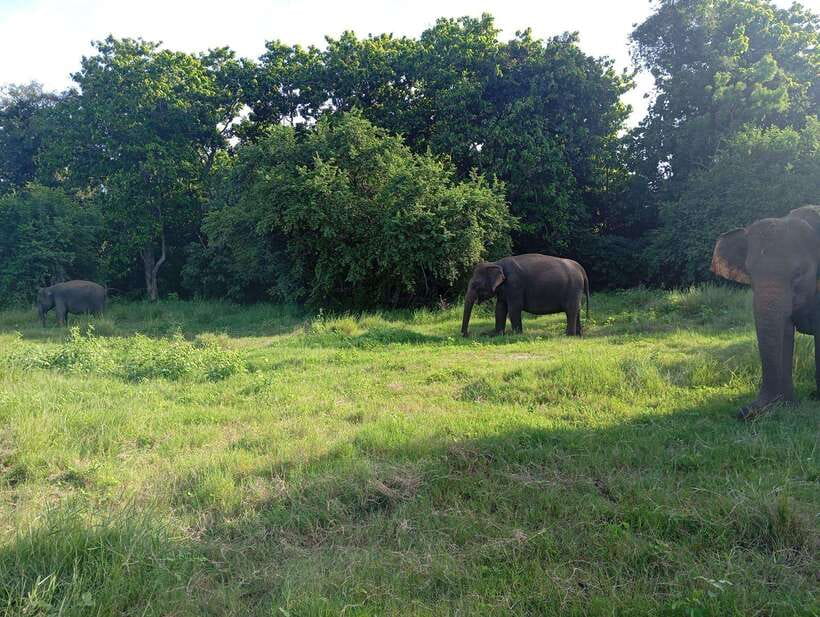
Hurulu Eco Park is where the safari earns its name. The time you spend inside is the heart of the outing, with the guided jeep portion covering roughly 3.5 hours (and the overall experience coming out around a half-day).
What you’re specifically aiming for is an elephant gathering. This matters because Sri Lankan wildlife viewing isn’t always guaranteed on demand. An area known for gatherings gives you more realistic odds than a random search.
In the same zone, you’ll also have chances to see other animals and birds. Depending on where you’re guided and what’s moving that day, you might spot:
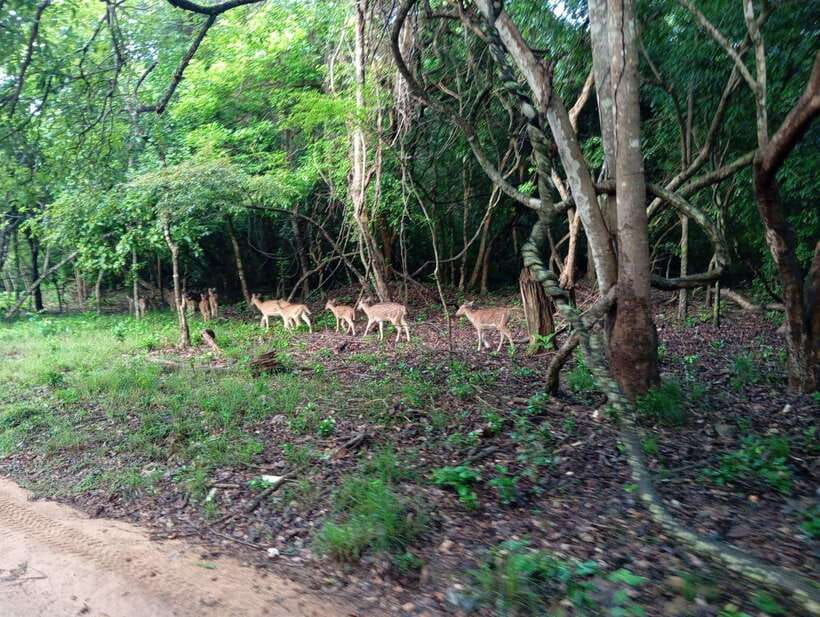
deer, monkeys, peacocks, and eagles, plus other bird species.
Here’s the practical point: the safari isn’t “one animal only.” Even if elephants aren’t visible in a particular stretch, you’re still moving through habitats where birds and smaller wildlife show up. That keeps the safari from feeling like waiting for one outcome.
One detail I really like is the emphasis on viewing without touching animals. You’re not there to approach for a selfie or shove closer for a better angle. The best sightings usually come from patience and the guide’s ability to position the jeep responsibly.
How the Guide Works: Forest Trails, Open Areas, and Smart Positioning
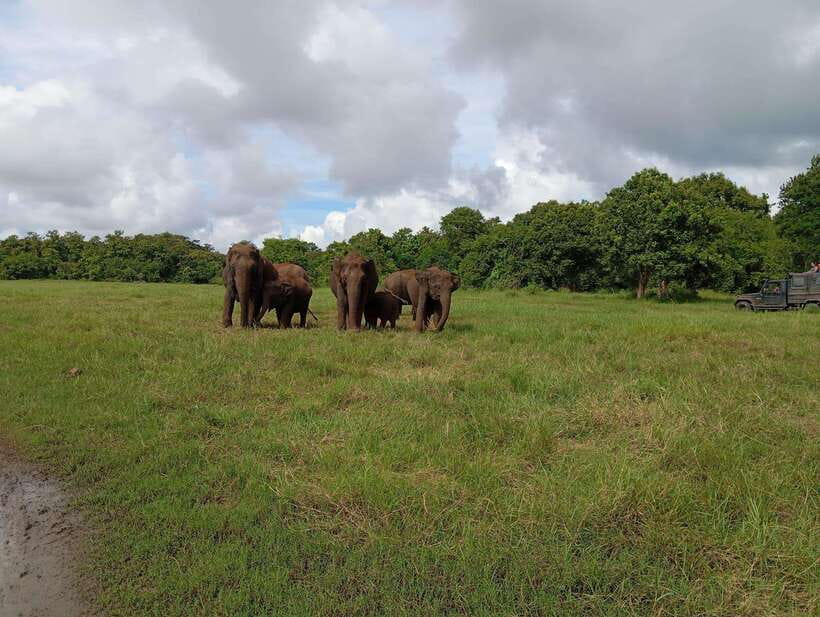
The driver-guide is a key part of why this safari can feel smooth instead of chaotic. The route involves a mix of forest trails and more open grassland and waterhole-style viewing areas. That mix is important because different wildlife uses different parts of the habitat.
You also get briefings on the safari route and what to look for. It’s not just driving; it’s interpretation. If you’ve ever been in a wildlife vehicle where everyone stares out the window but nobody knows what they’re seeing, you’ll appreciate the structure here.
A standout mentioned in feedback is a driver-guide named Prasad, praised for actively finding elephants and even navigating around safari traffic jams. That’s exactly the kind of skill you want on a day when vehicles are trying to reach the same sightings. If you’re given a guide like Prasad, the trip can feel less like luck and more like routing.



Photo Opportunities and Viewpoints: Getting Good Shots Without Rushing
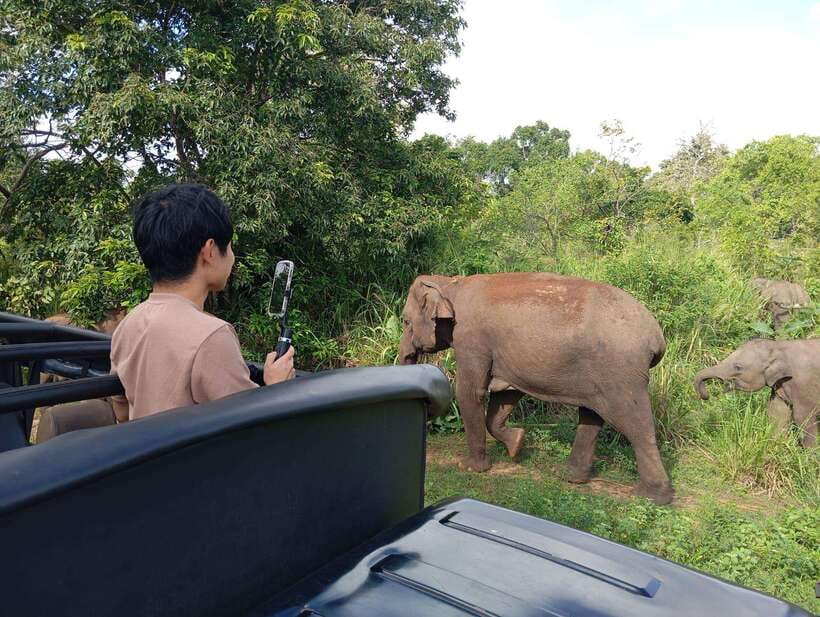
There’s a photo stop built into the experience, plus viewpoints during the safari for wildlife and scenery observation. This is one of those small inclusions that makes a difference. Wildlife spotting can happen quickly, and you don’t want to miss the moment because everyone is scrambling with cameras.
My advice is simple: treat camera time as part of the viewing, not an afterthought. Bring your camera ready at eye level, and keep your hat on so you can stay focused. If the jeep pulls up for a photo stop, it’s usually because the guide believes visibility is better there than in the moving sections.
If you’re photographing birds, keep in mind that peacocks and eagles aren’t always in frame at the same time as elephants. The guide’s job is to balance where you might get the best chance across species, so don’t be surprised if the jeep isn’t stationed everywhere equally for long.
Timing and Duration: Why 3.5 Hours Works Well
A 3.5-hour safari is long enough to feel like you actually entered the park and spent meaningful time scanning for animals. It’s also short enough to keep your day from turning into a full reset.
The itinerary structure includes:
- a pickup drive (~20 minutes),
- the Hurulu Eco Park safari portion (~3.5 hours),
- and a return drive (~20 minutes).
That pacing works well if you’re also doing Sigiriya sites, Minneriya area viewpoints, or other North Central Province plans. You get a wildlife experience without losing the whole day to transport and waiting.
What’s Included, What’s Not, and the Extra Budget Reality
Included:
- free hotel pickup and drop-off (Sigiriya/Habarana area only)
- bottle water
- jeep safari at Hurulu Eco Park
- expert driver-guide
- safari route briefing and wildlife guidance
- opportunity to see the elephant gathering
- birdwatching opportunities
Not included:
- Hurulu Eco Park Safari entrance fee
- entrance fees to Minneriya National Park (not included)
This last point can feel confusing because the safari name centers on Hurulu Eco Park. Still, the pricing note is clear: you should expect that park access fees may be paid separately at the time of entry. So if you’re comparing total costs across operators, don’t just compare the $28 headline rate.
Also, if you’re the kind of traveler who likes a fully itemized budget, carry a bit extra cash. You’ll want it for entrance fees so you don’t lose time at the gate.
Comfort and Practical Tips for a Jeep Safari Day
This is a jeep safari, so you’re dealing with sun, dust, and movement. The tour asks you to bring:
- a hat
- camera
- sunscreen
I’d add one more mindset: protect your time and energy so you can stay alert during spotting moments. When you’re sunburnt or squinting, it’s harder to pick out shapes at the edge of grassland or treeline.
Also, the trip notes that it’s not suitable for pregnant women. If that applies, you’ll want to look for a different style of nature outing with a safer pace and environment.
Finally, touching animals isn’t allowed. That’s not just a rule; it’s good wildlife etiquette. You’ll enjoy the experience more when you focus on observation and good distance.
Who This Safari Fits Best (and Who Might Be Happier Elsewhere)
This experience is a strong match if you:
- want a wildlife-focused half-day from the Sigiriya/Habarana base
- care specifically about elephant gathering chances
- like birds and mixed wildlife, not just one species
- prefer a guided jeep route with an experienced driver-guide
It’s especially good if you’re staying near Sigiriya or Habarana and you’d rather spend your time in the park than solving transport.
If you’re the type who needs total control over the schedule, you may feel slightly constrained by the nature of jeep safari timing and animal movement. But if your priority is sightings and you’re okay following the guide’s positioning, the structure is a benefit.
Should You Book This Hurulu Eco Park Elephant Jeep Safari?
If you’re choosing between a “maybe wildlife” option and a safari designed around elephant gatherings, I’d lean toward this. The price is reasonable for a guided jeep safari with hotel pickup, water, and birdwatching moments. The elephant focus plus the guide’s track record (including the named driver Prasad for elephant-finding and traffic handling) is the kind of combination that tends to deliver a memorable day.
Book it if:
- you’re staying around Sigiriya or Habarana and want pickup included
- you want the odds improved by going where elephants gather
- you’re happy to bring sun protection, keep your distance, and ride for wildlife viewing
Skip or reconsider if:
- you dislike handling separate entrance fees (since park fees are not included)
- you’re not comfortable with a jeep safari format
- you fall into the not-suitable-for-pregnancy category
If you like practical wildlife viewing, this is the sort of outing that turns a half-day into a story you’ll remember for a long time.