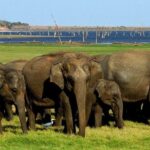
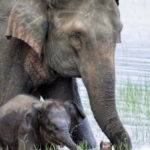
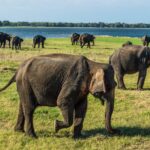
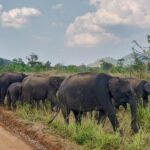
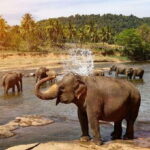
Elephants by the hundreds change your whole afternoon. I love the elephant gathering at Minneriya Tank and the chance to spot baby elephants with their mothers close by. One thing to plan for: the park entrance fee and food/drinks are not included, so your total cost ends up a bit higher than the base price.
You’ll start with a pickup from Sigiriya, Habarana, or Dambulla, ride out with a professional driver and an English-speaking wild driver guide, and come back the same way. This is a private-group safari, so you’re not stuck with a long, mixed schedule or random stops that slow things down.
The driving can feel rough in the best way, because you’re on a safari route; also, there are firm rules like no touching animals and no riding elephants. If you’re picky about space, you’ll be happy to hear some guides (like Prasad in one safari) are willing to respond to your preference for quieter viewing.
In This Review
- Key things that make this Minneriya jeep safari work
- The elephant gathering at Minneriya Tank: what you’re really timing for
- Jeep safari with a wild driver guide: spotting skills you can feel
- Pickup from Sigiriya, Habarana, or Dambulla: keeping the day simple
- How the 4-hour plan usually plays out (and why timing matters)
- Elephant gathering viewing: where to look once you’re in the action
- Baby elephants: the small details that make it memorable
- Bird watching in Minneriya: a bonus that deserves binoculars
- Other wildlife you might see: the “yes, but also…” factor
- Price and value: what $45 really means once you add the park fee
- Rules of the road with wildlife: what’s not allowed
- What the ride feels like: private group, private pace, private comfort
- Weather and park changes: when Minneriya isn’t the plan
- Who should book this safari (and who should think twice)
- Should you book this Sigiriya–Minneriya elephant jeep safari?
- FAQ
- Where are the pickup locations for this safari?
- Where can you be dropped off after the safari?
- How long is the elephant jeep safari?
- Is the park entrance fee included?
- What’s included in the price?
- Is food and drinks included?
- Is there an English guide during the safari?
- Is it allowed to touch the animals or ride elephants?
- What if I need to cancel?
Key things that make this Minneriya jeep safari work
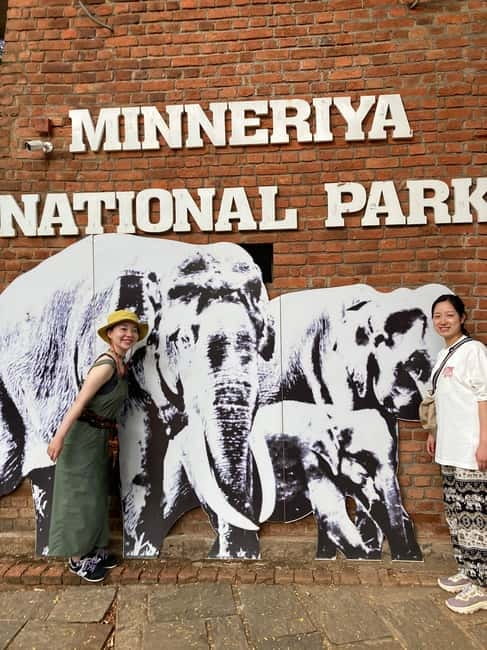
- Elephant gathering at Minneriya Tank: hundreds can show up in the dry season to drink, bathe, and socialize
- Baby-elephant sightings: look for the calves moving carefully, then suddenly acting like they’ve got springs in their legs
- Bird watching built in: you’ll have time to track birds such as painted storks, pelicans, and grey herons
- A wild driver guide, not just a driver: you get spotting help and wildlife/ecosystem context
- Free hotel pickup and drop-off: easier logistics from Sigiriya, Habarana, or Dambulla
- Private group experience: you can keep the pace and focus on what’s actually happening outside
The elephant gathering at Minneriya Tank: what you’re really timing for
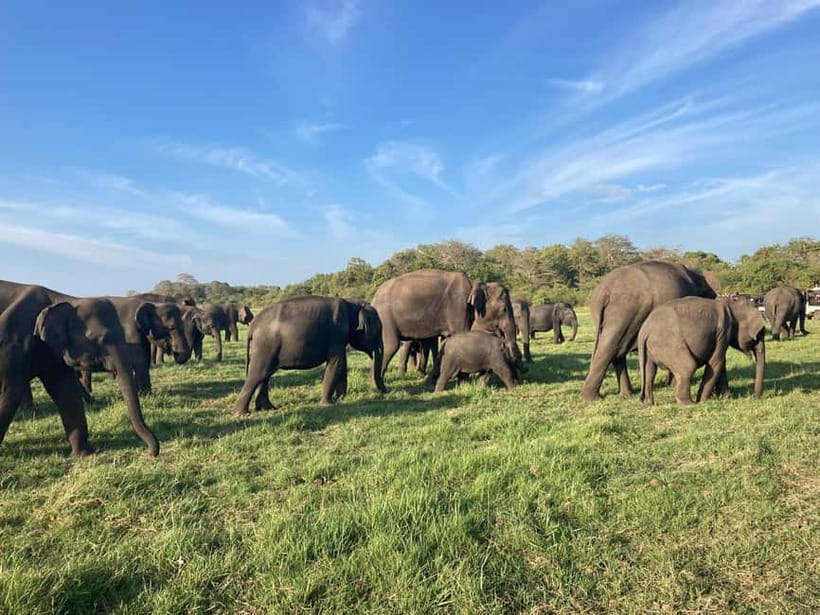
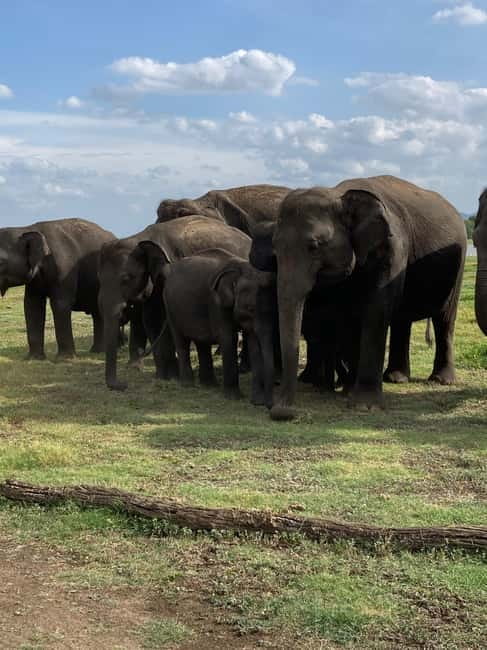
This safari is built around one of Sri Lanka’s most dramatic wildlife moments: the dry-season elephant gathering at Minneriya Tank. When water and food draw elephants in, you can see a whole social world unfold—adults moving like a slow parade, families filtering through, and groups settling down to drink and bathe.
I love that the experience isn’t only about spotting elephants from a distance. The point is what the elephants do once they arrive: the calm stretches, the splashing, the brief bursts of motion, and the way mothers manage their young around the movement of larger animals. If you’ve never watched a wild herd work through a shared space, it’s genuinely eye-opening.
Now, a practical note. This kind of event is weather and season dependent, and Minneriya can be busy in peak elephant days. Your guide’s job is to find the best viewing spots without turning it into a constant crowd chase.
You can also read our reviews of more tours and experiences in Sigiriya.
Jeep safari with a wild driver guide: spotting skills you can feel
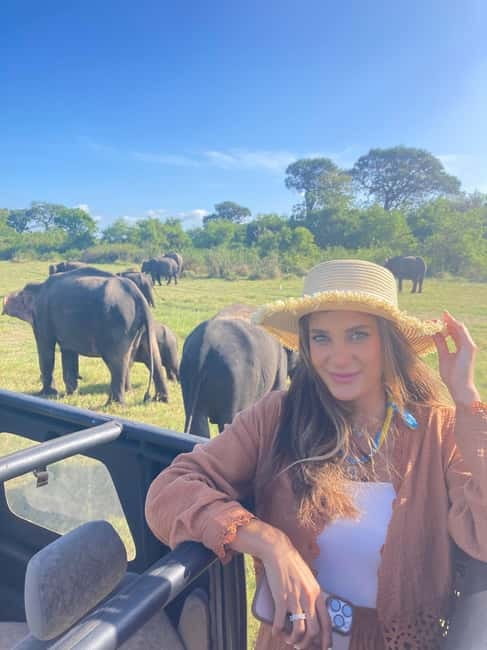
You’re not just paying for transport. The safari is led by a wild driver guide who knows how to read the park—where animals tend to show up, how the terrain affects movement, and how to position the jeep for better sightings.
That matters, because Minneriya isn’t a flat zoo. You’re moving over rugged ground, so the guide’s driving skill affects comfort and timing. The best guides also adjust on the fly: if elephants aren’t where you expected, they’ll pivot based on sign and activity.
In at least one safari, Prasad stood out for being focused on finding animals and for staying considerate of the elephants’ space. Another example from a different guide, Prabath, is credited with getting people close to the action while still doing the job properly. The theme is the same: good guiding means fewer wasted detours and more time watching what you came for.
English is the live guide language, so you can ask quick questions in plain language—what you’re seeing, why it’s happening, and what to watch next.
Pickup from Sigiriya, Habarana, or Dambulla: keeping the day simple
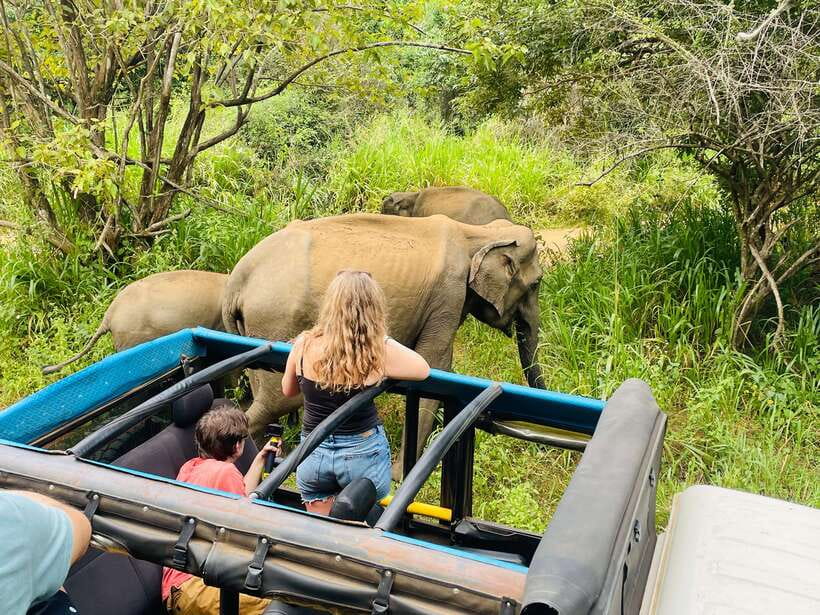
The logistics here are unusually straightforward for a wildlife safari. You can be picked up from Habarana, Dambulla, or Sigiriya, and you can be dropped off at those same options after the safari.
The total duration is 4 hours, so this is a half-day plan, not an all-day grind. That’s a big deal if you’re already doing Sigiriya-area sights and don’t want to lose a whole day to traffic and waiting.
A small but important comfort detail: bottle water is included. In Sri Lanka heat, even a few hours outdoors can feel longer if you’re not thinking about hydration.
How the 4-hour plan usually plays out (and why timing matters)
Even though the safari is described as a short 4-hour window, the structure is really simple:
1) You get picked up from your hotel area.
2) You drive into Minneriya National Park for the jeep portion of the safari.
3) Your guide takes you to likely animal-viewing spots.
4) You return for drop-off at your hotel area.
The “value” in a short safari is speed plus focus. You’re paying for guided wildlife time, not spending most of the day sitting around. But it also means you’ll want to arrive ready: don’t plan a big breakfast right before pickup if you’re sensitive to bumpy roads, and keep your camera and binoculars accessible.
Elephant gathering viewing: where to look once you’re in the action
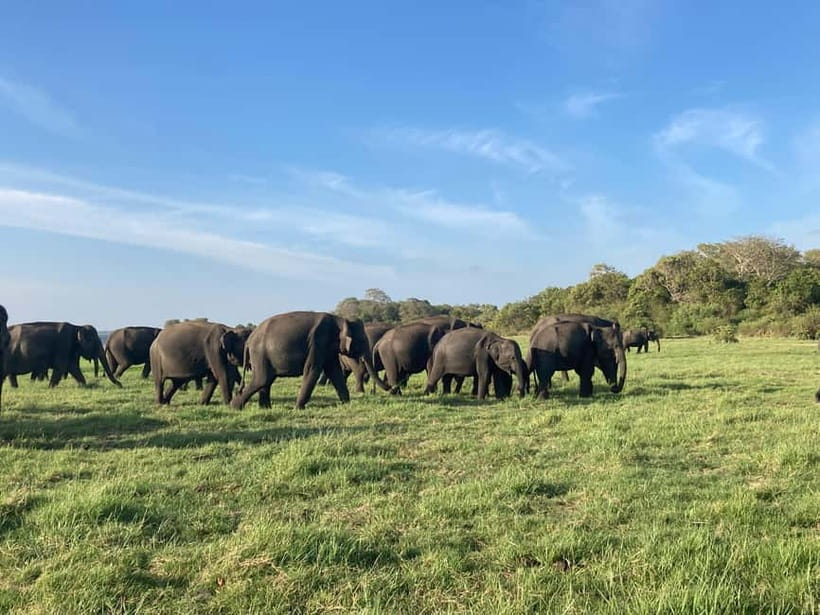
When you reach the elephant gathering area, the big payoff is how fast things can change. Elephants don’t pose for long; they shift positions, pause, then move again. Your guide helps you see what matters rather than just counting trunks.
Here’s what I’d watch for as you scan:
- Drinking and bathing behavior at Minneriya Tank zones
- Family groupings, especially mothers staying close to calves
- Young elephants moving in short bursts, then freezing to listen
- Larger adults creating space lanes with slow, deliberate movement
Baby elephants are a highlight for a reason: you get a sense of how mothers manage risk while staying calm. You might notice calves lagging for a moment, then suddenly speeding up to match the group’s rhythm.
One more real-world rule: touching animals and riding elephants are not allowed. It’s best to treat elephant sightings like wildlife theater—watch with your eyes, not your hands.

Baby elephants: the small details that make it memorable
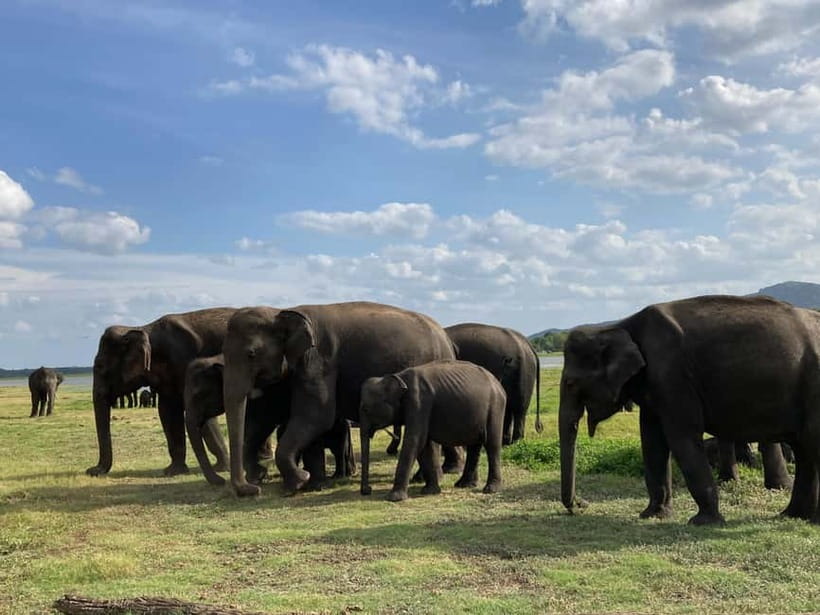
Baby elephants can be the difference between a routine sighting and a “how did that even happen” memory. When calves are present, the herd’s behavior often becomes more layered—adults watch the perimeter, mothers adjust positions, and the younger ones test their boundaries.
In a good safari, you don’t just see a baby. You also catch the behavior that explains why it’s there:
- the way it stays close for safety
- how it reacts to movement nearby
- the short, playful moments that pop up even when everything looks calm
If you’re hoping for baby-elephant time, go in with patience. Calves can appear briefly and then be hidden by adult bodies or terrain. This is where the guide’s scanning pace and quick decisions matter most.
Bird watching in Minneriya: a bonus that deserves binoculars
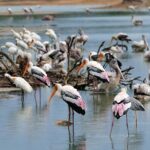
Elephants steal the show, but Minneriya isn’t only about mammals. The safari also includes bird watching, and the bird list in this experience is specific: painted storks, pelicans, and grey herons.
Bird viewing is great because it gives you a break from scanning only for trunks. It also teaches you to slow your eyes down—watching water edges, reeds, and flight patterns instead of only looking for movement in the grass.
If you’ve got binoculars, bring them. You don’t need gear-heavy birding equipment, but having your lenses ready makes it easier to spot birds without waiting for them to land right in front of you.
Other wildlife you might see: the “yes, but also…” factor
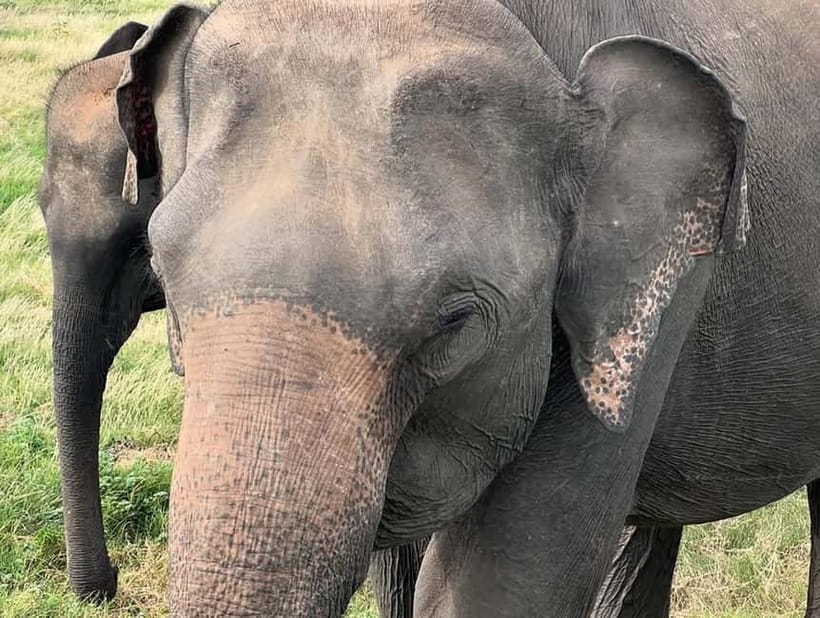
Besides elephants, Minneriya can offer a lot of variety. The experience description points to deer, buffalo, monkeys, and the elusive leopard.
Here’s how to keep expectations healthy:
- Think of it as a chance, not a guarantee.
- Let your guide’s route show you what’s active right now.
- If elephants are close, other wildlife may be harder to spot simply because everything is competing for your attention.
Even if leopard sightings don’t happen, you can still come away feeling like you visited a functioning ecosystem, not a one-species show. The best safari guides know this and won’t treat every sighting like a consolation prize.
Price and value: what $45 really means once you add the park fee
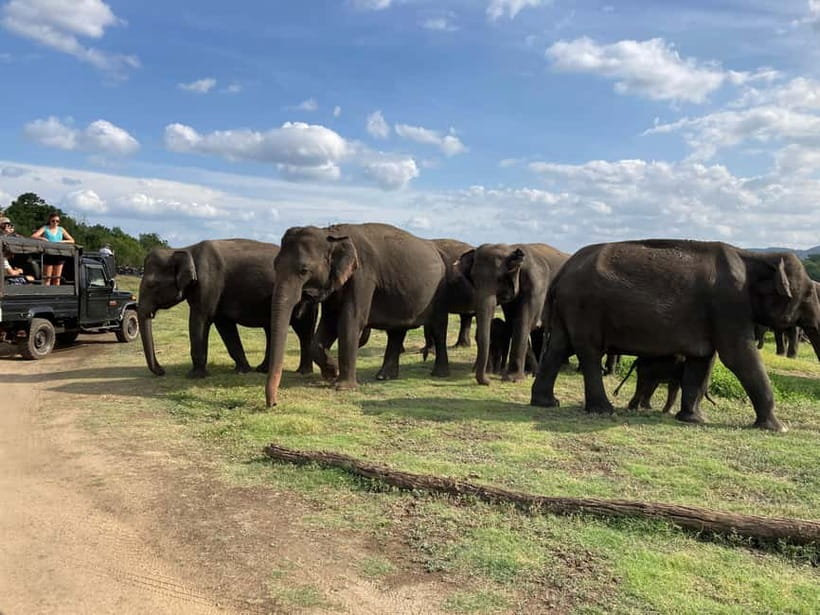
The listed price is $45 per person, and the included basics are helpful: free hotel pickup and drop-off, a jeep safari in Minneriya National Park, a professional driver, and bottled water.
Two items are not included:
- the park entrance fee
- food & drinks
So your true cost depends on the entrance fee and how you handle meals. If you’re already eating in Sigiriya or Habarana before and after, you can keep costs reasonable. But it’s smart to budget for lunch/snacks on the day of your safari.
The value angle I like here is the transportation and guidance. Jeep safaris in these areas can get expensive when you’re paying for a driver but not getting real wildlife help. This experience explicitly includes a wild driver guide who helps you find and interpret wildlife behavior, which is what turns a ride into an experience.
Rules of the road with wildlife: what’s not allowed
This safari includes clear wildlife conduct rules. You should expect these from the operator:
- No touching animals
- No riding animals
These are good rules, and they matter for more than ethics. They help keep animals calm and keep you safe. Plus, it prevents the safari from turning into a rushed, close-contact situation.
If you’re wondering whether the guide keeps a respectful distance, look at how the jeeps are positioned. When everyone is focused on watching and not crowding, sightings usually improve because animals feel less pressured.
What the ride feels like: private group, private pace, private comfort
Because it’s a private group, you don’t have to work around strangers’ bathroom breaks, slow decisions, or unclear expectations. That alone can make a wildlife day feel smoother.
Also, the safari is marked as wheelchair accessible, which is a plus if you need that level of access. Still, the terrain inside a national park can be uneven, so it helps to confirm how the jeep transfers and stops are handled for your specific needs before you go.
One more comfort note pulled from real-world feedback: the jeep drive can feel like an adrenaline ride. If you get motion sickness, consider bringing a remedy you trust.
Weather and park changes: when Minneriya isn’t the plan
There’s a practical reality in Sri Lanka wildlife travel: heavy rain can change accessibility. One safari experience described a switch to Herolu eco park due to monsoon conditions and flooding, and the person noted it affected what they paid since they had booked Minneriya.
So here’s my advice that can save you frustration: before you lock in plans, ask which park name is confirmed for your departure date. If the operator may adjust due to flooding, know how they’ll handle the difference so you’re not stuck with a mismatch between what you paid for and where you end up.
Who should book this safari (and who should think twice)
Book it if you:
- want a short, focused half-day safari from the Sigiriya/Habarana base
- care about elephants + baby calves, not only generic animal spotting
- like wildlife plus bird watching in the same trip
- appreciate a driver-guide who tries to find animals effectively
Think twice if you:
- don’t want any chance of changing plans in wet conditions
- dislike bumpy jeep rides
- are on a strict budget and can’t add the park entrance fee and meals
Should you book this Sigiriya–Minneriya elephant jeep safari?
I’d book it if your priority is seeing Minneriya’s elephant gathering atmosphere without turning your day into a long logistics project. The free pickup/drop-off, the English live guide, and the focus on elephant behavior and baby elephants make it feel like a real wildlife excursion, not just a car ride.
If you do book, I’d do two smart things: budget for the park entrance fee and bring food/drink plans for a short day. And if rain or monsoon conditions are in the forecast, ask directly which park will be used on your date so your money matches the plan.
If those boxes check out, this safari is one of the more efficient ways to get elephant time while still enjoying the park’s bird life and other wildlife.
FAQ
Where are the pickup locations for this safari?
Pickup is available from Habarana, Dambulla, or Sigiriya.
Where can you be dropped off after the safari?
Drop-off is available in Habarana, Dambulla, or Sigiriya.
How long is the elephant jeep safari?
The duration is 4 hours (starting times vary based on availability).
Is the park entrance fee included?
No. The park entrance fee is not included.
What’s included in the price?
The experience includes free hotel pickup and drop-off, a jeep safari at Minneriya National Park, a professional driver, and bottle water.
Is food and drinks included?
No. Food and drinks are not included.
Is there an English guide during the safari?
Yes. There is a live tour guide in English.
Is it allowed to touch the animals or ride elephants?
No. Touching animals and riding animals are not allowed.
What if I need to cancel?
You can cancel up to 24 hours in advance for a full refund.