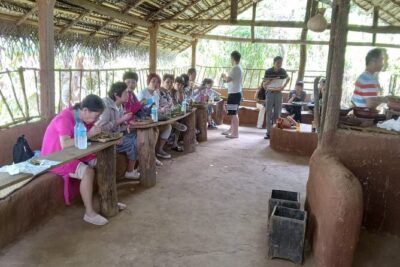
Cooking in Kandy feels like visiting family. At Best Kandy Kitchen, you spend about five hours in a home kitchen in Mahanuvara, near Bahirawakanda Mountain, learning Sri Lankan food the way a real family cooks it—market shopping, hands-on prep, and then eating what you make.
I loved the local market guidance, where you learn what to look for in spices and vegetables, and I loved that the cooking instruction is given by family members, not a distant show kitchen. It feels practical, warm, and direct.
One possible drawback: this is a real home kitchen. Expect a little kitchen mess and plan for that with a change of clothes—and it isn’t set up for wheelchair users.
In This Review
- Key points to know before you go
- A calm family kitchen near Bahirawakanda Mountain
- Picking up in Kandy town and heading out for your cooking day
- The local market stop: spices, vegetables, and how to shop smart
- Inside the home kitchen: hands-on cooking lessons
- Ten vegetable dishes plus fish or chicken: what you’re actually making
- Coconut sambol and coconut roti: the flavors to remember
- The food at the end: eat your dinner, not just samples
- Price and value: what $99 per group really buys you
- What to bring so the class feels easy
- Who this Kandy cooking class is perfect for
- Should you book Best Kandy Kitchen in Kandy?
- FAQ
- How long is the Kandy cooking class?
- Where does the class take place?
- What is the group size?
- Do I get picked up from my hotel?
- Is the instructor English-speaking?
- What food is included in the meal?
- Is there anything to drink included?
- Are recipes provided at the end?
- What should I bring with me?
- Is the experience suitable for wheelchair users?
Key points to know before you go
- A home-kitchen setting close to Bahirawakanda Mountain, in calm green surroundings
- Small group up to 2, so you get real attention while cooking
- Market visit included when you want to understand spices and vegetables firsthand
- Ten vegetable dishes plus your choice of fish or chicken, then you eat your results
- Family-led teaching (wife, sister, mother; sometimes little girls join)
- Recipes provided at the end, so you can recreate the meal later
A calm family kitchen near Bahirawakanda Mountain
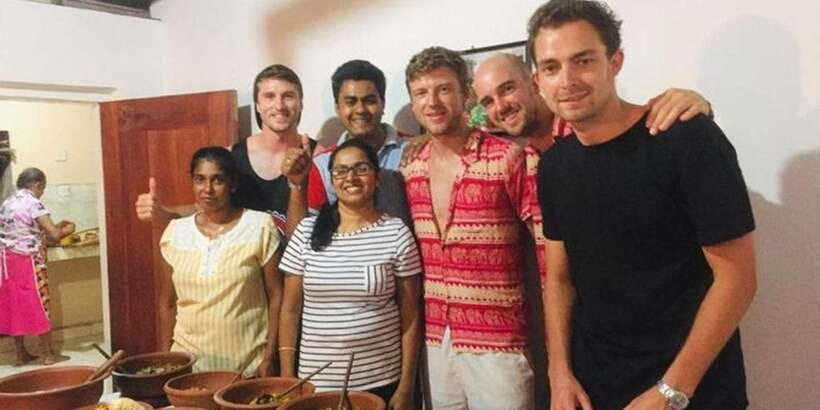
This Kandy cooking class starts with the setting. You’re in Mahanuvara, not in some far-off studio. The home base is near the big Buddha statue at Bahirawakanda Mountain, and the whole mood is quiet and relaxed. That matters more than you might think: cooking classes can feel rushed or performative, but here the atmosphere feels like you’re stepping into daily life.
The hosts are a close family team. The teaching is done by the wife, sister, and mother (and sometimes the younger kids join in). No professional chef runs the show. That can be a good sign. It means you’re getting the rhythms and habits of actual Sri Lankan cooking—what gets cooked for everyday meals, how spices get treated, and how families balance flavors without complicated tricks.
If you’re hoping for a polished, glossy “restaurant demo” style, this is different. It’s more personal and more hands-on, with the focus staying on food and culture rather than theatrics.
You can also read our reviews of more tours and experiences in Kandy.


Picking up in Kandy town and heading out for your cooking day
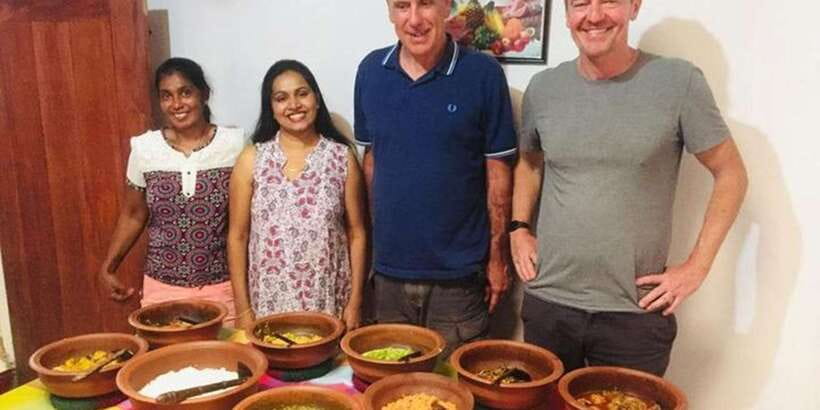
The class includes pickup and drop-off around Kandy town. Your timing depends on the start time available when you book, but the total experience runs about five hours.
A practical tip: be ready in the hotel lobby about 10 minutes before pickup, since that timing window is part of how the hosts confirm your day. Also, bring cash and keep your phone charged. You’ll likely want it for photos, and it’s listed as something to bring.
This class is limited to a small group of up to 2 participants, which changes the whole feel. You’re not just “watching from a distance.” You can ask questions while you work, and the teachers can adjust based on what you’re comfortable doing.
The local market stop: spices, vegetables, and how to shop smart
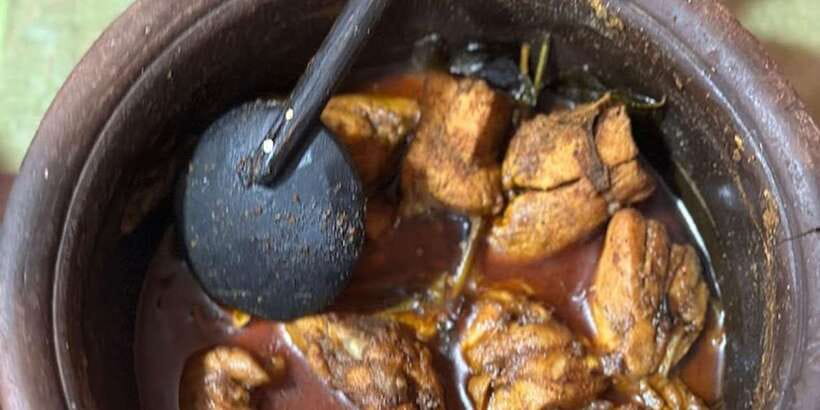
One of the best parts of this Kandy cooking class is that it can include a guided trip to the local market to pick ingredients. If you’ve ever eaten Sri Lankan food and wondered why the flavors taste so specific, this is where it starts to make sense.
You’ll get help with what to look for in spices and vegetables, rather than just being handed a list. The goal is to make you more confident the next time you cook. You learn how ingredients are chosen for everyday meals—what feels fresh, what has the right smell, and how families think about balance.
What I like about a market stop like this is that it turns cooking from a set of steps into a skill. When you understand why an ingredient matters, you can adjust later when you’re cooking at home and can’t find the exact same produce.
Inside the home kitchen: hands-on cooking lessons
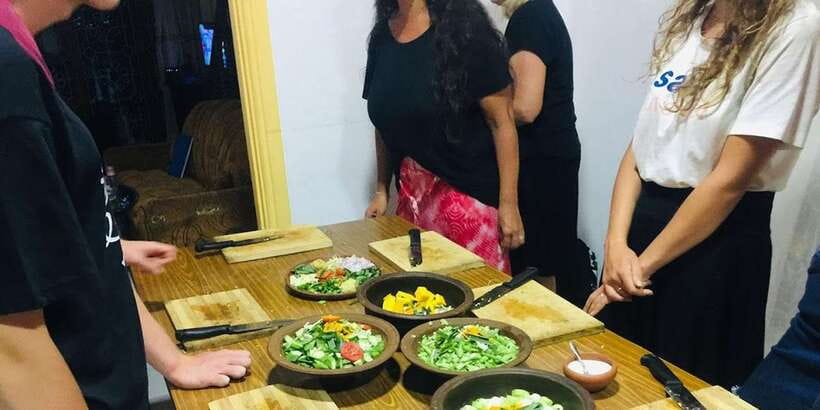
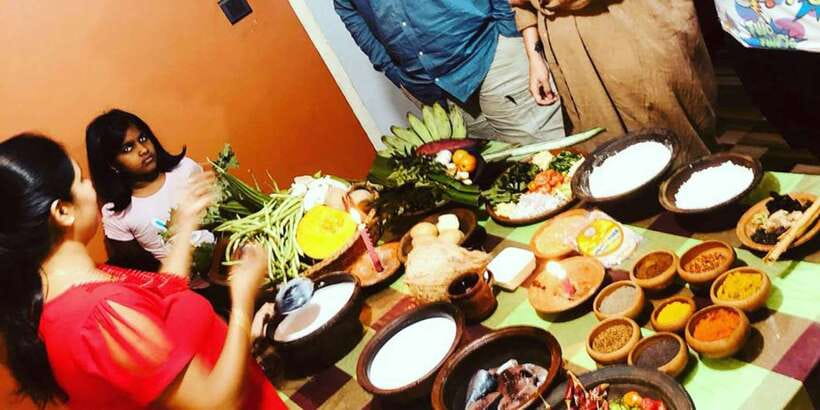
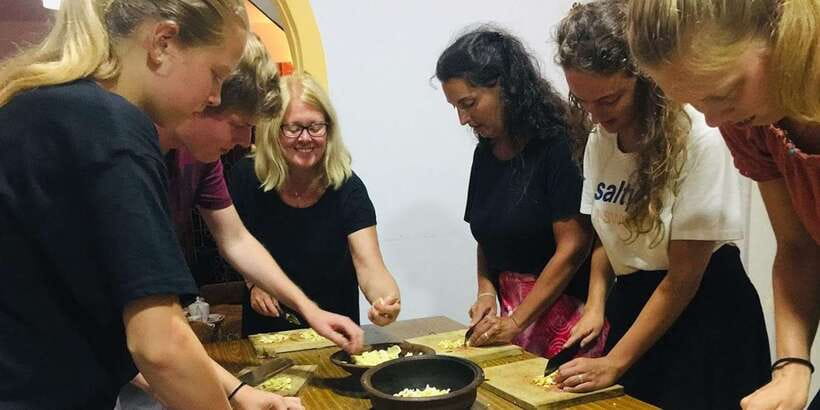
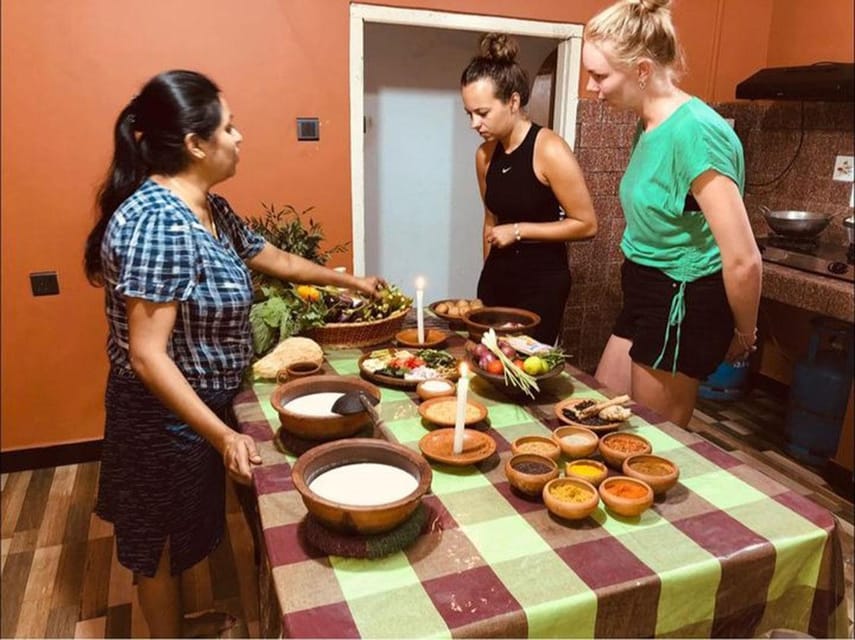
Once you’re back at the home kitchen, the day becomes very food-focused. The plan includes cooking ten types of vegetable dishes, plus your choice of fish or chicken. On top of that, you’ll make coconut sambol and coconut roti.
Here’s the important part: you’re not just tasting. You’ll help with seasoning and food prep. Even though there’s a lot of cooking to get through, the teachers do most of the heavy lifting because the menu is big. But you still get hands-on time to season things yourself, which is what you really need if you want to recreate the food later.
In a home kitchen, the teaching also stays grounded. You don’t get distracted by fancy tools or complicated “chef language.” You get practical guidance on how spices work together and how dishes are assembled.
Also, being taught by the family changes the pacing. The explanations are tied to daily life—what gets cooked more often, what flavors show up repeatedly, and how home cooks think about satisfying meals. That’s where the class feels authentic.
Ten vegetable dishes plus fish or chicken: what you’re actually making
Let’s talk about volume, because it affects everything about the experience.
The included menu is structured around a spread:
- Ten types of vegetable dishes
- Fish or chicken (your choice)
- Coconut sambol
- Coconut roti
- Plus water bottles and one beer can
Ten vegetable dishes is a lot. That’s why the teachers handle a good portion of the cooking while you learn and participate in key parts like seasoning. For you, this is a time-saver and a learning advantage at the same time: you’ll taste lots of Sri Lankan vegetable flavors while still getting the kind of guided participation that helps you understand what you’re doing.
If you’re worried you’ll feel overwhelmed, don’t. The small-group setup helps. And because you’re with the family at their home base, the pace stays manageable. You’ll be busy, but it won’t feel chaotic.





Coconut sambol and coconut roti: the flavors to remember
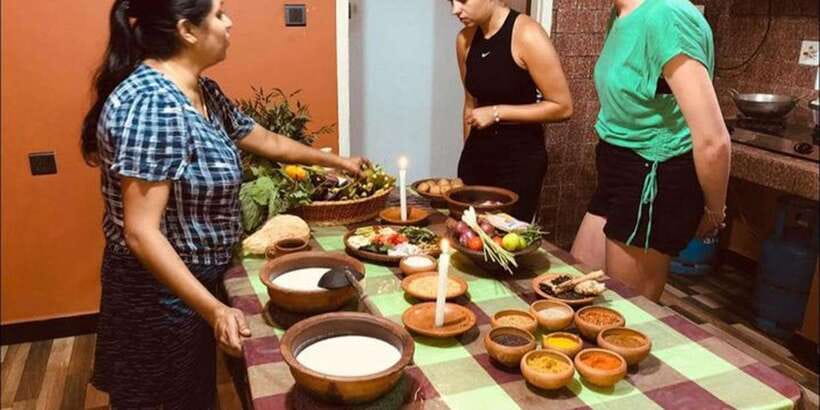
The two standout additions on the menu are coconut sambol and coconut roti. If you’ve had Sri Lankan food before, these are often what make the meal feel unmistakably local.
Coconut sambol usually brings that signature mix of coconut with bold flavor and bite. Coconut roti gives you a different texture and comfort—something you can’t fully replicate without learning the basic handling and taste balance.
Even if you never cook these exact dishes at home, paying attention during prep helps you understand how Sri Lankan flavors are built. You start spotting the role of coconut in cooling down spice, and the way sambol adds contrast.
The food at the end: eat your dinner, not just samples
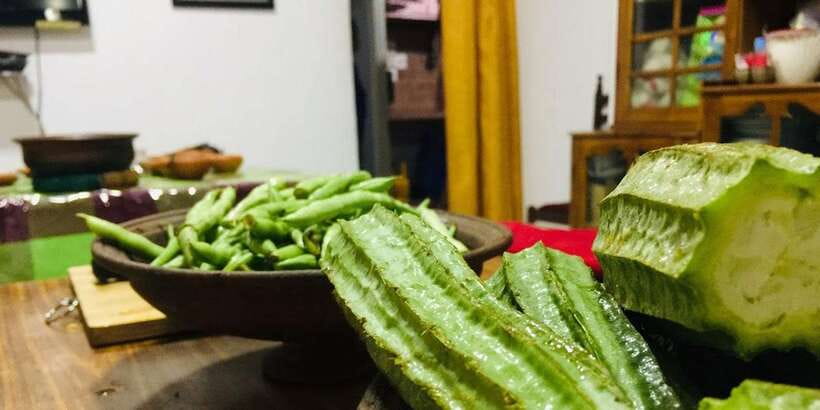
This class ends with a full meal. And because you’ve worked on multiple dishes, you’re eating with context. You’ll likely come away with that satisfying feeling of competence: you didn’t just learn names of foods—you learned what changes when you season differently.
One review note that really resonates is that the spread is so large you may want to skip lunch. Since the class includes a big dinner-style lineup of vegetable dishes, plus fish or chicken and sambol and roti, you can easily end up overly full if you eat too much before you start.
Plan your day so you can enjoy it. Wear clothes you don’t mind getting kitchen smells on. And keep space in your stomach—this isn’t a light tasting class.
Price and value: what $99 per group really buys you
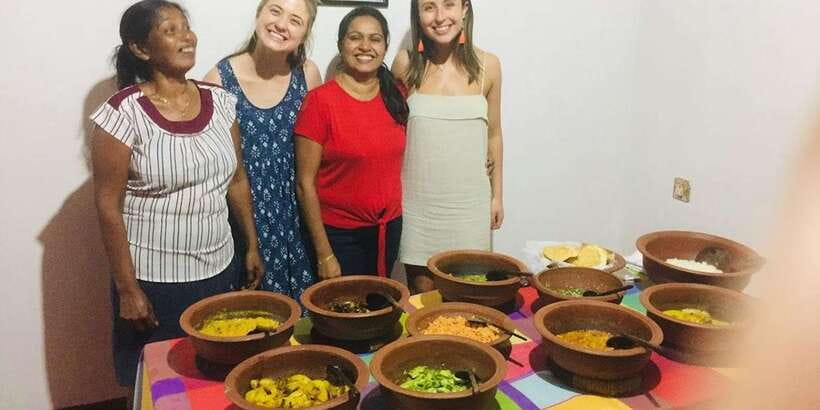
The price is listed as $99 per group up to 2, lasting about five hours. On paper, that’s not the cheapest “tour ticket” value. But cooking classes don’t compare well to typical sightseeing prices, because you’re paying for time, ingredients, instruction, and a meal.
Here’s why the math can work in your favor:
- Small group size means more direct teaching, not just background activity
- A large included meal (ten vegetable dishes plus fish or chicken, sambol, roti) reduces your food costs for the day
- Market guidance adds learning value that you can’t get from simply cooking at home
- Recipes are provided at the end, so you leave with something usable, not just a memory
If you’re traveling solo, the “up to 2” group structure can still be a good deal if you value personal instruction. If you’re two people, it becomes even easier to justify: you’re splitting the per-group price while both of you learn and eat.
Also, you can usually book with flexibility (free cancellation up to 24 hours in advance, and a reserve-now, pay-later option). That helps if your Kandy schedule is a little fluid.
What to bring so the class feels easy
You’ll have the best time if you come prepared:
- Change of clothes (kitchen work plus food smells are real)
- Camera (you’ll want photos of the process and the home setting)
- Cash
- Charged smartphone
And a quick mindset tip: you’ll get more out of the class if you treat it like a cooking lesson first, sightseeing second. Put your phone away when you’re seasoning or tasting. That’s when the most useful learning happens.
Things not allowed: pets. (Assistance dogs are allowed.)
Who this Kandy cooking class is perfect for
This experience fits best if you want food education that feels real, not staged.
You’ll enjoy it most if you:
- Love Sri Lankan flavors and want to understand how they’re built
- Want a home-kitchen look at how a family cooks day-to-day
- Like small-group attention and hands-on instruction
- Prefer practical recipes you can repeat later
- Enjoy markets and want guidance on spices and vegetables
It may not be the right fit if you need wheelchair access, since it’s not suitable for wheelchair users. Also, if you strongly prefer a professional chef-led, restaurant-style class with no home-kitchen mess, you might find the home setting too casual.
Should you book Best Kandy Kitchen in Kandy?
I’d book this Kandy cooking class if you want a warm, family-led, hands-on day centered on Sri Lankan cooking basics—market shopping, spices, and a huge meal you helped create. The value is strongest when you like learning through doing and you’re hungry (in the best way).
Skip it only if you’re looking for a high-end studio experience, need wheelchair access, or you want a lighter tasting session. Otherwise, the combination of small-group teaching, market guidance, and a full menu makes it a smart use of your time in Kandy.
If you can, match it with a day when you’re ready to eat a lot, ask questions, and walk away with recipes you’ll actually use.
FAQ
How long is the Kandy cooking class?
The duration is listed as 5 hours.
Where does the class take place?
It’s held in a home kitchen in Mahanuvara, near the Kandy area and close to Bahirawakanda Mountain.
What is the group size?
It’s a small group limited to 2 participants.
Do I get picked up from my hotel?
Yes. Pickup and drop-off are included around Kandy city, and you should wait in the hotel lobby about 10 minutes before pickup.
Is the instructor English-speaking?
Yes, the instructor is listed as English.
What food is included in the meal?
You’ll make and eat ten types of vegetable dishes, plus fish or chicken (your choice), coconut sambol, and coconut roti.
Is there anything to drink included?
Water bottles are included, and one beer can is included.
Are recipes provided at the end?
Yes, you receive the recipes at the end of the class.
What should I bring with me?
Bring change of clothes, a camera, cash, and a charged smartphone.
Is the experience suitable for wheelchair users?
No, it is listed as not suitable for wheelchair users.