Spotting loris at night is different than any day tour. This private, naturalist-led half-day from Sigiriya takes you to Sam Popham’s Arboretum for a guided loris-watching hike where the guide uses less-obtrusive red light to scan the trees. Since the slender loris is nocturnal and slow-moving, the details of how you watch matter as much as where you go.
What I really like is the private feel: no group stampede, just your party moving at the guide’s pace for about 3 hours. I also like that you’re not just wandering; you get commentary from an expert naturalist guide who’s used to this sanctuary and knows how to spot animals in low light. One thing to consider: this is a night walk in a forest reserve, so you’ll want moderate physical fitness and patience—animal sightings depend on conditions and what the loris is doing that night.
In This Review
- Key Things You’ll Notice on This Tour
- Why Sam Popham’s Arboretum Is the Loris Spot You Want
- Timing From Sigiriya: 6:30 pm and the 3-Hour Night-Walk Rhythm
- Private Transfer and the Comfort Details That Matter
- The Real Skill Step: Red-Light Loris Watching in Sam Popham’s Arboretum
- What You Can Spot Besides Loris (And Why It Still Feels Like Success)
- Fitness, Footing, and Night Safety (Without the Drama)
- Photography Thoughts: What Helps You Capture Loris Moments
- Price and Value: Is $75 Per Person Fair?
- Who This Tour Is Best For
- Should You Book This Loris Watching From Sigiriya?
- FAQ
- What time does the loris watching tour start?
- How long is the tour?
- Is this a private tour?
- What animals might I see besides slender loris?
- Is hotel pickup included?
- What happens if the weather is bad?
Key Things You’ll Notice on This Tour
- Red-light torch searching: less intrusive scanning in darkness, with white light only when a loris is spotted
- Private group format: only your party goes on the hike, so the pace stays calm
- Sam Popham’s Arboretum at night: a protected reserve tied to Sri Lanka’s long tree legacy
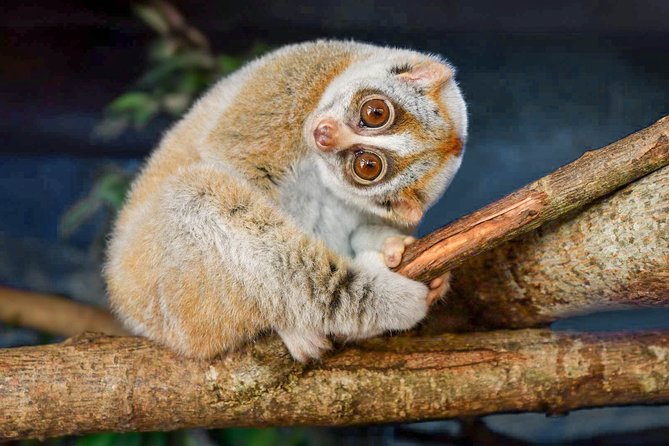
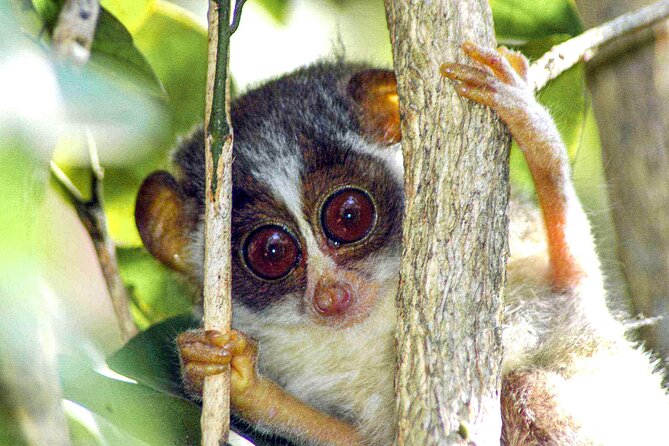
- A naturalist-guided hunt for slender loris: big round eyes, long slender body, and slow movement that’s easy to miss
- Other nighttime mammals and critters: you might also spot mouse deer, civet cats, and rabbits
- Comfort-focused start: clear communication and on-time driver service are part of the experience for many visitors
Why Sam Popham’s Arboretum Is the Loris Spot You Want
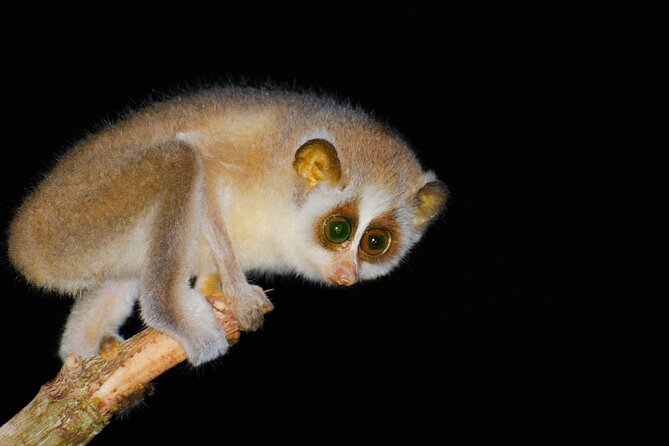
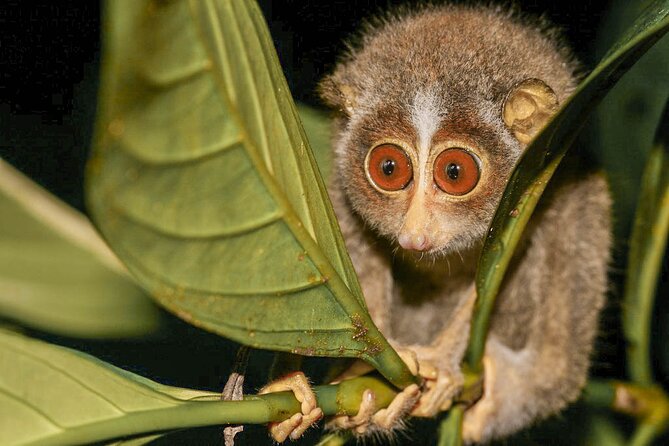
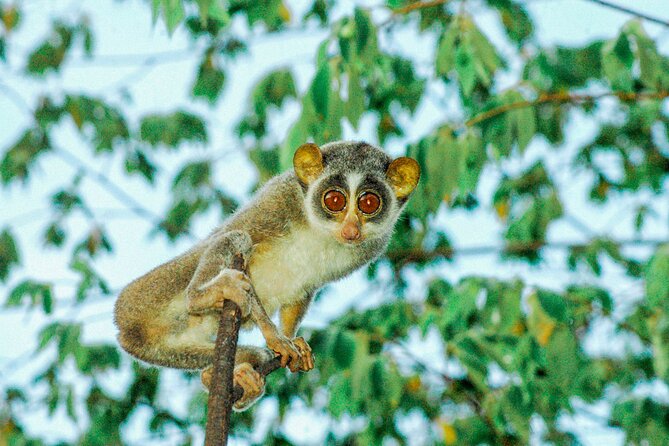
If your dream is to see loris in the wild, the setting matters. Sam Popham’s Arboretum is a protected natural reserve where the forest holds onto the small, nocturnal species you’re looking for. The star on this outing is the slender loris, native to Sri Lanka and India, with those unmistakable saucer-like eyes that catch light in the dark.
The arboretum itself has a backstory that makes it feel more purposeful than a random patch of trees. Decades ago, a British naval officer’s love for trees led to the creation of the arboretum, and it later grew after being gifted to the Institute of Fundamental Studies. Today it covers more ground than at the start, and that expansion is part of why the habitat supports wildlife beyond just loris.
You’re also not going to a place that’s just for animals. It’s a living system: the reserve is described as home to birds, butterflies, dragonflies, and mammals. That means your night can feel like a proper wildlife experience, not just a single-species chase.
You can also read our reviews of more tours and experiences in Sigiriya.

Timing From Sigiriya: 6:30 pm and the 3-Hour Night-Walk Rhythm
This tour starts at 6:30 pm, which is exactly when a lot of forest life is gearing up for active periods. You’re not rushing into the dark without a plan. Instead, the evening timing gives the guide a chance to work with animal behavior, not against it.
The full duration is about 3 hours. In practice, that’s a sweet spot. It’s long enough to do a forest walk with real attention and slow scanning, but not so long that you feel worn down before the highlight. If you’re balancing this with other sightseeing around Sigiriya, this timing is practical: it’s an evening commitment rather than a full-day sacrifice.
One more small but important point: since it’s a night walk, the experience depends on the conditions that evening. The tour notes good weather is required, and if conditions are poor, you’ll be offered another date or a full refund. That’s not a detail to ignore; it’s part of why your schedule works when it works.
Private Transfer and the Comfort Details That Matter
You’re departing from Sigiriya, and pickup is offered from select hotels. At the same time, the listing you’re booking may say hotel pickup and drop are not included, so don’t treat that as a guarantee. I’d do this: check your confirmation and make sure you know where you’re meeting and how you’re getting back.
Either way, the tour experience is designed around comfortable transfers. In one review, the communication was clear and the driver was on time, with a focus on keeping everyone cool and comfortable during the ride. That matters more than people think. When you’re heading into the forest at night, the last thing you want is a stressful start.
Because this is a private tour, you also avoid the “wait for everyone” drag. Only your group participates, so if you want the night to feel calm and controlled, the format supports that.
The Real Skill Step: Red-Light Loris Watching in Sam Popham’s Arboretum
Here’s what makes this experience stand out: the guide doesn’t just carry a torch and hope for the best. They use torches with relatively less obtrusive red lights to search for loris, and they switch on white lights only when they spot one.
That is the difference between seeing wildlife and disturbing it. Red light helps you scan without blasting the animals. Then, when the guide finds what you came for, the white light can help confirm the sight and give you a chance to observe more clearly.
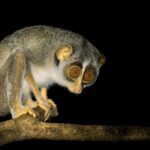
The slender loris itself is built for life in the trees. It has a long, slender body and those big round eyes that shine in the dark. Because it’s slow-moving, it can look like a shadow at first. A good guide helps you interpret what you’re seeing, so you’re not just staring at branches hoping to get lucky.
This is also where the “forest sanctuary” setting plays a role. The tour is framed as an arboretum walk guided by naturalists who know the reserve. That means you’re more likely to get a purposeful route and better chances of spotting animals where they tend to appear.
What You Can Spot Besides Loris (And Why It Still Feels Like Success)
Loris are the headline, but the tour doesn’t stop there. The arboretum is described as a home for multiple animal types, and your night walk can turn into a broader wildlife session even if the loris is quiet.
Depending on what’s active that evening, you might see:
- Mouse deer
- Civet cats
- Rabbits
And beyond those specific mentions, the reserve is also noted for birds, butterflies, and dragonflies. You may not see every group in one short night session, but the point is that the habitat supports more than one kind of life.
One review highlights that the trip felt more extensive than expected, and the experience included spotting various animals around the property area. Another notes a wildlife photography angle, with the traveler using the opportunity to photograph animals and also seeing other creatures at the resort.
So think of this as a night safari-style experience, but scaled to a smaller, quieter setting. Your success isn’t only tied to the first loris sighting. Even if you’re chasing photographs, you’re likely to come away with more than one memorable moment.


Fitness, Footing, and Night Safety (Without the Drama)
The tour asks for moderate physical fitness. That’s your clue that the walk isn’t designed as a fully flat stroll. Since you’re moving through a natural reserve at night, you should expect uneven ground and the kind of slow, careful steps that forest paths demand.
This also helps you pack your expectations correctly. You’re not signing up for a casual evening stroll; you’re signing up for a guided hike with wildlife scanning. If you’re comfortable walking at an unhurried pace on uneven ground, you’re in the right category.
Bring the practical mindset: watch your footing, stay close to the guide, and give yourself time to adjust to the darkness. The “red light, then white light” approach only works when you’re positioned to see what the guide sees.
Photography Thoughts: What Helps You Capture Loris Moments
If you’re a hobby wildlife photographer, this is exactly the kind of tour that fits. Night wildlife is all about timing and light control, and the guide’s method helps with both. The tour’s red-light scanning reduces harsh glare, and once the guide spots an animal, the light strategy gives you a better chance to document what’s there.
I’d come ready to photograph what appears, not what you imagine. The slender loris is small, often higher in the trees, and slow. In other words: if you shoot first, confirm later, and stay patient, your odds improve.
Also consider that even if loris are the target, the reserve supports other wildlife. That means your camera session can still feel productive if you catch a different animal while waiting.
Price and Value: Is $75 Per Person Fair?
At $75 per person, the price is not a bargain-mission, but it also isn’t priced like a luxury private expedition. What makes it feel like value is what you’re getting bundled into the experience.
You’re paying for:
- A private half-day format (your group only)
- A naturalist guide with commentary and wildlife know-how
- Entrance tickets to the protected nature reserve
- A guided nature hike designed specifically for mammal watching, especially loris
And you may be getting comfortable transport from Sigiriya (depending on your exact booking terms). When you add up those components, $75 starts to make sense as “you’re buying a trained guide, access, and the night-hunting method,” not just a seat.
The extra value is the guide’s technique. Torches with red light and white light only when spotted isn’t a small detail. It’s the kind of practical wildlife-watching skill that can change your results.
Who This Tour Is Best For
This is ideal if you:
- Want no-rush wildlife watching with a guide who’s focused on one mission: loris
- Enjoy night nature experiences and can handle a short hike through a reserve
- Like wildlife photography or simply want your eyes trained for nocturnal species
- Prefer privacy over joining a larger group
One family-focused review mentions a mother and daughter who are primate enthusiasts, excited about the primate angle. While the headline species here is loris, the broader wildlife watching vibe works well for people who enjoy learning about small mammals and tree life. If you’re traveling with kids, you’ll still want to think about the late timing and the walking portion, but the private setup can help keep it manageable.
This tour is also a good fit as a complement to daytime Sigiriya sightseeing. You get the fortress views in daylight, then you switch gears to a living forest scene after dark.
Should You Book This Loris Watching From Sigiriya?
Yes, if your goal is proper loris watching with a guide who uses smart low-light techniques. The private format, reserve access, and naturalist commentary are the reasons this feels more serious than a casual night walk.
Book it if you’re the kind of traveler who likes getting small details right: better light control, slower scanning, and wildlife observation done with patience. Skip it if you want a guaranteed animal sighting. Even with the best guidance, nocturnal wildlife moves to its own schedule.
If your travel style is “I want an expert-guided chance at a rare sight,” this tour is a strong match from Sigiriya.
FAQ
What time does the loris watching tour start?
The start time is 6:30 pm.
How long is the tour?
The experience lasts about 3 hours.
Is this a private tour?
Yes. It’s a private tour/activity, and only your group participates.
What animals might I see besides slender loris?
The experience mentions you might also spot mouse deer, civet cats, and rabbits, and the arboretum is home to other wildlife such as birds, butterflies, and dragonflies.
Is hotel pickup included?
Pickup is described as offered, but hotel pickup and drop are also listed as not included. Check your booking confirmation so you know exactly how you’ll meet and return.
What happens if the weather is bad?
The tour requires good weather. If it’s canceled due to poor weather, you’ll be offered a different date or a full refund.