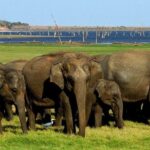
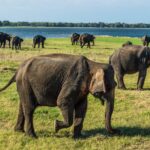
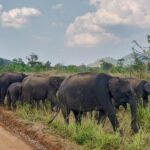
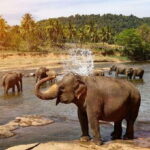
Elephants feel close here, even from the jeep. The Hurulu Eco Park safari works because it’s built for real wildlife watching, not just driving around, and I like how the English-speaking driver and hotel pickup cut the hassle from the start. You’re heading into a mix of forest, grassland, and water zones where elephants and other animals move day-to-day.
My second favorite part is that it’s set up as a private jeep safari experience (so you’re not packed into a noisy crowd). One thing to consider: park plans can change with weather, so your route may shift to Minneriya or Kaudulla national park depending on conditions.
In This Review
- Key Points That Matter
- Hurulu Eco Park Safari: Why This Area Gets Elephant-Matching Right
- What you’re really buying with this safari
- The Timing Game: Early Morning Beats Crowds (and You’ll Feel It)
- From Pickup to Park Tracks: How the 3.5 Hours Usually Flows
- The calm part: watching elephants settle
- The “could be a slow moment” part
- What You’ll Actually See: Elephants, Plus the Cast of the Park
- Asian elephants: feeding, drinking, and hanging out together
- Other wildlife to keep an eye out for
- Why the wetlands/lakes matter
- The Guide Factor: Engaged Explanations Improve the Whole Ride
- Watch for one small downside
- Jeep Safari Comfort: Private Group Feel Without Feeling Fancy
- Hotel pickup and drop-off: the underrated time saver
- Price and Value: Is $25 a Fair Deal?
- The money-back promise (and what it does for your risk)
- Weather and Route Changes: Minneriya or Kaudulla May Step In
- How to handle the uncertainty
- Best Fit: Who Should Book This Safari
- Should You Book the Hurulu Eco Park Elephant Jeep Safari?
- FAQ
- Where is this safari located?
- How long is the jeep safari?
- What’s included in the price?
- Is the park admission fee included?
- What if I don’t see elephants?
- Can the park change due to weather?
Key Points That Matter
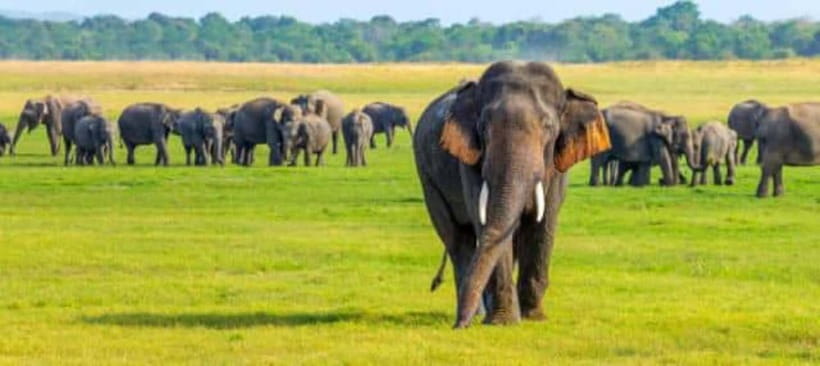
- Elephant odds near Habarana: This area is famous for the large Asian elephant gatherings, especially around Minneriya season patterns
- Early timing helps a lot: The best results come when you start early, before crowds press in
- You’re watching behavior, not just spotting animals: Expect elephants drinking, feeding, and congregating
- More than elephants: You also have a chance at monkeys, spotted deer, crocodiles, and lots of birds
- Well-organized, guide-led safari: An engaged guide works to find animals and explains what you’re seeing
Hurulu Eco Park Safari: Why This Area Gets Elephant-Matching Right
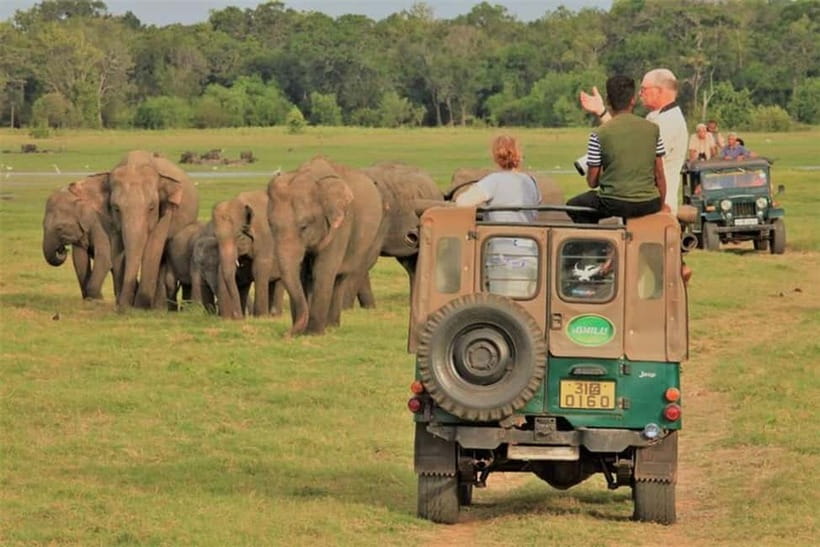
If your mental picture of an elephant safari is mostly elephants in the distance, this experience aims to change that. Hurulu Eco Park sits in Mahanuvara’s elephant country, and the whole setup is designed around how Asian elephants actually use the habitat: moving between grasslands, water, and cover, often in clusters.
This is also the region where Minneriya is known for one of the largest gatherings of Asian elephants. That’s not a guarantee in any one hour, but it tells you something important: the elephants here follow predictable routines at the ecosystem level. When conditions line up, you can go from tracks in the dirt to full-on elephant “doing elephant things” within the same safari window.
And yes, it’s a jeep safari, not a long hike. That matters. You get mobility through different terrain types without tiring yourself out before the best sightings happen.
You can also read our reviews of more tours and experiences in Sigiriya.

What you’re really buying with this safari
You’re paying for three things at once:
- Access to a productive wildlife route (forest-to-wetland style)
- A guide who can read the park and talk through what you’re seeing
- A tight time block that fits how often animals show up
At about 3.5 hours, it’s long enough to have real chances, but short enough that you’re not stuck waiting all day if the light and animal movement start later than expected.
The Timing Game: Early Morning Beats Crowds (and You’ll Feel It)
Here’s the truth about wildlife safaris: animals don’t change their schedule for your plans. They move when they move. So the best strategy is to go when the park is at its most active and when there’s less pressure from other jeeps.
For this safari, early morning is recommended to avoid crowds. That’s a big deal, because it affects how long you can watch behavior without drivers continually repositioning around you. In the morning, you’re more likely to see elephants feeding and drinking before the day heats up and before visitor traffic gets heavy.
Late afternoon can also be a good option, since animal activity often rises again later in the day. If you’re trying to maximize sightings and minimize interruptions, treat the starting time like part of your “planning budget.” It’s not just logistics.
From Pickup to Park Tracks: How the 3.5 Hours Usually Flows
Your experience starts with hotel pickup, which is one of those small things that makes a huge difference in real life. In elephant country, you don’t want to spend energy coordinating transport while everyone else is already watching.
Once you’re in the jeep, your guide leads the drive through the park’s changing environments. Based on what’s described for this safari, you can expect a route that cycles through:
- Dense forest stretches
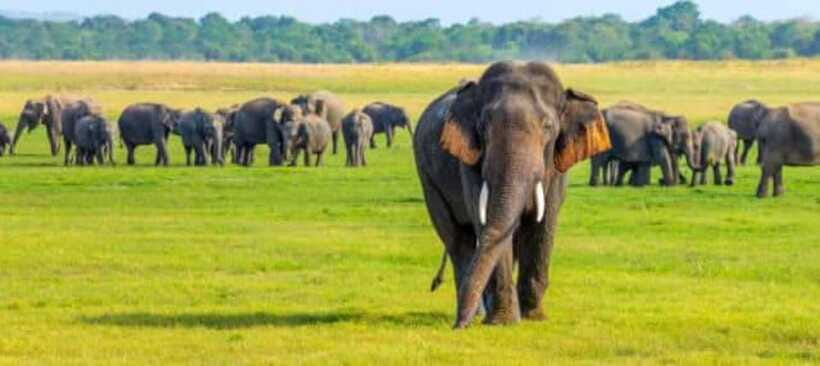
- Open grasslands where elephants feed and wander
- Wetlands and tranquil lake areas where elephants may drink and gather
This “moving through zones” approach is what makes the safari feel alive. You’re not stuck in a single viewing spot hoping for luck. You’re following the way wildlife uses the land.
The calm part: watching elephants settle
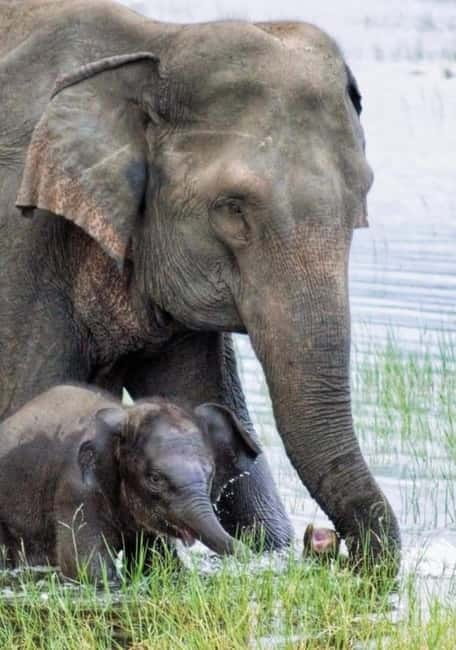
Elephants don’t only appear; they do things. Part of what makes this tour special is that the jeeps are positioned for observing routine behavior like:
- drinking water
- feeding in grass
- congregating in groupings
When you see this, the safari stops being a checklist. You start noticing patterns: how they shift direction, how they pause, and how other animals react when elephants are nearby.


The “could be a slow moment” part
Even with good planning, wildlife time is wildlife time. Some stretches can be quieter than others. That’s where the guide’s job matters: finding the right spots and interpreting what you’re seeing before you second-guess the whole plan.
What You’ll Actually See: Elephants, Plus the Cast of the Park
Let’s talk about the animals you’re most likely to encounter.
Asian elephants: feeding, drinking, and hanging out together
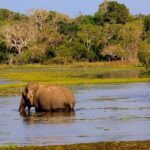
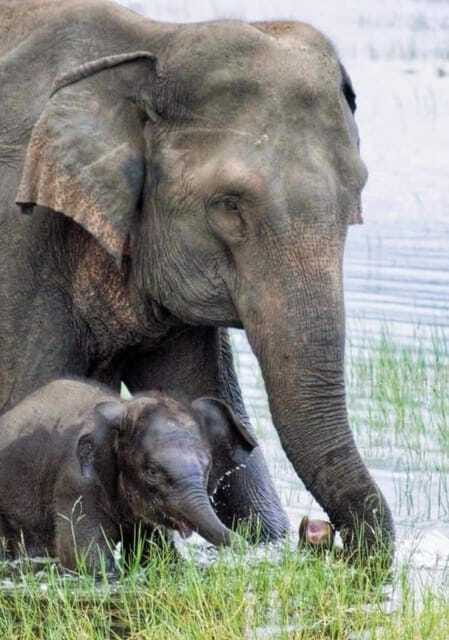
The main event is wild elephants in Hurulu Eco Park, and the safari is specifically framed around seeing the largest Asian elephant gatherings in the Minneriya area when conditions align. During your drive, the elephants you’re looking for may be:
- out in the grasslands feeding
- near water sources drinking
- gathered in numbers, moving as a group
One reason elephants are so compelling to watch is how obvious their body language is. You’ll often be able to tell if they’re actively feeding, just arrived, or settling in to rest.
Other wildlife to keep an eye out for
Even when elephants are the priority, this kind of safari usually delivers “secondary sightings” too. The tour description includes a chance for:
- monkeys
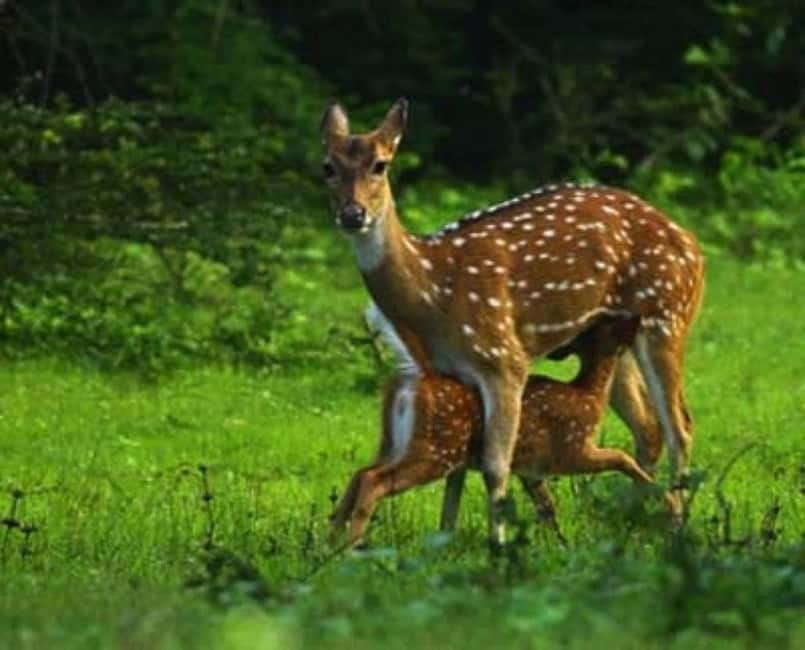
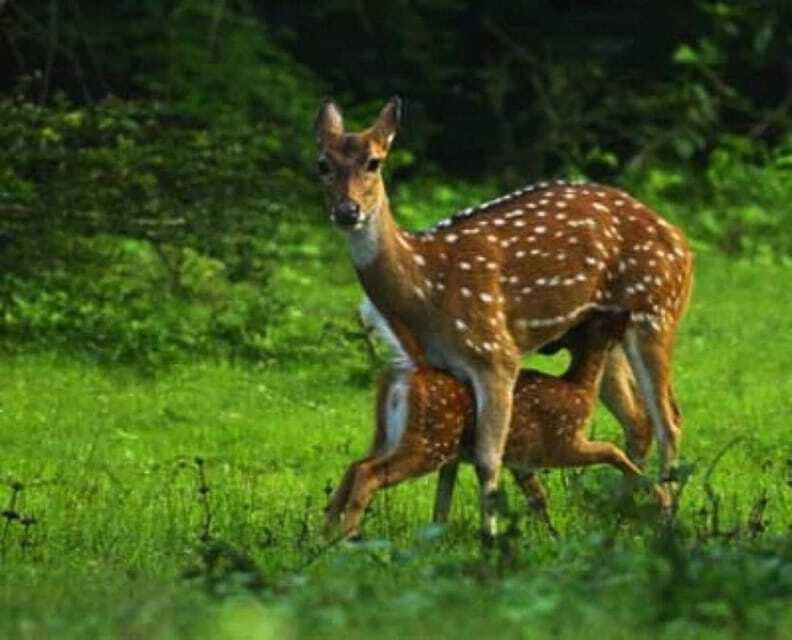
- spotted deer
- crocodiles (especially in wetland/water areas)
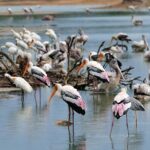
- a variety of bird species
This is where a good guide earns their money. If you only care about elephants, you’ll still benefit from someone spotting the smaller signals: bird activity, animal tracks, or movement near edges of water.
Why the wetlands/lakes matter
Elephants need water, and water attracts more than elephants. Wetland zones often increase your odds of seeing both big and small wildlife in the same general timeframe. It also gives you better chances for watching elephants in a relaxed, slower pace, since they linger when they’re drinking or moving carefully along the waterline.
The Guide Factor: Engaged Explanations Improve the Whole Ride
A jeep safari becomes a lot more satisfying when your guide doesn’t just drive and point. The best version of this tour is very guide-led.
Based on feedback patterns, what stands out is that the safari feels well organized and the guide is engaged. In particular, guides are described as:
- actively working to find animals
- giving explanations about animal behavior
- encouraging an early start to keep things uncrowded
That last part matters. A guide who recommends early and then helps you take advantage of it changes the feel of the trip.
Watch for one small downside
One note to keep in mind: English communication style can vary. There’s at least one comment about the driver speaking too much English and that communication could be an issue. If you’re the type who prefers quiet scanning time, it might help to set expectations. You can still enjoy the drive, but it may not be a silent nature session.
Jeep Safari Comfort: Private Group Feel Without Feeling Fancy
This tour is available as a private group, and that’s worth considering if you want a more flexible, less crowded experience.
Private usually means:
- You can ask questions without competing with a big group
- Your guide can adjust pacing based on what you’re seeing
- The jeep experience feels less like a conveyor belt
The overall duration is set at about 3.5 hours, so the ride won’t drag into an all-day slog. It’s a good length for pairing with other Habarana-area plans the same day.
Hotel pickup and drop-off: the underrated time saver
Since pickup and drop-off are included, you avoid the “get there first, then figure it out” problem. You also reduce stress, which makes a difference when you’re waking up early for animal activity.
Price and Value: Is $25 a Fair Deal?
At $25 per person, this safari is positioned as a budget-to-mid range wildlife experience. The big value question is what’s included versus what’s not.
Included:
- English-speaking driver
- Hotel pickup
- Hotel drop-off
Not included:
- Park entry/admission fee
That means your final cost at booking time will depend on the park admission component. Still, even with admission added, the package structure is decent because it bundles transport and guided access.
The money-back promise (and what it does for your risk)
There’s also a 50% money-back guarantee if you didn’t see elephants. That doesn’t convert the tour into a sure thing, but it changes the risk math in your favor.
Wildlife watching always has uncertainty. What you want is a plan that admits uncertainty instead of pretending it’s effortless. A partial refund promise is one way the operator acknowledges that elephants are not guaranteed in every hour of every day.
Weather and Route Changes: Minneriya or Kaudulla May Step In
Here’s the practical reality: park visitation is subject to weather conditions. If conditions aren’t ideal for Hurulu Eco Park, your safari may change to Minneriya or Kaudulla national park.
That can sound like a drawback, but it’s also a sign the safari is trying to stay productive rather than forcing a route that may not deliver. If you’re traveling during a changeable season, this backup flexibility matters.
How to handle the uncertainty
If you’re planning around a single wildlife day, keep this in mind: a short safari window means you’ll want it to be your best attempt. When weather affects the park choice, it’s still aiming at the same core goal: elephants and the surrounding wildlife.
Best Fit: Who Should Book This Safari
This is a strong fit if you:
- care most about wild elephants rather than just general sightseeing
- want a guided safari with English support
- prefer a shorter wildlife outing that fits into a Habarana/nearby itinerary
- like photography and wildlife watching, especially during quieter hours
It’s also a good option for couples and small private groups who want a calmer, more adjustable experience.
If you hate early starts, reconsider. Early morning is recommended because it boosts your odds and helps you avoid crowds.
Should You Book the Hurulu Eco Park Elephant Jeep Safari?
Yes, you should book this safari if your priority is elephants and you value a guided, easy start from your hotel. The combination of hotel pickup/drop-off, an English-speaking driver, and a route through forest, grassland, and wetland zones is a practical recipe for real wildlife time.
I would book it especially if:
- you can start early to avoid crowds
- you want private-group comfort
- you like the idea of a partially protected risk via the elephant-view guarantee
I’d think twice if:
- you’re extremely sensitive to language style in the jeep and prefer silent guiding
- you can’t be flexible about possible weather-driven park changes
Overall, this is the kind of safari that works best when you treat it like wildlife watching, not a promise of a specific number of elephants. Go with a bit of patience, pick the best starting time you can, and you’ll have a very strong chance at unforgettable elephant behavior up close.
FAQ
Where is this safari located?
It takes place in the Hurulu Eco Park area near Mahanuvara, Sri Lanka (the Habarana region).
How long is the jeep safari?
The duration is 3.5 hours. Starting times vary, so you’ll need to check availability.
What’s included in the price?
Included are an English-speaking driver, hotel pickup, and hotel drop-off.
Is the park admission fee included?
No. Park entry/admission fees are not included.
What if I don’t see elephants?
There is a 50% money-back guarantee if you didn’t see elephants.
Can the park change due to weather?
Yes. Park visitation is subject to weather conditions and may change to Minneriya or Kaudulla national park.