Fast water, big grin, in just a couple hours. Kitulgala is Sri Lanka’s main stop for commercial white water rafting, and this short trip packs real Class 2 and 3 action without eating your whole day. I love the fact that you’re in self-bailing rafts with solid safety gear and an upfront briefing, so even first-timers feel set up. I also love the built-in breaks, including a chance to swim around the secret falls area and the Pallewela falls stop. One thing to keep in mind: the ride time can vary with river levels and weather, so don’t be surprised if the actual schedule shifts a bit.
This is the kind of outing that works for active families too, but with clear limits. The standard age is 10 and up, and younger kids (starting at 5) can join after the Class 3 stretch, which helps keep the tougher water optional for them. The guides run the show in English, and you’ll cover about 4 kilometers of river in roughly 2 hours of floating and paddling, with the full experience taking about 2.5 hours.
You’ll also get a taste of the rapids by name as you go, including sections like Butter Crunch, Killer Fall, and White Water. If you’re the type who likes being outdoors, then this is a very straightforward way to get a real adrenaline moment plus a cool-water reset.
In This Review
- Key points that matter before you go
- Kitulgala Rapids: Class 2 to 3 thrills without the all-day commitment
- The $22 value: what you actually get for the money
- Getting set in Kitulgala: gear, safety briefing, and waterproof comfort
- The river run: Butter Crunch, Killer Fall, and White Water
- Swim breaks near Mahamewunawa temple secret falls and Pallewela
- Boat-to-water fun: paddling, balance, and the jump-off moment
- How long it really takes: 2.5 hours, but river conditions can change it
- Who should book this rafting trip, and who should skip it
- What to bring: simple items that make rafting easier
- English instruction and a private-group feel
- Should you book Kitulgala white water rafting?
- FAQ
- Where does the pickup happen for Kitulgala rafting?
- How long is the rafting experience?
- What rapids will you face?
- Is this suitable for kids?
- What’s included in the price?
- What should I bring?
- Are there things I’m not allowed to bring?
- Is the guide instruction in English?
- What are the cancellation terms?
Key points that matter before you go
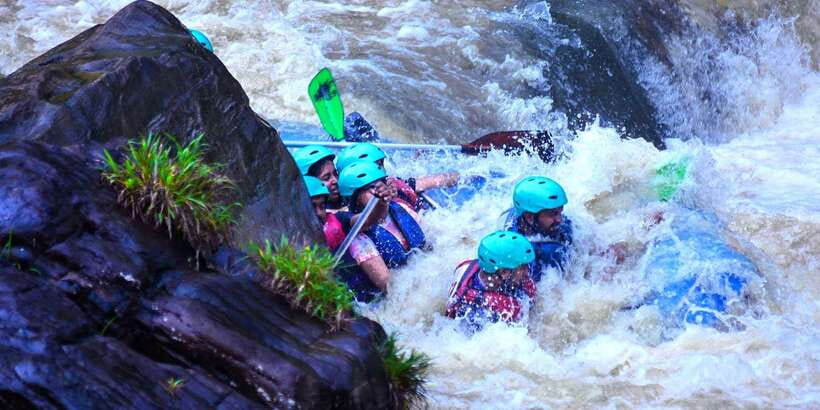
- Class 2 and 3 rapids in a single, well-paced run (about 4 km)
- Self-bailing rafts with helmets, fully adjustable life jackets, and paddles
- Swim options near the Mahamewunawa temple secret falls area plus Pallewela falls
- Jump off the boat and float down before finishing (where safety allows)
- Short duration but real variety, since rapids change fast at Kitulgala
Kitulgala Rapids: Class 2 to 3 thrills without the all-day commitment
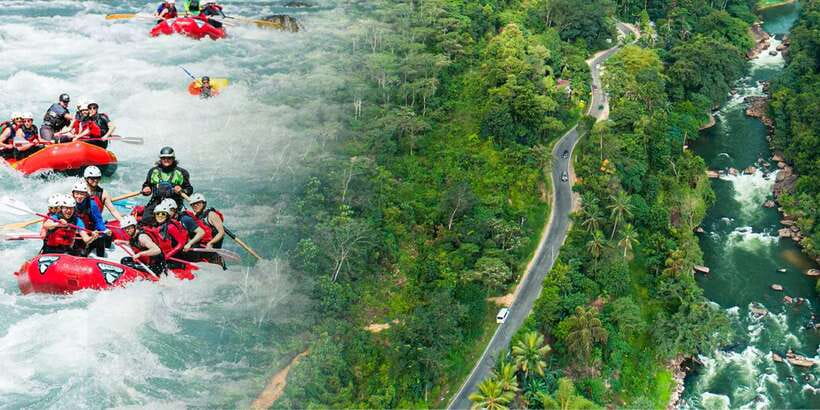
Kitulgala is famous for a reason. The river here is set up for guided rafting, with sections that match your energy level: smoother Class 2 water for warm-up, then the stronger Class 3 rapids when the group is ready. What I like about this is the structure. You’re not stuck in slow water for the whole trip, and you’re not thrown into the hardest parts without a gradual build.
Even better, the trip is designed to stay manageable. You’ll spend about 2.5 hours total with transfers and the full experience flow, while the rafting portion is around 2 hours and covers roughly 4 kilometers. That’s a sweet spot. It’s long enough to feel like you did something substantial, but short enough that you can still enjoy the rest of your day in Sri Lanka afterward.
Also, because it’s a commercial rafting center, the operation is geared for consistency: safety briefing first, gear fitted properly, and guides who focus on reading the river quickly. You’ll feel that difference right away once you’re on the water—commands are clear and the whole raft moves as a team.
You can also read our reviews of more tours and experiences in Kitulgala.
The $22 value: what you actually get for the money
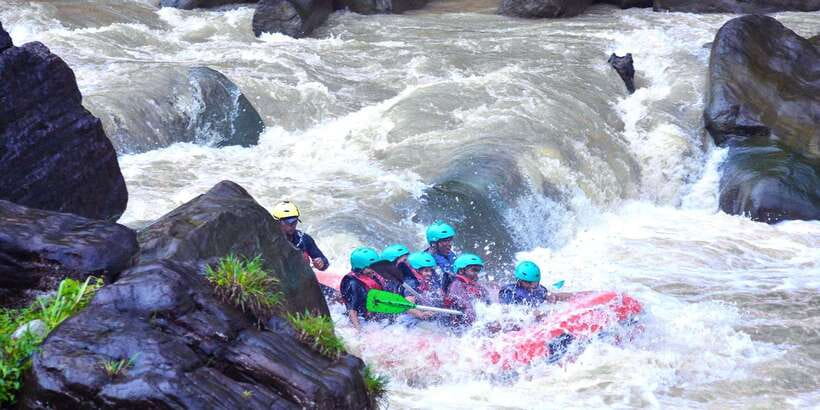
At $22 per person, this is priced like an activity you can actually fit into a normal budget—especially because a lot of the practical stuff is included. You’re not just buying access to a river. You’re getting experienced guides, helmets, life jackets, paddles, and a full safety briefing.
Self-bailing rafts with a foot loop and safety line matter more than people think. It means the raft is designed to handle splashes and rough water without turning into a chaotic free-for-all. Add the waterproof bag and it becomes easier to bring a phone or camera with less stress about rain and spray.
The cost also includes transfer from Kitulgala to the activity area and insurance coverage. That doesn’t sound exciting in a brochure, but it’s exactly what makes a short outing feel low-risk and organized.
Bottom line: this is good value if you want a real white-water experience at a price that doesn’t force you to choose between rafting and meals.
Getting set in Kitulgala: gear, safety briefing, and waterproof comfort
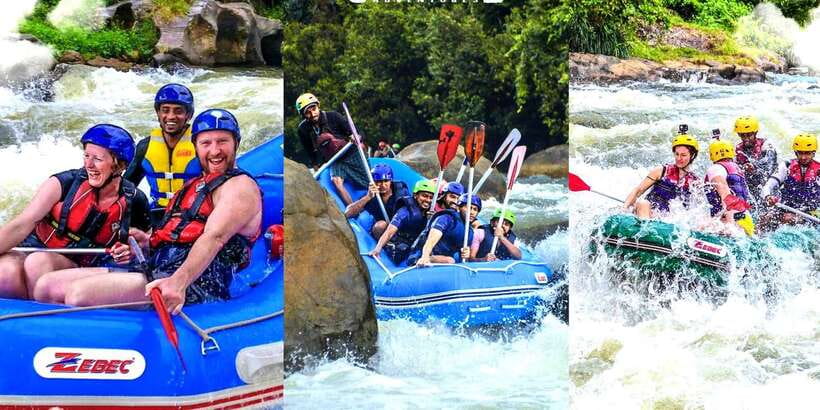
Before you hit the rapids, you’ll go through a safety briefing with your English-speaking guide. This isn’t the kind of vague talk where you hope for the best. The briefing is meant to help you understand what to do during the different river moments—especially on Class 3 sections where you need clear, quick instructions.
Then comes the gear fit:
- Helmets
- Fully adjustable life jackets
- Paddles
- A waterproof bag for your valuables
I appreciate how practical that list is. Comfortable safety gear changes everything when you’re moving from steady water into fast, choppy rapids. Also, the rafts are self-bailing, which helps with the constant spray and splashes that come with Sri Lanka’s river rafting.
Quick reality check: you will get wet. Bring a change of clothes and wear comfortable clothes you can rinse off later. Sunglasses help, but only if you’re confident they’ll stay put. Sunscreen and insect repellent are worth it too, since you’ll be outside long enough for the sun and bugs to make their point.
The river run: Butter Crunch, Killer Fall, and White Water
Once you’re on the river, the key is staying relaxed and letting the guide’s rhythm carry you. The rafting route is built around multiple rapids, and names like Butter Crunch, Killer Fall, and White Water are there for a reason: each section feels different.
Here’s what that means in plain terms:
- Class 2 rapids give you movement without constant danger. You can get your balance, figure out how the raft responds, and enjoy the motion.
- Class 3 rapids add real punch. Expect stronger currents, louder water, and moments where you feel the raft get tilted and thrown around more noticeably.
You’ll also have built-in action points. There’s a highlight where you can jump off the boat and float down the river before the trip ends, as long as conditions and safety allow. That’s the kind of moment that turns a standard rafting ride into something you’ll remember.
Even if you’re not trying to win best paddler of the day, you’ll get a role. You’ll be paddling when the guide wants it and holding position when they don’t. The best experience usually comes from listening closely and not overthinking it.
Swim breaks near Mahamewunawa temple secret falls and Pallewela
One of the most appealing parts of this outing is that the river isn’t only about adrenaline. There’s time to cool down with swim opportunities around the Mahamewunawa temple secret falls area, plus a Pallewela falls stop.
A swim break does two useful things for you:
- It gives your body a reset after hours of cold spray and intense movement.
- It turns the trip into more than just white-water. You get a nature and waterfall moment, not only a ride.
Now, quick caution in a good way: water conditions change. So treat the swim part like a chance you take if it feels safe and comfortable for your group. Wear gear you can get wet, and keep your valuables secured in the waterproof bag.
The falls stops are also a nice contrast. When the raft is moving fast, everything feels intense. At the falls, the pace slows and you can actually look around—before you get back on the water.
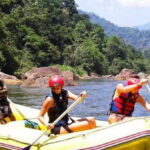
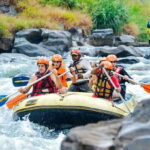
Boat-to-water fun: paddling, balance, and the jump-off moment
The vibe on a good rafting trip is teamwork. You’re in a raft with other people, and the river rewards cooperation. The self-bailing design helps, but your body still needs to adapt: brace when the guide calls for it, grip what you should, and keep your balance when the boat hits rougher water.
If you’re nervous, don’t fight that feeling. The guides handle the moments you can’t control, and your job is basically to respond quickly—sit where you’re told, paddle when you’re asked, and follow instructions on safety positions.
The jump-off and float segment is a standout highlight because it’s active rather than passive. It’s also a reminder that this is not a theme park ride. Safety and timing matter. If you’re unsure, you can still enjoy the ride without turning it into a do-or-die challenge.
How long it really takes: 2.5 hours, but river conditions can change it
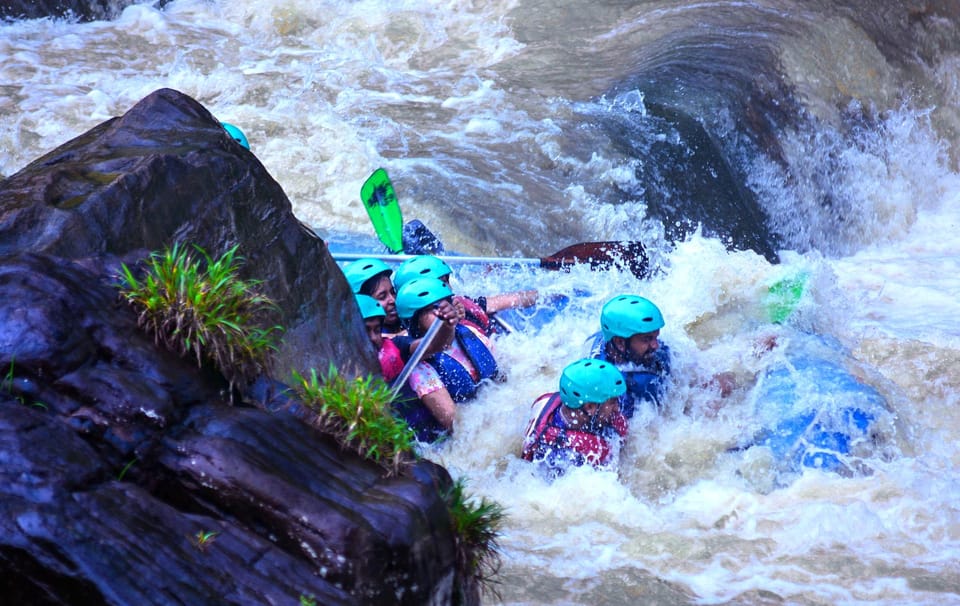
The experience is listed at about 2.5 hours, with around 2 hours of rafting and a route distance of about 4 kilometers. That’s a useful baseline, but Sri Lanka rivers don’t act like clockwork.
Water levels and weather can affect what happens during the run. If the river is running differently than expected, the guide may adjust the timing or intensity. That’s not a flaw; it’s how rafting works when nature is in charge.
For planning purposes: keep this activity unhurried. Don’t schedule a tight dinner reservation right after. Instead, treat it like your main event, then enjoy the rest of the day at your own pace.
Who should book this rafting trip, and who should skip it
This rafting adventure is built for people who like being outside, getting wet, and having fun with a bit of controlled risk. It’s also fairly beginner-friendly compared with more extreme rafting options, because you’re moving through Class 2 and 3 sections with clear guidance.
It’s suitable for:
- Ages 10 and up for the main participation
- Kids aged 5 and up can join after the Class 3 rapids (so the tougher section can be avoided for them)
- People who are comfortable following instructions quickly
It’s not suitable for:
- Children under 3
- Pregnant women
- People with heart problems
- People over 70
If you’re in any of those categories, it’s best to skip this one and choose a different Sri Lanka activity that matches your comfort level.
What to bring: simple items that make rafting easier
For a rafting day, you want clothing that dries fast, plus the basic sun and bug defense for Sri Lanka. Bring:
- Sunglasses
- Change of clothes
- Camera
- Sunscreen
- Comfortable clothes
- Insect repellent
- Passport (or a copy accepted)
Because you’ll likely get splashed constantly, keep your main electronics secured. The waterproof bag helps, but don’t treat it like a force field against everything.
Also, pay attention to what you’re not allowed to bring:
- Pets
- Weapons or sharp objects
- Baby strollers
- Littering
- Unaccompanied minors
- Alcoholic drinks in the vehicle
Those rules exist for a reason: they keep the experience safe and smooth for everyone.
English instruction and a private-group feel
The instruction is in English, and it’s a private group setup. That matters because you’ll likely get more direct, clearer coaching than in the biggest mixed groups. When you’re on fast water, clarity beats crowd noise.
If you prefer an experience where the guide can focus on your group’s pace—without constant interruptions—this format is a plus.
Should you book Kitulgala white water rafting?
If your goal is a memorable Sri Lanka adventure without spending a whole day traveling, I’d say yes. Kitulgala gives you a compact run with real Class 2 and 3 energy, plus waterfall scenery and swim options at the Mahamewunawa temple secret falls area and Pallewela falls. For $22, that combo is hard to beat.
Book it if:
- You want guided rafting with helmets, life jackets, and a safety briefing
- You’re okay getting wet and wearing a change of clothes afterward
- You like the idea of both rapids and a falls swim break
Skip or rethink it if:
- You’re not comfortable with active, fast water moments
- You fall into the not-suitable categories (like heart problems, pregnancy, or age limits)
- You need a perfectly timed schedule, since river and weather can shift the exact flow
If you’re flexible and ready for a hands-on day, Kitulgala is one of the most practical ways to get genuine white-water fun in Sri Lanka.
FAQ
Where does the pickup happen for Kitulgala rafting?
You’ll need to contact the provider for the pickup point. Use email at [email protected] (or WhatsApp as advised) to get details.
How long is the rafting experience?
The duration is listed as about 2.5 hours.
What rapids will you face?
The rafting includes Class 2 and Class 3 rapids, including named sections like Butter Crunch, Killer Fall, and White Water.
Is this suitable for kids?
It’s suitable for ages 10 and up. Kids aged 5 and up can join after the Class 3 rapids.
What’s included in the price?
Included are experienced raft guides, self-bailing rafts with foot loop and safety line, helmets, fully adjustable life jackets, paddles, a safety briefing, a waterproof bag, transfer from Kitulgala, and insurance coverage.
What should I bring?
Bring sunglasses, a change of clothes, a camera, sunscreen, comfortable clothes, and insect repellent. A passport (or a copy) is also requested.
Are there things I’m not allowed to bring?
Yes. Pets, weapons or sharp objects, baby strollers, littering, unaccompanied minors, and alcoholic drinks in the vehicle are not allowed.
Is the guide instruction in English?
Yes. The instructor provides English instruction.
What are the cancellation terms?
Free cancellation is available up to 24 hours in advance for a full refund.