Mangroves by boat in Sri Lanka beats a museum. I really like the slow mangrove lagoon cruise and the chance to spot lots of birds and animals. I also love that the day mixes wildlife with real local culture, not just scenery. One heads-up: this can feel like a long day in the car, and some stops may cost extra once you’re there.
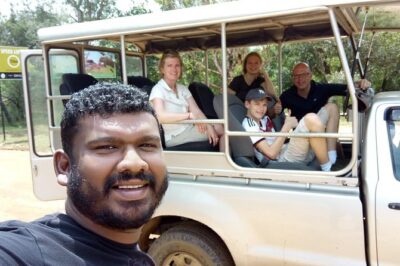
You’ll start with hotel pickup in the Western Province area and head along Sri Lanka’s west coast, passing coconut plantations, fishing villages, and everyday towns. The tour runs with a small group (up to 10), and if you’re lucky, you’ll get a guide who can explain things in a way that sticks. One guide name I’ve seen tied to this experience is Chubby, and he’s noted for keeping the information coming.
Still, manage expectations. One review mentioned that English support wasn’t always consistent during the boat part, and another flagged the spice/herbal garden as very tourist-focused. Add to that the note that large bags aren’t allowed and pregnant travelers aren’t suitable, and you’ll know this is best for people who are flexible and comfortable with a speedboat day.
In This Review
- Key things that make this tour special
- Why the Madu Ganga mangrove cruise is worth 8 hours
- Pickup Along Sri Lanka West Coast: van time, viewpoints, and first stops
- Sea turtle conservation: what you’ll learn and why it matters
- Slow boat safari through Madu Ganga: birds, crocodile chances, and mangrove roots
- Temple island, mask museum, and carving center: culture with real texture
- Bentota beach stroll, spice/herbal garden, and the extras that add time
- Price and logistics: where $90 feels fair and where it can stretch
- Who should book this wildlife and mangrove day trip
- Should you book this west coast mangrove and wildlife tour?
- FAQ
- How long is the West Coast Beach, River Mangroves Lagoon, Wildlife Boat Tour?
- Where does the tour start and how do you get there?
- What’s included in the price?
- Are meals included?
- Are entrance fees included for the turtle hatchery?
- What group size is this tour?
- Is the tour suitable for pregnant travelers?
Key things that make this tour special
- Slow cruise through Madu Ganga mangroves: it’s built for wildlife spotting, not just quick photo stops.
- Serious turtle conservation learning: you’ll get guided explanations about turtles found on Sri Lankan beaches.
- Temple island + mask museum: culture sits right alongside the nature.
- Bird and animal watching is the main event: keep your eyes on the water edge and mangrove channels.
- Bentota beach walk and included extras: king coconut, a guided stroll, plus a moon-stone mine visit.
Why the Madu Ganga mangrove cruise is worth 8 hours
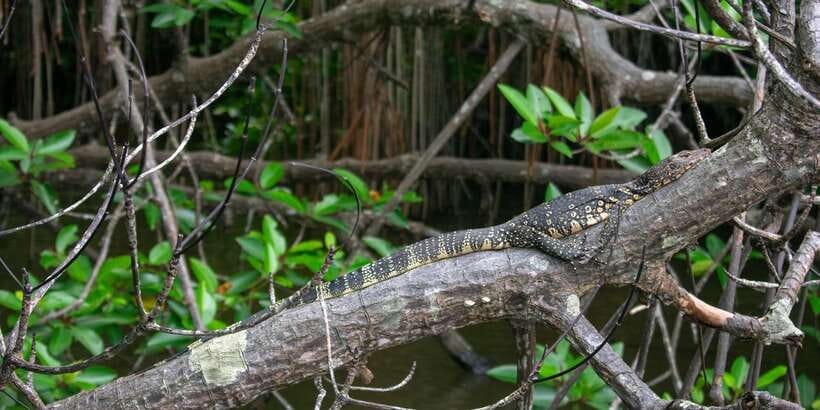
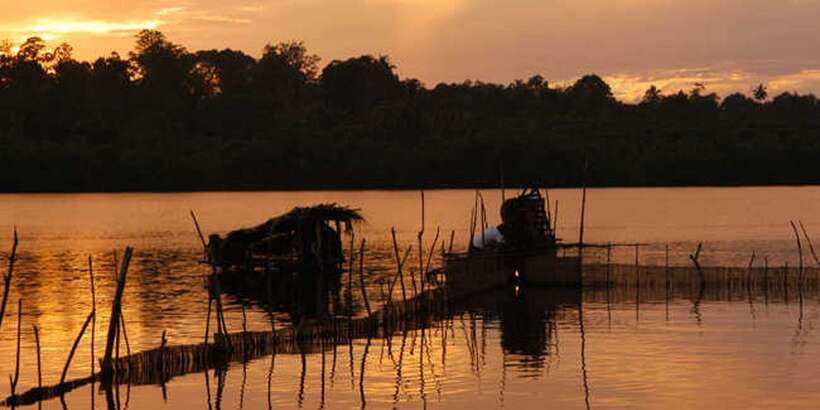
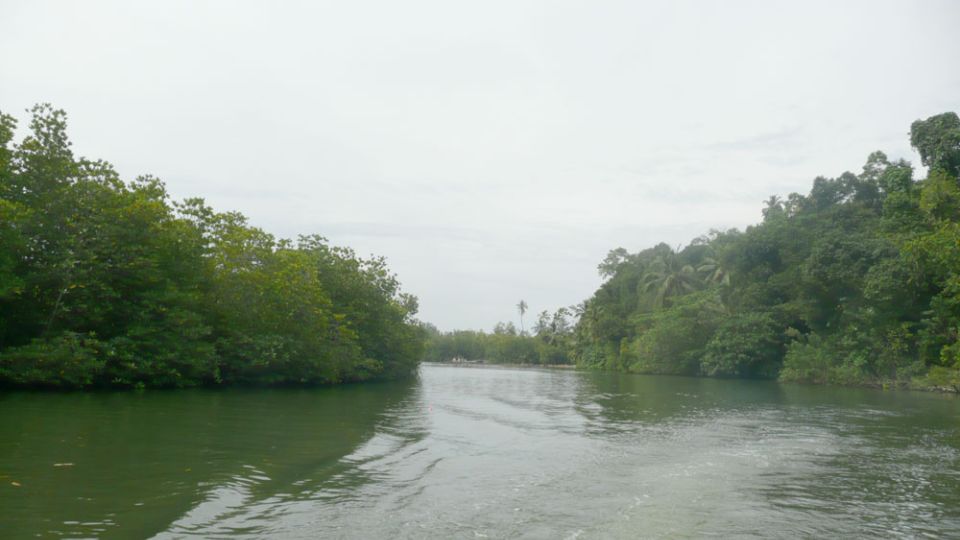
This is one of those Sri Lanka days where the best parts are slow and observational. The heart of the experience is the mangrove lagoon area around the Madu Ganga system, a protected wetland (a Ramsar wetland) that matters because it’s fragile and shrinking in many places. On this tour, you’re exploring that ecosystem by modern motorboat at a pace that gives you time to notice what’s going on along the banks and channels.
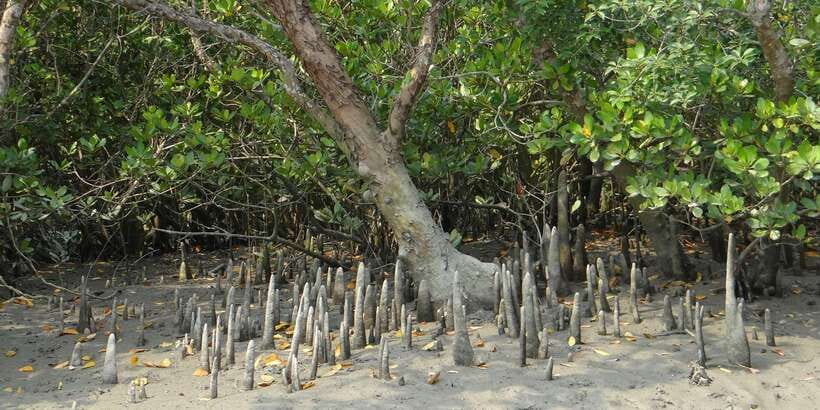
The mangroves aren’t just pretty. They act like a living nursery and shelter for lots of aquatic life, from fish and shrimp to crabs and insects. That also means birds get busy here, and you’re not only chasing big animals—you’re watching the whole food web in action. It’s a good tour if you like nature with details: birds, water movement, and the way mangrove roots shape what you can see.
You’ll also get that reassuring nature-to-culture balance. Wildlife spotting is the core, but the day doesn’t ignore the human side of the wetlands.
You can also read our reviews of more tours and experiences in Colombo.

Pickup Along Sri Lanka West Coast: van time, viewpoints, and first stops
The day begins with pickup from the Western Province, typically either Colombo or a west coast beach resort area. From there, you travel along the coast, with stops that break up the drive. You’ll pass coconut plantations, fishing villages, and towns, so even the transit isn’t just dead time. Still, the big timing truth is simple: this is an 8-hour tour, and part of it is road travel.
The first major stop centers on turtle conservation. After that, you shift into the river/lagoon experience. The order matters. Starting with turtles helps you see the “why” behind the conservation messages before you’re out on the water looking for wildlife.
One more practical point: luggage or large bags aren’t allowed. If you travel light, you’ll have less hassle when the van makes stops and when you transition between boat and walking segments.
Sea turtle conservation: what you’ll learn and why it matters
Turtles are the kind of wildlife that people love to imagine, but conservation work is where you learn how fragile that story is. This tour includes a guided visit to a sea turtle conservation center, where you can see the treatment of sick and handicapped sea turtles. That’s not a sightseeing-only stop; it’s there to show what recovery efforts look like on the ground.
You’ll also get a guided explanation focused on sea turtle species found on Sri Lankan beaches. In practice, this makes your boat time more meaningful. Instead of only scanning for birds and movement, you understand how nesting sites, human pressures, and rescue efforts tie into what happens in coastal ecosystems.
The tour also emphasizes that Sri Lanka is a prime nesting area, which helps you connect the inland-looking wetlands trip to the coast where turtles actually live their main cycles. Even if you only catch glimpses of nature from the boat, the conservation part gives you context.
Slow boat safari through Madu Ganga: birds, crocodile chances, and mangrove roots
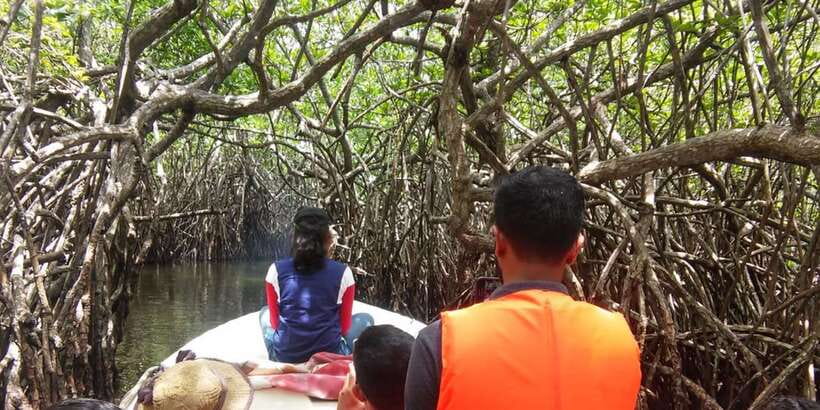
Once you’re on the water, the goal is to move through the mangrove channels at a slow cruise speed. That matters. Faster tours tend to feel like a transportation problem. This one is designed for wildlife watching as you pass thickly grown mangrove islands and quiet river stretches.
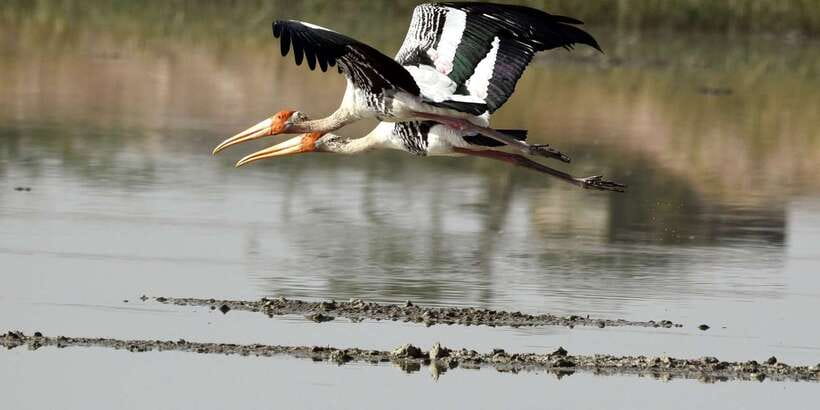
The tour’s wildlife focus isn’t limited to one group. Your eyes are meant to scan for birds like eagles, cormorants, kingfishers, babblers, and bulbuls. That’s a fun list because it forces you to look for different hunting styles—divers, perch-hunters, quick darting birds—rather than expecting one dramatic creature every few minutes.
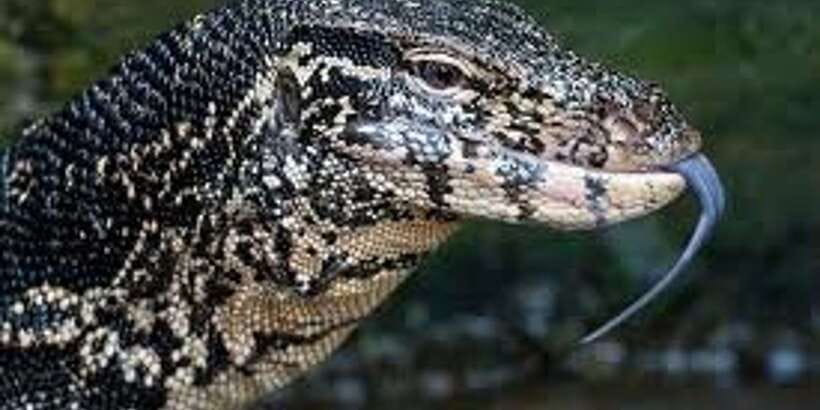
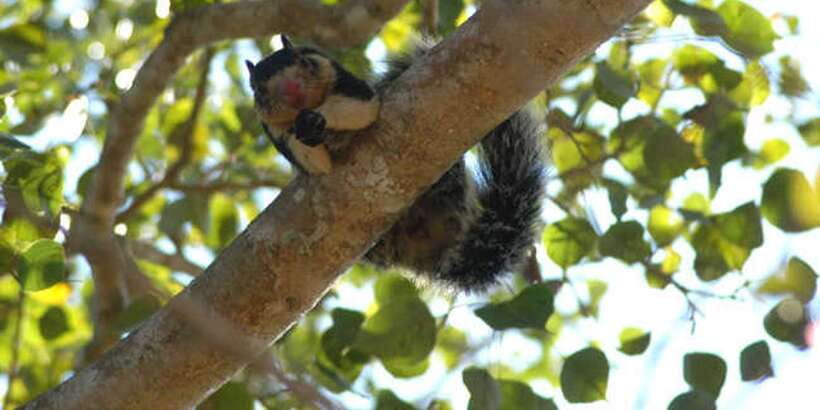
You also have opportunities to spot wild animals such as lizards, including monitor lizards, along with crocodiles and monkeys. Realistically, sightings can’t be guaranteed on any wildlife boat. But the mangrove environment is the right setting for these animals, and the tour’s timing and slow pace make it easier to notice subtle movement: a head above the waterline, a flash of color on a root, a bird hopping between branches.
One note to keep you comfortable: this includes transportation by speedboat. If you’re prone to motion discomfort, you’ll want to plan for that. The ride is part of the experience, so choose seasickness strategies that work for you.
Temple island, mask museum, and carving center: culture with real texture
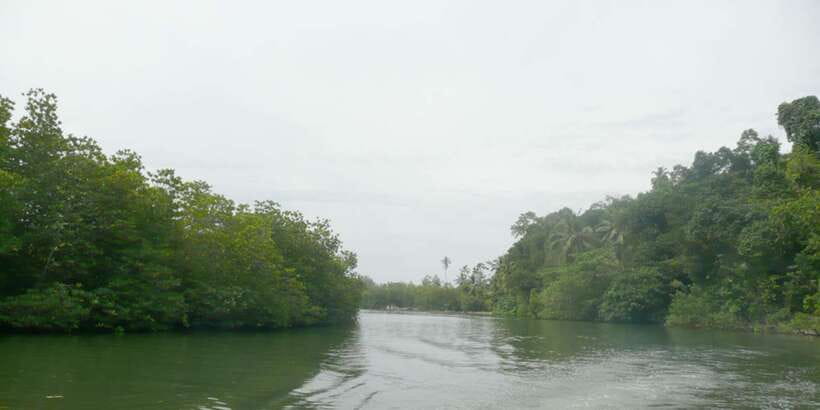
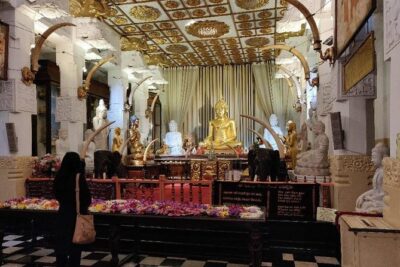
You don’t stay purely in nature mode. During the boat journey and after, you’ll visit an older temple site on the west coast—set on a secluded island setting. This kind of placement is often a clue. Temples tied to water and islands tend to sit where communities historically found meaning in the same landscapes you’re traveling through now.
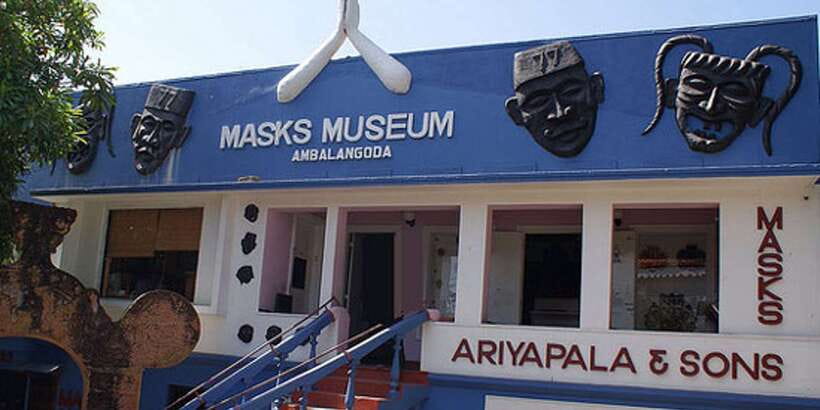
Then comes the mask museum, plus time that connects masks to folklore and ritual traditions. You’ll see hundreds of ancient masks, and you’ll be guided on their history and how they’re used. Even if masks aren’t your main interest, this stop adds a human layer: it shows how Sri Lanka collects stories and symbols around ceremonies.
Following that, you’ll visit a carving center. It’s a useful contrast to watch traditional crafts right after learning about the meanings behind masks. Instead of treating culture as something sealed behind glass, you get at least a glimpse of making and material work.




Bentota beach stroll, spice/herbal garden, and the extras that add time
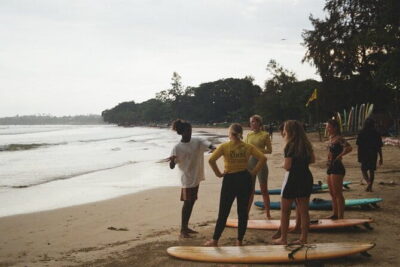
After the mangrove tour, you’ll shift to Bentota area experiences: a guided walking tour of Bentota Beach, plus a guided walk through a Bentota Beach spice and herbal garden area. The beach segment is usually the most straightforward payoff—fresh air, a relaxed stroll, and a chance to reset after boat time.
The spice/herbal garden stop can be hit-or-miss depending on your patience for salesy explanations. One review specifically called it a tourist trap. I wouldn’t treat that as a reason to cancel your day, but I would treat it as a cue: if you like botany and want gentle, educational walks, you’ll probably enjoy it more than someone expecting a hands-on plantation experience.
This tour also includes a serving of king coconut (orange coconut) and a natural moon stone mine tour. Those aren’t huge attractions by themselves, but they do make the schedule feel fuller than a simple boat-and-back. It’s the kind of mix that can work well if you want variety in one day without constant searching for tickets or directions.
Price and logistics: where $90 feels fair and where it can stretch
At $90 per person for an 8-hour, small-group day, you’re paying for more than a boat ride. Included are return transfer from resorts, a driver/guide, the boat safari, guided walking tours (Bentota Beach and the spice/herbal garden), the turtle species learning visit, temple visits, and the king coconut serving. You also get the moon-stone mine tour and a portion of the cultural programming with the mask museum area.
That’s decent value if everything included runs smoothly. The main ways the cost can creep are the parts labeled not included and the reality of day trips in Sri Lanka: entrance fees that come up on-site and tipping expectations. One review said the day ended up expensive after additional turtle-place entrance fees and tips. The listing also states that entrance fees to the turtle hatchery aren’t included, so it’s smart to budget extra even if the main tour price looks fixed.
The schedule can also feel “long day in the car.” If you hate transit, plan to treat the road travel as part of the experience rather than a burden to resent.
For luggage, remember: no large bags. Bring a small day bag only.
Who should book this wildlife and mangrove day trip
This tour fits best if you:
- want a mangrove-focused boat safari rather than only beach time
- enjoy bird watching and are okay with wildlife “chances” instead of guarantees
- like a mix of nature plus culture (temples and mask museum)
- prefer a small group (limited to 10 participants)
It may not be your best choice if:
- you want minimal driving and zero extra stops
- you’re sensitive to speedboat rides
- you’re expecting a purely educational spice garden experience (it can feel commercial)
- you’re traveling with large luggage, since it isn’t allowed
Also, it’s not suitable for pregnant women, based on the tour’s own guidance. If that applies, look for a different, calmer format.
Should you book this west coast mangrove and wildlife tour?
I think it’s a strong pick if your main goal is to see Sri Lanka’s wetlands up close, especially with a slow Madu Ganga cruise and a turtle conservation lesson before you head out. The temple island and mask museum add real meaning, not just a quick photo stop, and Bentota Beach is a nice decompression after the boat.
My decision would hinge on two things: your tolerance for a full 8-hour day with driving, and your willingness to handle small extra costs on top of the $90 price. If you show up with flexible expectations, bring a small bag, and stay patient through the cultural stops, you’ll likely come away with a day that feels more alive than a standard checklist tour.
FAQ
How long is the West Coast Beach, River Mangroves Lagoon, Wildlife Boat Tour?
The tour lasts 8 hours.
Where does the tour start and how do you get there?
Pickup is from the Western Province, and the tour includes return transfer from your resort.
What’s included in the price?
It includes a modern motorboat tour, a driver/guide in your chosen language, guided walking tours of Bentota Beach and the spice/herbal garden, a guided turtle learning visit, visits to ancient Buddhist temples, king coconut, and a natural moon stone mine tour.
Are meals included?
Meals and drinks are not included.
Are entrance fees included for the turtle hatchery?
Entrance fees to the turtle hatchery are not included.
What group size is this tour?
It’s a small group limited to 10 participants.
Is the tour suitable for pregnant travelers?
No, it’s not suitable for pregnant women.