Blue whales make Mirissa feel unreal. This 3.5-hour boat trip takes you out from a prime spot in Sri Lanka to scan for blue whales, sperm whales, and dolphin pods in the Indian Ocean. It’s the kind of morning where the sea suddenly becomes the main character, and you’re along for the action.
I especially like the mix of wildlife and meaning: you’re there for huge animals in the wild, but the trip also includes a guide who talks about marine life and ocean conservation. I also like that the experience is set up as a private group, so the vibe is less rushed and more focused than the big-fleet experience.
One consideration before you book: timing and communication can make or break the day. Some operators are great at clear meeting info and English, but you should double-check details and be ready for less-than-perfect onboard explanations if your guide’s English isn’t strong.
In This Review
- Key things to know before you go
- Mirissa and the Indian Ocean: Why this trip works in the right season
- What you’ll see on the water: blue whales, sperm whales, and dolphins
- Blue whales: the main event
- Sperm whales: deep-diving, dramatic reappearances
- Dolphins: the lively bonus
- How the 3.5 hours usually plays out on a Mirissa whale-watching tour
- Guide quality: learning about marine life and when English may be limited
- Boat reality: crowds, personalization, and how to improve your odds
- Views, sea conditions, and what to wear for a smoother ride
- Price and value: is $64 a fair deal for whale watching?
- Who this Mirissa whale tour fits best
- A practical verdict: should you book this whale-watching tour?
- FAQ
- What animals can I expect to spot on this Mirissa whale-watching tour?
- How long is the tour?
- Is the guide English-speaking?
- What’s included in the price?
- Is transportation to and from the start point included?
- What is the cancellation policy?
Key things to know before you go
- Mirissa is a seasonal hotspot: November to April is when blue and sperm whales are most commonly around.
- You’re out for a short window (3.5 hours), so sightings can feel quick if conditions aren’t ideal.
- You might see three different animals types: blue whales, sperm whales, and multiple dolphin sightings.
- The guide experience matters: the tour includes a live guide, but communication quality can vary.
- Small comforts aren’t the point, safety is: safety equipment is included, but you still need to dress for being on open water.
Mirissa and the Indian Ocean: Why this trip works in the right season
Mirissa is famous for a simple reason: the waters off its coast sit in a strong marine migration route. In the November to April window, the area becomes much more reliable for whale watching, because these seas can be busy with both food and movement. That means your odds go up, and your scan time isn’t just a gamble.
What I like about this kind of destination is that it’s not pretending whales will appear on cue. You’re not going to a zoo. You’re going to an ecosystem, where the goal is to search effectively and respect the animals. When the season lines up, it becomes a smart use of time too. A 3.5-hour tour is long enough to get out into proper open-water conditions, but short enough that you’re not stuck waiting all day.
Also, Mirissa itself is a good match for a wildlife morning. You’ve got a classic beach town feel, and it’s easy to pair the tour with lunch or a swim afterward (if the day’s conditions allow). The sea views from the boat are part of the package, even before you factor in the whales.
You can also read our reviews of more tours and experiences in Colombo.



What you’ll see on the water: blue whales, sperm whales, and dolphins
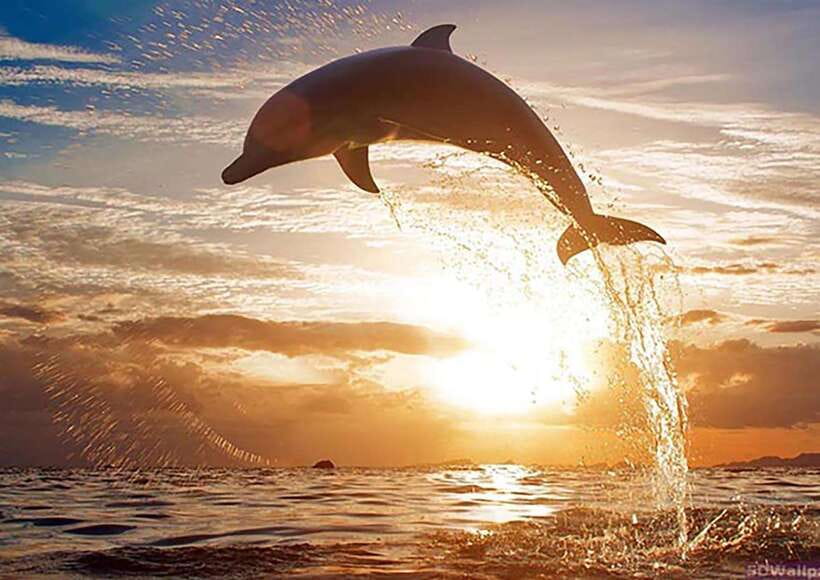
This tour is built around three headline wildlife moments.
Blue whales: the main event
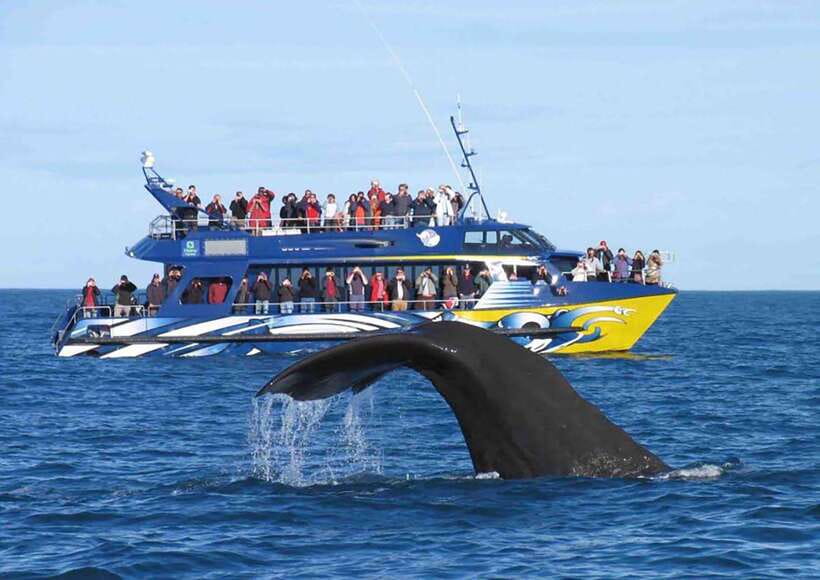
Blue whales are the world’s largest animals, and that fact alone changes the whole feeling of whale watching. When a blue whale surfaces—especially if you get a clear view of size and timing—it hits differently than most wildlife encounters. You’re looking at something that can dwarf the boat, moving with a slow, deliberate rhythm that makes it easy to understand why people remember this for years.
Sperm whales: deep-diving, dramatic reappearances
Sperm whales are known for deep dives, so you’re often scanning, then getting a sudden payoff when they surface again. That pattern can be exciting because it creates a rhythm: look, wait, watch for a blow or movement, then react quickly as the whale comes up. If you’re lucky, you’ll see more than one surface event within the short tour window.
A practical note: because sperm whales can spend more time underwater, your experience may depend on sea conditions and where the crew chooses to focus their search.
Dolphins: the lively bonus
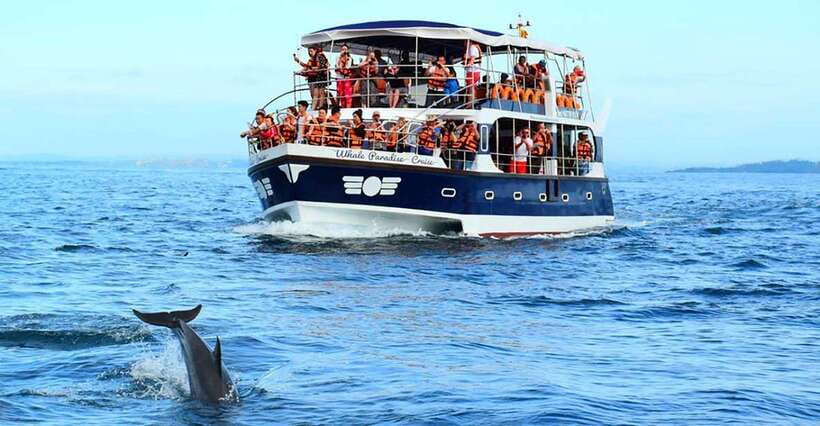
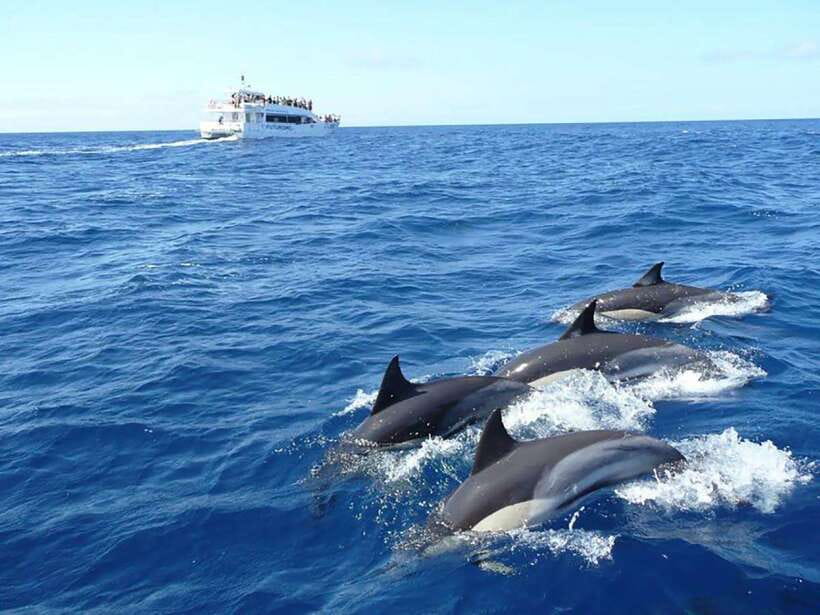
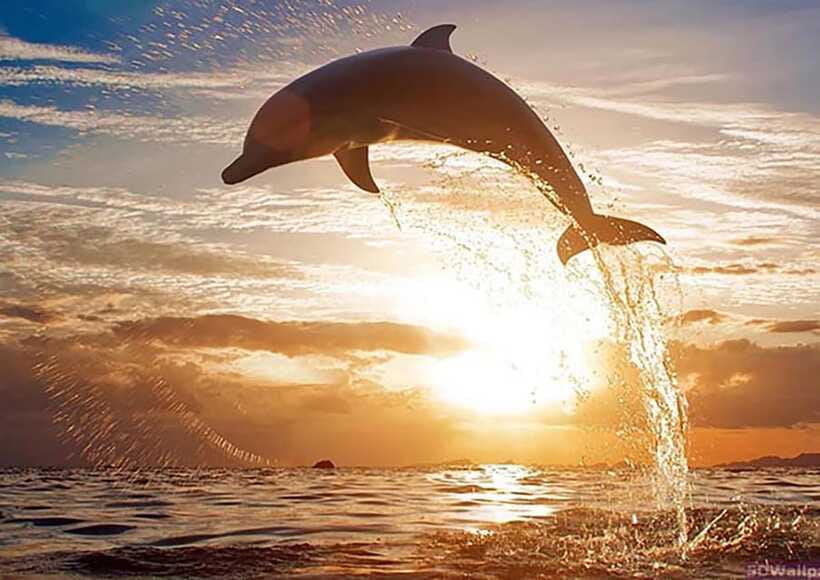
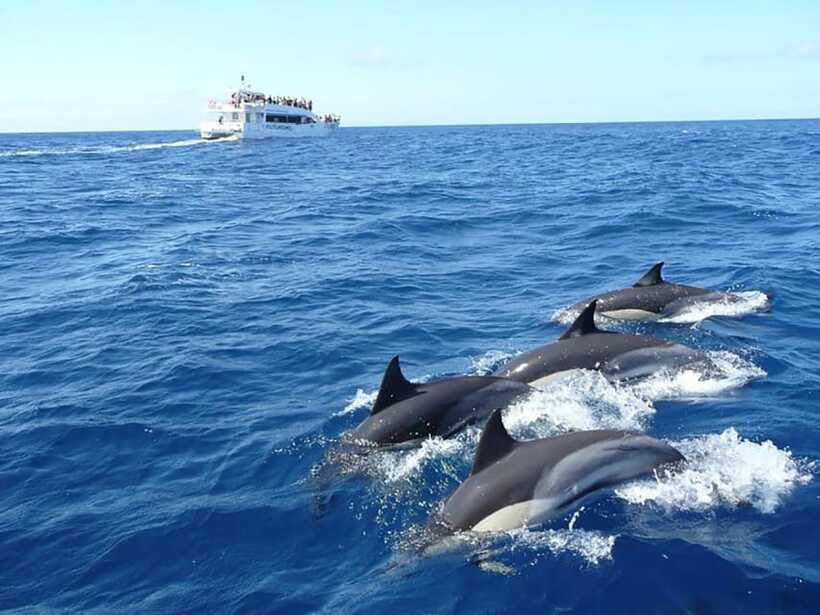
Dolphin pods tend to add movement that feels instantly fun. Instead of one giant animal appearing like a slow billboard, dolphins often give you repeated bursts of activity—leaping and coming near the boat at times. Even if whale sightings are brief, dolphins can keep the mood high.





How the 3.5 hours usually plays out on a Mirissa whale-watching tour
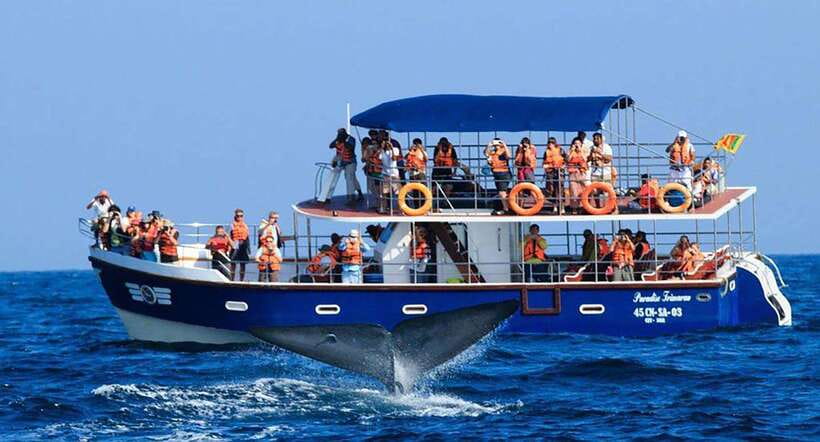
With a duration of 3.5 hours, you should expect a tight timeline. There isn’t room for long detours or a slow start. In most setups like this, your morning rhythm looks like this:
- You meet, get briefed, and gear up with the safety equipment that’s included.
- You head out quickly to the better viewing zone.
- You spend the middle of the trip scanning for blows and movement, with the guide helping you know what to look for.
- You wrap back up and return while you’re still getting value from that earlier search window.
Where this can go wrong: if the sea is choppy or whales are farther from your chosen route, the “big moments” might happen less often. One of the key things I learned from lower-rating experiences is that sometimes the animal sightings can feel too brief, with surfaces happening quickly rather than giving you extended views. If you’re the type who wants long, uninterrupted time to watch, you might feel slightly unsatisfied with a short tour.
Guide quality: learning about marine life and when English may be limited
The tour includes a live guide and is listed as English. That’s a big deal because whale watching without explanation can turn into pure scanning with guesswork.
I like the idea of getting real context: marine life isn’t just a checklist. The guide’s job is to help you connect what you’re seeing—whale behavior, movement patterns, and the reasons whales come into these waters—to the bigger conservation story. The value here isn’t only facts; it’s understanding why ocean protection matters if you want these animals to keep showing up year after year.
But here’s the honest consideration: the name Subhash came up in one experience where the guide was pleasant and on time, yet English communication wasn’t strong enough to deliver much information. That doesn’t mean every trip will be the same, but it does mean you should plan your expectations. If you care about detailed narration, send a quick message beforehand to confirm language support and what kind of commentary you’ll receive.
Boat reality: crowds, personalization, and how to improve your odds
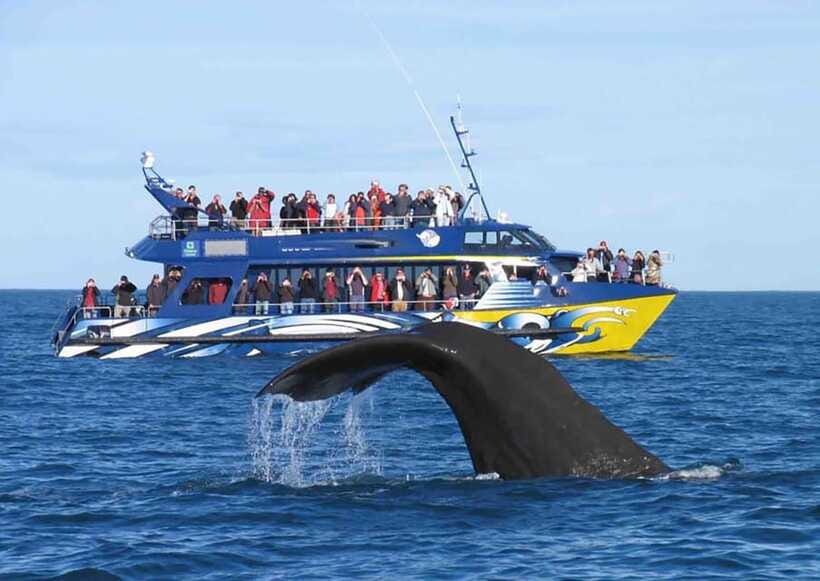
Your tour is listed as a private group, which sounds like it should feel more personal. In practice, crowding can still change depending on how many boats are out in the same search area and how the operator manages the day.
I’d watch for two things that directly affect your viewing:
- How many people are on your specific boat (more people often means less quiet scanning and fewer chances for the crew to reposition).
- How quickly the operator moves between search zones.
One experience described the trip as busy, with little personalized attention. Another noted animals appeared quickly and the viewing felt short. Those aren’t deal-breakers for everyone, but if you’re going for a deep, calm, long observation style, you’ll want to choose a time and operator that prioritize steady searching over rushing.
A small tip from how these tours tend to work: if there’s a crew member pointing out where to look, listen fast and keep your eyes on the spot they name. The “best” time for spotting is often the few seconds after movement starts—before it becomes obvious.
Views, sea conditions, and what to wear for a smoother ride
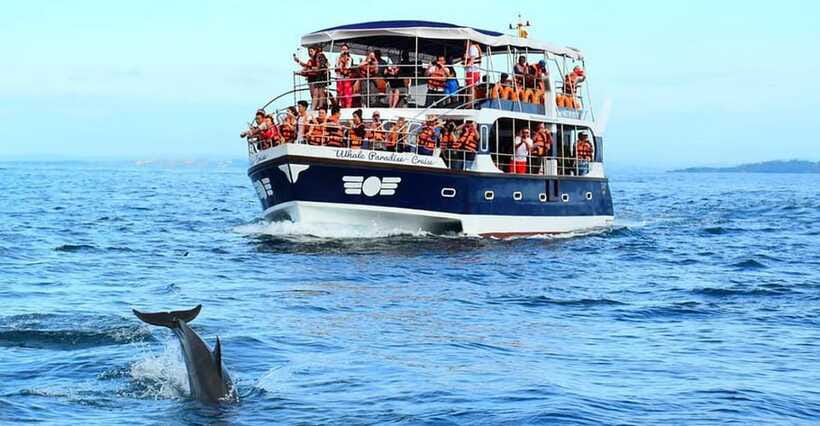
Even without whales, the coastline and Indian Ocean views are a real part of why people do this trip in the first place. But open water means you need to dress like you’ll feel wind and spray, even on a warm day.
Bring or wear:
- Something warm enough for a breeze once you’re out
- A hat or sunglasses for glare
- Non-slip footwear you’re comfortable standing in (if you have to shift positions to see)
- A quick-dry layer in case of spray
If you’re prone to motion discomfort, consider your usual travel strategy for boats. The trip is only 3.5 hours, but you still want the ride to be comfortable enough that you can keep scanning.
Price and value: is $64 a fair deal for whale watching?
At $64 per person for 3.5 hours, the question isn’t only cost—it’s what you’re buying.
Here’s what you get, based on the included items:
- A guided whale-watching tour
- A live guide
- Safety equipment
- Sharing Cures (included as listed)
What you don’t get:
- Entrance fees (not listed as included)
- Transportation to/from the start point
- Personal expenses
So your real “cost” is partly time and partly logistics. If you’re already in Mirissa and can reach the meeting point easily, the price can feel solid for a whale-focused morning. If you have to arrange extra transport, add that to your mental math.
Also consider this: whale watching is inherently variable. The value is highest when you leave with clear sightings and enough time for the guide’s explanations to make sense of what you saw. If sightings are brief or communication is limited, you may feel the trip was too short for your expectations.
To balance that risk, I’d aim for the season (November to April) and go in with flexible expectations about how often each whale species will surface during your specific window.
Who this Mirissa whale tour fits best
This is a strong fit if:
- You’re in Sri Lanka during November to April and want a wildlife morning that’s short and focused.
- You care about the “why” behind conservation, not just the photo moment.
- You like the idea of scanning with help from a guide, especially for understanding whale behavior.
It may feel less satisfying if:
- You want long, slow observation time where whales surface repeatedly.
- You’re highly sensitive to weak onboard communication. Since English quality can vary (including an example involving Subhash), double-check expectations before you go.
- You hate crowded or rushed vibes. Even with private-group listing, the overall area can attract attention, and that affects the feel.
A practical verdict: should you book this whale-watching tour?
I’d book this if your goal is a high-likelihood, season-based chance to see blue whales, with the bonus possibility of sperm whales and dolphins, and if you’re okay with a short 3.5-hour window.
I’d hesitate if clear meeting-point instructions and strong English explanation are non-negotiable for you. One lower experience flagged missing contact and meeting details after booking, and another showed that English support wasn’t always enough to deliver meaningful info. Those aren’t universal problems, but they’re serious enough that you should confirm details before your morning at sea.
If you do book, send a message ahead of time asking:
- where exactly to meet in Mirissa
- what time to arrive
- what the guide’s English level will be like in practice
That little homework can turn a potentially frustrating morning into a smooth, satisfying wildlife hunt.
FAQ
What animals can I expect to spot on this Mirissa whale-watching tour?
You’ll be looking for blue whales, sperm whales, and pods of dolphins in the Indian Ocean.
How long is the tour?
The duration is 3.5 hours.
Is the guide English-speaking?
The tour lists a live tour guide in English.
What’s included in the price?
Included items are the guided whale-watching tour, a live guide, safety equipment, and Sharing Cures. Entrance fees, transportation, and personal expenses are not included.
Is transportation to and from the start point included?
No. Transportation to/from the activity start point is not included.
What is the cancellation policy?
Cancellation is free up to 24 hours in advance for a full refund.
If you want, tell me your travel dates (month) and whether you’ll be staying in Mirissa or arriving that morning. I can suggest the smartest way to time this so you maximize your odds.