Cooking class in Anuradhapura is more than dinner. It is practical, hands-on village cooking rooted in Sri Lanka’s Rajarata tradition, with you learning the tools and methods that make the flavors feel real. I especially like the hands-on pace and the way you get to work with core tools like the miris gala stone grinder, not just watch.
You also leave with a full set of dishes you cooked yourself, including tangy ambarella curry and a fish curry that feels tied to the region. One thing to consider: it is active and you will be working near heat and wood smoke from the traditional stove, so come prepared if you are sensitive to that.
In This Review
- Key highlights you should care about
- A 3-hour taste of Rajarata cooking in a clay house kitchen
- Welcome drink, picking coconut, and starting from real ingredients
- Grinding spices on the miris gala stone grinder
- Coconut scraping with the hiramanaya, then cooking with wood heat
- The menu you’ll cook and taste in Anuradhapura
- Why this feels genuinely local (and not just a cooking demo)
- Price and value: is $40 per person fair in Anuradhapura?
- Who this cooking class suits best
- Practical tips before you go
- Should you book this GK Immersions Anuradhapura cooking class?
- FAQ
- How long is the cooking class in Anuradhapura?
- Where does the class take place?
- What dishes are included in the meal?
- Does the class include picking ingredients like coconut?
- Is the instructor available in English?
- Is the experience private, and is there flexibility on cancellation?
Key highlights you should care about
- Miris gala stone grinding so you smell spices wake up in real time
- Hiramanaya coconut scraping, a small skill that makes a big difference
- Wood-fired stove cooking that changes the flavor of everything you make
- A menu built around Rajarata ingredients: rice, curry, mallum greens, and fish
- A private, 3-hour setup with an English instructor so you can ask questions
- Coconut from tree to table, including a chance to pick your own
A 3-hour taste of Rajarata cooking in a clay house kitchen
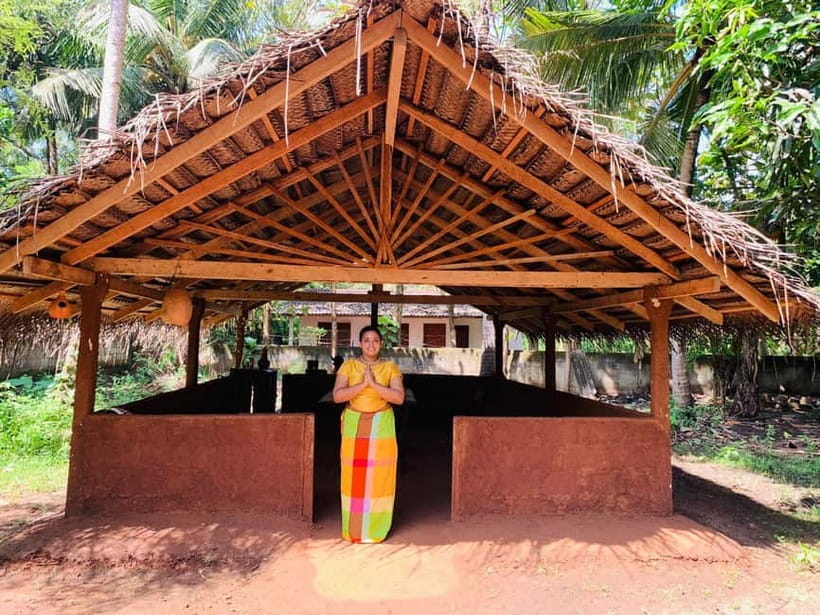
This experience takes place at a clay house kitchen shaded by a traditional coconut-leaf shelter in Anuradhapura. That setting matters. It keeps the class from feeling like a demo in a polished kitchen. Instead, you get a grounded village vibe where cooking feels like something people do every day, not a performance.
The session runs about 3 hours, which is long enough to learn by doing and still fast enough to hold your attention. You start with a local drink and then move into prep and cooking right away. The pace is practical, not rushed in a stressful way, and it keeps you engaged the whole time.
Because this is a private group, you are not stuck waiting for the slowest person in the room. You can ask questions during the process, especially if you want to understand which spice goes where and why. If you like food, you will also like how the class keeps bringing you back to the same core methods: grind, scrape, simmer, and cook with wood heat.
You can also read our reviews of more tours and experiences in Anuradhapura.



Welcome drink, picking coconut, and starting from real ingredients
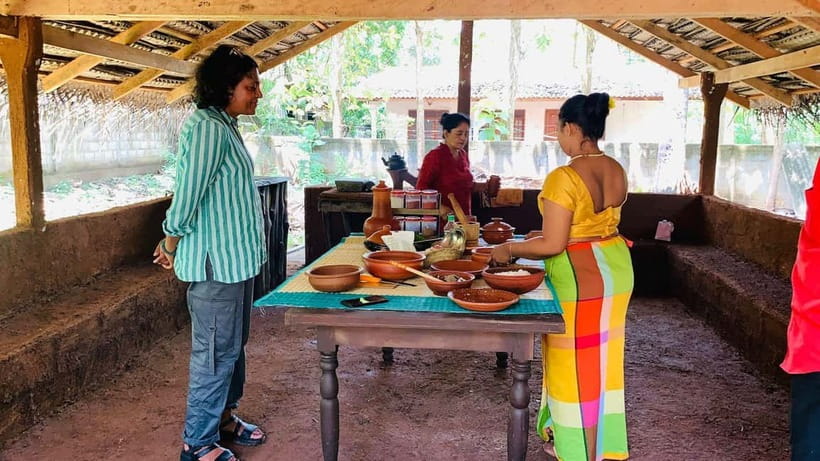
The class begins with a refreshing local drink, then you shift into the part that feels most “local”: the ingredients. Coconut is central here, and you get to pick your own coconut straight from the tree. That one detail changes how you see the rest of the cooking. You are not imagining the source. You are literally holding it.
From there, coconut becomes more than an ingredient. It turns into the base for dishes like coconut sambal, and it also shows up through the coconut scraping step you will practice later. If you have ever wondered why Sri Lankan flavors often taste layered, this is where you start to understand it: you are working with ingredients that are already fragrant, not just dried or pre-processed.
You are also working with fresh components in a garden-to-table style setup. The class uses clay pots and fresh ingredients, and you cook over a wood-fired stove with firewood elements used traditionally. It may not sound dramatic on paper, but in practice it means your food has a different aroma and texture than what you get from quick, modern shortcuts.
Grinding spices on the miris gala stone grinder
At some point, you will stand at the miris gala (stone grinder) and grind your own spices. This is one of the best parts because it is sensory and honest. You get to control the pace, and you can smell the change as the spices break down.
There is a big difference between sprinkling pre-ground powder and making your own blend. Grinding releases oils, and the aroma tells you when the spice is breaking down enough. Even if you are not a cook, you will understand what you are doing because you can smell the result immediately.
What I like here is the instruction. You are not left guessing. You learn which spices and vegetables are used and how they fit together in the dishes you cook. That matters if your goal is to recreate the flavors at home, because you leave knowing the logic, not just the recipe.
Coconut scraping with the hiramanaya, then cooking with wood heat
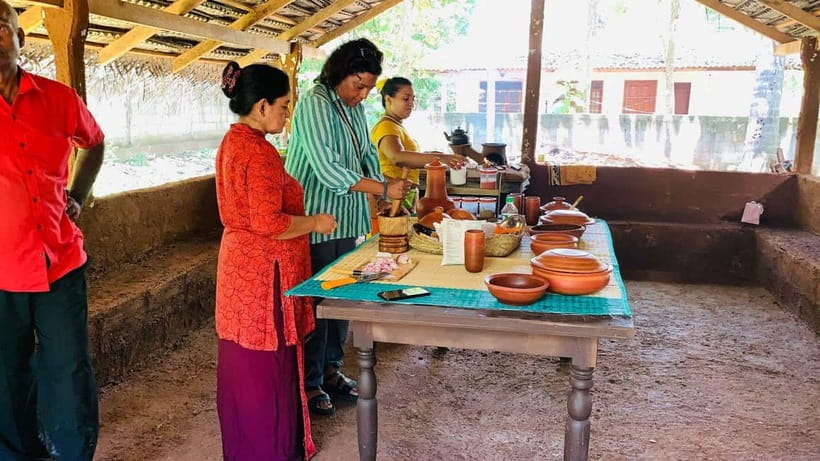
Then comes a skill most home cooks grow up with: scraping coconut using a hiramanaya. It sounds simple. It is also surprisingly satisfying. You get a hands-on rhythm going, and the coconut texture you create helps with things like sambal and other coconut-based components.
After the prep, you move to the cooking itself on a traditional wood-fired stove. Cooking over firewood is a flavor story. Smoke and heat change the way onions, spices, and curry bases behave. Even if you have cooked curries before, wood heat gives a different feel to the whole process.
You cook with clay pots, too. Clay tends to hold heat steadily. That helps curries simmer without turning into something thin or watery. If you care about mouthfeel, this is where it shows. The food ends up tasting like it was built in layers, not just cooked quickly and served.
The menu you’ll cook and taste in Anuradhapura
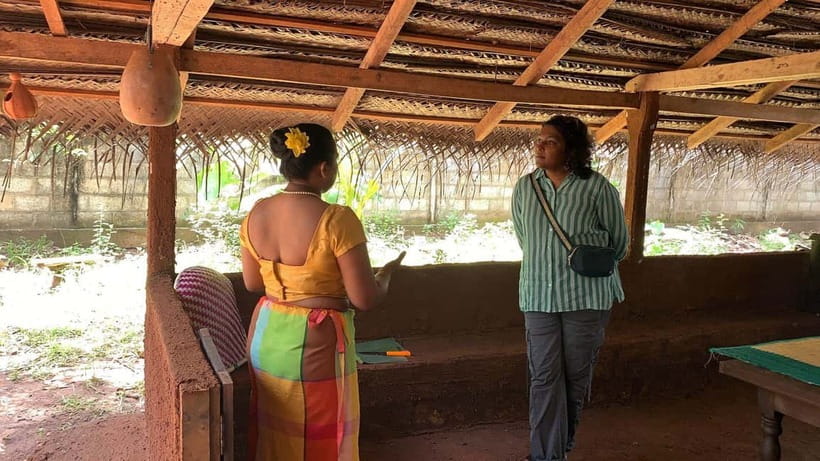
This class includes a full traditional menu. The practical value is that you are not just making one dish. You make multiple parts of a Sri Lankan meal and learn how they work together.
Here is what you can expect to cook and eat:
- Yellow rice / white rice: the base of almost every meal. The point is texture. Expect steamed, fluffy rice that holds up to curry.
- Ambarella curry: made from ambarella, a local fruit treated like a vegetable. Expect tangy, mouthwatering flavor that cuts through richness.
- Banana blossom mallum: a curry using banana blossom, with an earthy character and a more textured, spoonable feel.
- Lake fish curry: fish simmered with spices and creamy coconut milk. This one connects the cooking to the region’s waters and everyday local ingredients.
- Kathurumurunga mallum: a mixed greens curry with coconut and spices. It is lighter than some curries but still full of flavor.
- Coconut sambal: grated coconut mixed with red chili, lime, and onion. The combo is simple, but the heat and brightness make it addictive.
- Pumpkin curry: creamy, gently spiced, and slightly sweet, like comfort food with Sri Lankan seasoning logic.
For dessert, the sweet finish is fresh curd & treacle plus ripe papaya. It is a nice closing combo: creamy and sweet, then a fresh fruit note that keeps you from feeling stuffed. If you like meals that feel balanced instead of heavy, this ending works.






Why this feels genuinely local (and not just a cooking demo)
The class is built around traditional tools and methods you are likely to see in village homes. You grind spices on a stone grinder, scrape coconut by hand, and cook on a wood-fired stove. Those steps are the “how,” and the how is what you want if you are trying to understand Sri Lankan cooking beyond the taste.
It also helps that you pick coconut yourself. That simple action links the meal to the environment and daily routines of the area. Food tours can sometimes feel like a collection of stops. This one flows as a single cooking process with ingredients, tools, prep, and tasting tightly connected.
One more practical advantage: the instructor teaches in English and is positioned for a hands-on group. In a class like this, clarity matters. If you know which ingredients you are using and what each step is doing, you can actually take something home with you.
Price and value: is $40 per person fair in Anuradhapura?
At $40 per person, this is priced like an experience, not like a casual meal. The good news is that the class includes a lot more than food service.
You get:
- a welcome local drink
- hands-on tool time (stone grinding, coconut scraping)
- cooking on a traditional wood-fired setup
- picking your own coconut
- a full meal you cook and then taste, with multiple dishes plus a sweet finish
When you break it down, you are paying for instruction, ingredients, and the use of traditional tools in a village-style kitchen setting. If you are already budgeting for dinner while in Anuradhapura, this price can feel like good value because you get the meal plus the learning component and the cultural context.
If you are on a strict budget and only care about eating the food, you might decide to spend less elsewhere. But if you enjoy learning cooking basics and want a Sri Lankan meal you helped build, $40 looks fair for a 3-hour, private-group style class.
Who this cooking class suits best
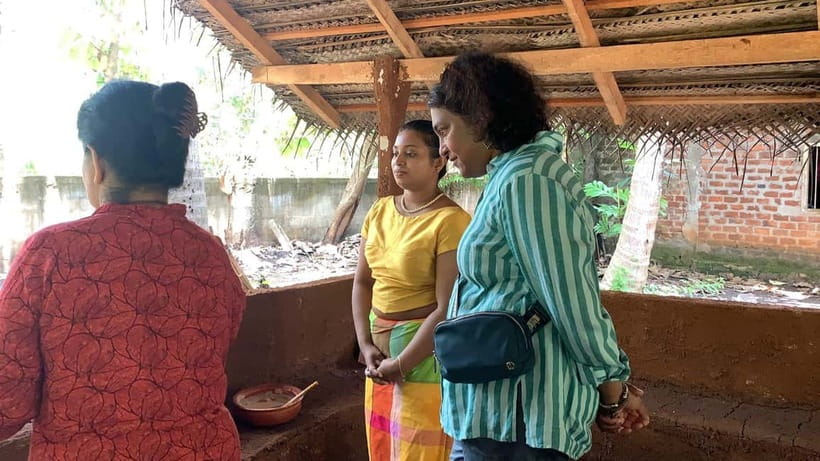
This is a great match if:
- you like hands-on cooking and want to learn tools, not just order a dish
- you want an Anuradhapura experience that is tied to local living and daily routines
- you enjoy learning how regional ingredients shape the flavors
- you want an English-friendly instructor-led session with a private group feel
It may be less ideal if:
- you dislike working near heat or smoke from a wood-fired stove
- you want a purely classroom-style experience with zero mess or physical tasks
- you are traveling only with a very light snack mindset, because you will end up cooking and eating a complete meal
Practical tips before you go
A couple of small things can make a big difference.
- Bring mosquito repellent if you have it. One useful note from past participants is that repellent helps.
- Wear clothes you can get a little messy in. You will be handling ingredients and working with kitchen tools.
- Expect smoke from the wood-fired stove. It is part of the authenticity, but you will feel it near the cooking area.
- If you want to recreate dishes later, pay attention during grinding and mixing steps. Those parts control flavor more than most people realize.
Should you book this GK Immersions Anuradhapura cooking class?
I think you should book it if you want a true hands-on Anuradhapura cooking class experience. The value comes from doing the work: grinding spices on the miris gala, scraping coconut with the hiramanaya, and cooking on a wood-fired stove. You do not just taste Sri Lanka. You practice it.
I would skip it only if smoke/heat makes you uncomfortable or you are not interested in cooking at all. Otherwise, this is one of those experiences that gives you both a meal and a practical understanding of how the flavors get built.
FAQ
How long is the cooking class in Anuradhapura?
The class lasts about 3 hours.
Where does the class take place?
All activities happen at the clay house kitchen with a traditional coconut-leaf shelter.
What dishes are included in the meal?
You cook and eat rice, lake fish curry, ambarella curry, kathurumurunga mallum, coconut sambal, pumpkin curry, banana blossom mallum, and a sweet finish of fresh curd & treacle plus ripe papaya.
Does the class include picking ingredients like coconut?
Yes. Picking your own coconut straight from the tree is included, along with coconut scraping and cooking over the wood-fired stove.
Is the instructor available in English?
Yes, the instructor is described as speaking English.
Is the experience private, and is there flexibility on cancellation?
It is a private group. Free cancellation is available up to 24 hours in advance for a full refund, and you can reserve now and pay later.