Elephants run on their own schedule. This private half-day Minneriya safari from the Dambulla area is built around maximizing sightings, with a hotel pickup and a 3-hour Jeep drive in prime habitat.
What I like most is the pace: you’re not stuck in a long, stop-and-start group scramble. You get front-door convenience in the afternoon, then settle in for focused animal time.
One thing to plan for: park choice can shift (Minneriya, Kawdulla, or Hurulu Eco Park) depending on where the elephants are at the time.
In This Review
- Quick reasons this Minneriya safari feels like a smart use of time
- Why Minneriya’s elephant gatherings are worth the drive
- Dambulla pickup and the afternoon timing that keeps things efficient
- The Jeep safari structure: why 3 hours matters
- What you might see besides elephants (and why that’s part of the fun)
- Inside the park: biodiversity numbers that hint at what you’re walking into
- The park switch: Minneriya, Kawdulla, or Hurulu Eco Park
- Cost and value: what $50 covers, and what to budget for
- What’s included on the day (so you can travel lighter)
- A note on safety and respectful viewing
- Weather reality: why the best plan still depends on the sky
- Who this tour suits best
- Booking call: should you book this Minneriya half-day safari?
- FAQ
- Where is pickup and drop-off for this safari?
- What time does the safari start?
- How long is the tour?
- Is the national park entrance fee included in the price?
- Is this a private tour or a shared group?
- What animals can I expect to see?
- Do I need a passport?
- What happens if the weather is bad?
- What does the tour include for food and water?
Quick reasons this Minneriya safari feels like a smart use of time
- Private group setup with only your group in the Jeep, not a big cattle-call
- A full 3 hours inside the park for wildlife spotting, not a quick drive-by
- Elephant-focused timing centered on the region’s famous Asian elephant gatherings
- Pickup and drop-off from Dambulla area hotels so you don’t lose half a day to logistics
- Refreshments and water bottles included during the safari stretch
Why Minneriya’s elephant gatherings are worth the drive
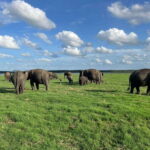
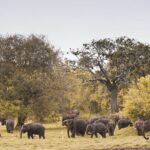
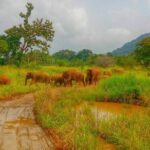
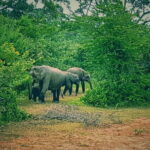
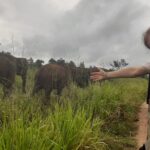
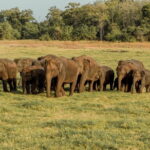
Minneriya National Park is known for one of the largest wild Asian elephant gatherings you’ll ever see in a single place. The big draw is scale: when elephants concentrate here, the sight can feel almost surreal, especially from a Jeep where you’re high enough to track movement but close enough to see behavior.
What makes this kind of tour valuable is not just the chance to see elephants. It’s the way the experience is timed and paced for animals that move. In a place like Minneriya, you’re never chasing a fixed show. You’re reading the park, the light, and the herd’s rhythm, while your driver aims for the best viewing options.
You can also read our reviews of more tours and experiences in Anuradhapura.


Dambulla pickup and the afternoon timing that keeps things efficient
This half-day outing runs about 4 hours 30 minutes total, with a start time of 1:30 pm. You’ll want to be ready in the lobby about 15 minutes before pickup, because the afternoon schedule matters once everyone is on the road.
Why I like the timing: it’s a practical middle option. If you don’t want a full-day excursion, this gives you a solid wildlife window without forcing an early-morning start. The plan also includes hotel pickup and drop-off to the closest hotels in the Dambulla area, which keeps you from adding extra taxi rides on top.
The Jeep safari structure: why 3 hours matters
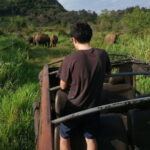
Your core experience is a 3-hour Jeep safari, led by your team inside the park. That time block is long enough to do real looking, not just a few quick passes. Elephants don’t always appear instantly, and their location can shift as they graze and move between watering and feeding zones.
You’ll be inside the park during your main spotting window, and the tour is designed to help you maximize animal sightings. In practice, what that usually means is the driver and guide keep an eye out and adjust the route based on where the signs are—movement in the trees, herd tracks, or the telltale presence of other wildlife.
Also, you’re traveling in a private setup. That matters because it often reduces pressure. Instead of being rushed by a packed schedule or worrying about where everyone else is, you can stay focused on what’s happening outside the vehicle.
What you might see besides elephants (and why that’s part of the fun)
Yes, elephants are the headline. But this park life includes more than one big act.
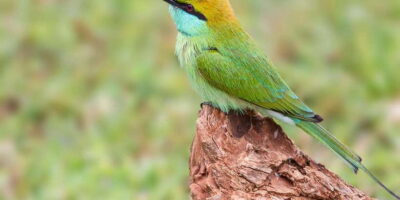
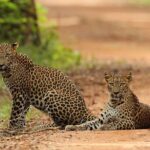
Your safari time can also bring sightings of monkeys, mongoose, and spotted deer, plus other wildlife that shares the same landscape. There are also plenty of birds and small animals in the park’s ecosystem, so even when the elephant herd is momentarily out of view, you’re not stuck with nothing to watch.
If you enjoy noticing patterns, this is a nice way to practice wildlife “reading.” You’ll likely spot activity at different levels—bird movement first, then signs on the ground, then larger animals moving through. That layered wildlife mix is one reason a 3-hour drive feels rewarding rather than repetitive.
Inside the park: biodiversity numbers that hint at what you’re walking into
Even if you don’t memorize species lists, it helps to understand what kind of ecosystem you’re entering. Minneriya is described as home to 24 mammal species, 160 bird species, and a wide range of reptiles and other groups.
Those numbers matter because they explain the experience beyond elephants. A park with that many bird species tends to give you constant visual cues—watching branches, scanning for movement, and noticing when the action shifts. The reptiles, amphibians, and butterflies listed also support the idea that wildlife activity doesn’t only happen “when the elephants show up.”

The park switch: Minneriya, Kawdulla, or Hurulu Eco Park
Here’s a key detail that can affect what you see: elephants shift between parks. Because of that, your safari is conducted in the relevant park at the time of your tour—Minneriya, Kawdulla, or Hurulu Eco Park.
This doesn’t mean you’re at the mercy of bad planning. It means the tour is reacting to where the herd is, which is exactly what you want for elephant sightings. If your goal is maximum elephant time, a flexible park choice can be smarter than insisting on a single map pin.
Just keep in mind: the name on your day can change. Your experience should still focus on Jeep safari time and the elephant-gathering viewing goal, but the exact park can vary based on current elephant movement.
Cost and value: what $50 covers, and what to budget for
The listed price is $50.00 per person for this half-day safari from the Dambulla area. At this rate, the value comes from what’s included: hotel pickup and drop-off, the Jeep safari cost, refreshments and water bottles, and all government taxes.
What isn’t included is important: entrance fees to Minneriya National Park are about $25.00 per person (approximately). Since the park could also be Kawdulla or Hurulu Eco Park, entrance fees could vary by final park choice, but the key takeaway is that park entry is an extra cost you should expect.
So the real value calculation looks like this: you’re paying for transportation + a Jeep safari + a focused wildlife block, and then adding the park admission separately. If you were to arrange a Jeep and driver on your own, that combination can easily cost more once you factor in time, fuel, and coordination.
What’s included on the day (so you can travel lighter)
This tour includes several small but meaningful comforts:
- Refreshments and water bottles during the safari
- Pick up and drop off via a safari jeep for hotels in the Dambulla area
- Cost of the safari jeep
- All government taxes
That means you’re not scrambling to find food or water mid-drive. It also helps if you prefer to keep your planning simple: you show up, get into the Jeep, and focus on the wildlife.
You’ll still want to bring the basics that the tour explicitly calls for. Plan on wearing comfortable attire suited for a safari day, and bring your valid passport because you’ll need it for national park entry.
A note on safety and respectful viewing
The elephant part of this tour works best when the people running it treat the animals as wildlife, not a show. Your driver and guide are expected to seek animals safely and respectfully, and that kind of approach is what keeps the experience smooth.
In a practical sense, this matters for your viewing too. When a driver knows how to move in a responsible way, you tend to spend more time where the animals are behaving naturally, rather than constantly repositioning in ways that disturb the herd.
Weather reality: why the best plan still depends on the sky
This experience requires good weather. If it’s canceled due to poor weather, you’ll be offered a different date or a full refund.
That’s worth noting because wildlife viewing can be unpredictable when conditions are rough. In rainy or stormy weather, visibility and comfort both drop. So if you’re planning around tight travel days, I’d keep one flexible option close by when you can.
Who this tour suits best
This half-day format is ideal if you want elephants without turning your day into a long haul.
You’ll likely love it if:
- You’re staying in the Dambulla area and want door-to-door pickup
- You care about elephant herds and want a Jeep safari window built around spotting
- You prefer a private experience rather than sharing the Jeep and schedule with strangers
- You want a wildlife outing that fits well alongside other cultural stops
It may be less perfect if you’re specifically chasing a single named park no matter what. Since the elephant location can move, the day’s park name can change to match the herd.
Booking call: should you book this Minneriya half-day safari?
I’d book it if your priority is straightforward: more elephant time with less hassle. The included Jeep safari block, the 3-hour wildlife window, and the Dambulla hotel pickup make it a practical choice, especially when you don’t want to lose an entire day to logistics.
If you’re someone who enjoys the bigger picture—elephants plus other animals, birds, and park life—this style of safari gives you enough time to catch different kinds of wildlife activity, not just one quick sighting.
The main “decision” comes down to cost awareness. Budget for park entrance fees on top of the $50, and be ready for the park name to shift based on where elephants are at the time.
FAQ
Where is pickup and drop-off for this safari?
Hotel pickup and drop-off are provided to the closest hotels in the Dambulla area, and the activity ends back at the meeting point.
What time does the safari start?
The start time is 1:30 pm.
How long is the tour?
The duration is about 4 hours 30 minutes, with a 3-hour Jeep safari inside the park.
Is the national park entrance fee included in the price?
No. Entrance fees are not included and are listed as approximately US$25.00 per person.
Is this a private tour or a shared group?
It’s private. Only your group will participate.
What animals can I expect to see?
You’re mainly there for wild elephant gatherings. The tour also notes possible sightings of monkeys, mongoose, spotted deer, and other wildlife.
Do I need a passport?
Yes. You should bring a valid passport for entering the national park.
What happens if the weather is bad?
Good weather is required. If it’s canceled due to poor weather, you’ll be offered a different date or a full refund.
What does the tour include for food and water?
Refreshments and water bottles are included during the safari.