Bird calls in the mist start early here. This birdwatching tour in Sinharaja Rain Forest is built for real field time, with a guide who focuses on birds and the bigger web of plants and animals around you.
What I like most is the private, guide-led format: you go at your group’s pace, and the guide helps you make sense of sounds, spots, and habitats. I also like that the trip covers the basics that often get annoying to sort yourself, like breakfast, entrance, and bottled water bundled into the price.
One consideration: this is a long morning in good weather, starting at 5:30 am, so you should be ready for an early start and a few slow stops for photos and careful listening.
In This Review
- Key things you’ll notice on this Sinharaja bird tour
- Why Sinharaja birding starts before sunrise
- Getting to the forest entrance from Deniyaya
- The heart of the tour: Sinharaja Forest Entrance with your guide
- What makes the guide matter so much (and why Achi gets praised)
- Time for photos and videos without turning the walk into a sprint
- Included items that actually help you in the rainforest
- Price and value: why $140 may be fair for what’s bundled
- The one drawback to plan around: weather and early timing
- Who this Sinharaja bird tour fits best
- Tips to get more from your birdwatching day
- Should you book Bird Watching Tours in Sinharaja Rain Forest?
- FAQ
- What time does the bird watching tour start?
- Where does the tour begin and end?
- How long is the tour?
- Is pickup available?
- What’s included in the price?
- What happens if the weather is poor?
Key things you’ll notice on this Sinharaja bird tour
- 5:30 am start means you’re in the forest when bird activity is often strongest
- A licensed guide handles the bird-finding work and explains flora and fauna, not just checklists
- Private group only: your timing and pace matter, especially for photography
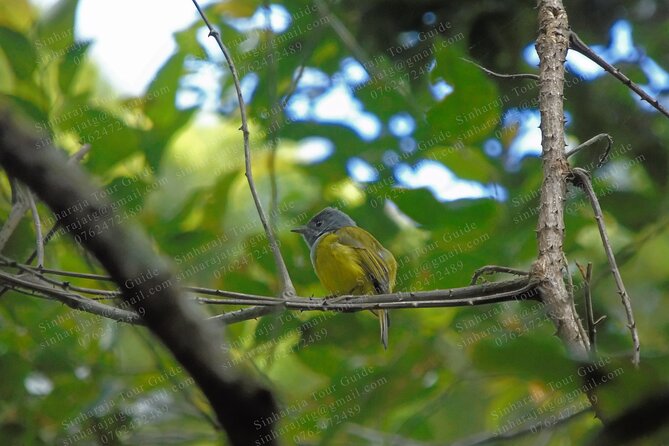
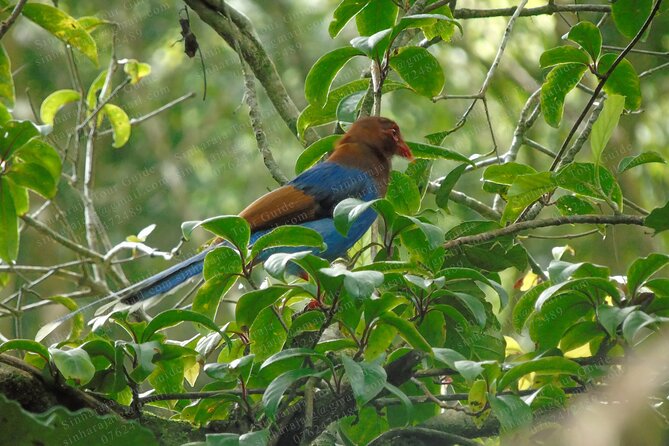
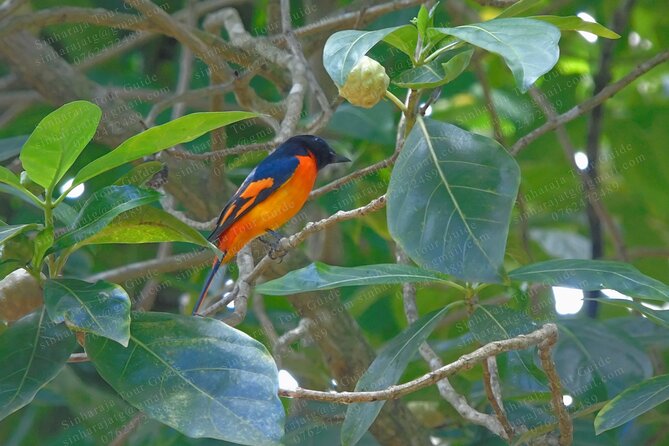
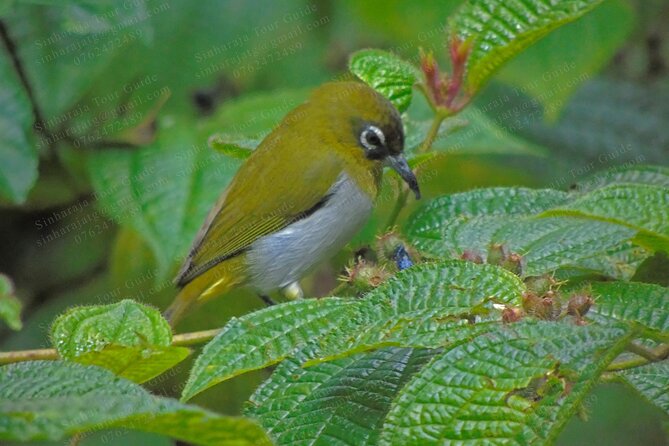
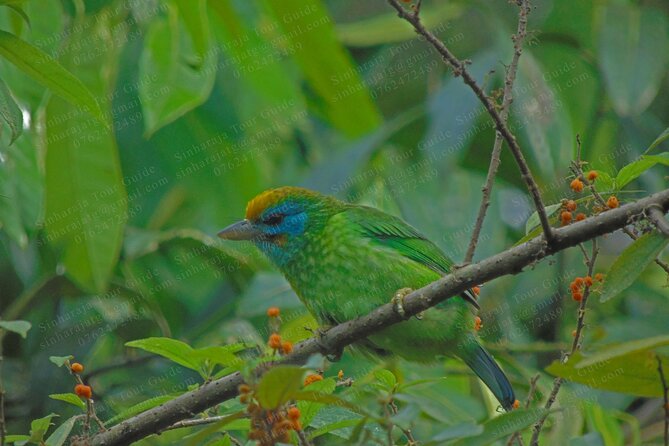
- Endemic, migrant, and native birds are the focus, with plenty of time to watch and record
- Leech socks + bottled water are included, so you’re not scrambling for basic field gear
Why Sinharaja birding starts before sunrise
Sinharaja Rain Forest isn’t the kind of place you rush through. The whole experience is shaped by that simple reality. With a 5:30 am start, you’re heading into the forest while things are still quiet and the morning feels more “alive” than “busy.” If you’ve ever tried birding later in the day, you know how quickly sightings can get harder once activity shifts.
The best part is that this tour is designed for attention. You’re not just walking a route and hoping luck shows up. Your guide is there to help you connect what you see with what you’re hearing and where you are in the habitat. That’s a big deal in a dense rainforest, where birds can be present but hard to spot.
Also, the tour description gives you flexibility. Even if one timing window is listed elsewhere, the practical reality is that you can take your time for photographs and videos. In rainforests, “quick stops” often lead to blurry results. This tour supports slowing down enough to get usable shots.
You can also read our reviews of more tours and experiences in Galle.

Getting to the forest entrance from Deniyaya
This activity starts in Deniyaya, Sri Lanka and ends back at the same meeting point. Pickup is offered, and your guide meets you at the pickup location or starting point. That matters because early starts can turn stressful if you’re coordinating transport last-minute.
The schedule is approximate at 8 to 9 hours, and it’s a full chunk of the day. Plan your timing around that. You’ll likely want a proper breakfast before heading out, but the tour includes breakfast, so you’re not doing this hungry.
One more small but important detail: the tour includes a mobile ticket. That’s helpful if you’re traveling with limited patience for printed documents early in the day. It’s also one less thing to worry about at check-in.
The heart of the tour: Sinharaja Forest Entrance with your guide
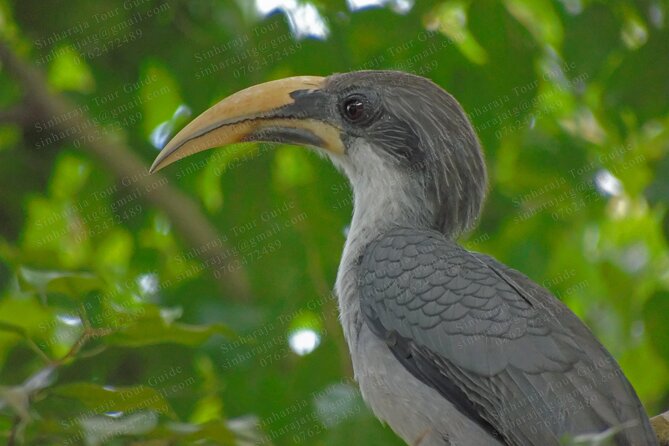
The itinerary has one main stop: Sinharaja Forest Entrance. That sounds simple on paper, but in birding terms, it’s exactly what you want. You’re focusing on the forest itself rather than spending the day bouncing between unrelated viewpoints.
When you arrive, your licensed and experienced guide takes over. The focus isn’t only birds. You’ll get explanations about flora and fauna too. That matters because rainforest birdwatching isn’t only about spotting a bird; it’s about understanding why it’s there. Food sources, cover, and movement patterns are tied to plant life and the forest’s structure.
The tour runs long enough to let you settle into a rhythm: pause, listen, scan, adjust your angle, then move slowly when you have a reason. In practice, the “best” parts often happen during the quiet moments, when you’re standing still long enough to hear a call and track it.
What makes the guide matter so much (and why Achi gets praised)
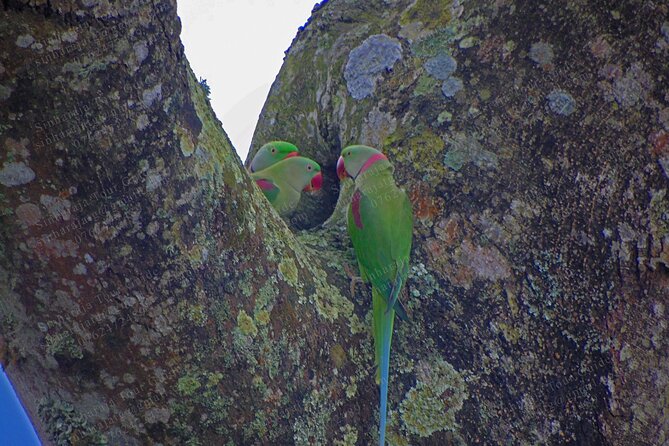
This is one of those experiences where the guide can make or break your day. In the provided feedback, a guide named Achi is singled out for being a standout bird guide with deep experience in Sinharaja. The key strengths mentioned are his ability to identify bird calls, understand habitats to visit, and explain what you’re seeing in context.
So here’s the practical translation for you: don’t treat calls as background noise. With the right guide, bird sounds become clues. You’re more likely to get real sightings instead of walking past noise and wondering what it was.
Also, Achi’s strengths aren’t presented as “just labels.” They’re framed as field knowledge: where to go, what to listen for, and how to interpret what you’re seeing. If you’re serious about birdwatching (or you want to become serious quickly), that’s exactly the kind of skill you’re paying for.
Time for photos and videos without turning the walk into a sprint
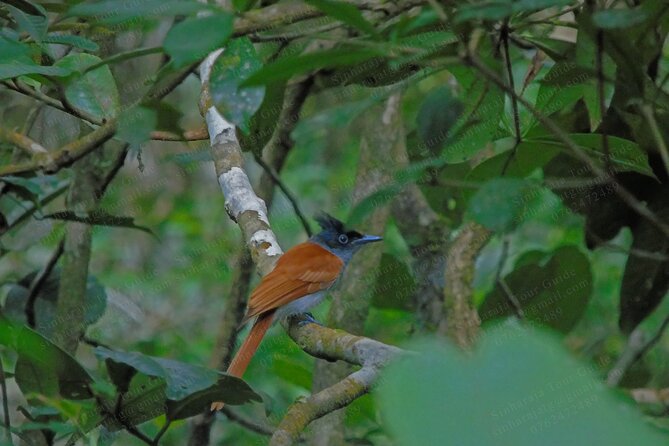
The tour notes that you can take as long as you like for photographs and videos. That’s important. Many half-day tours feel like they’re chasing the next stop. Here, you’re given permission to linger when something is happening in the canopy.
In rainy or humid environments, it’s also normal for conditions to shift fast. Light changes, mist rolls in, and bird movement can be brief. The ability to slow down helps you react instead of just recording motion blur and moving on.
What I like about this setup is that it respects different birding styles:
- If you want close, patient watching, you can do that.
- If you’re filming, you’ll benefit from the extra waiting time.
- If you’re new to birding, the explanations about habitat and other rainforest life help you learn while you go.



Included items that actually help you in the rainforest
It’s not just a “guide and a walk” situation. The tour includes a set of practical items that reduce friction:
- Breakfast: helpful for a 5:30 am start
- Entry fee: you don’t have to buy tickets separately
- Guiding fee: core of the experience
- All fees and taxes: no surprise add-ons mentioned here
- Bottled water: you’ll want it on a long morning
- Leech socks: included for comfort and field practicality
About those leech socks: the fact that they’re included tells me this isn’t meant to be a casual stroll in the park. It’s meant to get you into real rainforest conditions without leaving you to sort out basic protection on the fly. You’ll be happier if you treat the forest like the forest, not like a scenic backdrop.
Price and value: why $140 may be fair for what’s bundled
The price is listed at $140 for 8 to 9 hours with a private group, a licensed guide, breakfast, and rainforest entry included. At face value, that’s not “cheap,” but it also isn’t just you and a map.
You’re paying for:
- Local guiding through a tough environment
- Entry to the forest area
- Food at the start of a long day
- Basic supplies like bottled water and leech socks
If you tried to replicate this yourself, you’d likely end up paying for a guide anyway once you realize how much birding depends on finding the right habitat and interpreting sounds. And you’d still need entry, transportation coordination, and basic gear planning.
So I’d think of this price as buying time and expertise, not just transportation. In a rainforest, those are the things that turn an okay day into a memorable one.
The one drawback to plan around: weather and early timing
This experience is listed as requiring good weather. If weather cancels the tour, you’ll be offered a different date or a full refund. That’s a fair safety net.
Still, weather can affect how the day feels. Heavy rain can change visibility, sound clarity, and comfort. Even when the tour runs, expect conditions that feel wet and humid. Bring the attitude that this is rainforest time, not sightseeing time.
Also, that 5:30 am start is not negotiable. If you’re the kind of person who hates early alarms, this is your warning label. The payoff is that you’re there when the forest is more active, and you’ve got more daylight time to stay focused.
Who this Sinharaja bird tour fits best
This is a great fit if you:
- want birds as the main event, not an optional add-on
- enjoy guided learning, especially about habitat and calls
- plan to take photos or record videos and don’t want a rushed schedule
- appreciate having entry fees and core logistics handled
It might be less ideal if you’re looking for a quick walk, minimal waiting, or a flexible late start. This tour is built around observation, and observation takes time.
Tips to get more from your birdwatching day
Even with everything included, you’ll get better results if you approach it like a field session.
- Go in ready to listen. Birds often reveal themselves through calls before you see them.
- Wear what works for humidity and plan for real rainforest conditions. Leech socks are included, but your clothing choices still matter.
- Keep your expectations realistic. In thick forest, not every call becomes a view. That’s normal, and patience is part of the deal.
- Use the time for photos wisely. If something is moving, don’t just shoot; also watch how it uses the habitat so you can anticipate the next moment.
Should you book Bird Watching Tours in Sinharaja Rain Forest?
If you care about birding and you want a day that’s structured around the forest, I think booking this makes sense. The strongest reasons are practical: private guiding, a focus on birds (including endemic, migrant, and native species), and the fact that the experience includes the essentials like breakfast, entry, bottled water, and leech socks.
The one thing to respect is timing and weather. If you can handle an early start and you’re willing to move at a slow, watchful pace, you’ll likely get more out of this than a typical “quick tour.”
If you’re specifically hoping for guided bird-finding skills, this is also a good sign: the guide Achi is highlighted for bird calls and Sinharaja know-how. That’s the kind of expertise that turns an ordinary walk into an actual birdwatching day.
FAQ
What time does the bird watching tour start?
The start time is 5:30 am.
Where does the tour begin and end?
The tour starts in Deniyaya, Sri Lanka and ends back at the same meeting point.
How long is the tour?
The duration is listed as 8 to 9 hours (approx.).
Is pickup available?
Yes, pickup is offered, and your licensed guide meets you at the pickup location or starting point.
What’s included in the price?
Included items are breakfast, entry fee, guiding fee, all fees and taxes, bottled water, and leech socks.
What happens if the weather is poor?
This experience requires good weather. If it’s canceled due to poor weather, you’ll be offered a different date or a full refund.