Temple ruins have a calm rhythm.
This Anuradhapura ancient city tour is a practical way to hit the big names of Sri Lankan Buddhism without guessing your route. With air-conditioned transport, a pickup option, and a private your-group format from Ashan Sri Lanka Tours, you get a smooth start at 8:00 am and a clear plan for the day’s highlights.
I like that the tour keeps things moving—about 4 to 6 hours—but still allows real-time adjustments. In one standout experience, the driver swapped in lesser-known stops when the monuments felt familiar, and even offered to take photos at the last site and share them afterward.
One consideration: several of the major places can require an entrance ticket that isn’t included, and lunch isn’t part of the package. So you’ll want to plan for a bit of extra cost on-site and eat before or after.
In This Review
- Key highlights that make this tour worth your time
- First hour focus: Isurumuniya and Vessagiriya near Tissa Wewa
- Jaya Sri Maha Bodhi: the sacred tree connection you can actually see
- Mirisaveti Stupa and Ruwanwelisaya: big dagobas, simple logic
- Thuparama and Abhayagiriya: layers you can notice as you walk
- Sandakada pahana (moonstone) and Samadhi Statue: the art stops that slow you down
- Kuttam Pokuna (Twin Baths): why the engineering matters
- Final Abayagiriya stop: the story of disagreement and royal backing
- What you’re actually paying for (and what you’re not)
- Pace, comfort, and practical tips that matter
- The driver experience: flexibility is the real luxury
- Should you book this Anuradhapura ancient city tour?
- FAQ
- FAQ
- What time does the tour start?
- How long is the Anuradhapura ancient city tour?
- Is pickup available?
- Is this a private tour?
- What’s included in the tour price?
- Do I need to pay entrance fees at the sites?
- Is lunch included?
- Is there a dress or fitness requirement?
- What happens if the weather is bad?
- What is the cancellation policy?
Key highlights that make this tour worth your time
- AC vehicle + parking included: less hassle, easier comfort in the morning heat.
- Private, your-group format: you’re not stuck pacing with strangers.
- A tight set of monuments: from Isurumuniya to the twin ponds, it’s built for efficient sightseeing.
- Mix of paid and free stops: you’ll cover both ticketed and no-fee sights.
- Driver flexibility: you can shift to sites you haven’t already seen.
First hour focus: Isurumuniya and Vessagiriya near Tissa Wewa
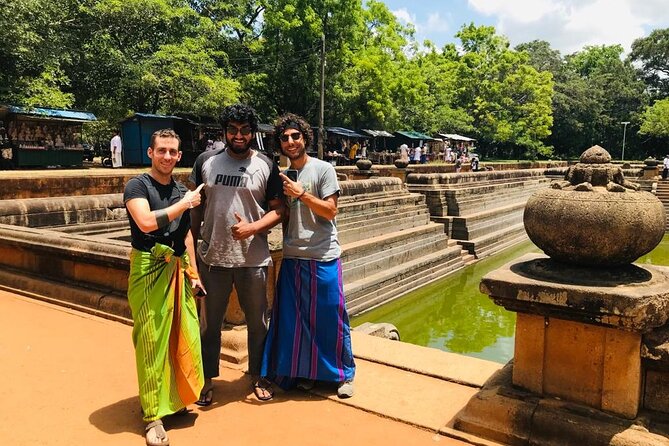
Your day begins with Isurumuniya Temple, a site often associated with the Meghagiri Vihara, and commonly referred to as Isurumuniya Vihara. It sits near Tissa Wewa, and that location matters because it gives you a sense of how ancient Anuradhapura clustered temples around water and ritual space.
This stop is typically about 30 minutes, which is enough time to understand what you’re looking at without turning it into a rush-through-photo marathon. The note here is practical: the entrance ticket for this part isn’t included, so expect to pay on-site if there’s a fee.
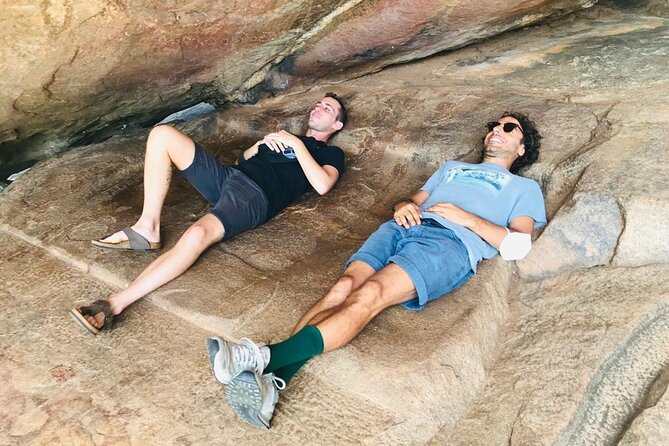
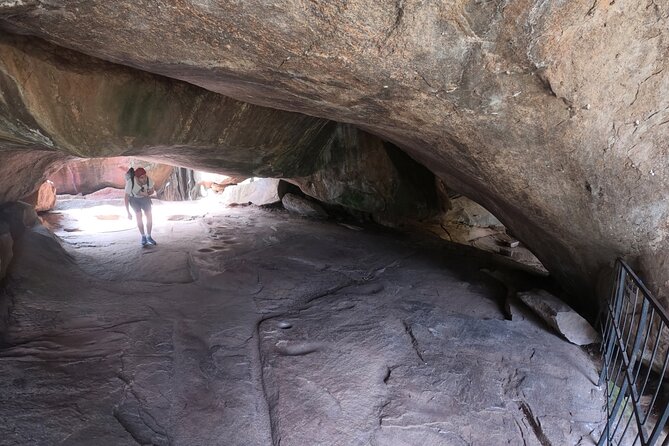
A short follow-up brings you to Vessagiriya Ruins. This complex is near the current Isurumuniya on the old Anuradhapura–Kurunegala road, and it’s set across three boulder formations over a wider area. I like this stop because it feels a little less scripted than the huge dagobas. You get a chance to look at the way the temple grounds unfold against the rock formations rather than only seeing one main structure.
Good news: this one is listed as free admission. You still get value here because it balances the heavier, ticketed monuments with something more open-air and exploratory.
You can also read our reviews of more tours and experiences in Anuradhapura.


Jaya Sri Maha Bodhi: the sacred tree connection you can actually see
Next comes Jaya Sri Maha Bodhi. This is one of the most important names in Sri Lankan Buddhism, and the tour framing gives you the key context: Buddhism came to Sri Lanka in the 3rd century BC, and the sacred bodhi connection is tied to efforts credited to Mahinda Thero and Emperor Asoka sending Theri Sanghamitta with a branch.
Even if you’re not a Buddhism deep-studies person, you’ll appreciate the way this stop turns the story into something physical. The experience here is less about climbing and more about presence—standing in a place tied to centuries of devotion.
Time on this stop is usually around 20 minutes, and the entrance ticket is not included. That means the tour does the hard part (getting you there), while you handle the on-site fee if one applies.
Mirisaveti Stupa and Ruwanwelisaya: big dagobas, simple logic
After the bodhi stop, you move to Mirisaveti Stupa (also written Mirisawetiya Dagaba). This dagoba is credited to King Dutugamunu and is associated with the Mahavihara complex. Even without a lecture, you’ll feel why kings built in stone: these are not small monuments. They’re meant to last, and they guide your attention toward the center of the sacred space.
This stop is listed at about 15 minutes and marked free admission. For value, I like that: you’re paying for transport and time, then getting a no-fee monument that still feels significant.
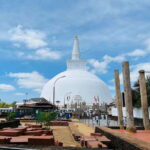
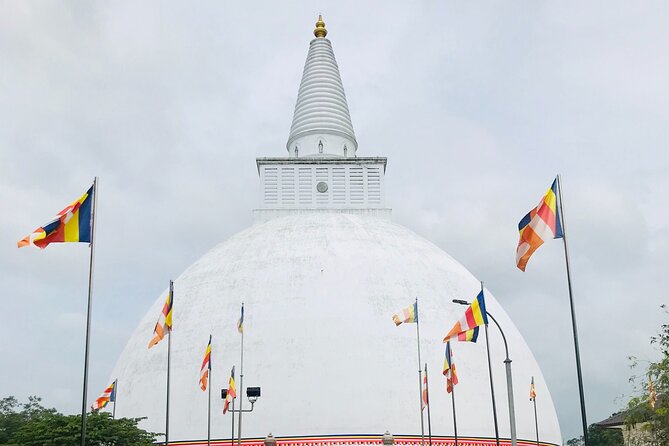
Then you head to Ruwanwelisaya, also known as the Mahathupa. The tour description notes it as a hemispherical relic stupa, and it mentions two quarts or one Dona of the Buddha’s relics are enshrined inside. That’s the kind of detail that changes how you view the building. It’s no longer just an impressive dome. It’s a container for a specific sacred story.
This is another about 15 minutes stop, and again the entrance ticket isn’t included. Practically, if you’re budget-conscious, it helps to remember that several of the core dagobas are paid entries—so your $25 tour price mainly covers transport, time, and guidance, while you handle on-site fees.
Thuparama and Abhayagiriya: layers you can notice as you walk
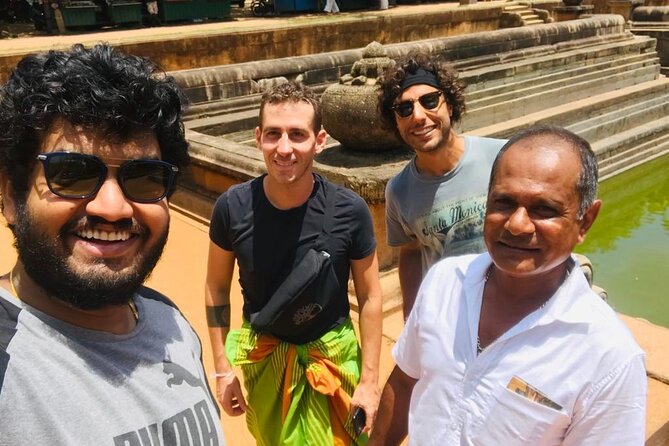
Dagoba of Thuparama comes next. It’s described as the first stupa built in the country after Buddhism was introduced to Sri Lanka, built during the time of King Devamnampiyatissa. The tour also notes it as an aramic complex (monastery). That detail matters because it tells you the stupa isn’t an isolated object—it’s part of a larger religious and living layout.
Your time here is short—around 15 minutes—and admission isn’t included. Still, this is the kind of stop that makes a guide useful. Without context, it can be easy to see yet another old stupa. With the right framing, you start spotting how each place played a role in the broader religious geography.
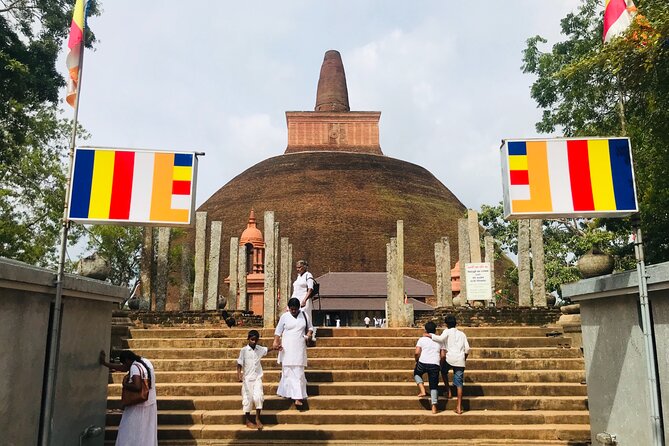
Next is Abayagiriya Stupa. The description ties it to the aramic complex of Abhayagiriya Viharaya, with construction associated to King Vattagamini Abaya, also known as King Valagamba, in the 1st century BC. Again, the value is in the timing and continuity—how older sites get layers, names, and affiliations over centuries.
This stop is listed for about 15 minutes, and admission isn’t included. It’s a good moment to slow down a touch, look around, and compare the feel of each major monument you’ve already visited.
Sandakada pahana (moonstone) and Samadhi Statue: the art stops that slow you down
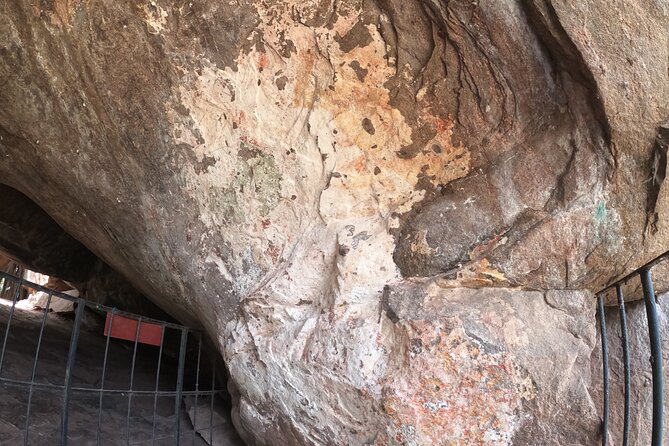
If you’re expecting only huge structures, these next two stops are a welcome change. You’ll see the Moonstone, also called Sandakada pahana. The provided context doesn’t claim an exact pre–3rd century BC origin, but it points to chronicles recording early Buddhist architecture in Sri Lanka, with earliest forms linked to Mahiyangana. In plain terms: you’re looking at art and architecture that helps date the shift from legend to stone.
Time here is around 10 minutes, and the entrance ticket isn’t included.
Then you visit the Samadhi Statue, located between the gigantic Abhayagiriya Stupa and the Kuttam Pokuna (Twin Ponds) belonging to the ancient Abhayagiri Monastery. The guide framing highlights it as one of the greatest works of sculptural art of the early period of Anuradhapura.
This is a short stop (about 15 minutes), but it’s often the one people remember because it’s not just a structure—it’s craft. You might find yourself standing closer than you expected, trying to make out details you usually skip on a busy day.




Kuttam Pokuna (Twin Baths): why the engineering matters
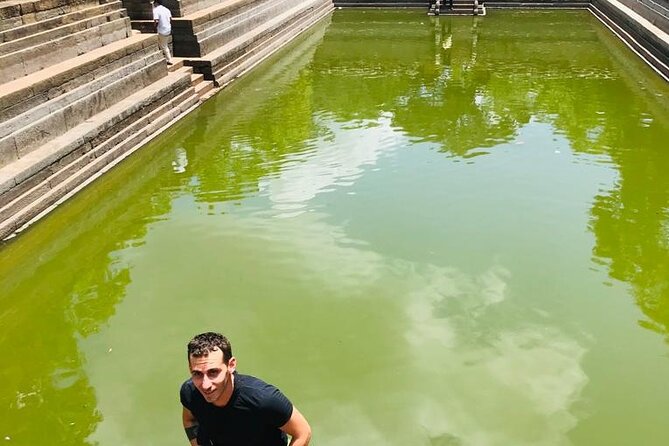
Next is the Twin Baths, called Kuttam Pokuna. The tour description calls it a hydrologic engineering marvel, noting these two ponds belong to the Abayagiri aramic complex and probably were used by monks for bathing.
This is a smart stop in a tour like this because it turns your mind from “temple as symbol” into “temple as system.” Ancient places didn’t just look holy; they functioned. Water management was part of daily religious life.
Time is about 10 minutes, and admission isn’t included. Even so, I’d treat this as your break point. It’s where you can step back, catch your breath, and notice how the ponds sit in the larger temple layout.
Final Abayagiriya stop: the story of disagreement and royal backing
You wrap with another Abayagiriya Stupa visit. The description mentions a disagreement between monks of the Maha Vihara Monastery and the Abhayagiriya Monastery regarding a Vetulya doctrine. It also notes that King Gothabhaya took the side of the Maha Vihara and that this period shaped how the site developed.
Even if you’re not tracking doctrine names, the takeaway is concrete: religious architecture in Anuradhapura reflects changing relationships, not just devotion. That makes the ending feel more thoughtful than a final photo stop.
Time is again about 15 minutes, and admission isn’t included. If you’re the type who likes to end with a structure that has a clear human story behind it, this works.
What you’re actually paying for (and what you’re not)
At about $25 for a 4 to 6 hour private tour, the value is mostly in logistics and time. You get an air-conditioned vehicle, parking fees, and you’ll move between major sites without having to coordinate transport and tickets on your own.
The parts that can add extra cost are straightforward:
- Some key monuments show admission not included.
- Lunch isn’t included, so plan food timing around the morning schedule.
If you’re traveling with limited time, that trade-off usually makes sense. You’re effectively buying a guided route and transport efficiency, and then paying site entrance fees where required.
Pace, comfort, and practical tips that matter
This is a private tour/activity, so only your group participates. That matters because Buddhist sites often involve slow observation. You’re not forced into a rigid queue with strangers.
The tour notes a moderate physical fitness level. That usually means expect some walking and uneven ground typical of ancient temple areas. You don’t need to be an athlete, but you’ll want comfortable shoes and a calm pace.
The tour is also marked as requiring good weather. In real life, that means rain can disrupt plans. If the day turns wet, the operator should offer a different date or a full refund, which is the right kind of policy for an outdoor heritage tour.
The driver experience: flexibility is the real luxury
The best praise here isn’t about memorizing facts. It’s about how the tour adapts to you. One strong example from a previous experience is that the driver was flexible when the visitor had already seen many temples the day before. Instead of forcing the same route, the driver substituted lesser-known sites and added interesting details to match what the visitor already knew.
That kind of flexibility is hard to fake. It’s usually a sign the person driving understands how to keep a heritage tour from feeling repetitive.
It also helps that the tour includes a private pace. If you want extra time for photos, questions, or a slower look at carvings, you’re more likely to get it than on a crowded group bus.
Should you book this Anuradhapura ancient city tour?
Book it if you want a well-structured morning that covers the core Anuradhapura landmarks without spending your time figuring out routes. It’s also a good choice if you appreciate Buddhist art and architecture beyond just big monuments—places like the Sandakada pahana and Samadhi Statue are exactly the kind of stops that keep a tour from becoming repetitive.
Skip or rethink it if:
- You dislike tours where several sites require on-site entrance tickets, since those costs can stack up.
- You need a built-in lunch stop, because lunch isn’t included.
- You’re visiting specifically for one single site and nothing else, since the value here is in the sequence.
If you’re aiming for efficiency, comfort, and a driver who can adjust, this is a solid pick for getting your bearings fast in Anuradhapura.
FAQ
FAQ
What time does the tour start?
The tour starts at 8:00 am.
How long is the Anuradhapura ancient city tour?
It runs for 4 to 6 hours (approx.).
Is pickup available?
Yes, pickup is offered.
Is this a private tour?
Yes. It’s private, so only your group will participate.
What’s included in the tour price?
Included features are an air-conditioned vehicle and parking fees. You’ll also receive a mobile ticket.
Do I need to pay entrance fees at the sites?
Some stops list admission ticket not included, while others are marked admission free. Expect that you may pay on-site for certain temples.
Is lunch included?
No. Lunch isn’t included.
Is there a dress or fitness requirement?
The tour notes a moderate physical fitness level, which likely means some walking around heritage sites.
What happens if the weather is bad?
The experience requires good weather. If it’s canceled due to poor weather, you’ll be offered a different date or a full refund.
What is the cancellation policy?
Cancellation is free up to 24 hours in advance for a full refund. If you cancel less than 24 hours before the start time, the amount paid won’t be refunded.