Unawatuna Lagoon canoeing turns the south coast into a slow, quiet show. I love the way you paddle through mangroves and lagoon channels with an expert guide who points out what’s going on in the ecosystem, and I also like that the trip is built for small canoe groups (so you’re not just sitting and hoping to see something). It’s a great pick if you want wildlife and scenery without trekking inland or committing to a full-day outing.
The main drawback to plan around: there’s no hotel pickup or drop-off, so you’ll need your own way to the meeting point at Chameera Cycling in Unawatuna.
In This Review
- Key things I’d prioritize before you book
- Getting to Unawatuna Lagoon: the setup that keeps things easy
- What the 1–2 hour canoe trip feels like in real life
- Paddling through mangroves: why the route matters
- Birdlife spotting without forcing it
- What you actually get included (and what you don’t)
- Choosing the right time: morning or afternoon
- Group size and privacy: what max 10 means for your experience
- Your guide: learning the lagoon, not just passing through
- Price and value: is $40 fair for what you get?
- Who this canoe excursion suits best
- Things to consider before you go
- Should you book the Unawatuna Lagoon canoe excursion?
- FAQ
- How long is the Unawatuna Lagoon canoe excursion?
- Where do I meet for the tour?
- Do I need hotel pickup or drop-off?
- What’s included in the price?
- What departure times are available?
- Is this tour private?
- What if the weather is bad?
Key things I’d prioritize before you book
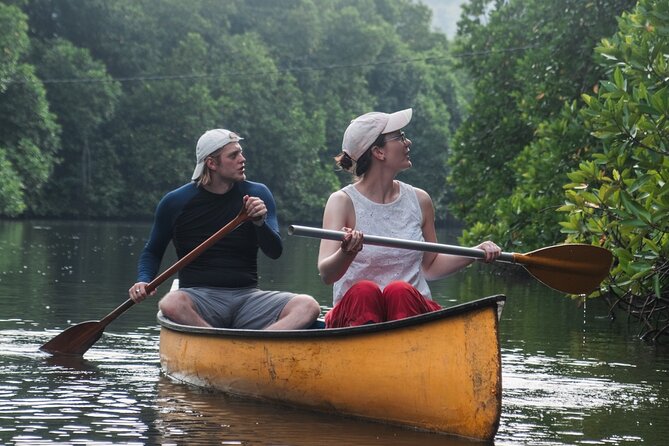
- Small canoes, hands-on time: each canoe seats 2–3 people, which makes it easier for first-timers to actually paddle.
- Mangrove ecosystem focus: your guide will steer your attention to the plants, animals, and how they depend on each other.
- Birdlife around the lagoon: you’ll get time to slow down and scan for birds in and around the mangrove areas.
- Comfortable basics included: life jackets, bottled water, and refreshments are part of the experience.
- A helpful, flexible approach on the day: the team has shown they can handle disruptions, including arranging collection from the riverside and getting guests back to their hotel.
Getting to Unawatuna Lagoon: the setup that keeps things easy
You’ll start at Chameera Cycling, at 49/A Heenatigala Rd, Unawatuna. From there, the team keeps things simple: you get a quick briefing, then they tuk-tuk you to the nearby lagoon so you’re not hauling gear or hunting for the right water entry point.
Once you arrive, you’ll get the essentials for the water: a life jacket, bottled water, and the paddle-and-canoe basics. Expect the guide to set the tone right away, including safety reminders and how the trip will move at lagoon pace, not white-water pace.
One of the quiet wins here is that the day is structured for low stress. You’re not trying to coordinate multiple stops, and the trip stays centered on the paddling and the wildlife spotting.
You can also read our reviews of more tours and experiences in Galle.


What the 1–2 hour canoe trip feels like in real life
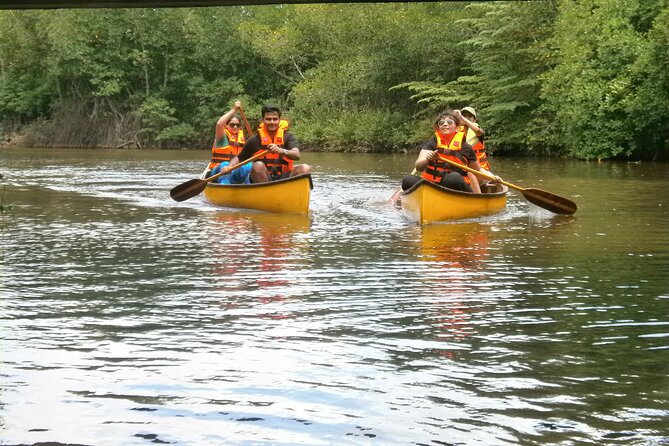
The tour runs about 1 to 2 hours on the water. In practice, you should plan for a relaxed couple of hours total, since you’ll factor in the briefing, the transfer by tuk-tuk, and time to paddle, stop, and look.
Canoeing in the lagoon is more about control and observation than speed. You’ll paddle along guided routes that include areas around mangroves and calmer lagoon passages where you can actually focus on what the guide is pointing out.
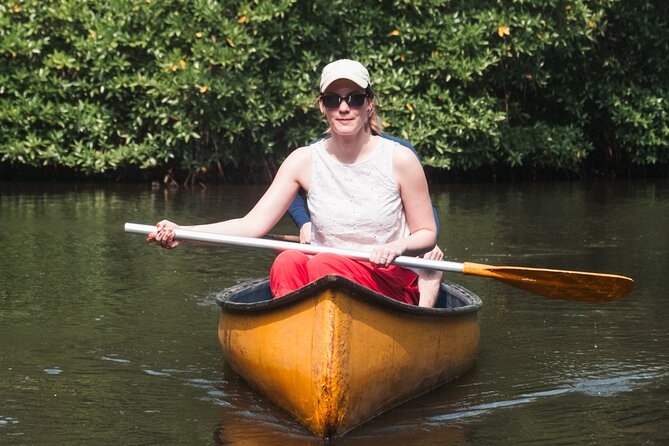
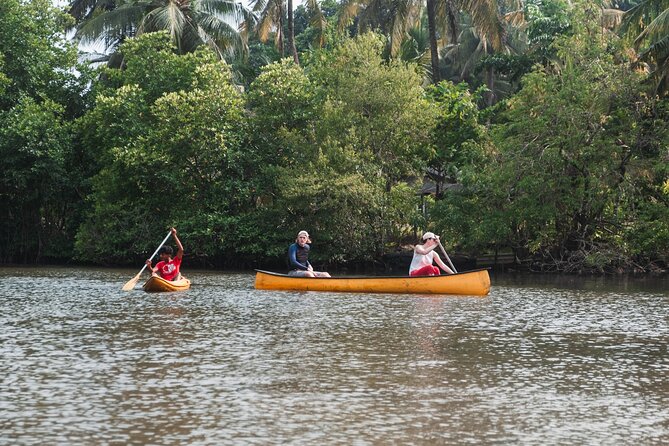
Because you’re in a smaller canoe (2–3 people), the experience tends to feel personal. That matters for beginners, families with kids, and anyone who wants to ask questions rather than just listen from the back of a big group.
Paddling through mangroves: why the route matters
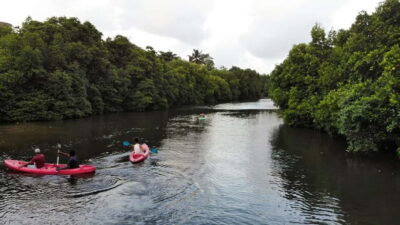
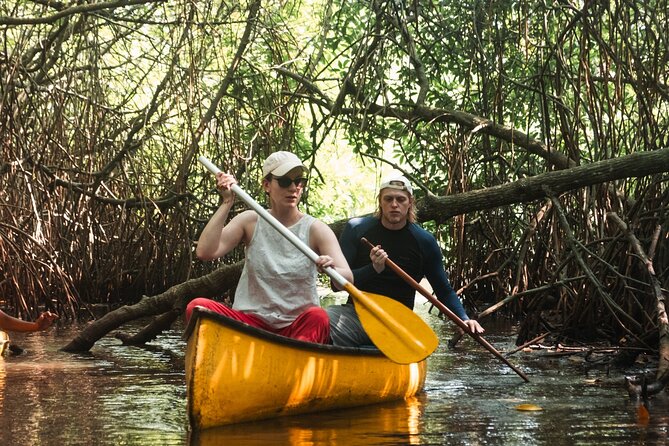
The heart of this outing is the time you spend gliding around Unawatuna Lagoon with mangroves close by. The guide leads you through areas described as hidden or less obvious, which is a big part of why the scenery feels special—there’s often more to see than you’d expect from looking at the lagoon from shore.
Mangroves aren’t just a pretty backdrop. They’re a living coastal system, and your guide’s job is to connect what you see—roots, plants, and animal activity—to how the ecosystem works together. That’s how the trip becomes more than a boat ride.
A detail that really helps you appreciate the route: the lagoon passages can be wide enough for a canoe to move through comfortably, even when you’re surrounded by mangrove growth. That gives you the feeling of being tucked into nature while still having enough space to enjoy the ride.
Birdlife spotting without forcing it
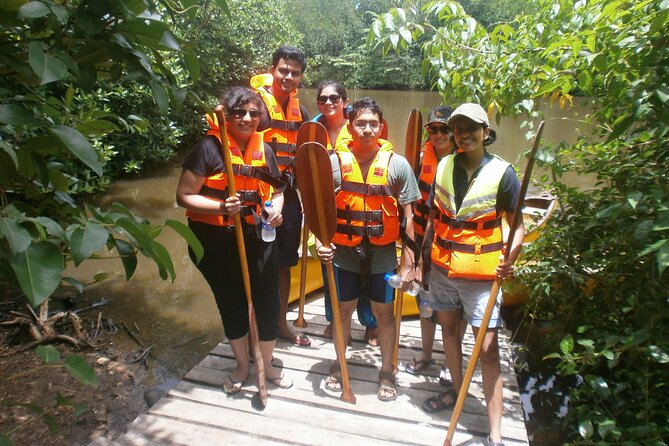
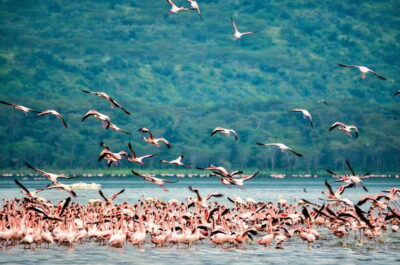
If birdwatching is your thing, this tour is a strong match. You’ll learn what to look for and get time to scan around the lagoon and mangrove edges, guided by someone who’s paying attention to animal behavior rather than just checking a box list.
The key is that you’re not stuck doing rapid-fire sightseeing. The canoe pace is slow enough for birds to register—both the ones you spot quickly and the ones you only notice after you pause.
You’ll also benefit from understanding context. When your guide explains the flora and fauna relationships in the coastal ecosystem, the whole place starts making sense, and bird sightings feel less random.
What you actually get included (and what you don’t)
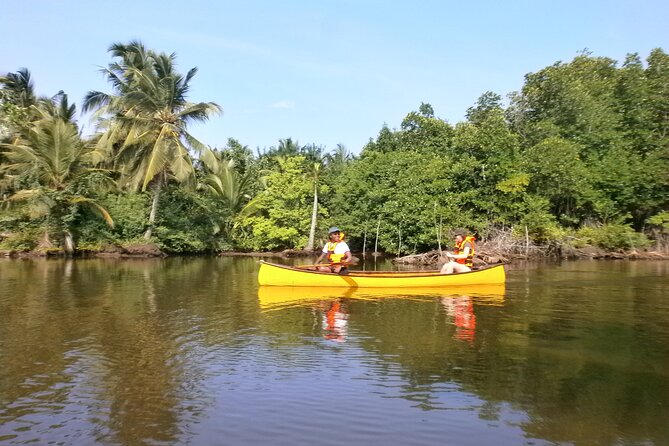
For $40 per person, you’re not just buying a paddle. The tour includes the canoe, paddle, and life jackets, plus water and refreshments, and a local guide.
They’ll also provide the tuk-tuk ride from the meeting point area to the dock/lagoon access point. That removes a common headache on water tours in Sri Lanka: figuring out transport at the last minute when you’re tired, hot, and carrying stuff.
What’s not included is also important for planning: meals aren’t part of the price, and hotel pickup/drop-off isn’t included. If you’re doing this as a half-day activity, I’d plan a snack or light meal around it so you don’t feel hungry between refreshment and your next meal stop.





Choosing the right time: morning or afternoon
You can pick a departure time, and the operator recommends doing it earlier in the morning or later in the afternoon to avoid harsh midday heat. Morning is suggested around 8:30 am, and afternoon around 2:30 pm.
I like this approach because it matches how your body feels in coastal Sri Lanka. The lagoon is calm regardless of the sun, but the comfort level on land—getting to the meeting point, getting in and out, waiting briefly—changes a lot with temperature.
If you’re sensitive to heat, go morning. If you want a slower day rhythm and don’t mind starting a bit later, the afternoon slot can be lovely too.
Group size and privacy: what max 10 means for your experience
This is listed as a private tour/activity, meaning only your group participates. The maximum group size per booking is 10 people, which is a practical limit for keeping the experience from becoming a crowded spectacle.
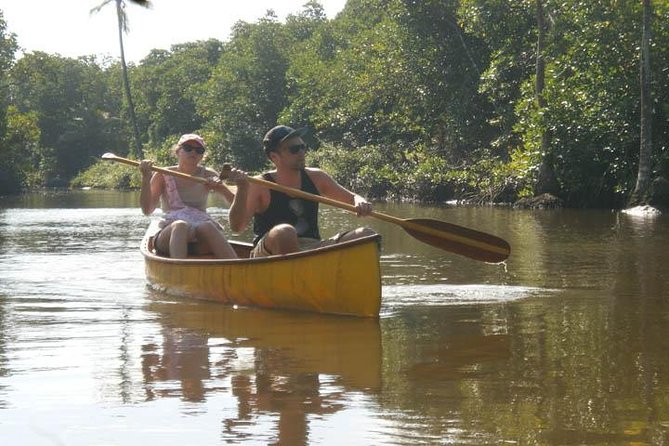
Even better, you’re placed into canoes that hold 2–3 people each. That’s the part that matters for comfort and learning: you won’t be stuck watching others paddle while you hold a camera and try to look like you’re doing something.
For families, it’s also easier to manage kids when everyone isn’t packed into a single long boat. And for couples or solo travelers, it makes it simpler to ask questions and stay focused on the ecosystem, not logistics.
Your guide: learning the lagoon, not just passing through
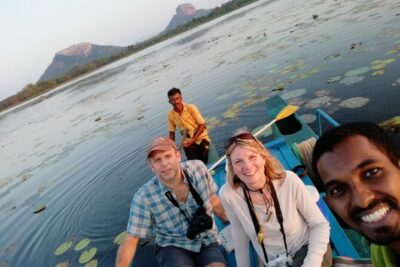
The big reason this tour gets strong feedback is the guide’s attitude and teaching style. You’re not expected to know how to canoe beforehand. You’ll get help with basic canoe handling and guidance on how to paddle confidently.
But the real value is the explanation side. Your guide will point out flora and fauna and share how the coastal system is connected. That transforms the lagoon from scenery into a living classroom.
I also appreciate the human touch shown by how the team handles real-life problems. If something goes wrong—like an illness during the tour—there’s an established ability to arrange collection from the riverside and get you back to your hotel. That kind of practical care is reassuring when you’re traveling with kids or you’re on a tight schedule.
Price and value: is $40 fair for what you get?
At $40 per person, the pricing makes sense when you look at what’s included. You’re getting canoe + paddle + life jackets, guided time in the lagoon ecosystem, water, refreshments, and the tuk-tuk transfer.
The cost becomes more reasonable if you’re comparing it to other tours where the guide fee is separate and you still have to pay extra for transport or gear. Here, the key items are bundled, so the price feels “pay once, show up, and paddle.”
The part to watch is that meals and hotel transfer are not included. If you’re relying on included pickup, you’ll need to arrange your own transport to the meeting point. For most people staying in Unawatuna, that’s manageable, but it’s worth factoring into your day plan.
Who this canoe excursion suits best
This is a great match if you want an outdoors activity that doesn’t require hiking, strong swimming, or technical boat skills. The tour is designed so most people can participate, with a recommended minimum age of 6 years.
I’d especially recommend it for:
- Families looking for something calmer than a busy beach day
- Couples who want a unique way to see Unawatuna beyond strolling
- Bird-and-nature fans who prefer guided, context-based spotting
- First-time paddlers who want coaching rather than pressure
If you’re expecting a long, full-day adventure, this may feel short. But if your goal is a focused lagoon experience with a guide and real viewing time, it fits perfectly.
Things to consider before you go
Because this activity depends on good conditions, it’s not a “no matter what” plan. The tour requires good weather, and if it’s canceled due to poor weather, you’ll be offered another date or a full refund.
Also, even though the canoe trip itself is relaxed, you’ll still be in the sun and around water. Bringing sunscreen, a hat, and a small dry bag for phones and wallets is smart, even though the tour provides the core safety gear.
Finally, since there’s no hotel pickup, plan your route to Chameera Cycling in advance. Being on time matters for the day’s flow, especially if you choose the morning slot.
Should you book the Unawatuna Lagoon canoe excursion?
I’d book it if you want a calm, guided paddle through mangroves with a real focus on ecosystem and birdlife, not just a generic boat ride. The combo of small-group canoe time, life jackets and refreshments provided, and a guide who helps you paddle makes it feel well designed for first-timers and families.
Skip it only if you strongly need hotel pickup, you can’t handle water-based activities comfortably, or you’re only available at times when the heat would be tough. Otherwise, this is a solid value way to see the quieter side of Sri Lanka’s south coast.
FAQ
How long is the Unawatuna Lagoon canoe excursion?
The experience lasts about 1 to 2 hours.
Where do I meet for the tour?
You meet at Chameera Cycling, 49/A Heenatigala Rd, Unawatuna 80600, Sri Lanka.
Do I need hotel pickup or drop-off?
No. Hotel pickup and drop-off are not included.
What’s included in the price?
The tour includes the canoe and paddle, life jackets, water and refreshments, and a local guide.
What departure times are available?
You can choose a morning or afternoon departure. Morning is recommended at about 8:30 am, and afternoon at about 2:30 pm.
Is this tour private?
Yes. It’s a private tour/activity, so only your group participates, with a maximum of 10 people per booking.
What if the weather is bad?
If poor weather causes cancellation, you’ll be offered a different date or a full refund.