Coir goes from husk to scrubber fast. You’ll visit the Nature Design workshop in the Matara area near Galle to watch 100% natural eco-friendly products come together over about 1 hour 15 minutes. It’s a small-scale, woman-led setup, and the visit is built for travelers who want real making, not just shopping.
I love two things most: the clear, guided look at how each item is produced, and the chance to buy practical kitchen and bathroom pieces like Cocoshine and matching pot holders right after you see them made. The staff keep the session friendly and focused, and you’re offered local tea/coffee or king coconut plus a small piece of cake and biscuit to keep you comfortable.
One thing to consider: you can’t take photos or videos of the manufacturing process, and the experience may not cover every early step (like coconut husk yarn preparation) in full detail. Also, because it’s a factory visit, you’ll be asked to switch off your phone and camera during the viewing time.
In This Review
- Key things you’ll notice on this factory visit
- A woman-led coir workshop near Galle (Matara, not a big factory tour)
- What you’ll see being made: Cocoshine, Nature, Cleaning mat, Cleaning disc, and pot holders
- How the 1 hour 15 minutes really works: guidance, refreshment, and production viewing
- Price and value: why $30 can make sense (if you’ll use what you buy)
- The support angle: how buying connects to jobs for rural women
- Practical logistics that matter more than you think
- Who should book this, and who might skip it?
- Should you book the Nature Design factory visit?
- FAQ
- Where is the meeting point for this factory visit?
- How long is the guided factory visit?
- How much does it cost?
- What’s included in the ticket price?
- Is there an air-conditioned vehicle or private transportation included?
- Are photos or videos allowed during the manufacturing process?
- What products will I learn about during the visit?
- What days and hours does the workshop tour run?
- Can I cancel for a full refund?
- Is it suitable for families and do they allow service animals?
Key things you’ll notice on this factory visit
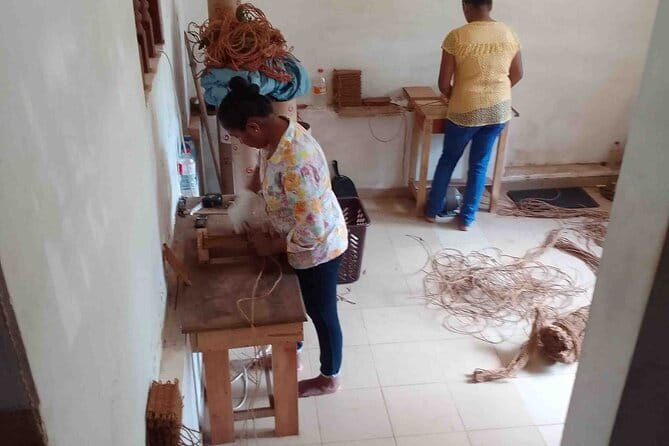
- A woman-led, small-scale workshop: Nature Design is Sri Lankan and woman-owned, making coir-based products for local and international markets.
- Five core products in one visit: Cocoshine, Nature, Cleaning mat, Cleaning disc, and the 100% natural pot holder.
- Made with local coir: Expect to learn how the local material becomes scrubbers and household essentials.
- No photos or videos during production: You’ll switch off phones/cameras while the work is shown.
- You get a simple refreshment break: Bottled water, local tea or coffee or king coconut, plus cake and biscuit.
- Waste-free, useful shopping: If you want to bring home something practical, these items are the point of the visit.
A woman-led coir workshop near Galle (Matara, not a big factory tour)
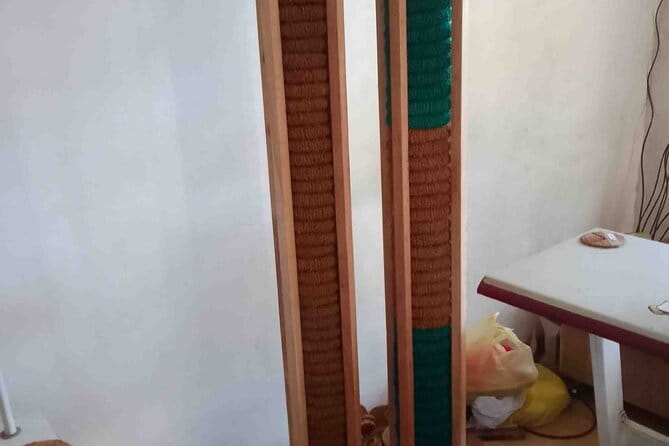
This is the kind of visit that feels intimate. You’re going to Nature Design, a small Sri Lankan workshop focused on handmade items made with local coir. Instead of a huge industrial setup, you’re seeing a process tied to craft, repetition, and careful finishing—exactly what you want if you’re tired of generic souvenirs.
The tour runs roughly 1 hour 15 minutes and uses a mobile ticket. It starts at No: 12 Paramulla Rd, Matara 81000, and ends back at the same meeting point, so you’re not stuck figuring out transport at the end.
Nature Design positions itself as eco-friendly and natural, and the company also highlights job creation for unprivileged rural women. If you like travel that does something beyond sightseeing, this is built around that idea—watch the work, then buy the product that supports the business.
You can also read our reviews of more tours and experiences in Galle.

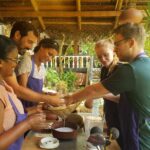

What you’ll see being made: Cocoshine, Nature, Cleaning mat, Cleaning disc, and pot holders
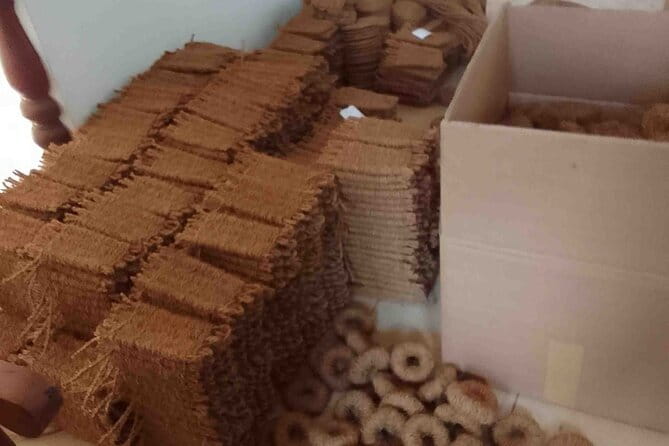
The experience centers on how Nature Design produces a set of familiar household tools, but in a way that stays very grounded in natural materials. The workshop makes 100% natural, eco-friendly items with a local coir base, including both kitchen/bathroom scrubbers and a pot holder for kitchen and dining.
Here are the five product types the visit focuses on:
- Cocoshine: A handmade 100% natural scrubber for kitchen and bathroom.
- Nature: Another handmade 100% natural scrubber for kitchen and bathroom.
- Cleaning mat: A handmade 100% natural scrubber-style mat for kitchen and bathroom cleaning.
- Cleaning disc: A handmade 100% natural scrubber disc for kitchen and bathroom cleaning.
- Pot holder: A handmade 100% natural pot holder for the kitchen and dining room.
What I like about seeing multiple product shapes is that it makes the “how” easier to understand. A scrubber isn’t just a scrubber—you’ll be shown how each form is made to serve its role, from flat cleaning surfaces to disc or mat styles that are easier to handle.
And because this is a small business serving both local and international markets, the quality control side matters. Even without fancy showroom talk, you’ll get the sense that these items are made to last and stay functional.
How the 1 hour 15 minutes really works: guidance, refreshment, and production viewing
The visit is guided, and the pacing is part of the value. You’ll have a set window—about 1 hour 15 minutes—so the experience doesn’t ramble. It moves from introduction to viewing the making process for the set of products, then into an opportunity to shop.
Here’s the flow you should expect in practical terms:
1) Arrive and settle in
You meet at No: 12 Paramulla Rd, Matara. Since the listing notes it’s near public transportation and you don’t get an included air-conditioned vehicle, plan to make your own way to the start point. The upside is you’re in the right neighborhood for a real workshop experience, not a staged pickup loop.
2) Get a simple welcome break
Included refreshments matter more than you’d think during a hands-on factory visit. You get small bottled water plus your choice of local tea or coffee, or king coconut. You’ll also receive a small piece of cake with biscuit. It’s not a full meal, but it helps keep the visit comfortable.
3) Watch the products being made
During the main viewing time, the workshop shows how the products come to be. The big rules are clear: you’re not allowed to take photos or videos of the manufacturing processing, and you’ll be asked to switch off your phone and camera.
This is actually a good thing for most people. It forces attention, and it reduces the distraction of constant screen use—so you’ll likely remember more. The trade-off is you won’t be able to record it for later, so if you want to learn, take quick notes on your phone’s notes app (as long as you’re not using the camera).
4) Ask questions, then shop
If you’re interested, you can buy Nature Design products after you’ve seen how they’re made. This is where the visit becomes more than a lecture. You’re bringing home items with a clear story: natural coir scrubbers and a pot holder that you watched being produced.
One detail to keep in mind: the experience seems to focus on the production of the five product types, not necessarily every upstream step of the raw material. If you’re hoping for a full walkthrough of early coconut husk yarn preparation, you might find that part is either brief or not shown in full during the session.
Price and value: why $30 can make sense (if you’ll use what you buy)
At $30 per person, this isn’t a bargain-price craft stall. It’s closer to paying for two things: guided workshop time and the chance to buy handmade, 100% natural cleaning items you’ve already seen in motion.
Is it good value? For the right buyer, yes, because you’re not just paying for entry. You’re paying for:
- A guided look at how multiple products are manufactured.
- A short time investment that fits easily into a day trip around the Matara/Galle region.
- Included refreshments (bottled water plus tea/coffee/king coconut and cake).
- The opportunity to purchase practical home goods that aren’t mass-produced.
If you’re the type who loves functional souvenirs, the value climbs. You’re likely to replace something you already use—scrubbers and pot holders are everyday items. If you’re expecting a long, detailed industrial tour with photo opportunities and large-scale demo stations, you may feel it’s too short and too “hands-off” for filming. But if your goal is to learn and support a small woman-led business, $30 is a reasonable ticket.
The support angle: how buying connects to jobs for rural women
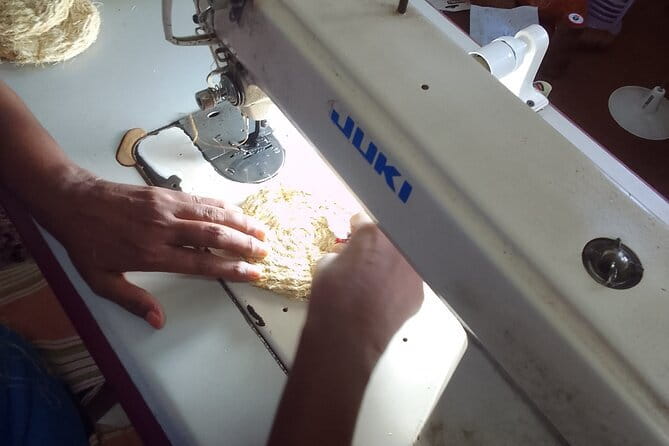
Nature Design frames the visit as a way travelers can support people who are often left out of formal opportunities. The workshop specifically mentions generating job opportunities for unprivileged rural women in Sri Lanka, and the visit is positioned as both indirect and direct support when you book and purchase.
I like that it isn’t vague. You’re not just donating in the dark—you’re seeing production and then purchasing the result. That can help you feel confident your money is going toward the actual work happening in the workshop.
Also, the company highlights an award: RDB Best Entrepreneur – 2025. Awards don’t automatically guarantee quality, but it’s a useful signal that the business is recognized beyond local word-of-mouth.





Practical logistics that matter more than you think

A few nuts-and-bolts points will help you plan smoothly.
Transportation
You’re not getting an air-conditioned vehicle and there’s no private transportation included. You should assume you’ll handle your own route to the meeting point. The good news is it’s noted as near public transportation.
Timing
The visit window is tied to opening hours: Monday through Sunday, 9:00 AM to 8:00 PM (for the operating period listed). Since the tour is about 1 hour 15 minutes, it’s easy to schedule without turning your day into a chess puzzle.
Group style
It’s described as a private tour/activity, meaning only your group participates. That usually leads to a calmer experience—less waiting and fewer people competing for attention.
Photography rule
You won’t be allowed to take photos or videos of the manufacturing process. This is a defining part of the experience. If you need visual proof for later, plan to rely on notes and memory instead.
Comfort
Service animals are allowed, and most travelers can participate. That’s helpful if you’re traveling with a companion animal or if you’re concerned about participation being overly technical.
Who should book this, and who might skip it?

This fits best if you:
- Like small, woman-led businesses and want a craft-based experience with real-world purpose.
- Want practical souvenirs: kitchen and bathroom scrubbers plus pot holders you’ll actually use.
- Enjoy guided explanations and short, focused time slots.
- Travel as a couple, single, or family (the experience is described as suitable for families with children).
You might skip it if you:
- Want to record the process on camera. The no-photo/no-video rule is non-negotiable here.
- Expect a long deep technical demo of every raw-material step. The session is focused on the five product types, and the upstream coconut husk yarn stage may not be shown in full detail.
- Prefer large-scale, high-comfort factory environments. This is a small-scale workshop by design.
Should you book the Nature Design factory visit?

If you want a short, guided, hands-on look at 100% natural coir cleaning products made in a woman-led Sri Lankan workshop, I’d book it. The combination of guided manufacturing viewing, included refreshments, and the ability to buy the items you just learned about makes the experience feel efficient and purposeful.
Book it especially if you’ll use the scrubbers or pot holder at home. That turns the visit into more than a photo-less tour—it becomes a practical upgrade to your daily cleaning routine, with your purchase tied to jobs for rural women.
If you’re mainly looking for a camera-heavy production spectacle, look elsewhere. But if you’re okay putting your phone away and focusing on how natural materials become everyday tools, this is a smart, meaningful use of your time near the Galle/Matara region.
FAQ
Where is the meeting point for this factory visit?
The tour starts at No: 12 Paramulla Rd, Matara 81000, Sri Lanka, and ends back at the same meeting point.
How long is the guided factory visit?
The duration is approximately 1 hour 15 minutes.
How much does it cost?
The price is $30.00 per person.
What’s included in the ticket price?
It includes small bottled water, local tea or coffee or king coconut (according to your interest), and a small piece of cake with biscuit.
Is there an air-conditioned vehicle or private transportation included?
No. Air-conditioned vehicle and private transportation are not included.
Are photos or videos allowed during the manufacturing process?
No. You are not allowed to take photos or videos of the manufacturing processing, and you’re asked to switch off your phone and camera during the visit time.
What products will I learn about during the visit?
You’ll be shown the making of Cocoshine, Nature, Cleaning mat, Cleaning disc (all scrubbers for kitchen and bathroom), and a 100% natural pot holder for kitchen and dining.
What days and hours does the workshop tour run?
The opening hours are Monday to Sunday, 9:00 AM to 8:00 PM.
Can I cancel for a full refund?
Yes, you can cancel up to 24 hours in advance for a full refund. If you cancel less than 24 hours before the start time, the amount paid is not refunded.
Is it suitable for families and do they allow service animals?
It’s described as suitable for families with children, and service animals are allowed. Most travelers can participate.