Udawalawe is one of Sri Lanka’s easiest wildlife days. The big draw for me is the chance to focus on elephants in a real park setting, with a driver-guide who has 10+ years of hands-on experience. You’re not just sitting in a car hoping for the best—you’re riding with someone who knows how to read the park and where to look.
The main trade-off is simple: this is a 7-hour safari, so you need to be ready for a long day in the jeep—and you’ll also want to plan meals, since lunch or dinner isn’t included.
In This Review
- Key things that make this Udawalawe safari work
- Udawalawe National Park: why this half-day-adjacent safari is so popular
- Pickup, breakfast, and the start that sets the tone
- The private 4×4 jeep: how you’ll actually spot animals
- The driver-guide with 10 years in the park
- Elephant sightings in Udawalawe: what to watch for
- Beyond elephants: water buffalo, crocodiles, and birdlife
- How long is the safari day, and what the timing means
- What’s included (and what isn’t), so you can budget smart
- Rules you should know before you go
- Weather and flexibility: when the day changes
- Who should book this Udawalawe safari (and who shouldn’t)
- Should you book the Udawalawe National Park half-day/7-hour safari?
- FAQ
- FAQ
- Is this safari a private tour or shared?
- How long is the Udawalawe safari tour?
- Does the price include hotel pickup and drop-off?
- Are national park entrance tickets included?
- What meals are included?
- Is there an English-speaking guide?
- Are drones or alcohol allowed?
- Who is this tour not suitable for?
Key things that make this Udawalawe safari work
- Private 4×4 jeep for a more flexible, wildlife-focused drive
- English live guide/driver with 10 years of park experience
- Elephant-first route in Udawalawe National Park, a top elephant area
- More than elephants: water buffalo, crocodiles, and lots of birdlife
- Breakfast and bottled water included, but lunch/dinner are on your own
- Hotel pickup and drop within the Udawalawe area keeps the day low-stress
Udawalawe National Park: why this half-day-adjacent safari is so popular
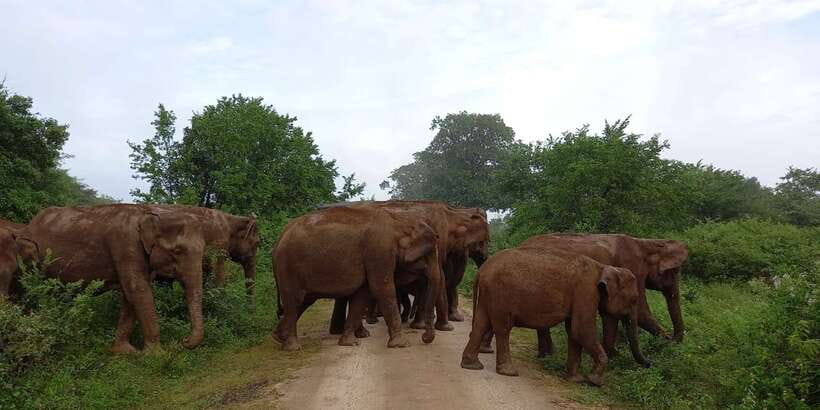
People call it a half-day safari, but the tour you’re considering runs about 7 hours. Either way, Udawalawe is built for a wildlife day without complicated logistics. This park is known for its large elephant population, and that matters because it shapes the whole experience: your time is spent chasing animal sightings in a place where the animals are actually there in meaningful numbers.
What you get is a guided drive through the park’s natural habitats, using a 4×4 private safari jeep. Those vehicles are meant for the reality of a safari road system—bumpy ground, uneven terrain, and frequent stops. If you’ve ever felt trapped on a normal bus tour when wildlife appears, you’ll appreciate how a safari setup keeps your viewing chances practical.
You can also read our reviews of more tours and experiences in Udawalawa.
Pickup, breakfast, and the start that sets the tone
This tour is designed to start smoothly. If you’re staying in the Udawalawe area, you get free hotel pickup and drop, so you’re not wrestling with taxis and timing while you’re excited about wildlife.
You’ll also have breakfast included, plus bottled water during the experience. That sounds like a small detail, but on a safari day it’s a big deal: you don’t want your wildlife time cut short because you’re hungry or dehydrated. It also means you can arrive ready to focus instead of spending time hunting for food.
The one meal note you should respect: lunch and dinner are not included. I like that the tour is clear about this up front, because it lets you make a simple plan for what you’ll do afterward. If the weather turns wet (it happened on one tour day), you’ll be glad you already know you may need a restaurant stop on your own.
The private 4×4 jeep: how you’ll actually spot animals
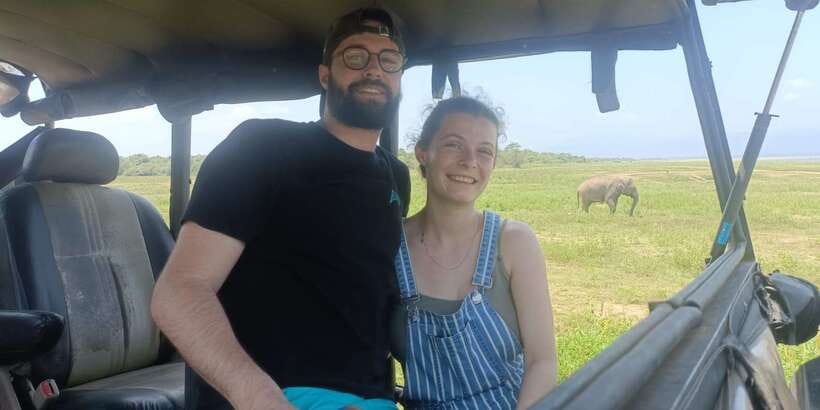
A safari isn’t a museum walk. Animals don’t follow schedules, and sightings can change minute by minute. That’s why the vehicle choice matters.
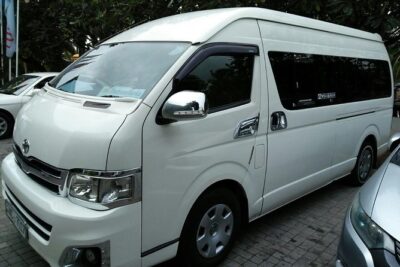
In a private 4×4 jeep, you’re not stuck waiting your turn in a crowded group. Your driver-guide can position the vehicle where visibility is best, and you can make use of quick chances when animals move into view. The 4×4 setup also helps on rugged park tracks, where a regular car would struggle or feel uncomfortable.
In real-world terms, this means your safari is built around frequent scanning and short stops, not one long drive followed by “maybe something will appear.” The best part is that your driver-guide isn’t just driving—they’re actively searching.
The driver-guide with 10 years in the park
This tour’s leadership is a big part of the value. You’re with an experienced driver/guide (10+ years), and that shows in the tone of how the day runs: less guesswork, more direction.
Here’s what that kind of experience usually does for you on a safari like this:
- It helps you understand where elephant activity tends to show up.
- It improves your odds when animals are visible but you need the right angle and distance.
- It makes the ride more efficient because the guide isn’t learning on the job.
One review detail really captures this: the guide was described as taking good care of the group, handling everything from pickup to breakfast and drinks, and working hard to find animals—especially elephants. That’s exactly the kind of “care” that matters on a wildlife trip. You want someone who’s paying attention to both the animals and the humans in the jeep.
Elephant sightings in Udawalawe: what to watch for
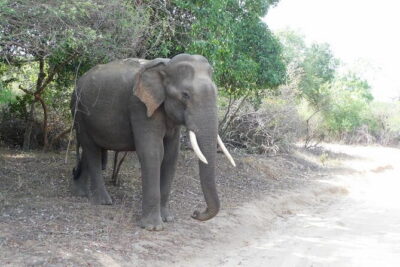
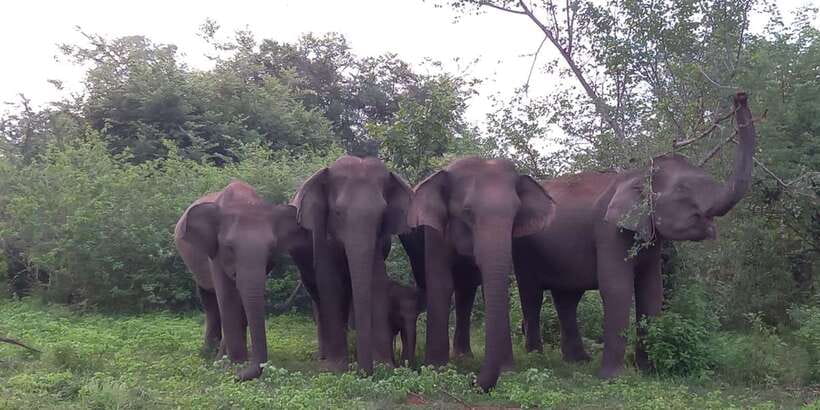
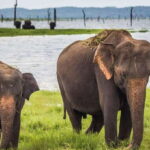
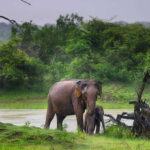
If you’re booking Udawalawe, you’re likely chasing the star attraction: elephants. The park is known for its large elephant population, and the tour is shaped around that focus.
When elephants appear, it’s usually not just one moment—it’s a series of short windows. Sometimes you see them from a distance, then they move closer or closer-looking ground opens up. Other times, you catch activity first (movement in the brush, a change in the herd’s posture) and the sight line follows.
Your best “human job” during this part is simple: stay alert, keep your eyes moving, and don’t assume every sighting will be dramatic at once. On an elephant-focused safari, even a brief sighting can be meaningful because it shows the park’s real day-to-day rhythm.
Also, don’t forget that elephants share space with other animals. When elephant activity is present, it often draws attention to the ecosystem around them—water points, feeding areas, and places birds use throughout the day.
Beyond elephants: water buffalo, crocodiles, and birdlife
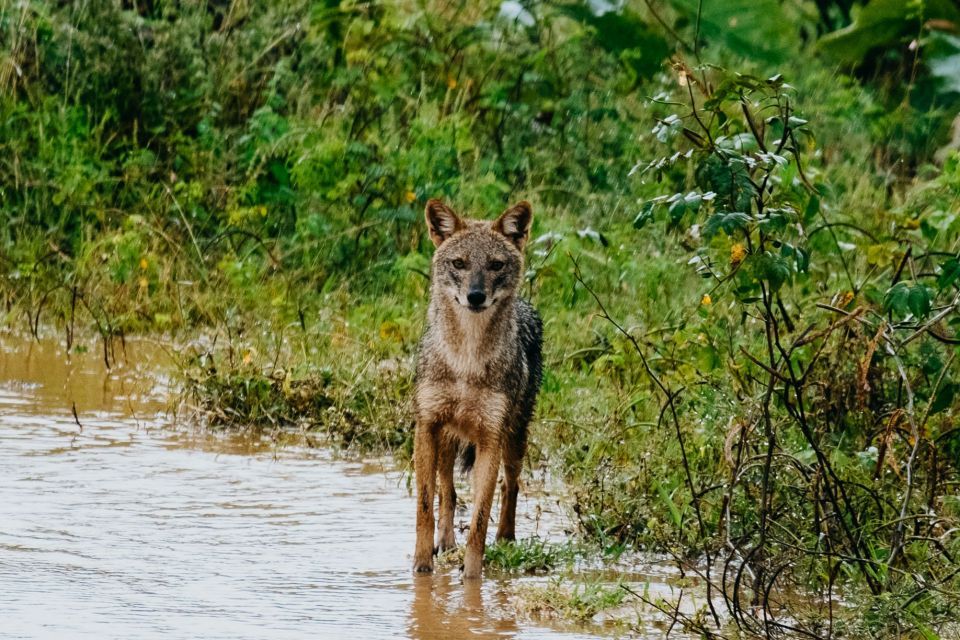
Udawalawe isn’t only about elephants. You should expect a mix of other wildlife, and that variety is a big reason the tour works even if you’ve seen elephants elsewhere.
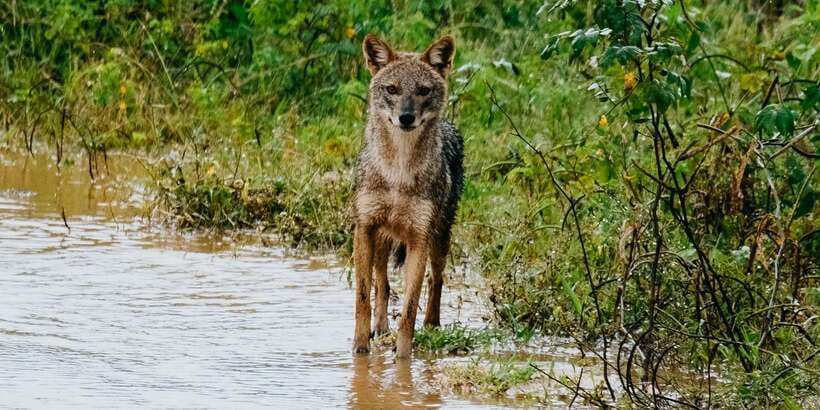
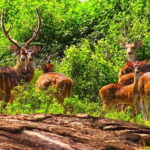
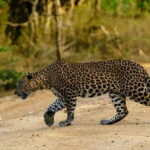
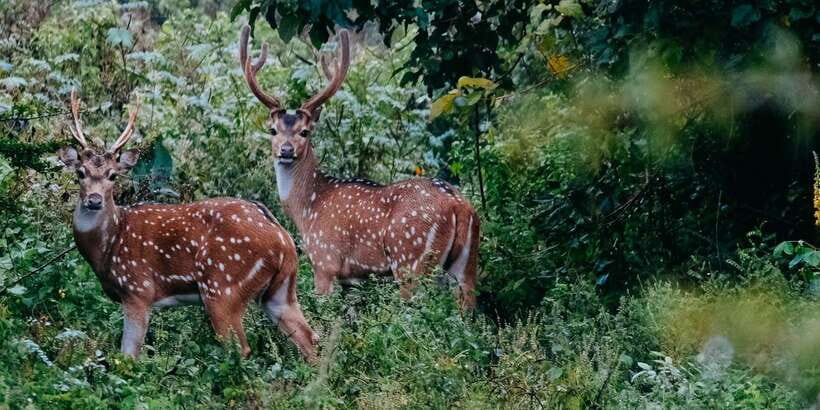
The tour info points to potential sightings including water buffalo, crocodiles, and various bird species. That combination is great because it makes the safari feel like a living habitat, not a one-animal show.
A practical way to enjoy this part is to shift your mindset. If you only stare at the obvious, you’ll miss the smaller tells: birds reacting to movement, buffalo activity around water, or crocodile presence where you can spot subtle shoreline changes. Your guide can help with this—especially if wildlife shows up in a way that needs quick interpretation.
And since the tour is private, you don’t have to push through a crowd to get a viewing position. You can also ask your guide to point out what you’re seeing, which makes the whole day more rewarding.
How long is the safari day, and what the timing means
The duration is listed as about 7 hours. That matters because you’re committing to a long stretch in the jeep, usually covering enough time for multiple sighting opportunities.
You’re also not eating a full lunch break here, since lunch or dinner aren’t included. So it helps to treat the day like this:
- Breakfast keeps your energy stable early.
- You rely on snacks and timing you arrange yourself after the safari.
If you’re deciding whether you can handle the day, be honest about your comfort level. A safari is usually bumpy, and the time adds up. That’s especially important if you’re someone who dislikes heat, long vehicle rides, or waiting for animals that decide to show up later than you hoped.
What’s included (and what isn’t), so you can budget smart
Let’s talk value, because $59 per person isn’t just a number—it’s paying for a full package.
Included:
- 4×4 private safari jeep
- A driver who also serves as your English guide with 10+ years experience
- Free hotel pickup and drop in the Udawalawe area
- Breakfast and bottled water
- Live guide during the tour
Not included:
- National park entrance tickets
Value-wise, what you’re really buying is time with a guide plus the vehicle access that makes wildlife viewing practical. If you tried to DIY this day, you’d spend money on transport, lose time coordinating, and you’d be missing the guide’s ability to spot wildlife effectively. The ticket detail is important for your planning, but it’s not a dealbreaker—you’re still getting a full structured safari day.
Rules you should know before you go
The tour has straightforward rules:
- No drones
- No alcohol and drugs
That’s common for wildlife parks, and it keeps the safari respectful and safer for both animals and people.
One more practical note: this tour is listed as not suitable for pregnant women and not suitable for people with mobility impairments. If any part of that applies to you, it’s worth choosing a different option that better fits your needs.
Weather and flexibility: when the day changes
Safari days are nature-based, so sometimes the weather has a say. One experience detail stood out: after the safari, the guide helped the group get to a restaurant for lunch because of the rain.
The key point isn’t that you’ll always get extra help. It’s that a good guide will try to keep you moving and solve problems when conditions shift. That’s one of the small signs of professionalism that matters more than people expect. When rain happens, you don’t want your day ending in frustration.
If you’re packing for this, I’d plan for the possibility of wet weather since rain can affect how the day feels. A light rain layer is a smart move for comfort.
Who should book this Udawalawe safari (and who shouldn’t)
This is a strong fit if:
- You want elephant sightings as the main goal
- You prefer a private 4×4 with an English-speaking guide
- You’d like guided wildlife spotting rather than a self-drive gamble
- You’re staying near Udawalawe and want easy pickup/drop
Consider skipping or switching tours if:
- You need a highly accessible setup (this tour is marked not suitable for mobility impairments)
- You’re pregnant (the tour is marked not suitable)
- You’re looking for a shorter outing. The listed duration is 7 hours, even if people call it half-day.
Also, keep expectations realistic: animals come and go. The tour structure helps you chase sightings, but the park still runs on animal behavior, not on your schedule.
Should you book the Udawalawe National Park half-day/7-hour safari?
I’d book it if your top priority is wildlife—especially elephants—and you want an organized day with a guide who’s spent years in the park. The combination of a private 4×4, pickup/drop convenience, and breakfast plus bottled water makes it feel efficient and low-stress for the amount of time you spend in the jeep.
I would not book it if you’re tired of long days on rough roads, you need lunch fully handled for you, or you fall into the “not suitable” categories listed for pregnancy or mobility needs.
If you’re on the fence, here’s an easy decision rule: if 7 hours in a safari jeep sounds like a fair trade for the best shot at elephant-focused wildlife viewing, this is the kind of tour that fits. If you want a quick, minimal-movement outing, you’ll likely want a shorter wildlife option instead.
FAQ
FAQ
Is this safari a private tour or shared?
It includes a private 4×4 safari jeep, and your guide/driver provides the live guided experience in English.
How long is the Udawalawe safari tour?
The duration is listed as 7 hours (starting times vary, so you’ll want to check availability).
Does the price include hotel pickup and drop-off?
Yes. There’s free hotel pickup and drop-off for stays in the Udawalawe area.
Are national park entrance tickets included?
No. National park entrance tickets are not included.
What meals are included?
Breakfast and bottled water are included. Lunch and dinner are not included.
Is there an English-speaking guide?
Yes. The tour includes a live tour guide in English.
Are drones or alcohol allowed?
No. Drones are not allowed, and alcohol and drugs are not allowed.
Who is this tour not suitable for?
The tour is not suitable for pregnant women and not suitable for people with mobility impairments.