A leopard sighting can happen fast. This Yala National Park safari tour is built for wildlife spotting with pickup from Galle and nearby towns, an included safari jeep, and a guide who knows where to look. I especially like the chance to spot Yala’s best-known cats and other big animals, and I also appreciate that breakfast and bottled water are included for the long day. The one drawback to plan for is that the National Park entry ticket isn’t included in the $39 price.
This is a full-day outing (about 12 to 13 hours) with air-conditioned transport and hotel pickup/drop-off across the Galle–Ella–Mirissa–Tangalle region. You’ll be in a small group (max 15 travelers), which helps keep the safari day more focused and less chaotic.
In This Review
- Key highlights you’ll care about
- Yala National Park is the main event for wildlife spotting
- Pickup, timing, and how the day usually flows
- The safari jeep and binoculars: why this setup matters
- Entering Yala: what to do about the park entry fee
- Morning momentum inside Yala: what you’re really watching for
- Leopard chances, elephant sightings, and other big moments
- Why the included breakfast and bottled water are worth it
- Group size and guide attention: the real value of small numbers
- Cost check: is it good value at $39 plus the entry ticket?
- Who this safari fits best, and who might want a different plan
- Should you book this Yala safari tour?
- FAQ
- What does the Yala safari tour include?
- Is the National Park entry ticket included in the $39 price?
- How long is the Yala safari tour?
- Where can you be picked up and dropped off?
- Is pickup offered?
- Are binoculars provided?
- How many people are in the group?
- What is the cancellation policy?
- Does the tour run in bad weather?
Key highlights you’ll care about
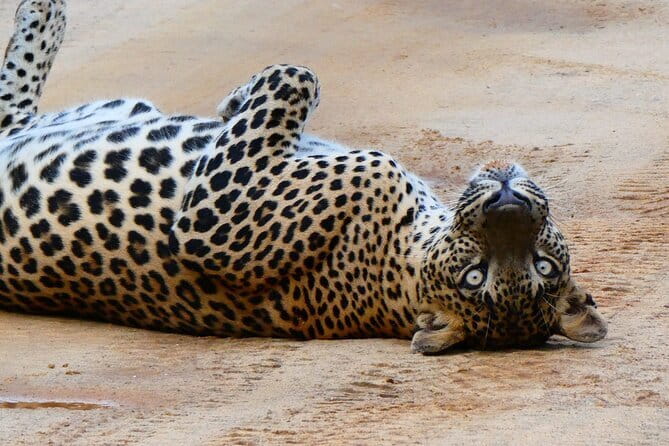
- Leopard country in Yala: one of the best odds for leopard sightings in Sri Lanka
- Guide-finding power: a strong guide makes a huge difference on safari (Ishan is specifically praised)
- Safari jeep + binoculars: you’re set up for real animal viewing, not just hope
- Breakfast and bottled water included: fewer worries during a long day in the dry zone
- Small group size: up to 15 travelers keeps the day easier for everyone
- Flexible pickup/drop-off area: you can join from multiple towns around Galle and Ella
Yala National Park is the main event for wildlife spotting
If you want one place in Sri Lanka where the wildlife odds feel serious, Yala is it. The park sits in the dry zone near the southeast coast, so the scenery and animal habits are shaped by a different kind of environment than Sri Lanka’s greener regions. That matters on safari days because animals concentrate in and around water and food sources, and the terrain gives guides real routes to work with.
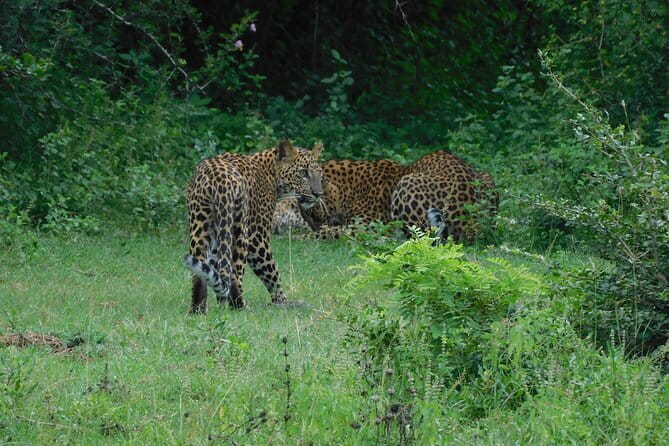
Yala is also famous for its leopard density, meaning you’re not just “looking for a chance.” You’re in a system designed around where leopards actually live and move. On top of that, the park offers a full menu: elephants, sloth bears, crocodiles, deer, monkeys, reptiles, and lots of birds. Even when your main target doesn’t show, you can still have a strong wildlife day with variety.
And yes, this is the kind of tour where you end up paying attention to details you normally skip: tracks, calls, movement in scrub, and the way light hits open ground. You’ll feel it when you see the first animal well. The day suddenly becomes about not missing anything.
You can also read our reviews of more tours and experiences in Galle.
Pickup, timing, and how the day usually flows
This is a long day by design. Expect around 12 to 13 hours, starting with hotel pickup and ending with drop-off back at your area. The tour is designed for people staying across Galle, Mirissa, Matara, Tangalle, Ella, Unawatuna, Habaraduwa, Ahamgama, Weligama, Hiriketiya, Rekawa, and nearby spots.
In practical terms, that means you don’t have to waste your time figuring out transport into the park region. You just show up, get in the vehicle, and the day turns into a moving wildlife plan.
Here’s what you should keep in mind: a full-day safari means early and late stretches of driving, plus time in the park searching. Yala safari schedules can get tight when the animal sightings heat up, so be ready for a day that runs by the guide’s instincts and the sightings that actually happen.
The safari jeep and binoculars: why this setup matters
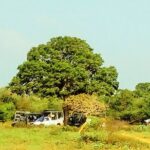
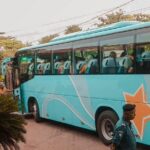
A safari jeep sounds simple, but it’s the difference between a good day and a frustrating one. You’ll be in a vehicle built for getting around the park roads and viewpoints safely, and you’ll spend more time positioned where animals can be seen instead of stuck in the wrong spot.
Binoculars being included is another big deal. With wildlife, small distance changes make huge picture changes. You can also look for animals that are present but not obvious to the naked eye. Even birds can be a “real show” when you can scan properly instead of guessing.
Now add the guide. In the strongest experience write-ups, a guide named Ishan is praised for knowing what to look for and for explaining what’s happening along the way. That’s not fluff. On safari, understanding behavior helps you predict where animals might go next, and it helps you notice clues faster than you would on your own.
Air-conditioned transport is also a quiet upgrade. Sri Lanka can feel hot and bright for parts of the day, and having a cooler ride between pickup points keeps you from burning out before the actual safari portion.
Entering Yala: what to do about the park entry fee
One detail you must plan for: the National Park entrance ticket is not included in the $39 tour price. The fee is listed as $37 per person, purchasable at the park gate.
So your real “all-in” safari cost is closer to $39 + $37, or about $76 per person, before any optional add-ons. That still may be a good value if you’re comparing it to tours that charge more for jeep access and guide service.
My practical advice: decide ahead of time whether you’ll pay the ticket without stress. Bring cash or be ready to handle whatever the gate requires on the day (the tour doesn’t include the entry fee itself). If you show up thinking it’s fully covered, you’ll lose time and focus right when the day starts.
Morning momentum inside Yala: what you’re really watching for
At Yala, your day is mostly about scanning and adjusting. You’re looking for animals that are:
- moving between cover and open areas
- near water sources
- active at certain times depending on light and heat
- showing signs in the form of calls, movement, or tracks
The tour includes breakfast, and that matters more than it sounds. A safari day can stretch long, and you don’t want to be hunting food options while also trying to catch the best viewing windows. Breakfast helps you get going without that mid-day energy dip.
Once you’re in the park, the guide role becomes the key difference. The guide isn’t just pointing at animals. They’re watching the whole system: terrain, visibility, and where animals tend to appear. This is where binoculars and jeep positioning combine into something useful, not just “nice extras.”
And remember: wildlife viewing isn’t a theme park. Animals are wild. Your best plan is to stay flexible, keep your eyes up, and treat every stop as a fresh chance.

Leopard chances, elephant sightings, and other big moments
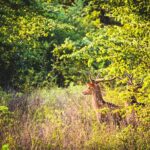
Yala’s headline species is leopard, and the odds here are the reason people make the trip. The park is known for having one of the highest leopard densities in the world, which translates into more frequent opportunities to spot them compared to parks where leopards are rarer.
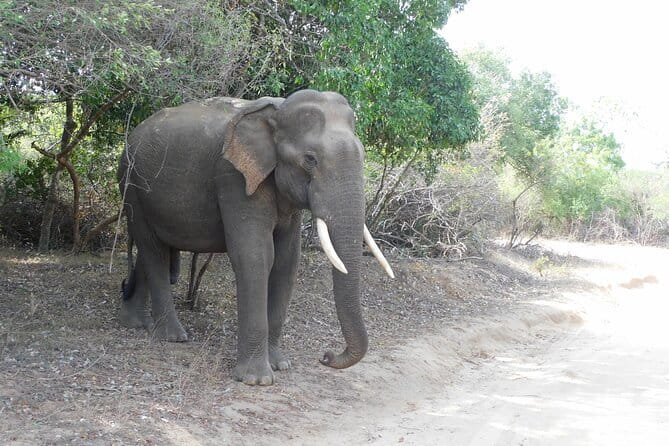
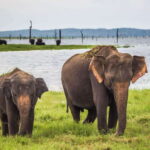
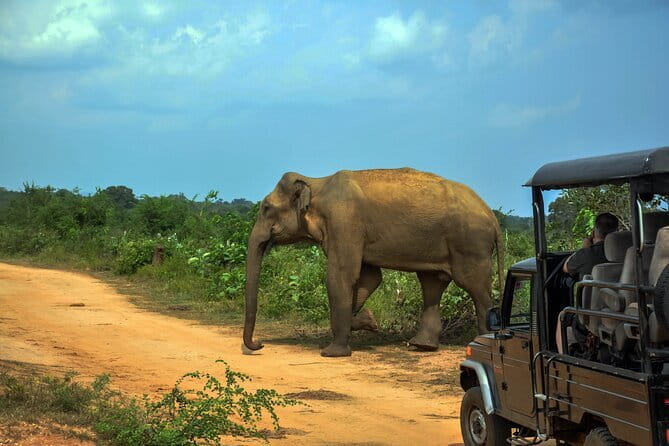
Elephants are also a strong possibility. One experience account highlights what felt like a serious elephant count, showing that when elephants are in the area, the sightings can turn into a full scene rather than a quick glimpse. If you’ve never watched elephants up close in a wild setting, you’ll notice their movement patterns and how they use space.
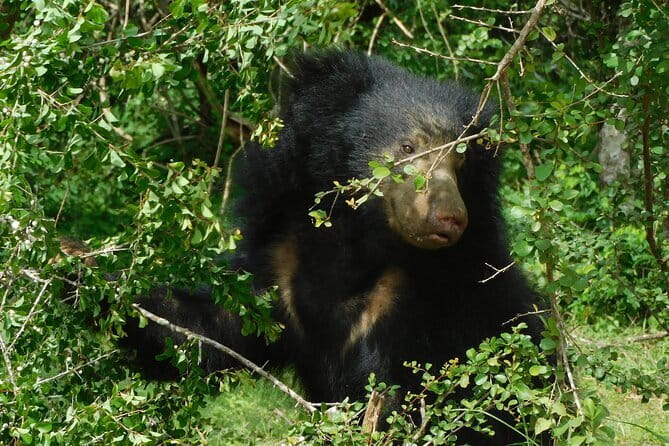
Sloth bears and crocodiles are also on the list of possible sightings. When a sloth bear shows, it can feel like the whole group goes still, because you realize you’re seeing an animal that’s usually hard to catch in daylight. Crocodiles add that grounded, prehistoric edge to the day, especially when they’re near water.
Deer, monkeys, reptiles, and hundreds of bird species round out the day. Bird watching may not be why you booked a safari, but once you’re in the park rhythm with binoculars, you’ll start enjoying the smaller wildlife too. Birds are often your clue that movement is happening nearby.
The bottom line: your day can deliver multiple wildlife categories, not only one target animal. That variety is a real value point for the time you’re investing.
Why the included breakfast and bottled water are worth it
You’re paying for a wildlife day, but comfort choices affect whether you stay sharp for wildlife. Breakfast included means you start with fuel instead of grabbing snacks later. It’s also the kind of practical detail that keeps the experience stress-free, especially when timing is tight.
Bottled water included is another lifesaver. Safari heat and sun can add up, and you shouldn’t have to budget mental energy for water during the day’s most important parts.
If you want to make the day easier on yourself, bring a light layer for the jeep rides (air-conditioned transport can feel cooler than you expect) and wear clothes you’re okay with getting a little dusty.
Group size and guide attention: the real value of small numbers
This tour caps at 15 travelers, which helps in a few ways. Smaller groups are easier to manage on jeep routes and make it simpler for the guide to keep everyone positioned for viewing. You also tend to get a little more attention when questions come up.
The guide experience matters even more than the jeep specs. One praised guide, Ishan, is specifically called out for doing an amazing job finding animals and for explaining things along the route. That kind of guiding turns “we saw animals” into “I understood what I was seeing.”
If you like nature, photography, or just want a day that feels organized without being rigid, a small group format gives you that balance.
Cost check: is it good value at $39 plus the entry ticket?
Let’s do the math in plain terms. The tour price is $39 per person, and the National Park entry ticket is $37 per person, bought at the park gate. So expect roughly $76 for the core safari day, plus any optional extras.
Why that can still feel like good value:
- You get hotel pickup and drop-off in the area. That’s not free when you’re factoring how far most people are traveling.
- You get a safari jeep and air-conditioned transport.
- You get binoculars included, which many safari add as a paid extra.
- You get breakfast and bottled water, which reduces your on-the-day costs and stress.
The one thing to watch is that entry ticket cost isn’t wrapped into the package. If you budget only the $39, you’ll be surprised. If you budget both, the overall price becomes easier to judge.
Also, this tour is built around a full wildlife day. If your goal is one big wildlife outing rather than multiple half-days, that makes it easier to justify the cost.
Who this safari fits best, and who might want a different plan
This is a good fit if you:
- want a serious day for wildlife in Yala National Park
- prefer guided spotting rather than trying to DIY the day
- like the idea of binoculars and a jeep for better viewing
- want pickup from towns around Galle, Mirissa, Matara, Tangalle, or Ella
You might want to think twice if:
- you hate long days (this runs about 12–13 hours)
- you want a perfectly predictable schedule with no variability (wildlife sightings set the pace)
- you’re tight on budget and would rather avoid paying entry fees separately
One more timing note: this experience requires good weather. If weather is rough, there may be a date change or a full refund. That’s not a deal-breaker, but it does mean you should plan with flexibility if you can.
Should you book this Yala safari tour?
If you’re choosing between doing nothing special and taking one real wildlife shot, I’d book this kind of Yala safari for the odds and the setup. The guide attention, the included binoculars, and the included breakfast/bottled water add up to a day that feels planned, not improvised. And Yala’s leopard reputation means you’re in one of the better places to actually check the box for big-cat country.
Book it if you want a guided full-day in a small group with practical inclusions. Skip it only if you’re trying to keep costs ultra-low without considering the extra park entry ticket, or if a long day in the sun and on the road is hard for you.
FAQ
What does the Yala safari tour include?
The tour includes breakfast, very experienced driving and guiding, a safari jeep, car/van transport, air-conditioned vehicle, hotel pickup and drop-off, and bottled water.
Is the National Park entry ticket included in the $39 price?
No. The National Park entrance ticket is not included. You purchase it at the park counter/gate. The listed fee is $37 per person.
How long is the Yala safari tour?
It runs about 12 to 13 hours.
Where can you be picked up and dropped off?
Pickup and drop-off are offered across multiple areas including Ella, Galle, Unawatuna, Habaraduwa, Ahamgama, Weligama, Mirissa, Matara, Hiriketiya, Tangalle, and Rekawa.
Is pickup offered?
Yes, hotel pick up and drop off are included.
Are binoculars provided?
Yes, binoculars are included.
How many people are in the group?
The maximum group size is 15 travelers.
What is the cancellation policy?
Free cancellation is available up to 24 hours in advance for a full refund.
Does the tour run in bad weather?
It requires good weather. If it’s canceled due to poor weather, you’ll be offered a different date or a full refund.