Elephants and crocodiles in one long day. This tour strings together a Udawalawe wildlife safari with a hands-on stop at the Elephant Transit Home, all with hotel pickup from the south coast.
Two things I especially like: the guided jeep safari inside Udawalawe, where you’re actively scanning for animals, and the 30-minute baby elephant feeding that lets you see why this area is so important. The experience also has a good rhythm: you’re not just waiting around on a bus.
One possible drawback is cost creep: park entrance fees are not included, so check the total before you book.
In This Review
- Key Highlights You’ll Actually Feel
- Udawalawa from Down South: Why This Tour Works
- The Drive From Your Hotel to Elephant Transit Home
- Feeding Baby Elephants: The 30-Minute Part That Feels Like the Main Event
- Udawalawe Jeep Safari: How the Park Turns Into Action
- More Than Elephants: The Wildlife List You Can Plan Around
- Price and Logistics: What You’re Really Paying for
- What to Pack and How to Make the Day Easier
- Should You Book This Udawalawa Safari and Elephant Transit Home Stop?
- FAQ
- What’s the duration of the tour?
- Where does pickup happen?
- What’s included in the price?
- Are park entrance fees included?
- What animals can you expect to see?
- What language is the guide in?
- Can I cancel for a refund?
Key Highlights You’ll Actually Feel
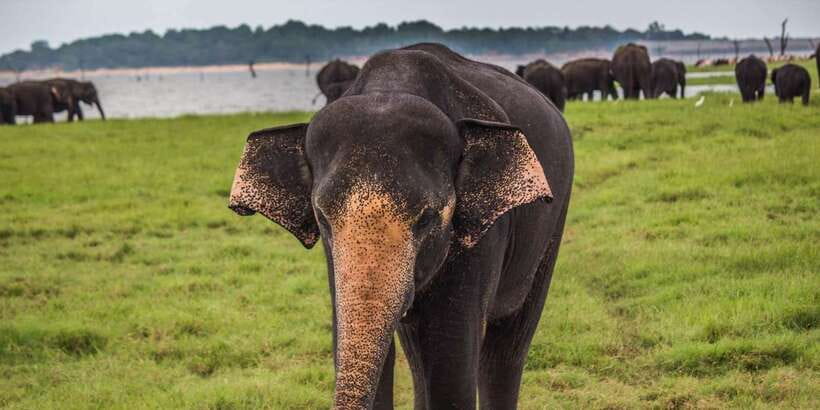
- Guided Udawalawe National Park jeep safari focused on elephants and the best sightings of the day
- 30 minutes of baby elephant feeding at the Elephant Transit Home (short, but memorable)
- Hotel pickup and drop-off from Hikkaduwa/Galle/Weligama/Mirissa/Tangalle/Hiriketiya and nearby areas
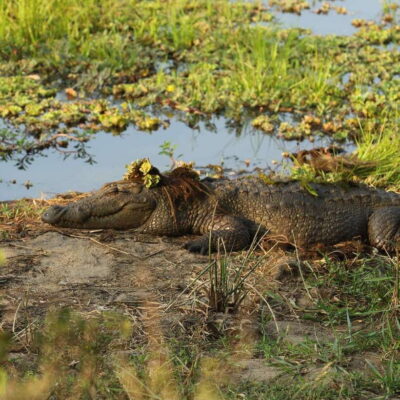
- Lots of wildlife variety beyond elephants, including crocodiles, deer, wild boars, and snakes
- English live guide and a professional driver who keeps the day moving smoothly
- Guides can improve your viewing time by choosing smart routes and watching spots (with examples like Pradeep and Pathum)
Udawalawa from Down South: Why This Tour Works
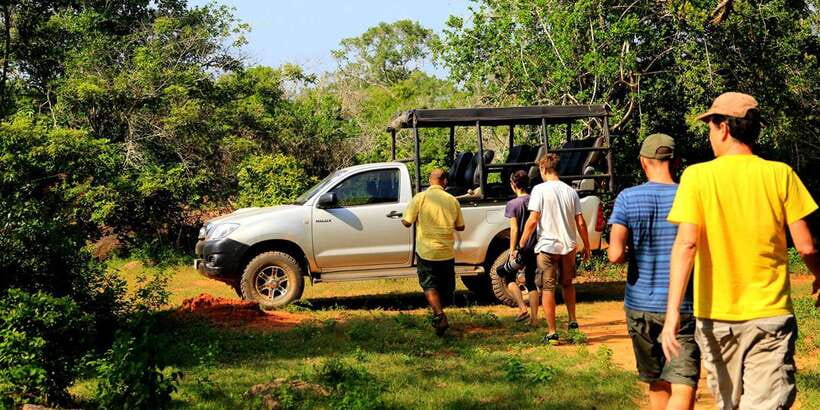
If you’re staying around Galle, Mirissa, Tangalle, or Hikkaduwa, this is one of the more practical ways to see Sri Lanka’s big wildlife without losing a full day to long travel. Udawalawe is built for elephant watching, and the itinerary is set up to get you to the right places at the right times: first the elephant feeding stop, then the jeep safari when your eyes are already tuned to find movement and shapes among the trees.
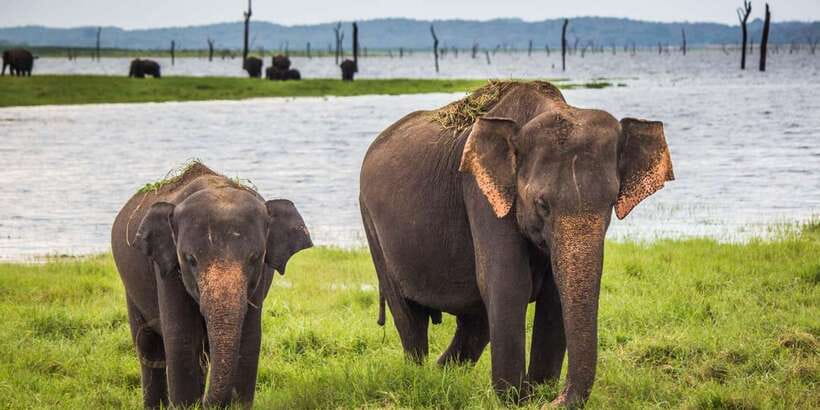
What makes this especially interesting is how the day moves between two different “elephant worlds.” At the Transit Home you see the care side of things up close. In the national park you’re watching elephants behave in the wild, using water sources and open areas the way they’re meant to.
The whole plan also fits the kind of traveler who wants animals, not just photos. A good guide helps you track where sightings happen, so you spend more time looking and less time guessing.
You can also read our reviews of more tours and experiences in Udawalawa.
The Drive From Your Hotel to Elephant Transit Home
Your day starts with pickup from your hotel in the down-south area. You’ll switch into an air-conditioned vehicle and head toward Udawalawe. The drive is about two hours to the Elephant Transit Home, so bring something small for comfort and hydration—this leg matters because it sets your energy level for both elephant time and safari time.
On the road, you might get helpful commentary from your driver. Some guides and drivers are known for pointing out things like rice fields and explaining local animal life as you go. It’s a small touch, but it helps you arrive with context, especially if you’ve only ever seen Sri Lanka from the beach.
Because your pickup zones stretch across several towns (Hikkaduwa/Galle/Unawatuna/Thalpe/Ahangama/Weligama/Mirissa/Matara/Tangalle/Hiriketiya), the schedule may involve coordinated pickups. That’s normal. Just try to be ready at the pickup spot on time so the day doesn’t get pushed later than it needs to be.
Feeding Baby Elephants: The 30-Minute Part That Feels Like the Main Event
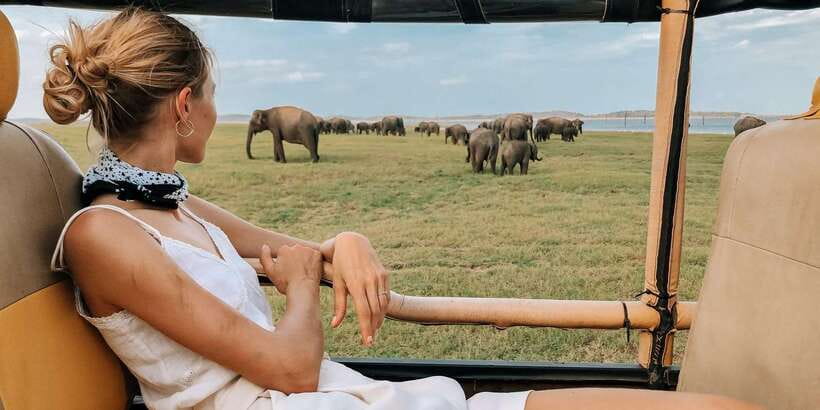
The heart of the experience for many people is the 30 minutes of feeding baby elephants at the Udawalawe Elephant Transit Home. This stop is valuable because it gives you a human-to-wildlife connection that you don’t get on standard game viewing. You’re seeing very young elephants at a moment when care and feeding are central to their survival.
Practically, it’s also a good length. Thirty minutes is long enough to feel involved, but short enough that the rest of the day still has room to deliver the wild safari. If you’re hoping for a close encounter, this is the closest you’ll likely get during the tour.
A balanced note: the Transit Home exists for a reason, but it’s still a working environment. Keep your attention on how caretakers handle the babies during feeding. Some visitors have raised concerns about how discipline is handled, so it’s fair to stay alert and form your own opinion based on what you observe in person.
Tip: dress for sun and dust. Even if you’re not in the park yet, the area can feel warm, and you’ll want to move around comfortably.
Udawalawe Jeep Safari: How the Park Turns Into Action
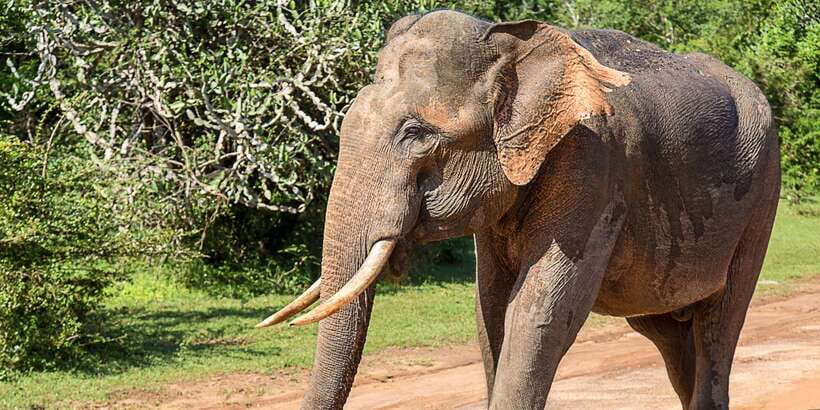
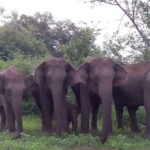
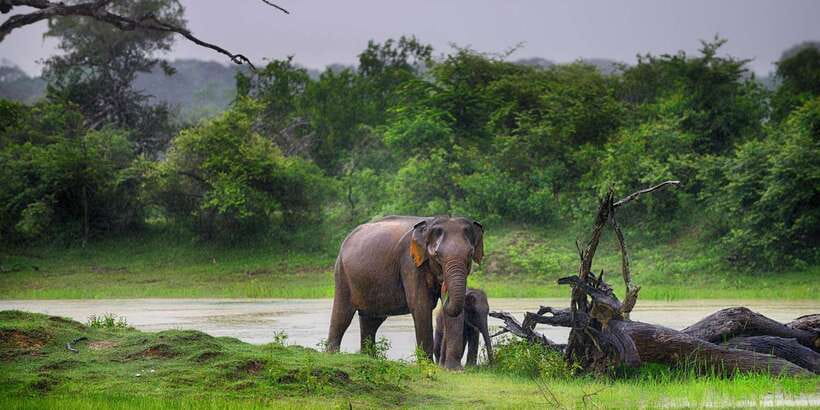
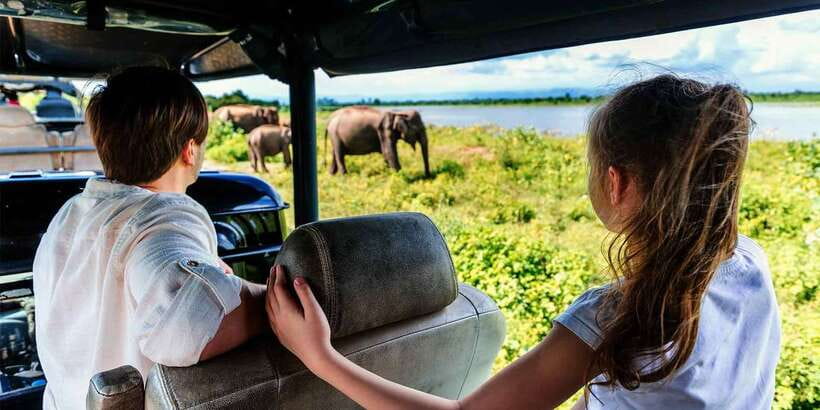
After the elephant stop, you continue to Udawalawa National Park for your jeep safari with a guided naturalist-style approach. Udawalawe is known for its strong elephant population, and the park’s setup includes abundant water sources that help elephants stay close to key areas. That matters because animals don’t just appear on command—you want the locations that concentrate wildlife, and that’s what the safari is built to take advantage of.
Once you’re in the jeep, the difference between a basic drive and a great safari is the guide’s ability to read the area quickly. A top guide will be scanning for small tells: movement low to the ground, the angle of ears, a line of birds heading in the same direction, or a crocodile that looks like a log until it shifts.
Some safaris can feel like you’re watching the park from “inside the story,” not just passing through it. Guides such as Pathum have been praised for choosing good spots and even taking different routes than other jeeps, which can mean less time watching traffic and more time watching animals.
What you should aim for during the safari is patience. Elephants and other wildlife in Udawalawe can be right nearby one moment and then suddenly vanish behind brush. The guide’s job is to keep the jeep where chances are best, and yours is to stay focused enough to catch the moment the animal decides to show itself.
More Than Elephants: The Wildlife List You Can Plan Around
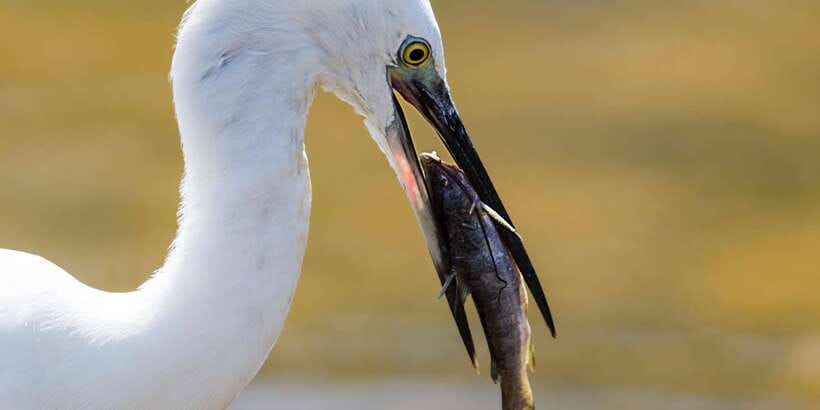
Udawalawe doesn’t only deliver elephants. The park is also known for a wide mix of mammals, reptiles, and birds, plus lots of insects. That’s good for you because it reduces the chance that the day feels like a one-note show.
Here are some of the animals you may spot during the safari:
- Crocodiles
- Wild boars
- Wild buffalos
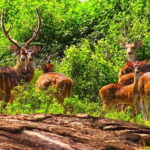
- Spotted deer and barking deer
- Sambar deer
- Hares
- Mongoose
- Snakes, including about 30 species
- Butterflies, with around 50 species
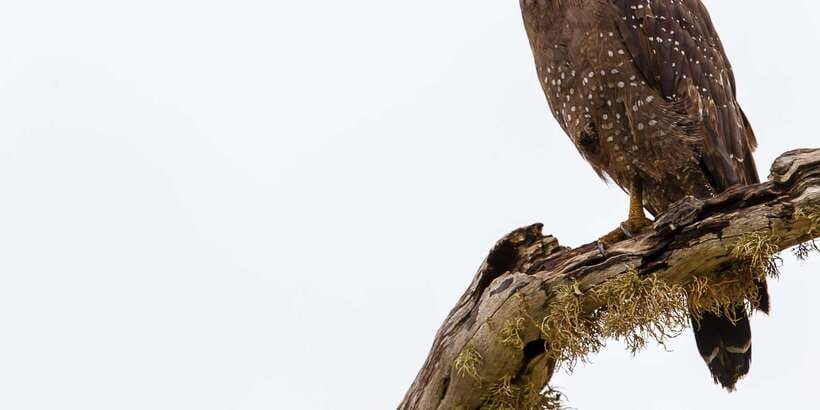
- Birds, with many species to look out for
A small practical point: when the jeep pauses for a sighting, don’t rush to stand up or point wildly. Let the guide show you what to watch first. That’s where you start noticing details—like the way birds change behavior when predators or elephants move through.
Elephants can also come in close. On one outing, an elephant was seen reaching its trunk toward the van, which is the kind of moment that makes the whole day feel personal, not generic.
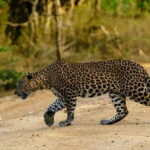
And yes, variety can include surprises. There have been reports of rarer sightings like a leopard. You shouldn’t plan your hopes around it, but knowing that it’s possible helps explain why people keep talking about Udawalawe as more than an elephant-only stop.
Price and Logistics: What You’re Really Paying for
The tour price is listed at $67 per person for a 7-hour experience, and it includes a lot of the “hard parts” of a day trip: air-conditioned transport, hotel pickup and drop-off from the south coast zones, a jeep safari, and the Elephant Transit Home visit, plus a professional driver/guide.
What’s not included is what often surprises people at the last step:
- Udawalawa National Park entrance fees
- Food and drinks
That means your real budget is the tour cost plus entrance fees and any meals/snacks you want. Because the tour doesn’t include food, plan like you’re going to spend at least a portion of the day away from restaurants. Bring water, and consider a simple snack so you’re not stuck paying whatever is available onsite.
Value-wise, you’re paying for convenience and for access: the jeep safari and the park experience are usually the expensive part. The $67 looks even better when you factor in door-to-door pickup from places like Mirissa, Tangalle, and Galle, instead of needing separate transport across multiple stops.
What to Pack and How to Make the Day Easier
This is a safari day, so pack for heat, dust, and quick animal-watching moments.
- Bring water since food and drinks aren’t included
- Wear light layers you can handle in sun
- Have sun protection (hat and sunscreen)
- Wear shoes you can stand/walk in during brief stops
- Keep your phone and camera ready, but also be ready to pause and just watch
Also, set your expectations. A jeep safari is not a zoo. Animals move, and sometimes the best sightings happen when you wait. The guide’s skill matters, but your attitude matters too: quiet attention tends to win.
If you care about elephant welfare, you can still enjoy the experience while staying thoughtful. Watch closely at the feeding stop and form your own view about animal handling.
Should You Book This Udawalawa Safari and Elephant Transit Home Stop?
Book it if you want:
- A smart half-day wildlife hit from the south coast with door-to-door pickup
- Elephant time that’s close enough to matter, plus a guided jeep safari to see what happens in the wild
- The chance to spot more than elephants, including crocodiles and deer, and a strong variety of birds and snakes
Hold off or choose carefully if:
- You want a fully priced package with no extra park fees
- You feel strongly about how elephants are handled during feeding and you don’t want to see that reality up close
If you’re okay with paying entrance fees on top and you’re ready for a focused wildlife day, this is a solid option. It’s the kind of outing where the time actually gets used well: feeding first, then safari, and then you’re back on the road toward your hotel before the day gets too long.
FAQ
What’s the duration of the tour?
The tour lasts about 7 hours total.
Where does pickup happen?
Pickup is available from Hikkaduwa, Galle, Unawatuna, Thalpe, Ahangama, Weligama, Mirissa, Matara, Tangalle, and Hiriketiya areas.
What’s included in the price?
Transport by air-conditioned vehicle, hotel pickup and drop-off, a jeep safari at Udawalawa National Park, an Elephant Transit Home visit, and a professional driver/guide.
Are park entrance fees included?
No. Udawalawa National Park entrance fees are not included in the package.
What animals can you expect to see?
You may see elephants, crocodiles, wild buffalos, spotted deer, barking deer, sambar, wild boars, hares, mongoose, and a range of birds. The park also has many species of snakes and butterflies.
What language is the guide in?
The live tour guide is available in English.
Can I cancel for a refund?
Yes. Free cancellation is offered up to 24 hours in advance for a full refund.