Udawalawa starts early and pays off fast. This is a smart way to do wildlife viewing at Udawalawe National Park while you’re already moving from the Ella area toward the south coast. I especially like how this combines a real safari morning (or afternoon) with an AC transfer drop-off to places like Mirissa, Weligama, Unawatuna, and Galle.
The second big win is the wildlife itself. You’re in one of Sri Lanka’s best spots for seeing animals in a wide-open natural setting, with chances for elephants, crocodiles, sloth bears, buffaloes, and plenty of birds. Guides like Patnum and Ranjith are praised for their close-spotting instincts and for sharing facts about what you’re actually seeing.
One thing to plan around: you do most of the day in shared vehicles, and the park entrance tickets aren’t included. Also, the morning departure is very early, so sleep matters.
In This Review
- Key things I’d focus on before you book
- Udawalawa-to-the-beach: why this combo tour makes sense
- The ride schedule: the 4:30 a.m. pickup and the afternoon alternative
- Entering Udawalawe: what the game drive is actually like
- Break at Udawalawe and the Elephant Transit Home stop
- Entrance tickets: the small line item that affects total cost
- What you’ll see (and why morning often feels best)
- Sustainability and community support: what it means for you
- Price and value: paying for transport + a guided wildlife slot
- Who this tour is best for (and who should reconsider)
- The small details that can make or break your day
- Should you book Udawalawe Safari with drop-off to Mirissa/Weligama/Galle?
- FAQ
- Is this safari available in the morning and in the afternoon?
- Where do pickups happen?
- How long is the whole experience?
- What time does the game drive run?
- Are Udawalawe National Park entrance fees included?
- Where will I be dropped off after the safari?
- Is the tour guided in English?
- Is it suitable for wheelchair users?
Key things I’d focus on before you book
- Two safari choices: Morning or afternoon, with set pickup times (morning starts around 4:30 a.m.).
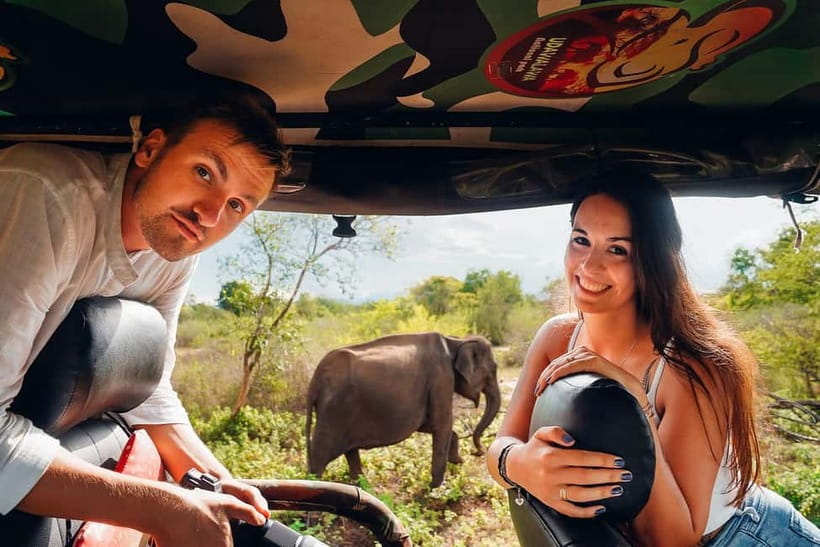
- Shared jeeps, shared transfers: Up to 12 people, with pickup by shared AC car/minivan and the game drive on a shared safari vehicle.
- Real game-drive timing: The safari run is roughly 7:00 to 10:00 a.m., which is when animals tend to be most active.
- Entrance fees are extra: You’ll need to buy Udawalawe National Park tickets on the day.
- Elephant Transit Home stop: A dedicated 30-minute visit with a photo stop built in.
- Operator experience: Ajith Safari Jeep Tours has 30+ years in this business and uses experienced driver-guides.
Udawalawa-to-the-beach: why this combo tour makes sense
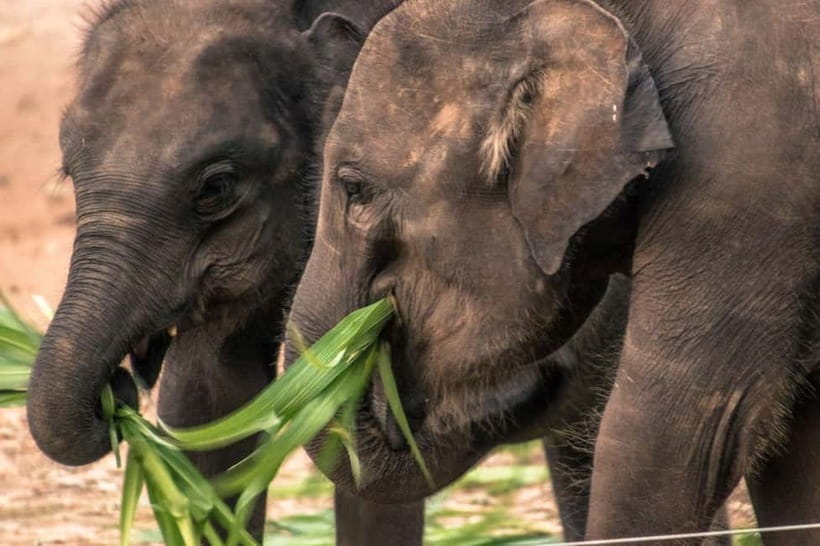
This tour is built for a very practical travel problem: you want wildlife in the morning, but you also want to reach the ocean afterward without spending extra money on separate taxis and private safari logistics. So instead of doing Ella to south coast first, then arranging a safari later, this route threads the needle.
I like that the itinerary is designed around a smooth flow. You’re picked up from your hotel area, transferred to the national park area, moved into the safari jeep for the game drive, then you’re back in your transfer vehicle and dropped off at beach destinations like Galle and Mirissa. It’s efficient without feeling like a rushed checklist—especially if you’re the type who hates wasting hours on back-and-forth.
Another reason it works: Udawalawe is not a place you visit “from afar.” You’re there early enough to actually spot animals, and you’re in the right vehicle setup for wildlife viewing rather than just sightseeing from a bus window.
You can also read our reviews of more tours and experiences in Udawalawa.
The ride schedule: the 4:30 a.m. pickup and the afternoon alternative
Timing is the backbone of this experience, and it affects everything: what you see, how long you sit in transit, and how your day feels.
For the morning safari, pickup is around 4:30 a.m. from the Ella, Bandarawela, or Wellawaya area. You’ll travel by an air-conditioned car or minivan on a sharing basis. The transfer portion is listed as roughly 2.25 hours, with a short additional hop to the park area afterward.
You’ll then reach Udawalawe around 6:45 a.m., switch to the shared safari vehicle, and begin the main game drive around 7:00 a.m. to 10:00 a.m. That three-hour viewing window is the heart of the tour.
For the afternoon safari, pickup starts around 12:00 p.m. The key difference is you’re shifting the whole day later while still keeping the safari visit and drop-off plan intact. Your exact timing will be adjusted based on your chosen pickup time, and the overall duration is listed as about 7 hours.
Practical tip: if you’re doing the morning option, plan on a very early wake-up and have water with you. If you’re doing the afternoon option, you’ll still want light snacks so you’re not stuck hungry during the breaks.
Entering Udawalawe: what the game drive is actually like
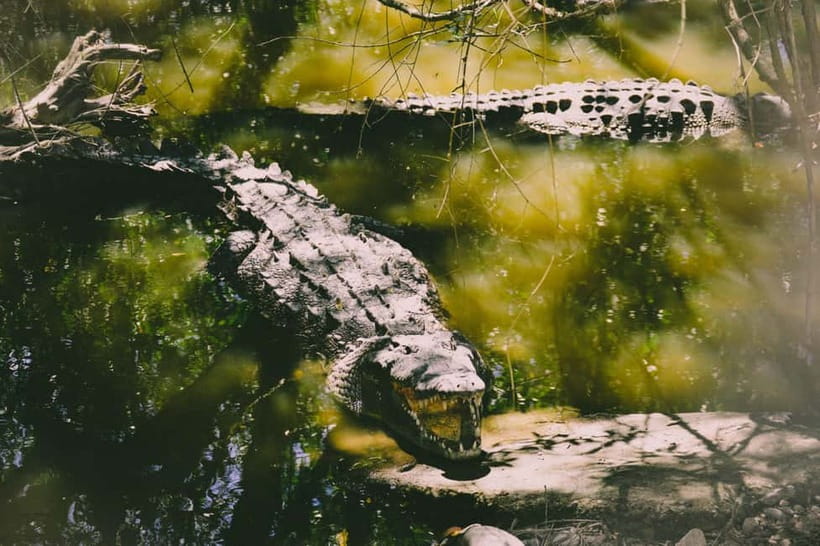
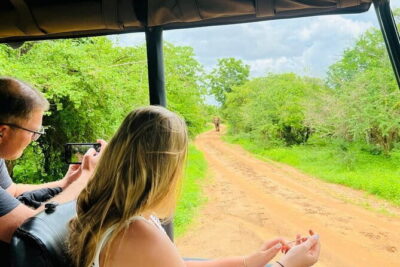
Once you reach the park, you’ll climb into the safari jeep and do the wildlife game drive. This part runs roughly 7:00 a.m. to 10:00 a.m., and it’s where most of the value sits.
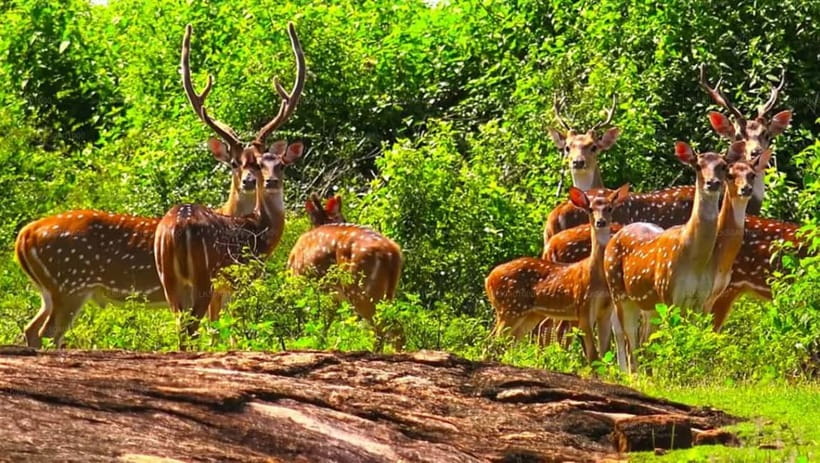
This is one of the best parts of Sri Lanka for animals in their natural habitat. The tour info points to the kind of wildlife you should keep your eyes open for: elephants, crocodiles, sloth bears, buffaloes, and many bird species. In real life, that variety matters because a safari doesn’t always mean you’ll only see the headline animal. Birds and smaller wildlife add texture to the experience even when the larger animals are taking their time.
What I like about the way these tours operate is that you’re not left guessing. You’ll have an expert driver-guide with park knowledge, and named guides such as Patnum are highlighted for knowing the elephants and other wildlife well. That kind of on-the-spot interpretation turns a random sighting into something you can understand: what you’re seeing, why it’s there, and what it likely does next.
Also, keep expectations grounded about the vehicle. This is a shared safari vehicle, and there may be other jeeps around. Still, the guide’s skill can make a huge difference in how quickly you find animals and how close your viewing feels. One reported experience notes an especially good setup where a group had their own jeep without others around, which shows how timing and placement can vary.
Break at Udawalawe and the Elephant Transit Home stop
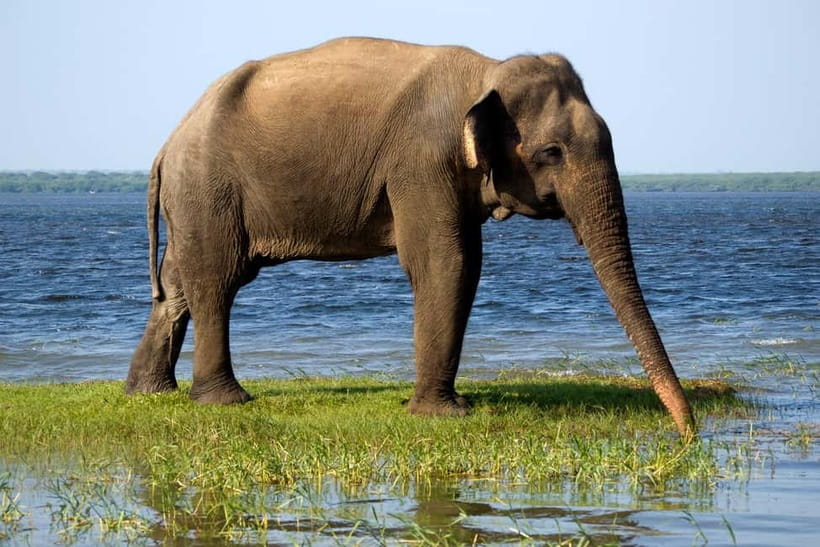
After the main viewing window, you’ll come off the safari vehicle and get a break time around Udawalawe—about 30 minutes. This is important on a long day that starts early. You get a breather, time to regroup, and a chance to reset before the next segment.
Then comes a stop with a very specific purpose: the Udawalawe Elephant Transit Home. You’ll have about 30 minutes here, plus a photo stop. This part is different from the game drive. Instead of searching the landscape, you’re visiting a facility focused on elephants, which gives your day a clear theme even if the safari wildlife action is spread out across time.
A transit home visit can be emotionally mixed depending on what you already know about wildlife rescue and rehabilitation, so go into it with a calm, curious mindset. Even when you’re hoping for elephants during the jeep drive, this stop adds context to elephant life beyond what you’ll see just roaming in the wild.
Entrance tickets: the small line item that affects total cost

One of the most practical things to understand is that Udawalawe National Park entrance fees are not included in the listed price. You’ll need to buy them on the day at around Sri Lankan Rupees 11,000 per person (the info provides an approximation in USD around 37).
So your all-in cost is not just the advertised $48 per person. It’s $48 plus the entrance ticket fee. That doesn’t automatically make it bad value—it actually makes the value easier to judge.
Here’s how I think about it: you’re paying for (1) a guided safari experience, (2) an organized transfer by shared AC vehicle from the Ella area to major beach towns, and (3) the elephant transit home visit that’s folded into the same day plan. If you had to book those separately, you’d likely spend more in time and money, especially with private transfer + safari planning.
Practical tip: bring enough cash or whatever payment method the ticket booth supports, and treat the entrance ticket as part of your budget from the start so there are no surprises when you arrive.
What you’ll see (and why morning often feels best)
Udawalawe works best when the day is still cool and animals are more active. That’s why the morning 7:00–10:00 a.m. game drive window is such a strong design choice.
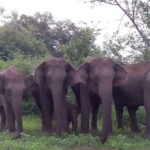
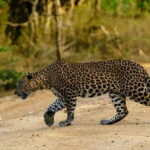
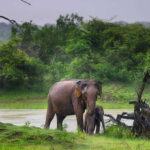
You’ll likely spend the safari scanning for movement, then locking onto it—elephants are a big one, but crocodiles and birds can pop up in unexpected places. Sloth bears and buffaloes are also mentioned in the tour’s wildlife list, which is a good reminder to keep your attention moving and not tunnel-vision on only one species.
One detail that matters for real-world enjoyment: the guide’s ability to position the jeep. Reports highlight guides who know how to get to animals and share facts while you watch. That means you’re not just staring; you’re learning what you’re looking at, and that makes the sightings more satisfying.
And yes, you might still have moments of waiting. Wildlife isn’t a zoo schedule. The upside is that Udawalawe’s setup gives you repeated chances during a concentrated morning block instead of spreading everything thin across the whole day.
Sustainability and community support: what it means for you
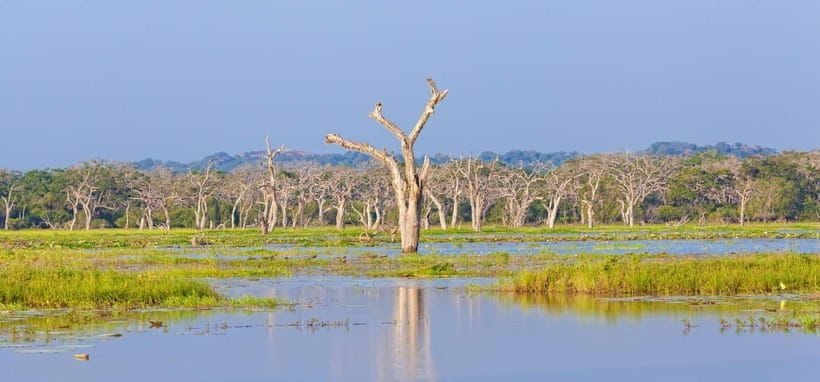
The tour info emphasizes eco-friendly safari operations and support for the local community. You won’t have a long lecture about this during the day, but it can still matter.
For you, it usually shows up in two ways:
- The operator has been doing this for a long time (30+ years), which often means smoother logistics and fewer careless moments in the field.
- The focus on responsible operations tends to align with how guides work—keeping the experience organized, not chaotic.
It doesn’t mean every detail is perfect or every jeep will behave ideally, but it does suggest the company runs a program that tries to respect the park and the people around it.
Price and value: paying for transport + a guided wildlife slot
Let’s talk value in a grounded way. You’re paying $48 per person for a full day (listed as about 7 hours) that includes:
- hotel pickup and drop-off across the Ella and south coast stretch,
- air-conditioned shared transfer,
- a driver-guide,
- a Udawalawe safari experience,
- and the elephant transit home stop.
You’re also paying extra for entrance fees.
If you’re planning to do Ella to Mirissa/Weligama/Galle anyway, this is basically a transport day that upgrades into a safari day. That’s where the value often lands for people: you’re not sacrificing your route. You’re using the transit time for something memorable.
The “small group” part also helps. The tour is limited to 12 participants, which is large enough to keep things flexible but small enough that you’re not in a massive crowd shuffle.
Who this tour is best for (and who should reconsider)
This is a great fit if you:
- want a guided safari experience without the hassle of arranging everything separately,
- are moving from the Ella area to the south coast and want a planned drop-off to beach towns,
- prefer early access wildlife viewing (morning option),
- and like getting context from a driver-guide while you watch.
It may be a rough fit if you:
- are pregnant, have back problems, or use a wheelchair (the tour notes it isn’t suitable for these situations),
- dislike very early starts (especially with the 4:30 a.m. pickup for the morning safari).
Also, because this involves shared transport and a shared safari vehicle, people who hate any “group logistics” might find it less comfortable than a fully private setup. On the flip side, for most budgets, shared is how you keep this kind of day from getting expensive fast.
The small details that can make or break your day
A safari tour is won or lost on practical comfort, not just wildlife.
- Bring water for the morning. You’ll be up early and you’ll move between vehicles before the safari starts.
- Plan for the entrance ticket so you aren’t scrambling. You’ll need to purchase them separately at the park.
- Wear something comfortable for a jeep ride and early morning. You’ll be sitting for stretches while scanning for animals.
- Use the breaks well. The Udawalawe break and the transit home stop are your chances to reset, eat if needed, and take photos before the day winds down.
And if you care about guide quality, pay attention to the fact that guides like Patnum and Ranjith have been singled out for being friendly, helpful, and strong at spotting animals. That sort of experience turns the whole morning into a calmer, more focused outing.
Should you book Udawalawe Safari with drop-off to Mirissa/Weligama/Galle?
I’d book it if you’re traveling from the Ella region toward the south coast and you want one efficient day that combines real wildlife viewing with an organized transfer. The value improves when you compare it to piecing together private transport, a safari booking, and separate arrangements for reaching beach towns.
I’d think twice if you’re not ready for early mornings (for the morning option) or if you strongly prefer fully private vehicles. Also, if you’re budgeting carefully, remember that the entrance fees are extra, so total cost is more than the $48.
If you want a practical safari day with minimal fuss and a good chance at elephants and other wildlife, this setup is a solid choice.
FAQ
Is this safari available in the morning and in the afternoon?
Yes. You can choose a morning or an afternoon safari. The morning pickup starts around 4:30 a.m., and the afternoon pickup starts around 12 p.m., with timing adjusted based on your chosen pickup time.
Where do pickups happen?
Pickups are available from the Ella, Bandarawela, and Wellawaya areas.
How long is the whole experience?
The duration is listed as about 7 hours.
What time does the game drive run?
For the morning schedule, the wildlife game drive is listed from about 7:00 a.m. to 10:00 a.m.
Are Udawalawe National Park entrance fees included?
No. Entrance fees are not included, and you’ll need to buy them on-site. The approximate fee provided is Sri Lankan Rupees 11,000 per person.
Where will I be dropped off after the safari?
Drop-off is in the Galle area and nearby beach areas including Matara, Mirissa, Weligama, Unawatuna, Koggala, Ahangama, and Dondra/Talalla.
Is the tour guided in English?
Yes. The tour includes a live tour guide in English.
Is it suitable for wheelchair users?
No. The tour is listed as not suitable for wheelchair users (and also not suitable for pregnant women or people with back problems).