Elephants show up fast in Udawalawe. This safari mixes Udawalawe National Park wildlife driving with a visit to the Elephant Transit Home, so you get the wild action plus real elephant context.
I love the small-group feel of a private 4×4 jeep and the way the guide-driver manages the stops for better viewing. I also love that the tour often centers on a specific guide team; several trips highlight Gimhana, a guide known for guiding with patience and clear animal explanations.
One possible drawback: sightings are never guaranteed, and you’ll need to plan for extra costs since park entry and Elephant Transit Home entrance are not included.
In This Review
- Key highlights to know before you go
- Udawalawe National Park: why this part of Sri Lanka is worth your time
- Your day’s rhythm: how the safari drive usually works (4–10 hours)
- What you can realistically spot: elephants and the whole supporting cast
- Endemic birds: when the bird list turns into a highlight
- The Elephant Transit Home: what it adds after your safari drive
- Guide and jeep setup: private 4×4 plus the Gimhana effect
- Timing tactics: early morning (6am) vs later starts
- Price check: what $29 buys you (and what you’ll pay extra)
- Practicalities that make the safari smoother
- Who should book this Udawalawe tour, and who might skip it
- Should you book this Udawalawe National Park safari & Elephant Transit Home tour?
- FAQ
- How long is the Udawalawe National Park safari & Elephant Transit Home tour?
- Is this safari private?
- What’s included in the tour price?
- What fees are not included?
- Where do pickup and drop-off happen?
- Is there an English-speaking guide?
- Are drones and alcohol/drugs allowed?
- What’s the cancellation and reserve-pay-later policy?
Key highlights to know before you go
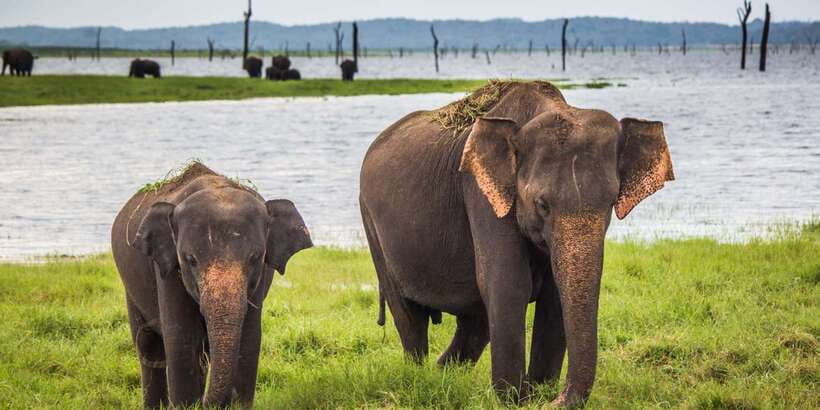
- Elephants up close, including the transit home after your safari drive
- Private jeep (max 6 passengers) for easier photo angles and less crowd chaos
- Guide-driver Gimhana style: calm spotting, frequent stops, and lots of time at sightings
- Good odds for many species beyond elephants like deer, crocodiles, and jackals
- Birding can be a real bonus with endemic species such as Sri Lankan Jungle fowl and Spurfowl
- You can choose your timing from shorter safaris to longer outings like 7 hours
Udawalawe National Park: why this part of Sri Lanka is worth your time
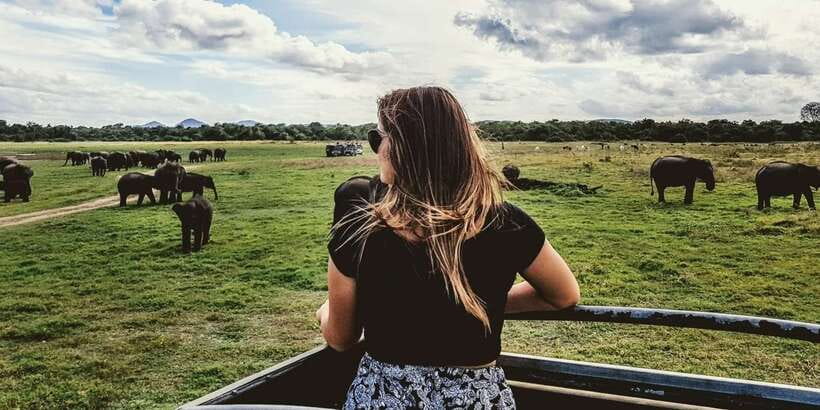
Udawalawe is one of those places where your expectations get tested in a good way. You come for elephants, yes. Then you end up noticing deer, crocodile shapes near water, and birds that you’d normally miss if you were just driving yourself.
What makes this experience feel practical is the structure. You’re not wandering. You’re in a private 4×4 jeep with an English-speaking guide-driver who knows how to position the vehicle and when to move. That matters because Udawalawe’s best moments often happen in small windows—an elephant shifts position, a bird calls from the scrub, or a predator passes through a patch you’d never think to scan.
And the Elephant Transit Home stop is the smart add-on. The park shows you elephants behaving like wild animals. The transit home helps you understand what happens when elephants need recovery, relocation, or safer conditions. It turns your day from only “cool photos” into something you can actually explain to friends later.
You can also read our reviews of more tours and experiences in Udawalawa.
Your day’s rhythm: how the safari drive usually works (4–10 hours)
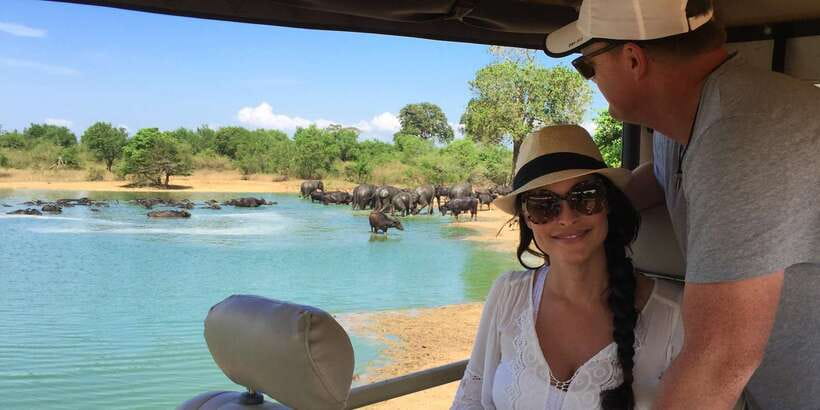
The tour is flexible by duration, ranging from 4 hours up to 10 hours depending on what you book. Most people do a shorter block if they’re pairing the safari with other plans in Sri Lanka. Others stretch it out to slow down and get more chances at animals that may appear only briefly.
Your day typically follows this flow:
1) Pickup and get settled in the jeep
You’ll be picked up from the Udawalawe area or from Udawalawe National Park entrance. If your hotel is outside that pickup zone, pickup is still available, but it costs extra.
2) Safari time inside the park
You’ll spend your main chunk of time in the jeep exploring areas known for wildlife viewing. Udawalawe is especially famous for elephant sightings, but it’s also a strong place for other wildlife—especially if your guide keeps you moving only when it makes sense.
3) Drop-off at the Elephant Transit Home
The included drop-off is at the Elephant transit home. You then handle the entrance fee separately.
Here’s the practical takeaway: your total “safari experience” is not just the driving time. It’s the stop-and-scan rhythm—how long the jeep stays still when an animal appears. That’s one reason this tour tends to score so highly on transport and guide approach.
What you can realistically spot: elephants and the whole supporting cast
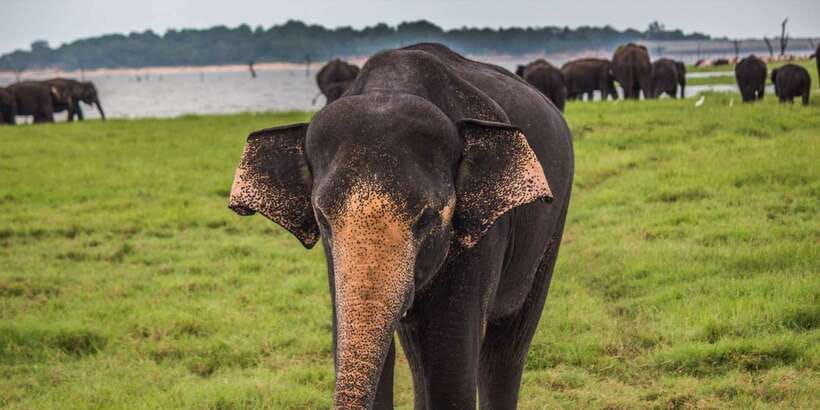
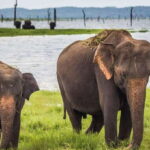
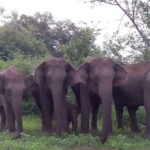
Elephants are the headline here, and the tour is built around maximizing that chance. You’re not just chasing one big moment. You’re repeatedly in position for families, groups, and the smaller behaviors that make elephant encounters feel alive rather than staged.
Beyond elephants, the tour description and guided focus point to a wide animal mix, including:
- Leopards (a rarer sight, so keep expectations flexible)
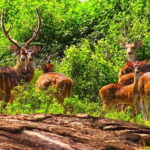
- Sambar deer
- Jungle cats
- Crocodiles
- Water buffalo
- Foxes, mongooses, jackals
- Wild boar
- And many bird species
If you like variety, Udawalawe rewards it. The guides aren’t only scanning for mammals. You’ll also get chances at birds and reptiles—exactly the kind of “small surprise” that makes a safari feel full even when the animals aren’t marching right in front of the jeep.
Endemic birds: when the bird list turns into a highlight
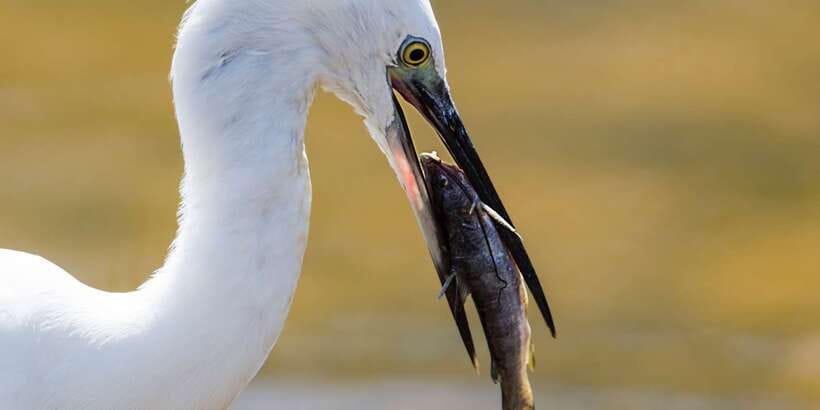
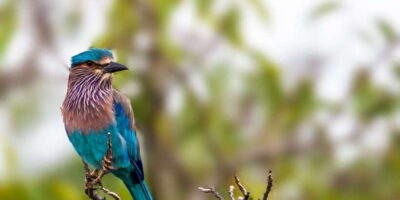
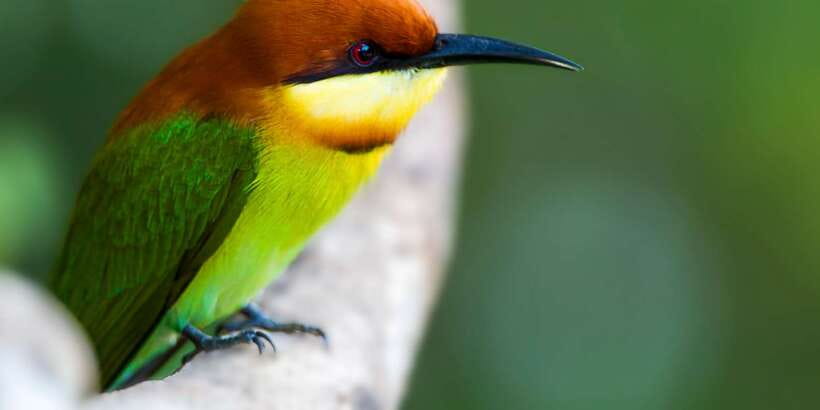
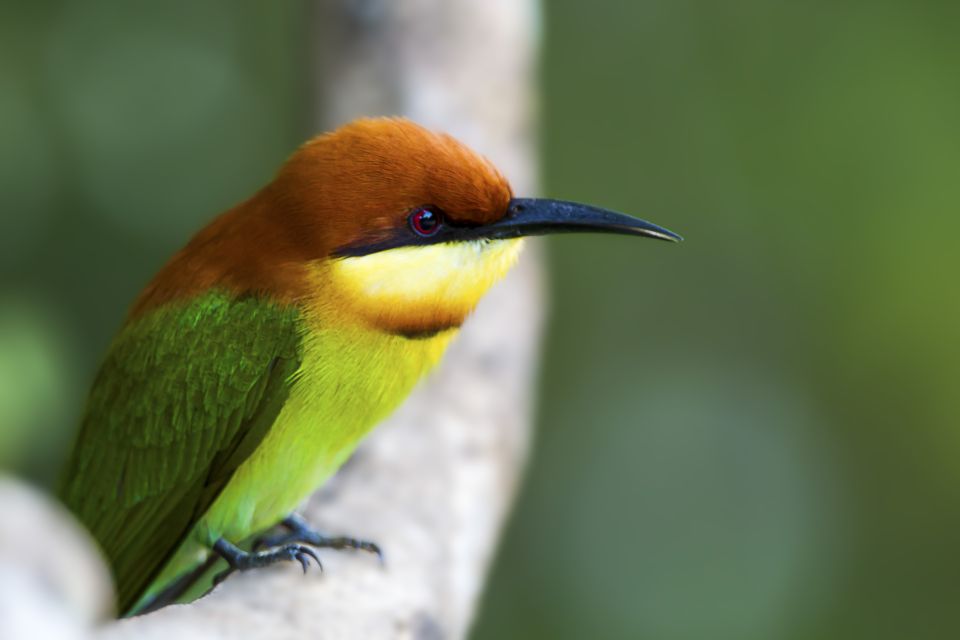
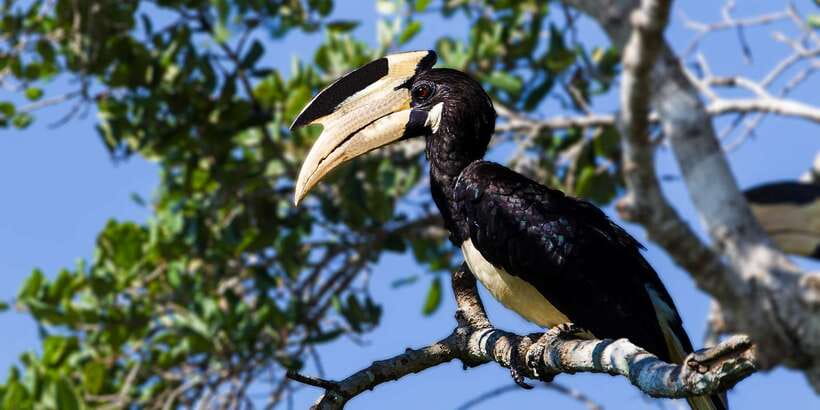
Udawalawe isn’t only about big mammals. It’s also a decent bet for endemic bird species. Depending on where you’re positioned and what the day is doing, you might spot birds such as:
- Sri Lankan Jungle fowl
- Sri Lankan Spurfowl
- Sri Lankan Wood shrike
Birding in a national park is a different game than city birdwatching. Instead of a quick sight-and-go, you often catch movement, calls, and flash-color glimpses. A good guide helps you slow down—so you actually see what’s there, not just what you heard.
This matters for you because bird sightings are often the “quiet wins.” They don’t require big luck like a leopard turning up. You can have a great safari day and still leave with a couple of memorable birds you can’t easily see elsewhere.
The Elephant Transit Home: what it adds after your safari drive
The Elephant Transit Home stop is included in the sense that you’ll be dropped there at the end of the safari time. The entrance fee is not included, so plan on adding that cost.
Why this stop is more than a checkbox:
- In the park, elephants are wild and unpredictable.
- At the transit home, you’re seeing elephants in a different chapter—often closer, with people and caretakers involved.
The best part of this combo is pacing. You don’t go from safari adrenaline straight to “just dinner plans.” You get a guided emotional landing. You can connect the dots between what you saw outside and why the transit home exists.
Guide and jeep setup: private 4×4 plus the Gimhana effect
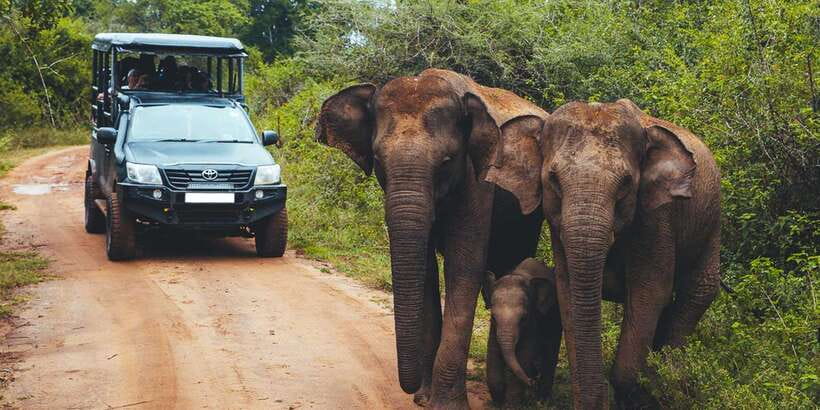
This tour is designed around private jeep safari transport with a maximum of 6 passengers per jeep. That small group size changes the experience. You can hear the guide better. You can line up for photos without ten people standing in the exact same spot. And when the guide needs to reposition, you’re not stuck waiting on a bigger group.
A recurring name from high-rated experiences is Gimhana. The standout theme in the descriptions is not just spotting animals—it’s how he manages time and attention:
- He tends to take people to areas with fewer crowds early on
- He gives you time to watch and photograph
- He answers questions and adds facts about animal behavior
- He’s willing to keep searching for specific animals when it makes sense
You’ll also see comfort extras show up in the reviews, like cold drinks and water during the drive. Those little touches matter more than you’d think when you’re spending hours in the jeep heat and dust.
Timing tactics: early morning (6am) vs later starts
Udawalawe is one of those parks where the time of day can change everything—especially for comfort and crowd levels.
Some trips are timed around a 6am start, and that’s often recommended for two reasons: sunrise light is beautiful, and the air is typically cooler. Others choose a later morning like 6:30 to avoid the most hectic entrance rush. Afternoon safaris can be a good alternative if your schedule is tight.
Here’s how to choose:
- Pick early if you want cooler temperatures and the best chance at a calmer entry experience.
- Pick afternoon if your day is already packed and you still want solid wildlife chances.
Either way, your guide’s job is the same: position the jeep, scan carefully, and avoid pointless driving. The best safaris don’t feel like you’re watching a checklist—they feel like you’re sharing time with a habitat.
Price check: what $29 buys you (and what you’ll pay extra)
At $29 per person, this tour can be good value because several key costs are already handled. You’re paying for:
- A 4×4 private safari jeep
- A 10-year experience driver/guide (also your guide)
- Park transportation for your chosen duration
- Pickup from the Udawalawe area or from the park entrance
- Drop-off at the Elephant transit home
What you should plan for separately:
- Udawalawe National Park entry/admission fee
- Elephant transit home entrance fee
So the smartest way to think about price is this: the $29 is for the safari and guiding service, while admission fees are add-ons. That’s common for Sri Lanka wildlife experiences, but it’s worth budgeting so the day doesn’t feel unexpectedly expensive at the gate.
Also, the transport reputation is strong, with 97% perfect scores for the transport side. That’s a real-world signal that the jeep experience tends to be smooth and well-run, not chaotic.
Practicalities that make the safari smoother
Udawalawe is outdoors, so comfort isn’t optional.
A few things you’ll want to handle in advance:
- No drones
- No alcohol and drugs
- Be ready for dirt roads and jeep seating. This is not an all-flat stroll kind of outing.
One more important note: the tour is not suitable for people with mobility impairments. That’s listed clearly, and it makes sense given the jeep transport and the rougher reality of driving around a wildlife park.
What to bring (keep it simple):
- Sun protection (hat + sunscreen)
- Water (even if drinks are offered, carry your own)
- A camera/phone with enough battery
- Light layers for early mornings (especially around dawn starts)
Who should book this Udawalawe tour, and who might skip it
I think this is a great fit if you:
- Want a first-rate chance at elephants
- Care about more than mammals and want bird opportunities too
- Prefer a small-group private jeep over big mixed tours
- Like guides who explain what you’re seeing (and give you time at sightings)
I’d be more cautious if you:
- Need guaranteed leopard sightings (wildlife isn’t predictable)
- Have mobility challenges that make jeep travel difficult
- Don’t want to pay separate admission fees at the park and transit home
If you’re the type who enjoys learning while you watch animals—and you don’t mind waiting for the right moment—this is the kind of day you’ll remember for years.
Should you book this Udawalawe National Park safari & Elephant Transit Home tour?
Yes, book it if your top priorities are elephant sightings, expert guidance, and a small-group jeep that actually slows down when something appears. The guide approach (with Gimhana often singled out), the focus on both park wildlife and the transit home context, and the flexible duration make it easy to fit into real trip plans.
Skip or rethink it only if you’re trying to avoid any extra admission fees, you can’t handle jeep travel, or you’re traveling with the belief that every safari equals a guaranteed big cat sighting. In Udawalawe, the best experience is the one where you accept luck as part of the deal—and let a good guide do the heavy lifting.
FAQ
How long is the Udawalawe National Park safari & Elephant Transit Home tour?
The duration is listed as 4 to 10 hours. Starting times depend on availability.
Is this safari private?
Yes. You travel in a private 4×4 safari jeep with a maximum of 6 passengers per jeep.
What’s included in the tour price?
Included items are the 4×4 private safari jeep, the English live guide/driver (10 years experience), safari jeep transportation, hotel pickup (Udawalawe area) or pickup at the park entrance, and drop-off at the Elephant transit home.
What fees are not included?
You’ll need to pay Udawalawe National Park entry/admission fee and the Elephant transit home entrance fee separately.
Where do pickup and drop-off happen?
Pickup is available from the Udawalawe area or at Udawalawe National Park entrance. After the safari, you’re dropped off at the Elephant transit home.
Is there an English-speaking guide?
Yes. The tour includes a live guide in English.
Are drones and alcohol/drugs allowed?
No. Drones are not allowed, and alcohol and drugs are also not allowed.
What’s the cancellation and reserve-pay-later policy?
There is free cancellation up to 24 hours in advance for a full refund. You can also reserve now and pay later (pay nothing today).