Eight days, one smart Sri Lanka loop. This Ella Adventure holiday strings together big-ticket sights and hands-on moments, from climbing Sigiriya to watching fire walking in Kandy, then finishing with wetlands and Colombo temples. You’ll get a private group experience that keeps the day-to-day moving without feeling like you’re sprinting alone.
I really like the private-group setup and pickup offer. That means less confusion, more time at stops, and a guide/driver you can actually ask questions to as you go. I also like that the route mixes history, nature, and practical Sri Lanka culture, so you’re not stuck in just one type of scenery.
One thing to consider: it’s a packed itinerary with long driving days between regions. If you’re hoping for slow mornings and lots of downtime, you’ll need to pace yourself (and you’ll want good shoes and a light daypack for transfers).
In This Review
- Key highlights worth your attention
- Price and logistics: what you’re really paying for
- Day 1 in the Cultural Triangle: Sigiriya’s ancient rock fortress
- Day 2 in Kandy: spices, the Sacred Tooth Relic, and the fire walking show
- Day 3: Peradeniya gardens and tea-country stops around Nuwara Eliya
- Day 4: Nine Arches Bridge and the easy view hike of Little Adam’s Peak
- Day 5: Ravana Falls legends and Yala National Park safari time
- Day 6: Galle Dutch Fort walks by the Bay
- Day 7: Madu River wetlands by boat and a sea turtle hatchery stop
- Day 8: Colombo temples and the Independence Square area
- Guides and drivers: what makes the whole trip feel easier
- Tips to help this itinerary fit you
- Should you book Ella Adventure Sri Lanka Holiday?
- FAQ
- How long is the Ella Adventure Sri Lanka holiday?
- Where does the tour start and what cities do you visit?
- What is included in the price?
- Is pickup offered?
- Is this a private group tour?
- Do I need to buy tickets during the trip?
- What’s the cancellation policy?
Key highlights worth your attention
- Sigiriya’s 200-meter rock fortress energy: a major ancient site that’s worth the climb, with admission handled at the venue.
- Kandy cultural show with fire walking: a full performance included on the itinerary, featuring barefoot fire walking over a charcoal pit.
- Tea-country rhythm in Nuwara Eliya: waterfalls, a tea centre stop, and Gregory Lake in the cooler hills.
- Nine Arches Bridge plus Little Adam’s Peak views: classic colonial railway scenery followed by an easy-ish hike for panoramic payoff.
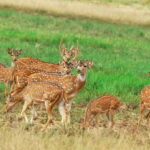
- Yala National Park safari time: a focused chunk of time in the second-largest park, timed for game-viewing.
- Madu River wetlands and sea turtle conservation: mangroves, islands, and a turtle hatchery stop to balance the day.
Price and logistics: what you’re really paying for
At $776 per person, this isn’t a bargain backpacker deal. But it’s also not a luxury-only package. What you’re paying for is the core infrastructure: accommodations and transportation across multiple regions, plus a guide/driver-style experience that keeps the schedule tight.
Here’s the key value point: many sights have admissions listed as free or included, while others are admission ticket at the venue. That structure can be good for you because it keeps costs predictable on the main stops while still letting you handle a few tickets on arrival. The itinerary also mentions a mobile ticket, which usually means less paper hassle.
You should also plan for the reality that Sri Lanka travel distances add up. Even when the day looks “only” a few stops on paper, you’re moving between climates: hot coast near Negombo, then cool tea hills, then down to the southern coast and back toward Colombo.
You can also read our reviews of more tours and experiences in Negombo.

Day 1 in the Cultural Triangle: Sigiriya’s ancient rock fortress
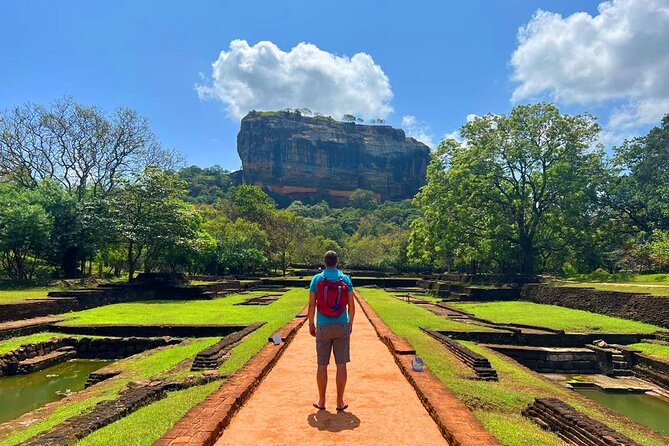
Your first big anchor is Sigiriya (Sinhagiri), the ancient rock fortress dominated by a nearly 200-meter-high rock in the Matale District area. This is one of those places where the site dominates the landscape in a literal way. Even before you start walking, you feel the scale.
What makes Sigiriya special is the way it turns “a ruin” into an experience. You’re not just reading about history. You’re climbing toward viewpoints and major architectural remains, with the rock basically acting like a natural monument.
Practical stuff you’ll thank yourself for:
- Wear shoes with grip. Stone paths can be slippery.
- Bring water and something for sun protection. The climb doesn’t care about your plans.
- Expect to pay admission on-site since it’s listed as not included.
A small caution: the walk/climb is a physical effort. If you have mobility issues or you hate steep climbs, you may want to reconsider this portion or plan to take it slower.
Day 2 in Kandy: spices, the Sacred Tooth Relic, and the fire walking show
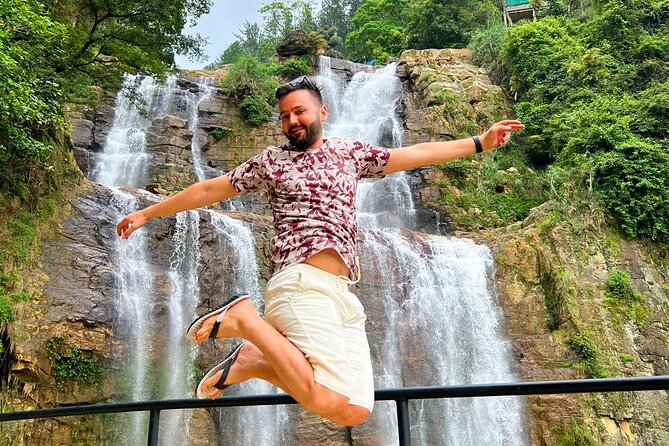
Kandy is where this tour turns from “scenery” to “Sri Lanka in living color,” starting with an Oak-Ray Isiwara Ayurvedic Village spice garden visit. Sri Lanka is known for spices, and this stop leans into that with mention of 15 types of spices grown in the garden. You’ll get a quick, hands-on sense of how spices connect to Sri Lanka’s everyday life and export economy.
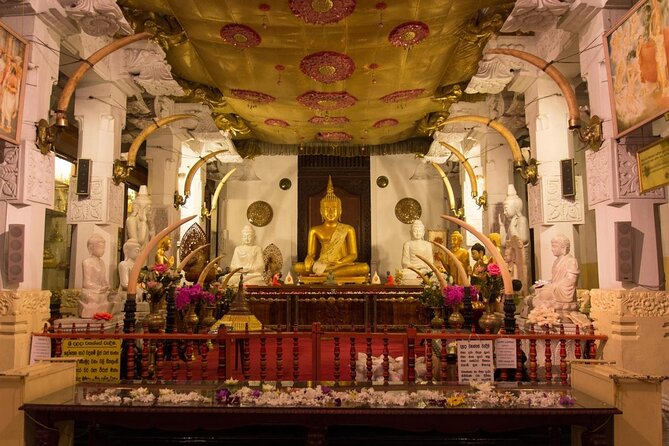
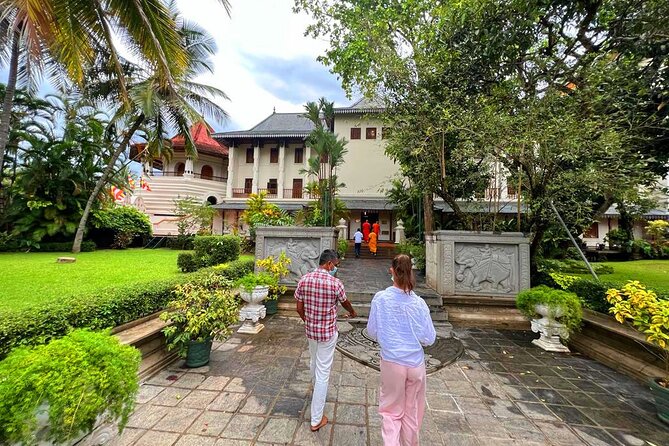
Then comes the spiritual anchor: the Temple of the Sacred Tooth Relic (Sri Dalada Maligawa). It’s in the royal palace complex from the former Kingdom of Kandy and houses the relic of the tooth of the Buddha. It’s not just a pretty building. It’s a functioning religious site with serious cultural importance.
After that, you get a cultural performance at Kandy Lake Club. This is the showstopper: the traditional dance program highlights fire walking, where performers walk barefoot over a prepared fire pit of red-hot charcoal (roughly 8 feet by 3 feet). It’s included on the itinerary.
How to get the most out of this day:
- Go in with a respectful mindset at the temple. Dress and behavior matter.
- For the show, arrive with enough time to get a comfortable viewing spot.
- If you’re sensitive to heat or loud sound, plan a break between temple and performance.
One drawback to note: the Sacred Tooth Relic admission is listed as not included, so you’ll need some extra cash/time for tickets at the venue.
Day 3: Peradeniya gardens and tea-country stops around Nuwara Eliya
Day 3 leans into nature and plants first, then transitions into tea hill country.
You start with the Royal Botanic Gardens in Peradeniya, near the Mahaweli River. These gardens attract massive foot traffic annually and are known for their orchid collection. Even if you’re not an orchid superfan, it’s a nice reset after temple intensity: shade, water sounds, and an easy wander pace.
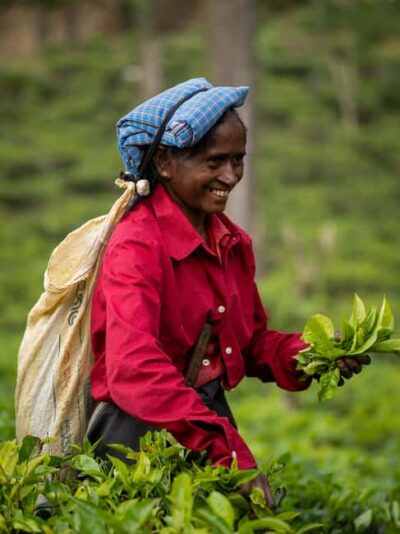
Next, you head to Damro Labookellie Tea Centre and Tea Garden, in the Nuwara Eliya area. Nuwara Eliya is often called Little England for its cooler climate and colonial-era architecture vibe. The stop is short, but it’s a focused taste of Sri Lanka tea production culture.
Then you get two nature hits:
- Ramboda Waterfall, a 109-meter waterfall on the A5 highway area at Ramboda Pass.
- Gregory Lake, a reservoir in Nuwara Eliya constructed during British Governor Sir William Gregory in 1873.
Why this combination works: waterfalls wake you up, while Gregory Lake gives you a calmer “look and breathe” pause in tea country. It’s also smart that tea and waterfall time are grouped together; you won’t feel like you’re constantly switching gears.
A note on tickets: the gardens are listed as not included, while Ramboda includes admission. The rest is framed as free where noted.
Day 4: Nine Arches Bridge and the easy view hike of Little Adam’s Peak
This day is for classic Sri Lanka visuals.
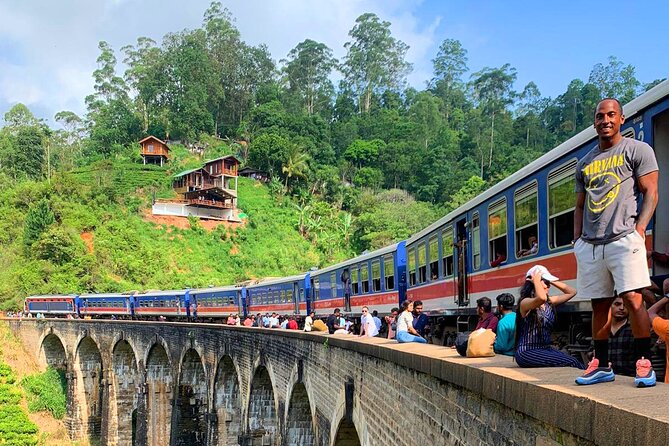
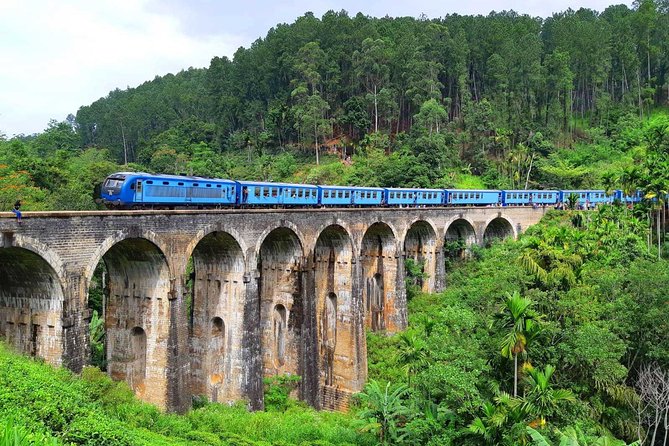
First up: the Nine Arches Bridge, also called the Bridge in the Sky. It’s a viaduct bridge and one of the best examples of colonial-era railway construction in Sri Lanka. The bridge is generally attributed to Ceylonese builder P. K. Appuhami in consultation with British engineers. That detail matters because it connects the bridge to people, not just architecture.
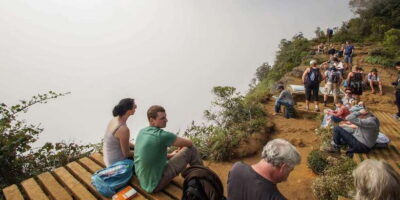
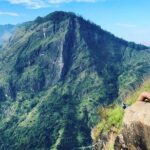
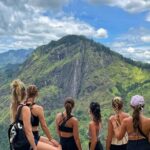
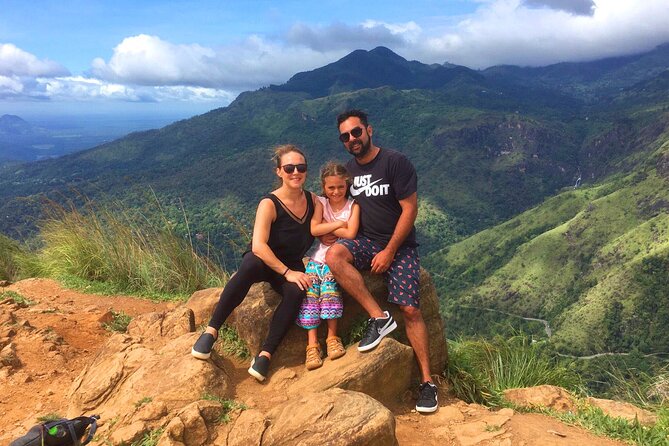
After the bridge, you move to Little Adam’s Peak View Point (also called Punchi Sri Pada). The elevation is listed at 1,141 meters, and the hike is described as easy, taking you through tea plantations, waterfalls, and paddy fields.
This is where you get your “Sri Lanka looks like a postcard” payoff. The trick is to wear clothing you can layer: tea-country temperatures can shift quickly.
Admission is listed as included for this viewpoint, so expect fewer ticket surprises here.


Day 5: Ravana Falls legends and Yala National Park safari time
Day 5 switches from tea hills to southeast wildlife country.
You start with Rawana Falls, named after Ravana from the Ramayana. The legend includes Ravana hiding Sita in caves behind the waterfall, now associated with Ravana Ella Cave. Even if you’re not chasing myths, waterfalls add that physical reset that long days need.
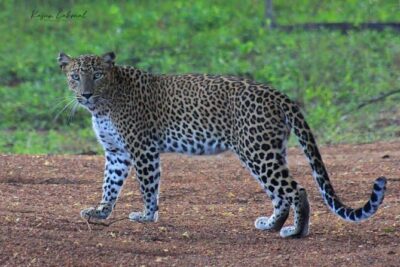
Then you go into the big-ticket segment: Yala National Park. The info here is useful and concrete: it’s the most visited and second-largest park in Sri Lanka, divided into five blocks, with two blocks open to the public. Those open areas include Ruhuna National Park and Kumana National Park / Yala East.
Admission is listed as free in the itinerary notes, and the safari time is a solid 4 hours. That’s enough time to get multiple wildlife-spotting drives without feeling rushed.
What you should do to maximize your safari experience (without inventing anything magical):
- Ask your guide/driver when you’ll be entering the park and how the jeep plan works.
- Bring a light layer. Safari air can be cooler than you expect after midday sun.
- Keep your phone/camera ready, but don’t treat every sighting like a photoshoot that ruins the moment.
One consideration: Yala is a wildlife park, not a zoo. You’re going for chances, not guarantees.
Day 6: Galle Dutch Fort walks by the Bay
Galle is your coastal palate cleanser after the safari day.
You visit Galle Dutch Fort, located in the Bay of Galle on Sri Lanka’s southwest coast. The fort was first built by the Portuguese in 1588, then heavily fortified by the Dutch from 1649 onward. This layered European history gives the area a different feel than the inland temples and tea country.
The time here is about 1 hour, and that’s just enough for a focused wander: walls, viewpoints, and the sense of old trade routes meeting modern foot traffic.
Since admission is listed as free for this stop, you can spend your mental budget on just walking and looking instead of ticket math.
Day 7: Madu River wetlands by boat and a sea turtle hatchery stop
This day is about water, mangroves, and conservation.
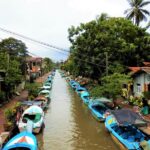
You take a Madu River Safari by Buddhi, described as a speed-boat ride down the Madu River wetland estuary. The ecosystem is big by any local standard: the wetland area is noted as 900 hectares, with 770 hectares covered by water, and 64 islands. The stop also frames it as part of a protected ecosystem recognized under the Ramsar Convention, with mangrove forest conservation.
The key value for you: it’s a moving viewpoint. You’re not just looking at a map or reading signage. You’re traveling through the wetland system itself, which is often the fastest way to understand how complex these “quiet” coastal habitats really are.
After the boat ride, you visit the Galbokka Sea Turtle Hatchery. The itinerary notes basic turtle biology and evolution, including that turtles are reptiles and have existed for a very long time (the info mentions over 220 million years). It’s listed as not included for admission, so plan to pay on-site.
This combo is strong because it balances two sides of nature tourism:
- natural habitat, moving through it
- conservation-focused learning
Day 8: Colombo temples and the Independence Square area
You finish back in the city with a mix of shopping, architecture, and religious heritage.
First, Arcade Independence Square, a shopping complex in Colombo located in renovated buildings including the former Jawatta Lunatic Asylum and the former Western Provincial Council Building. Even if you only browse for a bit, it’s an interesting reminder that cities reuse structures.
Next you pass the Bandaranaike Memorial International Conference Hall, a convention center in Colombo built between 1970 and 1973. It’s described as a gift from the People’s Republic of China in memory of Solomon Ridgeway Dias Bandaranaike.
Then you visit Gangaramaya (Vihara) Buddhist Temple, not far from Beira Lake. The architecture is described as an eclectic mix of Sri Lankan, Thai, Indian, and Chinese styles. The site includes multiple key sections such as a Vihara, Cetiya/pagoda, Bodhitree, and a relic chamber. It also notes museum and library facilities on site.
Finally, you have a stop connected to Fort, described as the central business district of Colombo, and also noted as the location of the Colombo Stock Exchange and World Trade Centre of Colombo.
Why this ending works: you get one last dose of Sri Lanka’s cultural layers, plus a quick look at modern city life before you leave.
Guides and drivers: what makes the whole trip feel easier
This is where the booking feedback you’ll see online really lines up with what matters in real travel: the people.
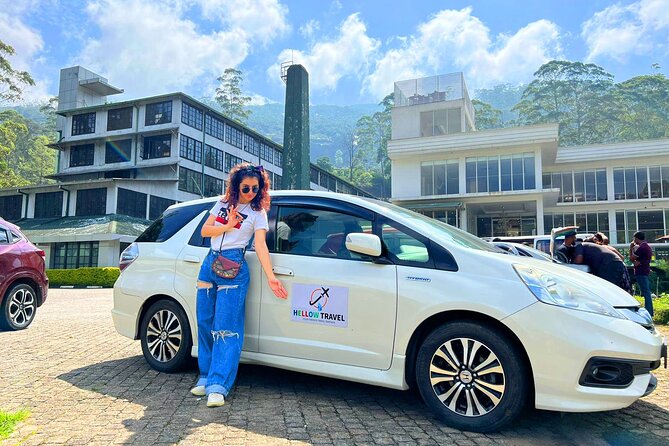
The operator behind this trip is Hellow Travel, and the names that come up again and again include Dhanuka, Kasun, Thushara, Heshan, Sudarshana, and Lakshitha. The consistent theme is that guides keep things organized day to day and explain what you’re seeing with clarity. People also mention flexibility, helpfulness, and a calm problem-solving vibe when schedules or needs shift.
If you want to “buy” peace of mind, this kind of guide relationship is often the difference between a stressful checklist trip and a smooth travel week.
If your safari day matters most, I’d specifically ask your guide how they handle jeep entry and timing. One practical strategy is to plan ahead so you’re not stuck waiting behind a chaotic line of vehicles. That kind of small coordination can change how comfortable and productive your safari time feels.
Tips to help this itinerary fit you
Here are the practical tweaks I’d make before you go, based on how these days run:
- Pack for heat plus cool layers. Tea country can feel chilly compared with the coast.
- Bring one small daypack. You’ll have quick moves and short stops.
- Don’t treat ticketed sites as optional. Some major stops (Sigiriya, Sacred Tooth Relic, Peradeniya) are listed as tickets at the venue, so budget time and money for those.
- Keep your phone charged. You’ll want it for bridges, peaks, and river safari views.
- For the cultural show, be ready to sit for a while. It’s included and it’s a full performance.
If you’re the type who likes checking off landmarks but also wants real context, this trip style works well. If you’re the type who needs solitude and slow mornings, you may find the pace tiring.
Should you book Ella Adventure Sri Lanka Holiday?
I’d book it if:
- you want a structured route that hits Sri Lanka’s classic highlights without you planning every transfer
- you like a mix of temples, tea country views, a safari day, and coastal history
- you value having a guide/driver who can explain things and keep the day on track
I’d think twice if:
- you hate packed schedules and long drives
- you’re not comfortable with climbing at major viewpoints like Sigiriya and walking hikes like Little Adam’s Peak
If you want a solid first Sri Lanka trip that covers a lot of ground while still feeling guided and organized, this one makes sense for the money and the time you have.
FAQ
How long is the Ella Adventure Sri Lanka holiday?
It’s listed as an 8-day experience (about 8 days).
Where does the tour start and what cities do you visit?
The location is Negombo, and the itinerary includes major stops across central Sri Lanka, the south coast, and ends with sightseeing in Colombo.
What is included in the price?
The package includes accommodations and transportation. Admission tickets are available at the venue, and some entries are noted as included or free.
Is pickup offered?
Yes, pickup is offered.
Is this a private group tour?
Yes. It’s described as a private tour/activity, so only your group participates.
Do I need to buy tickets during the trip?
Some admissions are included or free, but others are listed as not included, meaning you’ll purchase tickets at the venue.
What’s the cancellation policy?
You get free cancellation and can cancel up to 24 hours in advance of the experience start time for a full refund.