Elephants start early, and so should you. This short Udawalawe outing pairs a wild jeep safari with a visit to the Elephant Transit Home, where you get guaranteed baby-elephant viewing at feeding time. I love that it’s built for real sightings in one of Sri Lanka’s best elephant zones, and I also like that hotel pickup and a small jeep (up to 6 people) keeps the experience practical and comfortable. The one thing to know up front: at the Transit Home, you watch from a platform, so it’s not a hands-on, up-close encounter.
You’ll be in the field for only about 3 to 4 hours total, which makes this a smart add-on if your days are busy. The park itself sits in grasslands and bush forest with highlands framing it, so your driver can work the angles for animals. One more consideration: entrance fees are listed in conflicting ways in the tour details, so I’d verify what you’re actually covering before you go.
In This Review
- Key highlights at a glance
- Why Udawalawe’s elephant density makes this a smart half-day
- Getting picked up at Hotel Niwahana and rolling into Udawalawe
- Stop 1: Udawalawe National Park jeep safari—what you’re really hunting for
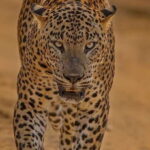
- Leopards: the “maybe” you can’t plan away
- How a good guide helps in the real world
- Stop 2: Elephant Transit Home (ETH)—baby elephants and feeding from a platform
- Why seeing baby elephants at feeding time hits differently
- More than elephants: the park’s mix of wildlife makes the drive feel full
- Price and value: is $24 a bargain or a trap?
- Small jeep groups: comfort, spotting, and how to get the most out of your seat
- When to go: timing, weather, and your odds
- Who should book this Udawalawe safari (and who might not love it)
- Should you book Udawalawe National Park with Elephant Transit Home?
- FAQ
- How long is the Udawalawe National Park safari and Elephant Transit Home visit?
- Is hotel pickup and drop-off included?
- What animals can I expect to see?
- Can I get close to the elephants at the Elephant Transit Home?
- What’s included in the price?
- Do I need an entrance ticket for the park and ETH?
- What happens if the weather is bad?
Key highlights at a glance
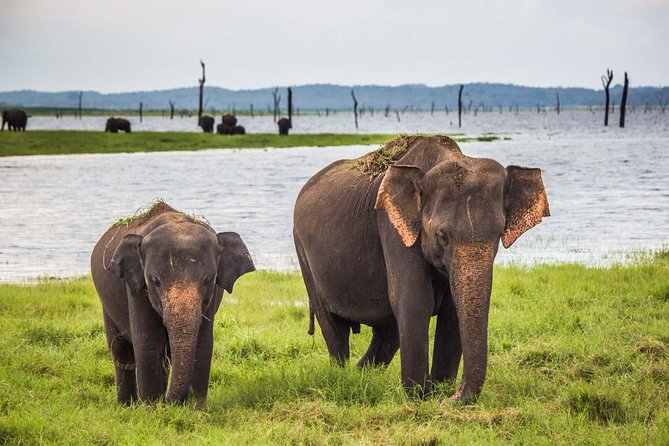
- Guaranteed baby-elephant viewing at Elephant Transit Home during feeding time
- Udawalawe jeep safari in one of the island’s largest elephant areas
- Feeding views from a viewing platform (great, but not up-close)
- Small-group jeeps (max 6 passengers) for easier spotting and photo stops
- Hotel pickup and drop-off plus a driver/guide to handle the route
- Mobile ticket and free cancellation up to 24 hours before
Why Udawalawe’s elephant density makes this a smart half-day
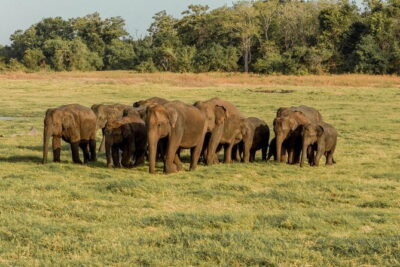
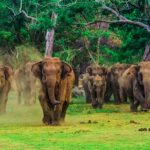
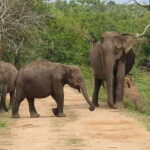
Udawalawe National Park is famous for one reason: elephants. The park is known for having one of the largest elephant populations in Sri Lanka, and that matters because elephant spotting is never guaranteed anywhere in the wild. Here, the experience is built around a high chance of seeing them—especially in the kind of open grasslands where elephants can move and show themselves.
What I like about the format is that it doesn’t try to turn the day into a marathon. You get a solid block of time inside the park, then you shift to a calmer, more focused animal-care visit at the Elephant Transit Home. It’s a clean one-two punch: wild herds in the afternoon-bright outdoors, then young elephants in a dedicated sanctuary setting.
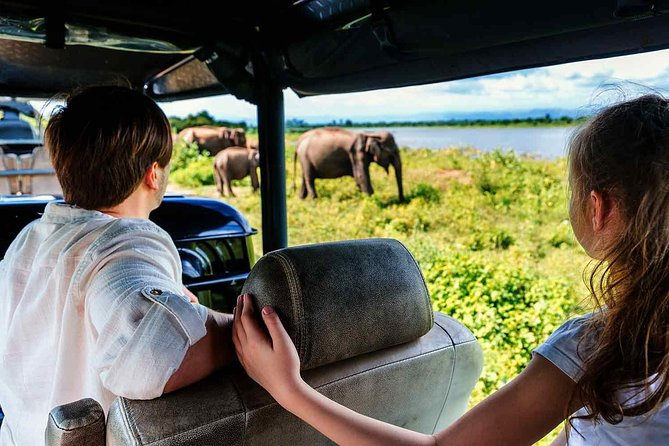
Also, your ride is in a safari jeep that caps at six passengers. That small size changes the experience. You’re not squeezed into a crowd where one person blocks the view of everyone else. If someone spots movement, the whole group usually can react fast.
You can also read our reviews of more tours and experiences in Sri Lanka.


Getting picked up at Hotel Niwahana and rolling into Udawalawe
Your day starts back where many visitors base themselves in the area: the meeting point at Hotel Niwahana, Ekamuthugama, Sevanagala, Udawalawe. The tour includes hotel pickup and drop-off, and it ends back at the same meeting point—so you’re not stranded after the safari with no easy way to get back.
Timing is also practical. Total time runs roughly 3 to 4 hours, with about 3 hours in Udawalawe and around 30 minutes at the Elephant Transit Home. That’s a good fit if you want wildlife without losing your entire day to transportation.
One more nice detail: the tour uses a mobile ticket, which typically makes check-in smoother when you’re juggling multiple activities. And the operator—Nature Ceylon Tours – Udawalawe—is running it as a guided experience with their driver/guide handling the driving and animal-spotting route.
Stop 1: Udawalawe National Park jeep safari—what you’re really hunting for
Udawalawe is framed by highlands on its northern boundary, and much of the park is made up of grasslands and bush forest. That mix is important for animal spotting. Elephants often show up along open edges where they can feed, travel, and keep an eye out, while the bush and scrub can hold other animals close to cover.
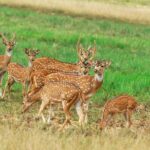
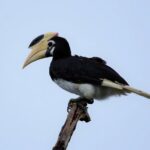
During your safari, you’re not just looking for elephants. This park is also known for other wildlife sightings, including water buffalo, mongoose, eagles, and peacocks. Even if elephants are the main event, those extras make your drive feel alive. When the herd moves, the park can switch scenes quickly—one minute you’re watching a feeding group, the next you’re scanning for birds along a treeline or open field.
Leopards: the “maybe” you can’t plan away
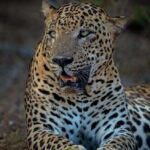
Udawalawe has elusive leopards too, but “elusive” is the key word. If a leopard appears, it’s a bonus. If it doesn’t, you’re not doing anything wrong—the park’s big-game pattern tends to be more about luck than a scheduled parade.
How a good guide helps in the real world
You’ll have a driver/guide, and the difference between a random drive and a focused safari is often how fast the vehicle can respond to small changes: fresh tracks, sudden bird behavior, or movement at the edge of visibility. In the local experience I’ve seen reflected in this kind of safari setup, a strong guide can also help you get your bearings and keep the group positioned to spot animals as they move.
One name you may hear in this context is Pradeep, who’s been noted for being friendly, showing up on time, and doing a strong job with spotting (and even helping with photos). You can’t control who you’ll get, but you can expect the guide role to matter.



Stop 2: Elephant Transit Home (ETH)—baby elephants and feeding from a platform
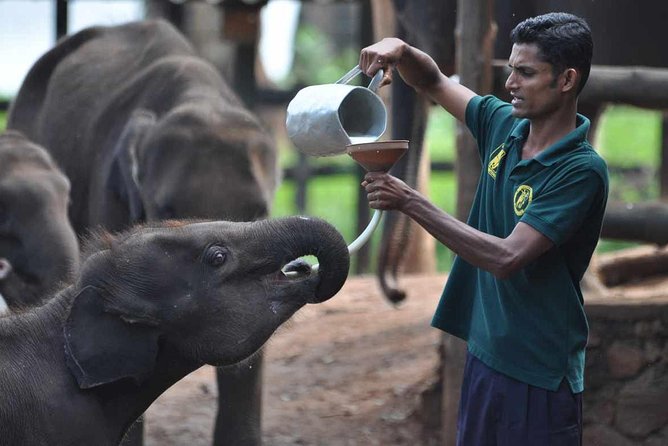
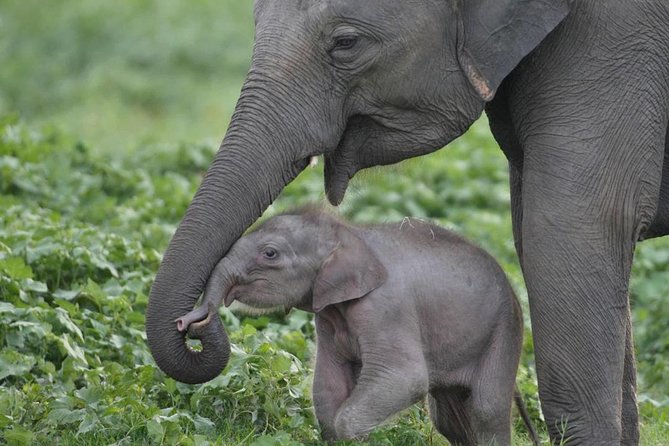
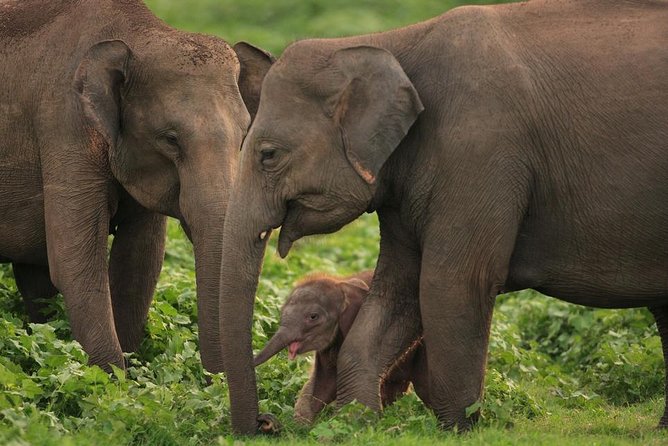
After the jeep safari, you shift to the Elephant Transit Home (ETH), an animal sanctuary supported by the Born Free Foundation. The basic purpose is straightforward: it’s a halfway house for orphaned elephants. The young elephants are cared for during rehabilitation, then many are released back into the wild—often into places like Udawalawe.
Here’s the key experience detail: you can’t get up close and personal. Instead, you watch from a viewing platform during feeding time. That might sound like a limitation, but it’s also why this visit works well for most people. You get a clear, structured viewing opportunity without disrupting the animals or the care routine.
Why seeing baby elephants at feeding time hits differently
Feeding time is usually when young elephants show the most obvious energy and behavior. You may notice them running for milk or crowding in response to caretakers’ routines—things that are harder to catch in the wild. Even when you’re not “touching” anything, it can feel very real and very alive, because baby elephants tend to be active and vocal in their own way.
If you’re coming mainly for elephants (not just general wildlife), ETH is the emotional center of the trip. It also gives you context for what you’re seeing in the park later—or what you’re hoping to see.
More than elephants: the park’s mix of wildlife makes the drive feel full
Udawalawe’s wildlife is not just elephants, and that’s a big reason the safari experience doesn’t feel one-note.
You might spot:
- Water buffalo in and around open areas
- Mongoose if you keep an eye on movement near ground cover
- Eagles and other birds riding thermals overhead
- Peacocks that can pop into view with sudden color
- And, as a long-shot bonus, leopards (not something you can count on)
When the animals do show up, you’ll often notice that the landscape clues you to where to look next. Grasslands can reveal movement from far away. Bushy edges can hold smaller mammals, while bird activity can tip you off before you even see the main subject.
That’s why I recommend treating the safari like a scanning exercise. If you sit waiting for one perfect moment, you can miss half the fun.
Price and value: is $24 a bargain or a trap?
At $24.00 per person, this is positioned as budget-friendly—especially because it includes more than just a drive. The included items are:
- Driver/guide
- Hotel pickup and drop-off
- Transportation in a safari jeep (max 6 passengers)
Where it gets tricky is entrances. In one part of the tour information, it’s stated that entrance fees are not included, while another section of the tour highlights says all entrance fees and taxes included. Since that’s conflicting, the best approach is simple: check your booking confirmation message carefully and verify what’s covered before you arrive.
Even with a possible extra entrance cost, the value can still make sense because you’re getting:
- A half-day structured wildlife outing
- Park transportation in a smaller jeep group
- A guided experience with a sanctuary visit
If you were to hire your own jeep and add ETH separately, costs would usually climb. For short stays, the bundled format tends to be the economical way to stack elephant time into one day.
Small jeep groups: comfort, spotting, and how to get the most out of your seat
With up to 6 passengers per jeep, the safari experience tends to feel more flexible. That number matters because elephant sightings can happen quickly and can require re-positioning. A smaller group also makes it easier for the guide to manage spacing and keep everyone able to look.
Practical tips that help on this kind of safari:
- Bring a light layer for the morning or late-afternoon air.
- Wear shoes you don’t mind getting dusty if stops involve getting a better view.
- Have your camera ready before the guide announces anything. Animals don’t wait for you to switch lenses.
And yes, it’s worth planning your photo strategy. In a jeep, timing is everything: you often get a short window when animals cross a clearing or come into view near a watering spot.
When to go: timing, weather, and your odds
This experience requires good weather. If conditions are poor, it may be canceled and you’ll be offered a different date or a full refund. That’s not a minor detail—Sri Lanka’s parks can become harder to navigate and visibility can drop when weather turns.
If your dates are flexible, you’ll likely find more satisfying elephant energy during November–December, which has been specifically mentioned as a better time window for baby-elephant enjoyment. That doesn’t mean you’ll see nothing outside those months—it just suggests that late-year conditions may line up with what people want most from this stop.
For planning, treat your safari day as weather-dependent. Don’t schedule a critical connection right after it.
Who should book this Udawalawe safari (and who might not love it)
This tour is a good match if you:
- Want a short, focused half-day with elephants as the main goal
- Prefer a guided safari setup rather than renting and driving yourself
- Like sanctuaries and rehab stories, not just wildlife viewing
- Appreciate baby elephant feeding-time viewing, even if it’s from a platform
You might hesitate if you:
- Want an all-day safari. This is only a few hours, so it’s not a long wildlife immersion.
- Expect hands-on interaction with animals. ETH is viewing-only from a platform.
- Need entrance fees fully spelled out in your budget before you book. Because the tour details conflict, confirmation review matters.
Should you book Udawalawe National Park with Elephant Transit Home?
In my book, this is worth booking if you want a balanced elephant day without wasting your schedule. The combination of Udawalawe jeep safari plus Elephant Transit Home feeding-time viewing gives you two different elephant perspectives: wild behavior out in the grasslands, and the care side of elephant life through rehab.
Just do one extra thing before you pay: confirm whether entrance fees are fully covered in your specific booking. Once you have that clarity, the $24 price looks like strong value for a guided half-day with hotel pickup, a small jeep group, and dedicated baby-elephant time.
If you want more elephants and birds in less time, this setup fits the bill. If you’re hoping for a hands-on sanctuary day, adjust your expectations and you’ll enjoy it more.
FAQ
How long is the Udawalawe National Park safari and Elephant Transit Home visit?
The experience runs about 3 to 4 hours total. The park safari is listed at around 3 hours, and the Elephant Transit Home visit is around 30 minutes.
Is hotel pickup and drop-off included?
Yes. Hotel pickup and drop-off are included, and the activity ends back at the meeting point.
What animals can I expect to see?
Udawalawe is known for a large elephant population. You may also spot water buffalo, mongoose, eagles, and peacocks, and leopards are possible but described as elusive.
Can I get close to the elephants at the Elephant Transit Home?
No. You can view the elephants from a viewing platform, especially during feeding time, but you cannot get up close.
What’s included in the price?
The tour includes the driver/guide, hotel pickup and drop-off, and transportation in a safari jeep (up to 6 passengers per jeep). Entrance fees are not listed consistently across the tour details, so check your booking confirmation.
Do I need an entrance ticket for the park and ETH?
The tour details say entrance fees are not included in at least one place, so you may need to pay separately. Verify what your confirmation covers.
What happens if the weather is bad?
This experience requires good weather. If it’s canceled due to poor weather, you’ll be offered a different date or a full refund.