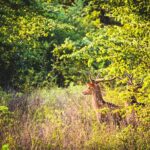
Elephants start early at Udawalawe.
This full-day safari puts you in the park while wildlife is still active, with a private safari jeep and an experienced wildlife tracker/driver-guide to help you spot elephants, crocodiles, birds, and even the park’s plants you’d otherwise miss. I especially liked how the early timing helps you feel like you’re watching animals do their real routine, not just rushing past them, and how the game drive stays focused on sightings instead of long detours.
The main thing to consider is the day is long: you’re looking at about a 3-hour drive to the park entrance plus a return ride, so it’s not a “sleep in and stroll” outing. Also, while the safari itself includes park entry and extras like bottled water, lunch and the orphanage entrance fee (if you go) cost extra.
In This Review
- Key highlights to know before you go
- Udawalawe at sunrise: why the early start changes everything
- Getting from Galle to the park: the long drive in an AC vehicle
- The safari experience: what you actually look for in Udawalawe
- Wildlife spotting with real guides: names you might hear
- Lunch timing and the afternoon plan: keeping expectations realistic
- Udawalawe Elephant Orphanage: moving from wild to rescue (extra cost)
- Family-friendly safari rules: ages, pacing, and comfort
- Price and value: what $190 buys you from Galle
- Who should book this Udawalawe safari (and who might skip)
- Should you book Udawalawe from Galle?
- FAQ
- How long is the Udawalawe National Park safari day?
- What’s included in the $190 per person price?
- Is lunch included?
- Can I visit the Udawalawe Elephant Orphanage?
- What’s the minimum age and the group size limits?
- Can I cancel for free?
Key highlights to know before you go
- Early-morning entry to catch animals at their most active time and avoid the worst of the crowd energy
- Private jeep for your group (max 15 per booking), with an experienced tracker guiding your search
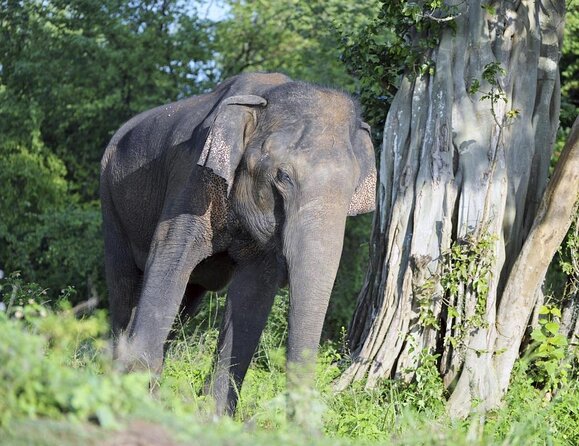
- More than elephants: crocodiles, birds, and lots of attention to exotic plant life
- Midday break for lunch on your own schedule, then more time for afternoon wildlife or the orphanage
- Optional Udawalawe Elephant Orphanage side trip, with separate entrance fees
Udawalawe at sunrise: why the early start changes everything
Udawalawe National Park runs best when you get there early. You’ll be picked up from your hotel and then drive toward the park entrance, aiming to enter in the early morning hours. That timing matters because animals tend to be moving, feeding, or hanging near water sources when the day is still fresh.
I also like the rhythm of this plan: you’re not waiting around in a traffic jam, and you’re not arriving when the park has already turned into a highlight reel of people. With an experienced tracker in the jeep, you’re set up for real wildlife watching right from the start.
One more practical point: since the day is timed tightly, plan to be ready on pickup time. A tour like this works because you’re building the safari around the animals, not the other way around.
You can also read our reviews of more tours and experiences in Galle.

Getting from Galle to the park: the long drive in an AC vehicle
From Galle, you’re looking at roughly a 3-hour drive to the park entrance, then another return trip later in the afternoon (you’re back around 6pm). The good news: you’ll travel in an air-conditioned vehicle, and the outing includes bottled water plus a refreshment during the safari.
That ride time is the trade-off for doing Udawalawe properly in one day. If you’re short on energy, pack for comfort: wear breathable clothes, bring a light layer if the AC runs cold, and keep your camera gear easy to grab.
Also note one small logistics reality: the tour is set up for pickup from your starting location, and if you want to be dropped off somewhere else afterward, it may depend on distance from the park. It’s worth planning your route around the return to Galle unless you’ve confirmed the alternate stop.
The safari experience: what you actually look for in Udawalawe
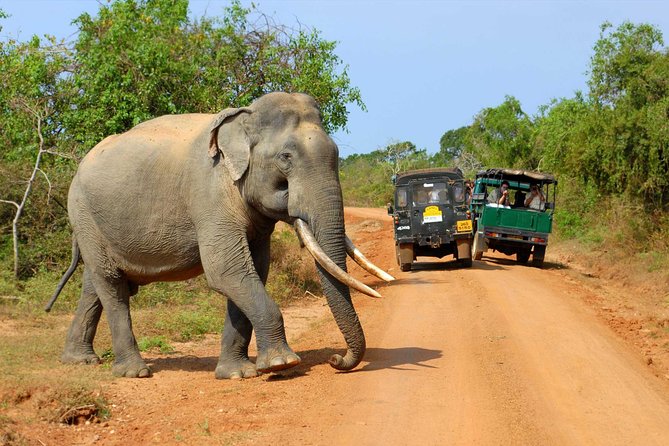
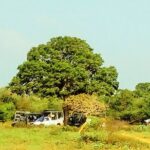
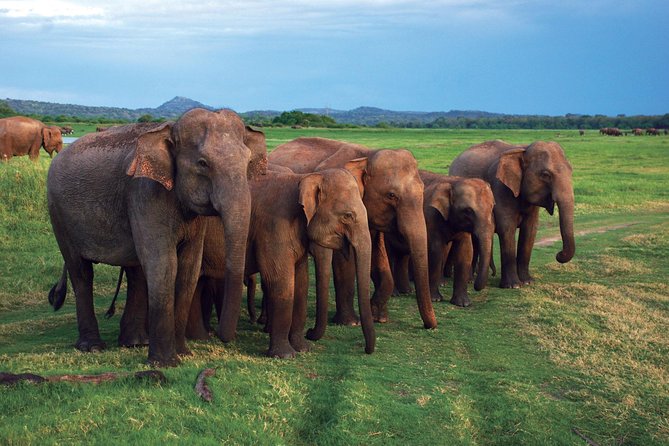
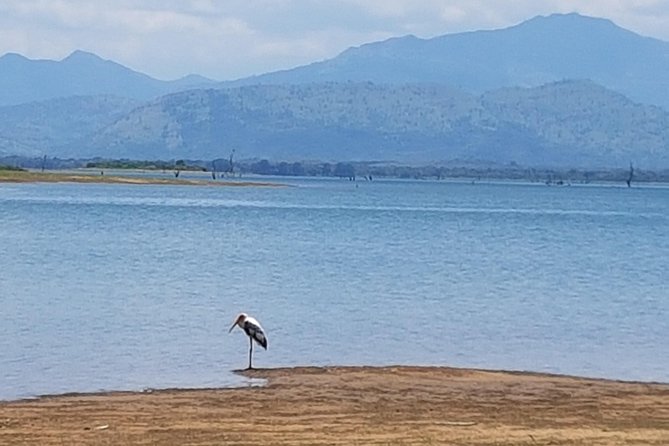
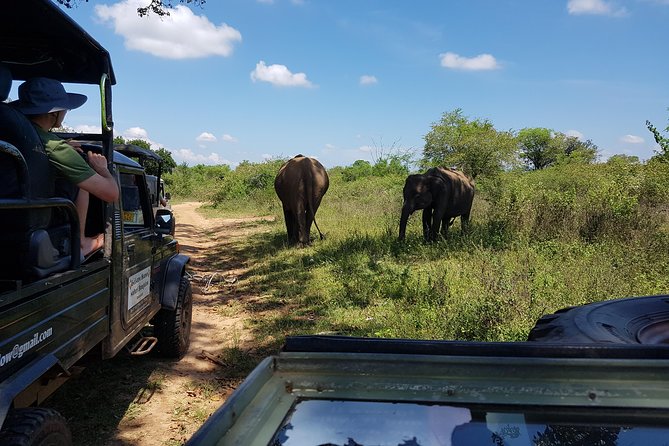
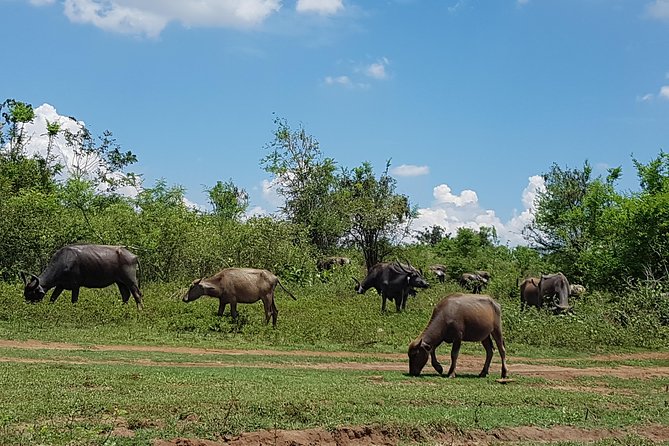
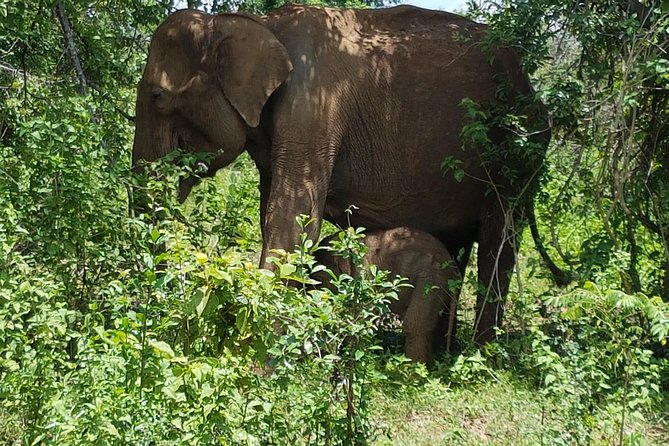
Udawalawe is not only about elephants, though yes, you’ll spend plenty of time scanning for them. The safari focuses on the park’s mix of wildlife and habitats: elephants, crocodiles, birds, and exotic plant life. In other words, the goal isn’t just to tick animals off a list—it’s to understand where they might be and why they’re there.
Here’s how this usually plays in your favor:
- With an experienced wildlife tracker, you don’t waste the first hour guessing randomly. You follow the best leads for where animals could be active.
- The game drive is long enough—you’ll have about 4 hours in the park for deeper searching, not a quick drive-by.
I found that the best safaris feel like slow patience with smart navigation. The early start gives you the patience part, and the tracker gives you the smart part.
And when elephant action happens, it can be dramatic. One guide-led experience included talk of alpha male battles, which is the kind of behavior that makes you stop talking and just watch. You won’t control what you see, but you’ll be in the right place and at the right time to have those moments.
Wildlife spotting with real guides: names you might hear
The guides are a big reason people rate this trip so high. You’ll often hear praise for how the guide points out wildlife as you go and explains what you’re looking at, not just where to look.
In the feedback, two names come up often: Nandana and Mahesh. Both are described as friendly and strong on spotting, and Nandana is also highlighted for adding extra context as a naturalist while the driver maneuvers through the park. If you happen to get a guide with that style, you’ll feel like the safari has a storyteller behind the wheel.
Even if your guide isn’t named in what you read, look for the same traits on the day: quick scanning, calm navigation, and clear explanations. Those small skills can change how rewarding a safari feels, especially if animal sightings are scattered rather than constant.
Lunch timing and the afternoon plan: keeping expectations realistic
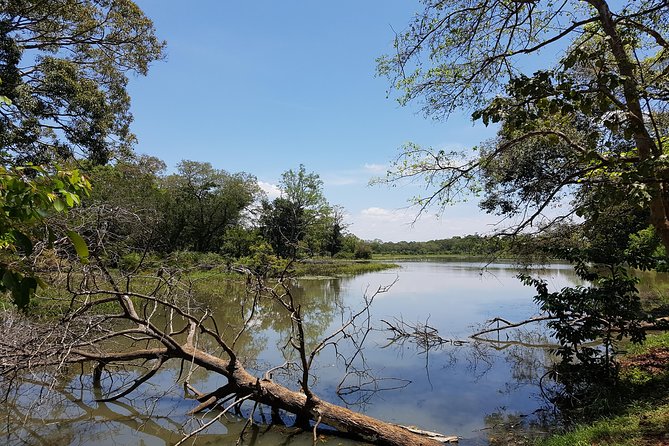
Your day includes a midday break for lunch, but lunch isn’t included. That means you’ll want cash or card ready for food and drinks, or at least a plan for how you’ll handle it.
After lunch, you have your afternoon window for either more wildlife time or the optional Udawalawe Elephant Orphanage visit. The orphanage is a side trip, so you’re not locked into it. That flexibility is useful because it lets you balance what you care about more: park wildlife first, then the orphanage story if time and energy hold up.
One thing to keep expectations grounded: elephant sightings can be excellent, but wildlife isn’t guaranteed on command. Some experiences focus on many elephants; others may be more spread out, with only a few individuals showing themselves during parts of the drive. The tracker’s skill helps, but no safari can promise a specific number of sightings.




Udawalawe Elephant Orphanage: moving from wild to rescue (extra cost)
If you choose the orphanage, it’s handled as an optional stop. The entrance fee is not included, so you’ll pay separately on the day.
Why I think it’s worth considering: it adds a different kind of connection to the elephants. The safari shows you elephants doing elephant things in the park; the orphanage offers a human angle on how orphaned elephants are cared for. If you care about animal welfare and you’re traveling with family, it’s one of the best ways to turn one long day into two different experiences.
Just don’t treat it like part of the included value. Since the entrance fee is extra, price your day as a safari + optional bonus, not a single flat package.
Family-friendly safari rules: ages, pacing, and comfort
This is a family-friendly outing, with a minimum age of 6 years and a requirement of moderate physical fitness. The day is long, but the format is straightforward: pickup, drive, safari viewing, lunch break, optional orphanage, return.
If you’re traveling with kids, keep the day practical:
- Bring snacks if you can (since lunch is own expense, you’ll appreciate having options).
- Plan for early starts—kids feel it quickly.
- Use binoculars or a zoom camera to make the “search time” feel fun instead of boring.
Also, the safari vehicle is private for your group. That matters for families who want less distraction and more control over comfort during the day.
Price and value: what $190 buys you from Galle
At $190 per person, this isn’t a bargain-bin safari. But it’s also not just a car rental and a vague promise to look for wildlife. In this package, you get the stuff that usually costs extra when you book piecemeal:
- Hotel pickup and drop-off
- Private safari jeep
- National Park entrance tickets and all fees/taxes
- Bottled water and a refreshment during the safari
- About 4 hours game drive
- An experienced wildlife tracker
- An air-conditioned vehicle
That’s the core value. Udawalawe is far enough from Galle that transport and park permissions become part of the real cost. When you factor in the early start, the tracker, and the included park time, the price starts to make sense for a one-day option.
The costs to watch are the ones clearly marked as not included: lunch and the orphanage entrance fee (if you go), plus gratuity. If you already know you’ll pay for those, your day stays predictable.
If you’re comparing, I’d look at it this way: you’re paying for a guided, timed wildlife day with the park fees handled. For many people, that’s worth it because it removes planning stress.
Who should book this Udawalawe safari (and who might skip)
This trip fits you if:
- You want a full-day nature focused experience without managing tickets and timing yourself
- You’re okay with an early start and a long day (roughly 10 hours total)
- You care about more than just elephants—crocodiles, birds, and plants matter here
- You want a private group setup with an experienced tracker/guide
You might consider another plan if:
- You hate long drives or you’re hoping for a shorter, low-effort day
- You need a tight schedule with included meals (lunch is extra)
- You’re only going for one animal type and get disappointed easily if sightings are spread out
Should you book Udawalawe from Galle?
Yes—if you can handle the early start and the travel time, this is a strong way to experience Udawalawe in a single day. The combination of park entry timed for active wildlife, a private jeep setup, and guided spotting support is what makes it feel worth the money.
I’d book it especially if you’re traveling with family, nature lovers, or anyone who enjoys the search as much as the final sighting. Just budget for lunch and think of the orphanage as an optional bonus, not an automatic inclusion.
If your plan is flexible, this is also a smart use of a day in Sri Lanka. Udawalawe feels like the kind of place where one good morning game drive can carry the whole day.
FAQ
How long is the Udawalawe National Park safari day?
It runs about 10 hours total, with early pickup, several hours of driving, roughly 4 hours of game drive inside the park, and return back to your hotel around 6pm.
What’s included in the $190 per person price?
The tour includes hotel pickup and drop-off, a private safari jeep, bottled water, national park entrance tickets, all fees and taxes, a refreshment during the safari, and an experienced wildlife tracker.
Is lunch included?
No. Lunch is not included, and you’ll have a midday break where you can buy food and drinks on your own.
Can I visit the Udawalawe Elephant Orphanage?
Yes, it’s an optional side trip in the afternoon. The orphanage entrance fee is not included, so you’ll pay separately if you go.
What’s the minimum age and the group size limits?
The minimum age is 6 years. There’s a minimum of 2 people per booking and a maximum of 15 people per booking.
Can I cancel for free?
Yes. You can cancel up to 24 hours in advance for a full refund. If you cancel less than 24 hours before the experience starts, the amount you paid is not refunded.