Colombo can feel like a lot at once, especially on a tight cruise schedule. This private city tour is built for speed and sanity: you get a chauffeur guide who handles the driving and timing, plus air-conditioned comfort while you hit the key sights in Colombo without navigating on your own.
Two things I particularly like about this setup are the English-speaking chauffeur guide (so you can actually understand what you’re seeing) and the included hotel or cruise terminal pickup and dropoff (so you don’t waste your first hours figuring out transport). One drawback to consider: like any pre-booked pickup experience, there’s at least one past case of a no-show situation, so it’s smart to double-check your timing and confirmation the day before.
In This Review
- Key things you’ll notice on this Colombo tour
- A private Colombo sweep with chauffeur pickup and A/C
- Stop: Colombo Galbokka Lighthouse and the Indian Ocean view
- Pettah markets for king coconuts and street-food sampling
- Jami Ul-Alfar Mosque, Colombo’s Red Mosque photo moment
- Gangaramaya (Vihara) Buddhist Temple: a mix of worship and learning
- Independence Memorial Hall and Colombo’s modern national story
- Laksala and souvenir time that doesn’t feel chaotic
- Galle Face Green pass-by: classic city views and British-era stories
- Price and value: is $50 worth it?
- What $50 does well
- What can cost extra
- The reliability issue: how to protect yourself from pickup problems
- Who should book this Colombo City Tour
- Should you book it?
- FAQ
- How much does the Colombo City Tour cost?
- How long is the tour?
- Do I get hotel or cruise terminal pickup?
- Is this a private tour?
- Do I need to pay entrance fees during the tour?
- Are meals included?
- What’s included besides the vehicle and guide?
- Do I get a mobile ticket?
- What is the cancellation policy?
- Are service animals allowed?
Key things you’ll notice on this Colombo tour
- Hotel/cruise terminal pickup means you start in the most convenient spot.
- Air-conditioned private vehicle keeps the heat from eating your time.
- English-speaking chauffeur guide helps you make sense of the stops fast.
- Quick hits across Pettah, the Red Mosque area, and major monuments save daylight.
- Gangaramaya entrance isn’t included, so plan for a small extra expense there.
- Local beer (1 per person) and bottled water are included, but no meals are.
A private Colombo sweep with chauffeur pickup and A/C
This is the kind of tour that’s designed for real travel days, not for perfect planning days. If you’ve got a cruise stop, a short first visit, or you just don’t want to deal with traffic and directions, the big value is that you’re met, driven, and returned—clean and simple.
You’ll move in an air-conditioned vehicle with an English-speaking chauffeur guide. That matters in Colombo because some areas are easier to enjoy when you’re not doing “walk, find, walk again” logistics. It also helps with context: you’re not just taking photos; you’re getting explanations that make the architecture and monuments feel more intentional.
The tour runs about 4 to 5 hours, which is long enough to feel like a day, but short enough that you still have room to explore on your own afterward. You’ll also get a mobile ticket, so there’s less last-minute paper juggling.
You can also read our reviews of more tours and experiences in Colombo.


Stop: Colombo Galbokka Lighthouse and the Indian Ocean view
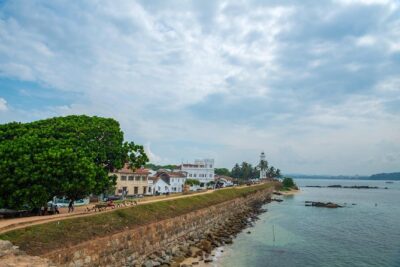
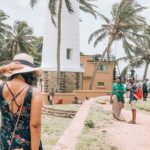
Your lighthouse stop is Colombo Galbokka Lighthouse, a 29-metre-high (95 ft) structure built in 1952 after the older lighthouse was deactivated when the light became obscured by nearby buildings tied to the Colombo Harbor Expansion project. It was opened by Rt Hon D.S. Senanayake, the first prime minister of Ceylon, and the lighthouse sits on a 12 m concrete base with four lion statues at the bottom.
What makes this stop interesting is how it connects the city to the sea. Standing there, you’re meant to think about navigation and maritime history—how a landmark like this would have helped sailors spot the harbor. You also get a sense of why lighthouses become identity markers, even when the city around them changes.
One thing to keep in mind: security rules have affected public access in the past due to a high-security zone nearby. Even though the tour schedule lists the stop as quick and free, you might find that access is limited depending on current conditions. Plan on a short photo-and-look visit rather than a full wander.
Pettah markets for king coconuts and street-food sampling
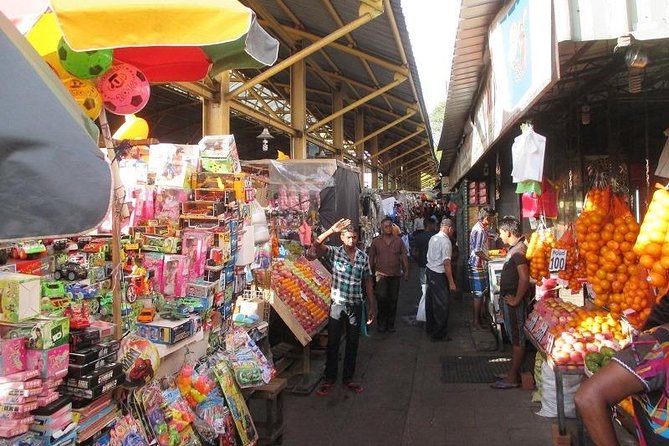
Next up is Pettah, one of Colombo’s oldest and most active market areas. This stop is short, but it’s focused: you’re there to soak up the local market energy and grab a taste or two—like fresh king coconuts—plus the chance to try various street foods.
Even with a guide, Pettah is not “museum calm.” It’s an active market district where you’ll move quickly and keep your eyes open. Because this is a timed stop (around 20 minutes), I treat it as a “set your senses on” break: smell the spices, watch the stalls, and choose one or two things you can actually enjoy before the next stop.
If you’re the type who hates surprises, Pettah is still manageable because the guide can help you navigate what’s safe and what to skip. If you’re traveling with dietary restrictions, you’ll want to use the guide as your filter—ask what’s available and what’s not suitable.
Jami Ul-Alfar Mosque, Colombo’s Red Mosque photo moment
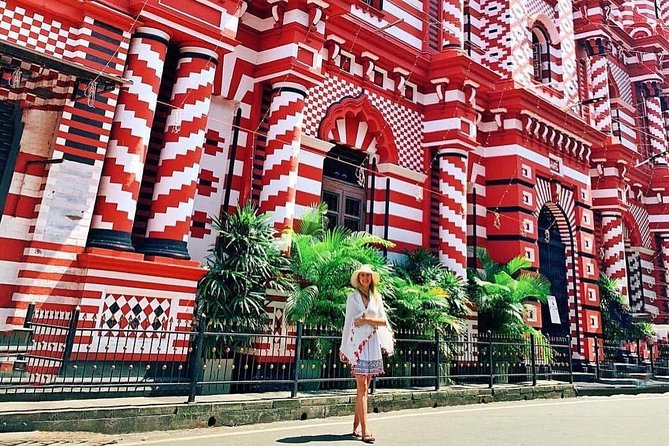
Jami Ul-Alfar Mosque—often called Sri Lanka’s Red Mosque—is one of those sights that looks dramatic even before you step closer. It sits in the Pettah district, and the tall minarets are visible from many streets, towering over the surrounding activity.
The “wow” factor is in the details. The mosque’s red-and-white pattern is said to have served as a landmark for sailors approaching Colombo’s port since it was built in 1908. The domes are also described as pomegranate-shaped rather than the more typical onion shape, with colorful brick patterns meant to echo the same fruit theme.
You’ll have about 10 minutes here. That’s not long, but it’s enough to appreciate the design from a few angles and get a solid photo set. The key is to walk slowly for the first few minutes—don’t rush straight to the perfect shot. The patterns are what make this place memorable.
Also, consider modest clothing if you’ll enter or get close. Even when you’re just observing, it’s respectful (and practical) in religious sites.
Gangaramaya (Vihara) Buddhist Temple: a mix of worship and learning
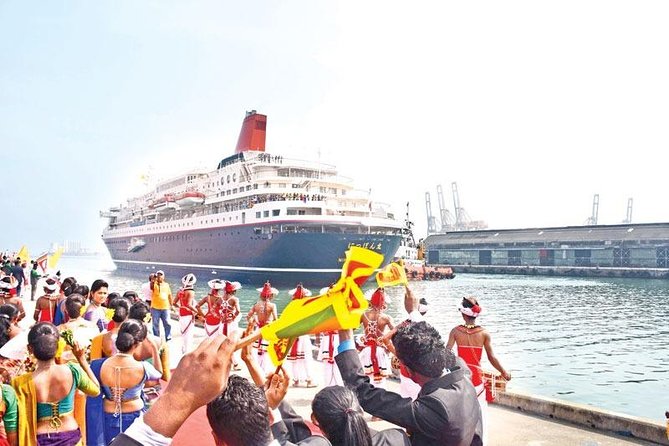
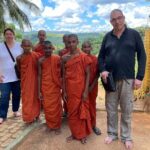
Gangaramaya (Vihara) Buddhist Temple is one of Colombo’s older temples and has the feel of a place with multiple roles. It started in the late 19th century with scholar monk Hikkaduwe Sri Sumangala Nayaka Thera. Administration then moved through other respected figures like Devundera Sri Jinaratana Nayake Thera, who helped turn the temple into an institute with broader influence.
What I like about Gangaramaya is that it’s described not just as a temple for worship, but also as a seat of learning and a cultural center. That context changes how you look at it. You’re not only noticing religious architecture; you’re seeing why the place has staying power in the city.
Important practical note: Gangaramaya entrance isn’t included, so expect a small extra cost. The tour schedule allows about 30 minutes, which is a comfortable length for looking around without feeling rushed.
Keep an eye on your timing here. This is the kind of stop where you might want to linger—so if you’re tight on ship or flight timing, let your chauffeur guide know early that you want to move at a steady pace.

Independence Memorial Hall and Colombo’s modern national story
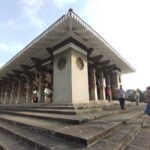
Independence Memorial Hall is a national monument built to commemorate Sri Lanka’s independence from British rule. The key historical moment tied to it is February 4, 1948, when governing responsibility shifted back to a Ceylonese-elected legislature.
This stop works well because it’s not just a photo spot. It’s a chance to place Colombo in the broader story of the island. If your first instinct is to think of Colombo only as a busy port city, Independence Memorial Hall reminds you it’s also a national capital with a defined political history.
You’ll get around 20 minutes, and that’s enough to take in the monument and get a sense of the scale. This is also a decent pause if you want a calmer moment after the market areas.
Laksala and souvenir time that doesn’t feel chaotic
Laksala is where you pivot from seeing sights to taking something home. It’s described as a souvenirs and handicrafts museum and shop, and the stop is designed for easy browsing—no hunting required.
This is the kind of stop I value when I’m short on time. You get a dedicated window to shop for crafts, and you’re not doing it while rushing between landmarks. If you’re trying to avoid overpaying at random stalls later, having one organized stop is a good approach.
Because the time here is limited, go in with a plan: decide what you actually want (small textiles, crafts, gifts) and skim for those items first. That way you don’t end up buying something you don’t need just because you’re surrounded by options.
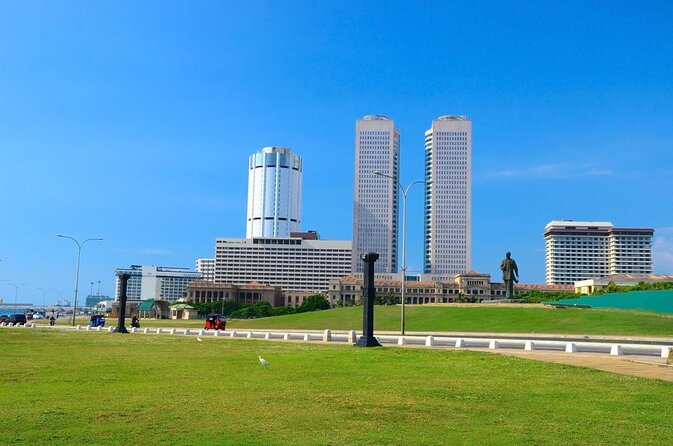
Galle Face Green pass-by: classic city views and British-era stories
As you head back toward the port, you’ll pass Galle Face Green along Galle Road. The tour frames this as an urban green with views, plus a chance to hear about British stories and see a famous British building along the way.
Even though it’s not a long stop, pass-by moments can be surprisingly useful. This part of Colombo has a “postcard” feel for a reason, and it gives you a mental map of how the city’s coastline and colonial-era architecture relate to modern street life.
Keep your camera ready during the drive. If you want to get extra photos, ask your chauffeur guide whether you can slow down for a quick view stop—without eating the time needed to return to your ship.
Price and value: is $50 worth it?
At $50 per person, this tour is priced for convenience. You’re paying for three big things: private transport, an English-speaking guide, and pickup/dropoff included from your hotel or the cruise terminal.
The tour includes bottled water and local beer (1 per person), plus all local taxes and charges. That can make the cost feel more “all-in” than some city tours where you’re constantly adding small expenses.
On the flip side, no meals are included, and Gangaramaya entrance isn’t included. If you eat during the market stop, Pettah street food will be on you. Plan for that and you won’t get surprised by a final bill.
What $50 does well
- Saves time by bundling the key sights
- Reduces transport hassle in busy Colombo
- Gives context via an English-speaking guide
What can cost extra
- Entrance fee at Gangaramaya
- Your own food if you choose snacks and street food
The reliability issue: how to protect yourself from pickup problems
Here’s the one practical caution I’d take from the past experiences shared with this kind of service: at least one customer described being left waiting for a transfer and receiving nothing on the same day, including waiting in rain at the airport.
That doesn’t mean this tour is unreliable in general, but it does mean you should reduce risk like a smart traveler. Do these two things:
- Confirm your pickup time the day before and save your booking reference.
- Be ready at the meeting point with a phone that can get messages (and an offline way to show your ticket details).
If you’re on a cruise schedule, give yourself extra buffer. Even when the tour is timed, delays can happen with traffic and port logistics. Your guide and driver can’t control everything, so you want a little margin.
Who should book this Colombo City Tour
This fits best if you:
- Want a private Colombo highlights circuit without figuring out transport
- Prefer an English-speaking guide to explain what you’re seeing
- Have limited time—like a cruise stop—and want the big landmarks covered
- Like quick, focused stops rather than long museum marathons
It may not be ideal if you’re hoping for lots of free time at every stop. The tour is built around short visits and efficient movement, so you’ll need to treat it as a primer, not as the only day you’ll spend in Colombo.
Also note the tour is listed as suitable for most travelers, and service animals are allowed. It’s described as near public transportation too, which can help if you need flexibility on your return plans.
Should you book it?
I think you should consider booking this private Colombo city tour if your top priority is a smooth highlights day: pickup handled, A/C comfort, English explanations, and the main sights lined up in a single route. The price is fairly reasonable for what you get, especially if you’d otherwise spend time organizing transport and trying to decode neighborhoods.
Just book with a little extra care. Double-check pickup details, keep your ticket handy on your phone, and plan for the fact that Gangaramaya entrance may require an extra payment and that lighthouse access could depend on current security conditions. If you do that, you’re set up for an efficient, genuinely enjoyable first look at Colombo.
FAQ
How much does the Colombo City Tour cost?
The price is $50.00 per person.
How long is the tour?
It runs about 4 to 5 hours.
Do I get hotel or cruise terminal pickup?
Yes. Port pickup and dropoff are included, and pickup is offered from your hotel or the cruise terminal.
Is this a private tour?
Yes. It’s a private tour/activity, so only your group participates.
Do I need to pay entrance fees during the tour?
Entrance fees are not included for Gangaramaya (Vihara) Buddhist Temple. Other listed stops show admission ticket free.
Are meals included?
No meals are included.
What’s included besides the vehicle and guide?
It includes a private air-conditioned vehicle, a professional English-speaking chauffeur guide, all local taxes and charges, port pickup/dropoff, 1 local beer per person, and bottled water.
Do I get a mobile ticket?
Yes. Mobile ticket is listed as included.
What is the cancellation policy?
You can cancel for a full refund up to 24 hours in advance. If you cancel less than 24 hours before the experience start time, you won’t be refunded.
Are service animals allowed?
Yes. Service animals are allowed.