Elephants and rehab in one 4-hour loop. This Udawalawe safari pairs big-animal tracking in a 4×4 jeep with a visit to the Elephant Transit Home, where rescued elephants get a second chance.
I love the way the guide helps you read the park, with practical wildlife explanations and binoculars for closer looks. I also like the setup: hotel pickup and drop-off plus small-jeep comfort, with a maximum of 6 passengers per vehicle.
One consideration: animal sightings can be uneven, so if you’re hoping for a specific mix beyond elephants, you’ll need some flexibility.
In This Review
- Key points at a glance
- Udawalawe Safari in a 4×4: the comfort part that matters
- Who’s driving the safari: guide style and the payoff for spotting
- What you can realistically see: elephants first, then the extras
- Binoculars included: how to use them so they actually help
- The Elephant Transit Home: what rehabilitation looks like up close
- Price and value: where the $15 really lands
- The 4-hour format: why it works, and when it won’t
- Group size and jeep comfort: small details that affect your viewing
- What to bring (and what to skip) for a smoother day
- Who should book this Udawalawe Safari + Transit Home tour?
- Should you book this tour?
- FAQ
- What is the duration of this Udawalawe safari and Elephant Transit Home tour?
- Does the tour include hotel pickup and drop-off?
- Is the safari jeep shared or private?
- Are national park entry tickets included in the price?
- Is Elephant Transit Home admission included?
- Are meals included?
- What language is the tour guide?
- What should I bring, and is anything not allowed?
Key points at a glance
- Small 4×4 safari jeeps (max 6 passengers): easier spotting and more comfortable game viewing
- Hotel pickup and drop-off in the Udawalawe area: you lose less time to logistics
- Binoculars included: useful for birds and other wildlife at a distance
- Udawalawe’s elephant focus: the odds are good for seeing elephants, often up close
- Elephant Transit Home visit: you see rehabilitation work, not just wildlife viewing
Udawalawe Safari in a 4×4: the comfort part that matters
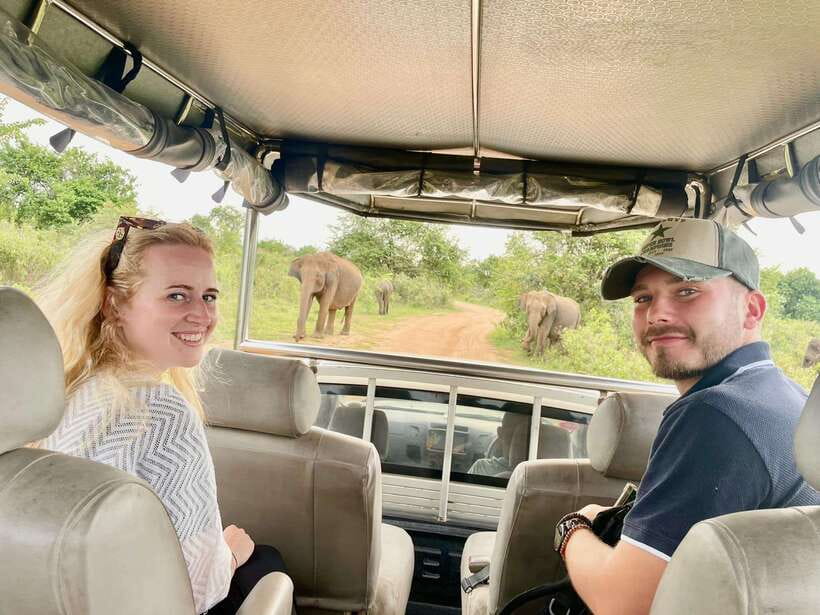
Udawalawe National Park is famous for its large elephant population, and this tour is built around that reality. You’ll start with a complimentary pickup from your hotel in Udawalawe, then head out in a 44 safari jeep made for game viewing rather than slow sightseeing.
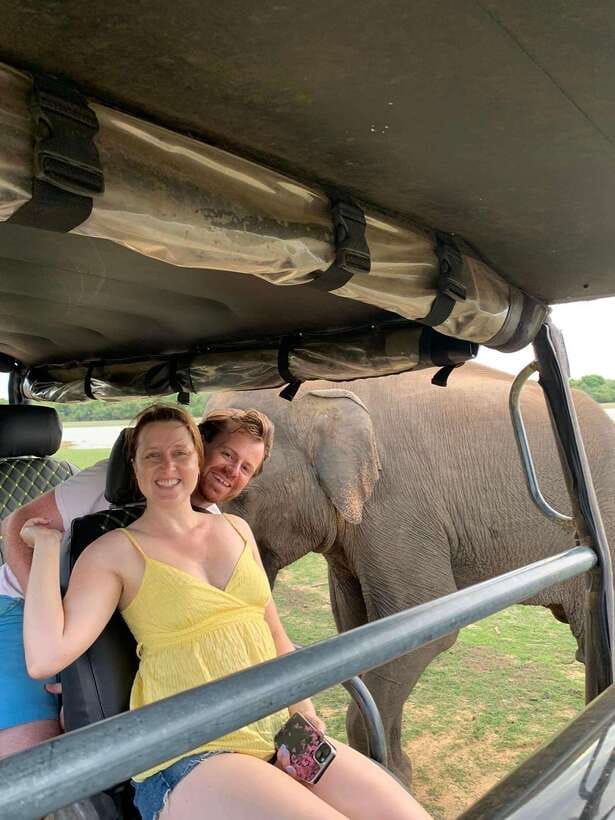
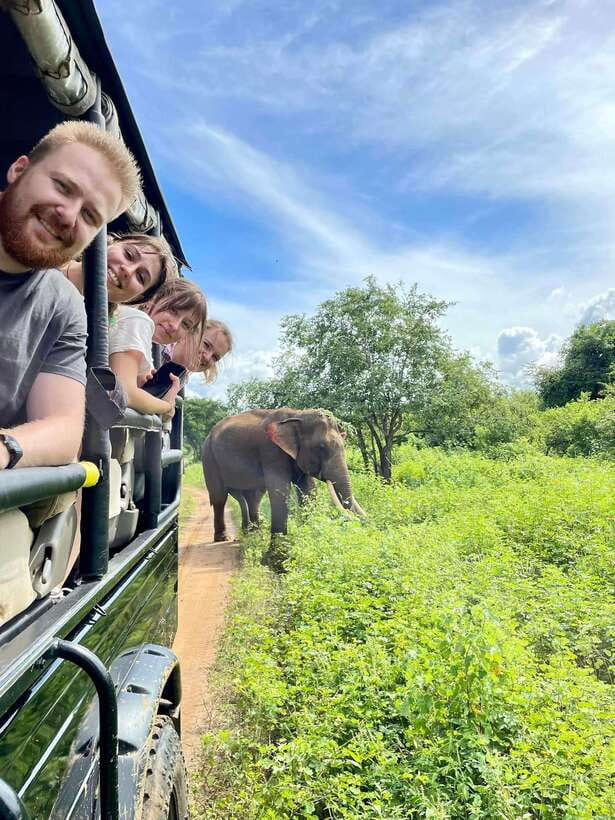
The jeep setup is one of the more practical upgrades here. With a max of 6 passengers per jeep, you’re not packed in like you’re commuting. That matters because wildlife watching is all about quick repositioning and clear sightlines, especially when animals decide to move right when you’re ready.
Timing is also straightforward. The whole experience is designed to fit into about 4 hours, so it’s a good match if you don’t want a full-day safari. The trade-off is simple: 4 hours is enough for real sightings, but it’s not enough for a guaranteed checklist of every species in the park.
You can also read our reviews of more tours and experiences in Sri Lanka.


Who’s driving the safari: guide style and the payoff for spotting
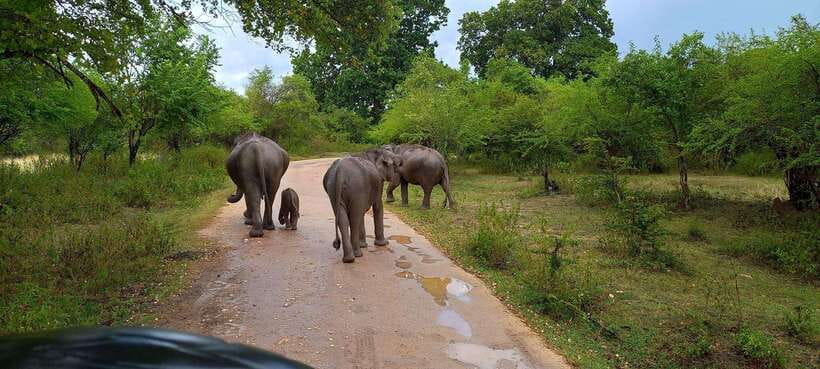
The tour includes an experienced guide who stays with you during the safari. That guide role is more than “someone who knows the route.” In Udawalawe, animals can be subtle—birds can feed quietly, and tracks or feeding behavior can tell you what’s likely nearby.
From what I’ve seen in how these tours are run, the best guides don’t just point. They explain. One guide name that pops up is Rochel, noted for taking time to explain what you’re looking at and using binoculars to help the group see birds and other wildlife more clearly.
You’ll also get to take pictures of the wildlife during the safari. That sounds obvious, but it’s not always the case on wildlife days when operators rush you through. Here, the structure is designed for viewing and photos, not a photo stop every 10 minutes.
What you can realistically see: elephants first, then the extras
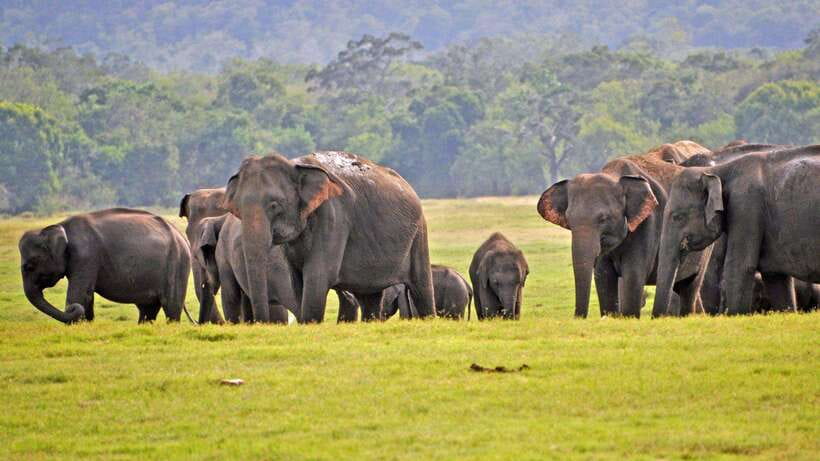
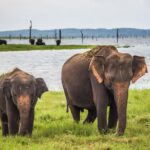
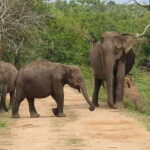
Udawalawe’s big draw is elephants, and this itinerary is honest about that. You’ll be looking for elephants as you move through the park, and the odds are good given the park’s large elephant population.
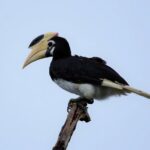
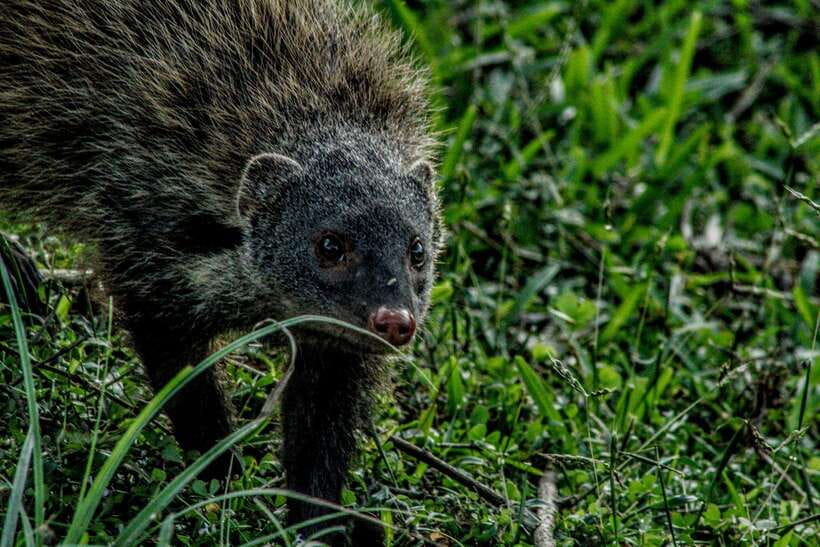
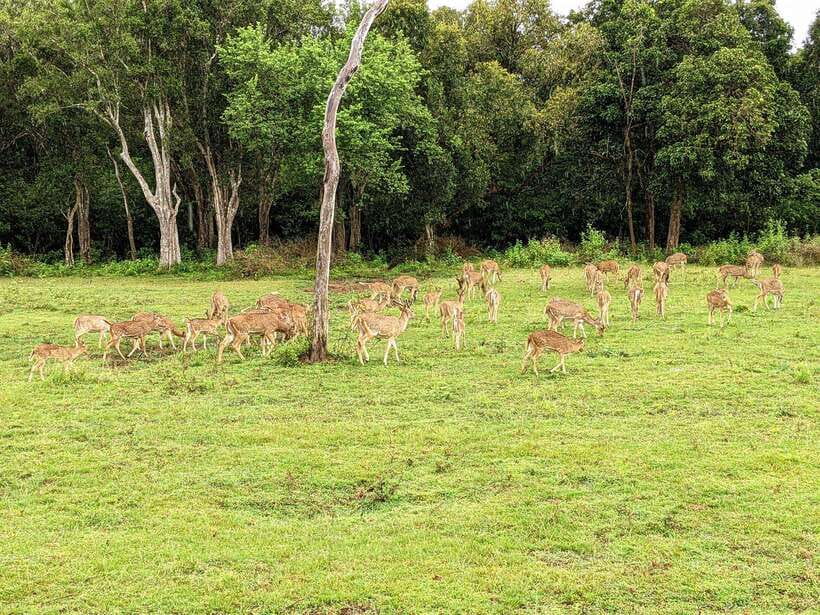
The tour also sets expectations for other wildlife. Depending on timing and conditions, you might see deer, wild buffalo, and birds. Some days give you more than elephants. Other days focus more on elephants and a smaller set of extras.
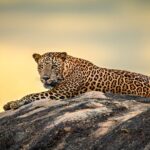
This is where your own planning matters. If you’re the type who needs to check off specific species like leopard or crocodile no matter what, you’ll want to go into this with the right mindset. Wildlife doesn’t work on a schedule, and Udawalawe can reward patience more than prediction.
A practical tip: keep your camera ready, but also watch without filming for a few seconds at a time. A lot of the best sightings happen when you notice movement first, then you start shooting.
Binoculars included: how to use them so they actually help
You get binoculars with this tour. That’s a big quality-of-life detail because animals often stay at a distance long enough to make phone zoom frustrating. Binoculars let you see behavior—how a bird feeds, how a herd spaces itself, and how animals react to sounds or nearby activity.
Here’s how you’ll get the most value from them:
- Use binoculars for scanning wide areas for 10 to 20 seconds, not for staring at one spot too long.
- When you spot an animal, switch quickly between the animal and the surrounding area to catch what’s moving next.
- Watch the guide’s suggestions. If the guide points out where activity is likely, binoculars turn that clue into real visibility.
And yes, you can still take photos. The binoculars just help you make sure you’re looking at the right thing before you start snapping.
The Elephant Transit Home: what rehabilitation looks like up close
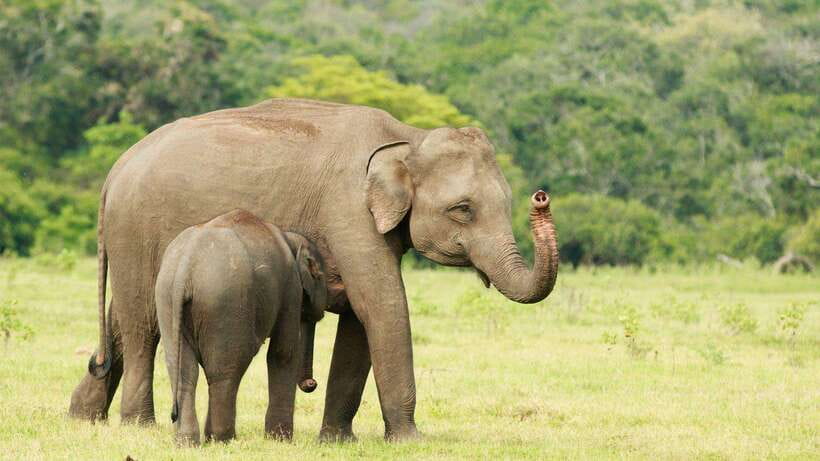
After the safari drive, you’ll visit the Elephant Transit Home. This is the emotional half of the day, and it’s also the part that adds meaning beyond photos.
The purpose is rehabilitation: you’ll see rescued elephants receiving care and support as they’re prepared for return to the wild. That changes how you experience the safari afterward. Instead of treating elephants as just big scenery, you’re seeing the behind-the-scenes side of how conservation works when animals need help.
It’s also the type of visit that rewards a calmer pace. Expect it to feel different from the safari, because here you’re observing work and care rather than searching for sightings in motion.
One note on planning: the Elephant Transit Home cost is not included in the tour price. You should budget about $6 for the transit home visit on top of what you pay for the tour.
Price and value: where the $15 really lands
The listed price is $15 per person, for a 4-hour experience with hotel pickup and a safari jeep plus a guide. That sounds almost too good, but the full cost has a couple of key add-ons.
You’ll need to pay:
- National Park entry tickets (about $38 per adult)
- Elephant Transit Home admission (about $6)
- Food and drinks (not included)
So your realistic total is more like the park ticket number plus the tour fee. The tour price isn’t “all-in pricing,” but it still adds value in three clear ways:
- Transport and a proper safari jeep: you’re not trying to figure out a safari vehicle on your own.
- Guiding and binoculars: the guide helps you find and interpret wildlife rather than just driving through.
- Time efficiency: you get safari + transit home in a single 4-hour block, which is hard to replicate when you’re arranging everything separately.
If you already planned to visit Udawalawe and the Elephant Transit Home anyway, the value is easier to see. If you’re trying to keep costs extremely tight, the park entry fee will dominate your budget, and the $15 tour fee becomes a smaller part of the total.
The 4-hour format: why it works, and when it won’t
A 4-hour tour is a smart choice for many people, especially if you want wildlife without burning an entire day. You get hotel pickup, safari time, the transit home visit, and then you’re dropped back.
The main trade-off is that a short safari gives you fewer opportunities to chase animals. If wildlife movement is limited or the day is slower, you might get a strong elephant day but fewer other species.
This matches what you may hope for most: elephants. The tour’s structure is built around that. If you go in expecting a long, slow, hunt-all-day style safari where you might find everything, this format might feel tight.
Group size and jeep comfort: small details that affect your viewing
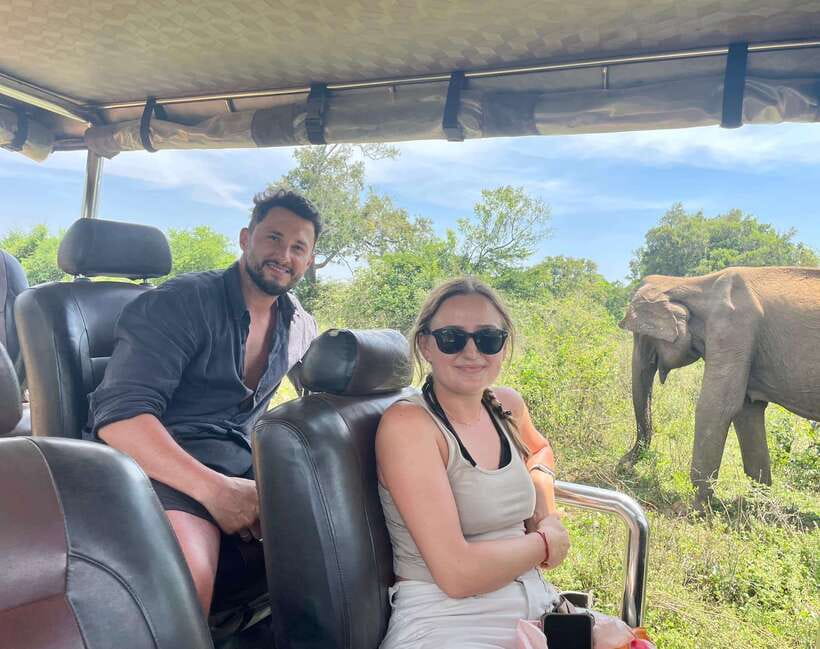
The tour is run with luxury and comfort 44 safari jeeps, with a maximum of 6 passengers. For groups of 5 or more, you also get a private safari jeep arrangement.
Why that matters: with fewer people, you’re less likely to block each other’s view, and you can move in a coordinated way when the driver stops at a better spot. It also helps with photo angles, since everyone isn’t fighting for the same seat position.
For couples and small friends groups, the private-jeep option can feel like a sweet spot: you still get the structure of a guided safari, but with less compromise.
What to bring (and what to skip) for a smoother day
This is a no-fuss safari, but you do want to show up ready. Bring:
- Comfortable shoes
- Comfortable clothes
You’ll be in the jeep and spending time looking around, so clothes that handle warm weather and dust are smart.
Don’t bring:
- Alcohol and drugs are not allowed
Also, plan to handle meals yourself because food and drinks aren’t included. A small snack and water can save you from feeling hungry midway through the transit home portion.
Who should book this Udawalawe Safari + Transit Home tour?
I think this tour is a strong fit if you want:
- A short Udawalawe National Park experience with a real guide
- High odds of seeing elephants
- A meaningful conservation add-on through the Elephant Transit Home
- A comfortable way to do safari without arranging vehicles or guide services separately
It’s less ideal if you need a guaranteed species list. Wildlife days can be variable, and while elephants are the star, the “extra” sightings depend on conditions.
It also isn’t suitable for everyone. The tour states it’s not suitable for pregnant women and people with back problems. If you’re in either category, you’ll want to look for a different, more suitable option.
Should you book this tour?
Book it if you want an efficient, guided way to experience Udawalawe National Park plus the Elephant Transit Home in about 4 hours, with a comfortable 4*4 jeep, binoculars, and hotel pickup to keep things easy.
Hold off or adjust expectations if you’re chasing a specific set of species beyond elephants, because wildlife sightings can be uneven. Also, factor in the big add-on costs—the national park entry tickets (~$38 adult) and the transit home admission (~$6)—so you’re comparing the real total price, not just the $15 tour fee.
If your goal is elephants plus a conservation visit that adds context to what you see, this is a very sensible way to spend a half day in Sri Lanka’s Eastern Province.
FAQ
What is the duration of this Udawalawe safari and Elephant Transit Home tour?
The duration is 4 hours.
Does the tour include hotel pickup and drop-off?
Yes. It includes hotel pickup and drop-off in the Udawalawe area. You should wait in the hotel lobby 10 minutes before the scheduled pickup time.
Is the safari jeep shared or private?
The safari jeeps accommodate a maximum of 6 passengers. For bookings of 5 passengers or more, you can enjoy a private tour in the safari jeeps.
Are national park entry tickets included in the price?
No. National park entry tickets are not included and are about $38 per adult.
Is Elephant Transit Home admission included?
No. Elephant Transit Home admission is not included and is about $6.
Are meals included?
No. Food and drinks are not included.
What language is the tour guide?
The live tour guide is in English.
What should I bring, and is anything not allowed?
Bring comfortable shoes and comfortable clothes. Alcohol and drugs are not allowed.