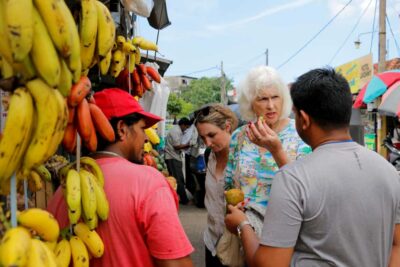
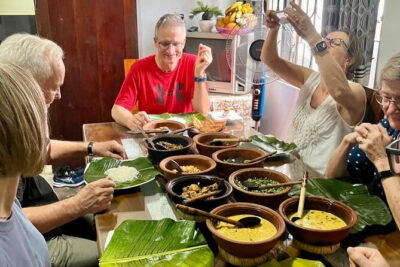
This class turns a food lesson into a real Galle morning. You start by shopping for fresh ingredients at the Greenmarket and Fishmarket, then you cook on a sea-view balcony with professionally trained chefs. Two things I especially like: the hands-on, step-by-step cooking style, and the tight small-group feel (max 10). One possible drawback: it runs about 3 hours, so come hungry and plan for a mid-pace schedule.
You’ll split the experience into two parts: market browsing for vegetables, spices, and herbs, followed by cooking and eating your favorite Sri Lankan dishes. The promise is simple and solid—practical skills, warm atmosphere, and a true taste of Sri Lanka that goes beyond just watching from the sidelines.
In This Review
- Key things I’d circle before you book
- Market Morning in Galle: Greenmarket and Fish Market Ingredients
- Tuk-Tuk Transfer Back to the Cooking School
- The Sea-View Kitchen Setup: Balcony Cooking with Practical Prep
- How the Class Works: Step-by-Step Cooking You Can Actually Follow
- Your Sri Lankan Dish Lineup: Eight Favorites, Not Just One Specialty
- What the Experience Feels Like: Warm, Fun, and Focused on Culture Through Food
- Pricing and Value: Why $40 for Three Hours Can Be a Good Deal
- Who Should Book This Class (and Who Might Skip It)
- Practical Tips Before You Go
- Should You Book Nautilus Cooking Class in Unawatuna?
- FAQ
- Where does the Traditional Cooking Small-Group Class start?
- How long is the class?
- What’s included in the class?
- How many people are in the group?
- Is the ticket digital?
- What is the cancellation policy?
Key things I’d circle before you book
- Greenmarket + Fishmarket shopping for ingredient choices that actually make a difference
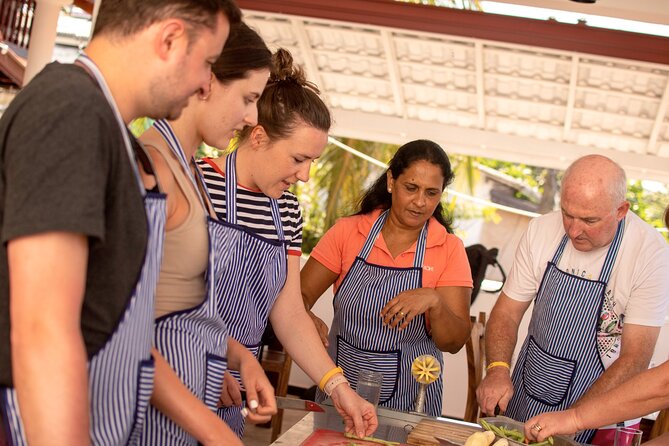
- Small group size (up to 10) so you get real attention while you cook
- Sea-view balcony / covered terrace kitchen that makes the class feel like an experience, not a classroom
- Hands-on participation with step-by-step guidance on curries and prep
- Eight Sri Lankan dishes so you leave with a wide sampler, not just one curry
- Tuk-tuk back to the kitchen for a fun, local in-between moment
Market Morning in Galle: Greenmarket and Fish Market Ingredients
This is the part that often makes cooking classes feel meaningful instead of repetitive. You head out to Galle’s biggest fresh markets—the Greenmarket and Fishmarket—so your shopping isn’t a token stop. It sets the tone: you’re choosing what goes into your meal while the ingredients are fresh and visible.
Here’s why that matters for you. Sri Lankan cooking lives and dies by balance: aromatics, spices, herbs, and how everything gets chopped and fried. When you’re buying the vegetables and ingredients yourself, you start thinking like a cook. Even if you’re not a confident kitchen person, you’ll understand what each ingredient is supposed to do once you’re back at the stove.
The market time also gives you a sense of place. You get to see the ingredients you’ll later hear described in the kitchen—vegetables, spices, herbs, and the kinds of flavors that define classic Sri Lankan food. If you like food that tastes like it has a reason, not just a recipe, this first half is where it clicks.
You can also read our reviews of more tours and experiences in Galle.


Tuk-Tuk Transfer Back to the Cooking School
After shopping, you take a tuk-tuk back to the cooking school. This sounds like a small detail, but it works for most people. It breaks up the day so your brain switches from shopping mode to cooking mode.
It also helps you settle in. You’re not rushing straight from the market into a long, stationary cooking session. You’ll arrive ready to cook, and that can make the class feel more relaxed even though you’ll be learning multiple dishes.
The Sea-View Kitchen Setup: Balcony Cooking with Practical Prep
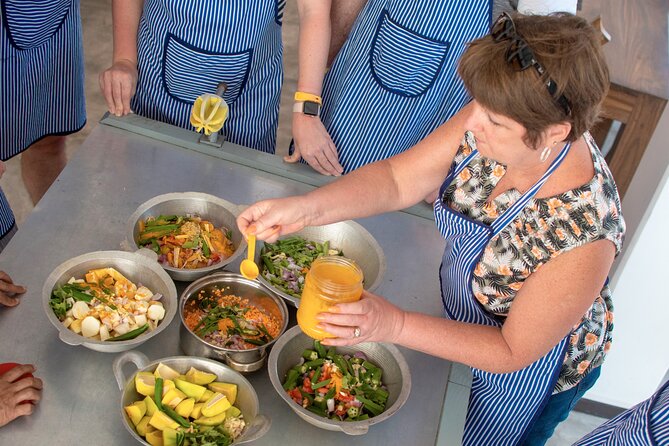
The cooking portion happens in a nice sea-view balcony area, with a kitchen space that’s described as covered and terrace-like. In plain terms: you’re cooking in a setting designed for comfort and visibility, not squeezed into a tiny corner kitchen.
What you’ll appreciate here is how the space supports the teaching style. One review notes the kitchen is well furnished for the covered roof terrace course, and another mentions the kitchen is set up so you can participate step by step. That combination is what makes a small-group class work: your instructor can explain, show, and then guide you without everyone crowding around one station.
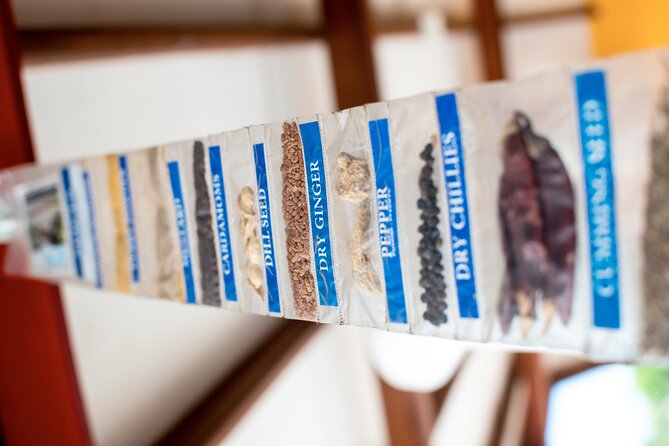
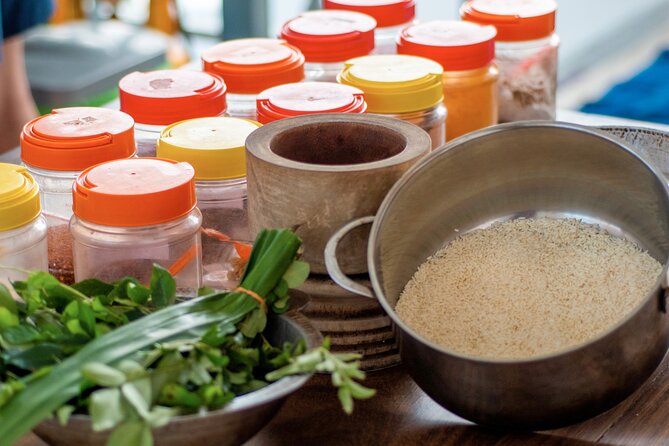
Expect the chefs to introduce ingredients before you cook with them. The focus is on Sri Lankan “exotic” ingredients—vegetables, spices, and herbs—so you can learn what they are and why they’re used. Even if you’ve eaten Sri Lankan food before, this is the moment where the flavors start making sense.
How the Class Works: Step-by-Step Cooking You Can Actually Follow
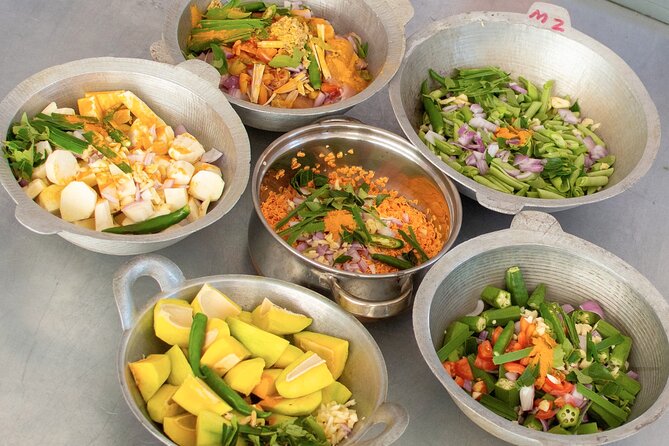
The teaching style is practical. You’re not just watching; you’re involved. The class is described as warm and fun, and one review highlights learning how curries are chopped, sliced, seasoned, fried, cooked, and tasted. That’s a full workflow, and it’s exactly what you need if you want to cook Sri Lankan food later without guessing.
A good sign for you: you’re allowed to participate step by step. That means you’ll have chances to handle prep tasks and see how the dish comes together in stages. When you’re learning multiple dishes, this matters—because you won’t just master one technique. You’ll practice the core movements of the cuisine: chopping and seasoning properly, understanding frying as flavor-building, and tasting as you go.
Also, because you’re in a small group (max 10), it’s easier for instructors to correct your prep and keep you from feeling lost. In bigger classes, one or two people end up doing all the work. Here, the format pushes toward everyone getting involved.
Your Sri Lankan Dish Lineup: Eight Favorites, Not Just One Specialty
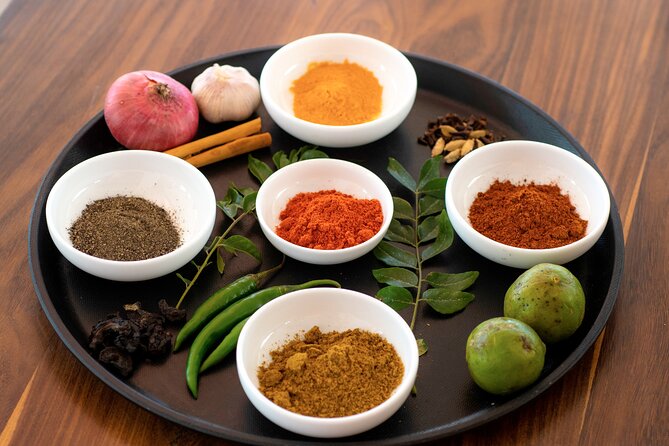
The experience centers on eating eight favorite Sri Lankan dishes. That’s a great value element because it gives variety. Instead of one long lesson on a single dish, you’ll sample a wider range of Sri Lankan flavors and techniques in one sitting.
From the teaching approach described in the reviews, you can expect those dishes to include curry prep and the kind of spice-forward cooking Sri Lankan cuisine is known for. You’ll likely see steps tied to seasoning and cooking processes that build layered flavor.
If you’re trying Sri Lankan food for the first time, this lineup helps you find what you personally love. Maybe you’ll be drawn to spicier curries, or maybe the herb-and-veg dishes hit your taste buds harder than you expected. Either way, the “eight dishes” format gives you enough information to make that decision.





What the Experience Feels Like: Warm, Fun, and Focused on Culture Through Food
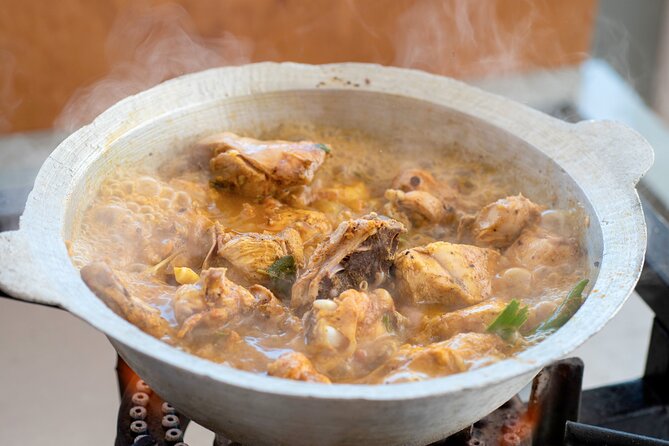
This class is built around more than recipes. You’re learning Sri Lankan food culture in a tangible way: ingredients in the market, then technique at the stove, then eating what you made.
That’s why the vibe is described as practical, warm, and fun. When it’s done well, cooking classes don’t feel like a performance. They feel like a friendly lesson where you’re part of the process. You’ll come away with more than a full stomach—you’ll understand the logic behind the flavors.
There’s also an element of comfort in the setting: sea-view cooking plus a covered terrace kitchen makes the experience more pleasant than a hot, cramped indoor class. Even if the weather turns, the cooking setup is designed for the class to continue comfortably.
Pricing and Value: Why $40 for Three Hours Can Be a Good Deal
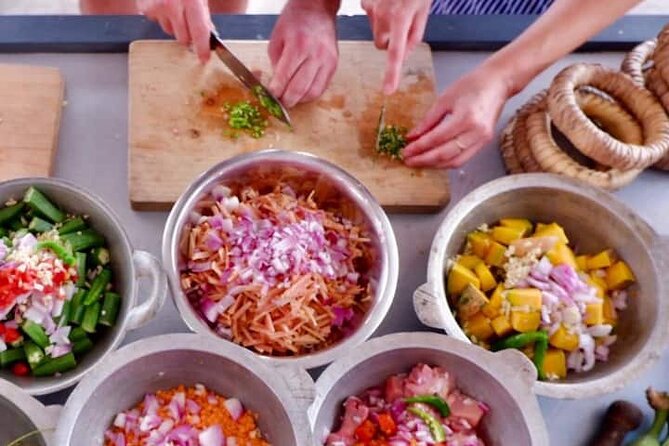
At $40 per person for about 3 hours, you’re paying for three things at once: market shopping time, guided instruction, and a full meal (eight dishes). In many cooking classes, the price is mostly instruction. Here, the markets are part of the package, and that’s usually where costs and time add up.
You also get a small-group cap of 10 travelers, which often means better attention. If you’ve ever taken a big group class, you know how that can affect quality. Better guidance can make the difference between learning a technique and only picking up a vague idea.
One more value point: you’re not just tasting—you’re eating the dishes you cooked. That’s the ultimate feedback loop. If a sauce tastes off, you can learn why from the chef’s process rather than hoping it works out by luck.
Who Should Book This Class (and Who Might Skip It)
This class is a strong match if you:
- want a hands-on Sri Lankan cooking experience, not a passive demo
- like to shop for ingredients and understand what goes into your meal
- enjoy curry-focused cooking steps like chopping, seasoning, frying, and tasting
- appreciate small groups where you can ask questions while you cook
You might think twice if you:
- prefer very structured, Western-style recipe formats with minimal variation
- only have a short attention span for kitchen prep and market time
- don’t eat spicy food at all (the class is focused on authentic Sri Lankan flavors, which often include spice)
Practical Tips Before You Go
Keep these simple points in mind so you enjoy the full 3 hours without stress:
- Wear comfortable shoes. Market browsing and walking take more effort than you’d think.
- Plan for a full meal afterward. The class is built around eating the dishes you cook.
- Come with an open mind about ingredients you might not recognize. The point is learning what’s used and how it tastes.
- If you’re sensitive to spices, tell the chef early in a straightforward way. Since you’re cooking, it’s easier to adjust than with a restaurant plate.
Should You Book Nautilus Cooking Class in Unawatuna?
I’d recommend booking this cooking class if you want your Sri Lanka food experience to start with real ingredient shopping and end with a satisfying set of eight Sri Lankan dishes. The combination of Greenmarket and Fishmarket browsing, the sea-view terrace kitchen, and the small-group format (max 10) is what makes it feel personal and useful, not generic.
The only reason to hesitate is the time commitment. About 3 hours is manageable, but you’ll want to show up ready to cook and eat. If that fits your day, this is a fun, practical way to learn Sri Lankan flavors you can recreate later.
FAQ
Where does the Traditional Cooking Small-Group Class start?
The meeting point is Nautilus Cooking Class, No: 138 Yaddehimulla Rd, Unawatuna 80600, Sri Lanka.
How long is the class?
The experience lasts about 3 hours.
What’s included in the class?
You shop for fresh ingredients at Galle’s Greenmarket and Fishmarket, then you return to the cooking school to cook and eat eight Sri Lankan dishes. Tuk-tuk transport back to the cooking school is included.
How many people are in the group?
The class is limited to a maximum of 10 travelers.
Is the ticket digital?
Yes, this experience features a mobile ticket.
What is the cancellation policy?
You can cancel for a full refund up to 24 hours before the experience’s start time. Free cancellation applies according to local time rules.