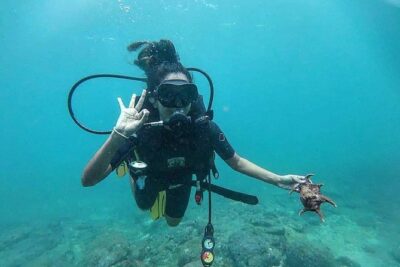
Crystal water and underwater wildlife. This short Pigeon Island snorkeling outing lets you drift over coral while you hunt for eels, parrotfish, damselfish, butterflyfish, bannerfish, and even patterned boxfish. I also like that the tour focuses on the practical stuff you need in the water: quality snorkeling equipment plus a clean boat and safety gear.
The main thing to plan around is cost surprise. The tour price is $16, but the Pigeon Island National Park entrance fee is separate, and it adds up quickly once you factor it in for each person.
In This Review
- Key Things to Know Before You Go
- Underwater Highlights You’ll Actually Notice
- How the 3-Hour Format Feels in Real Life
- From Nilaveli to Pigeon Island: The Short Ride, Big Reward
- What’s Included (and What You Must Budget For)
- Quick value check
- Wildlife Chances: Turtles, Rays, and Blacktip Reef Sharks
- Equipment and Safety: The Stuff That Makes Snorkeling Easier
- A Smart Packing Checklist (So You Don’t Waste Time)
- Who Should Book This Snorkeling Trip
- Logistics Reality: Smooth Days vs. Friction Points
- Should You Book Pigeon Island Snorkeling?
Key Things to Know Before You Go
- Snorkeling right by the national park: Pigeon Island National Park sits just a couple kilometers off Nilaveli Beach.
- Fish variety on the drift: eels, parrotfish, damselfish, sweetlips, butterflyfish, bannerfish, and boxfish are all on the likely list.
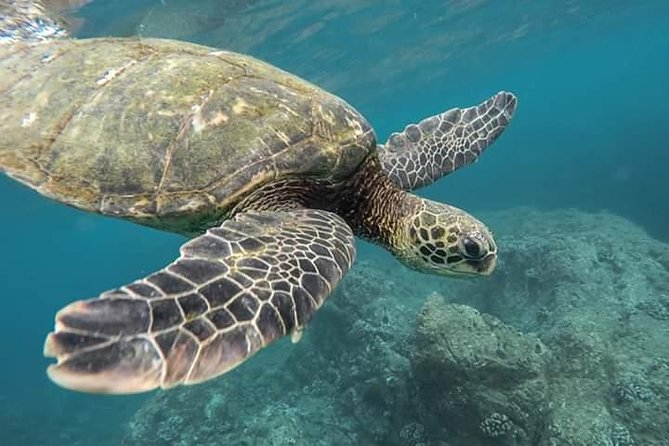
- Real wildlife odds: you might see turtles, rays, and, if conditions cooperate, blacktip reef sharks.
- Gear and boat basics are handled: snorkeling equipment, a clean boat, and safety equipment are included.
- Small-group feel: maximum group size is 21 people.
- Mobile ticket for ease: confirmation comes through at booking and your ticket is mobile-friendly.
Underwater Highlights You’ll Actually Notice
Pigeon Island snorkeling is all about the close-up stuff: corals, the fish that hover along them, and the way the sea floor changes as you drift. You’re not just looking at open water—you’re moving through a reef area where you can realistically spend time watching behavior.
Here’s what you should keep your eyes open for. Eels tend to be easy to miss at first, so when you spot a movement in the sand or coral edges, slow down and scan. You can also expect the calmer, busy look of schools and small clusters of fish—think parrotfish and damselfish gliding past, and sweetlips showing up with their more elegant, steady presence.
The tour also calls out butterflyfish and bannerfish, plus lined sweetlips fish. That matters because those species don’t all act the same way. Some dart in short bursts; others cruise. If you’re the type who likes to observe rather than rush, this style of snorkeling fits well.
You can also read our reviews of more tours and experiences in Sri Lanka.



How the 3-Hour Format Feels in Real Life
This is a roughly 3-hour experience, so it runs on momentum. You’ll want to treat it like a focused half-day: check in, gear up, get out to the snorkeling spot, spend your time in the water, then head back.
Because the activity is short, you’ll benefit most if you:
- show up ready to snorkel (not trying to figure out gear on the boat),
- keep your swim style efficient (no long detours),
- and keep your eyes open quickly once you get in.
Also, there’s a weather factor. The experience requires good conditions, and if it gets canceled for poor weather, you’ll be offered a different date or a full refund. That’s important on Sri Lanka trips where plans can shift—snorkeling days are easier when you don’t schedule something critical right after.
From Nilaveli to Pigeon Island: The Short Ride, Big Reward
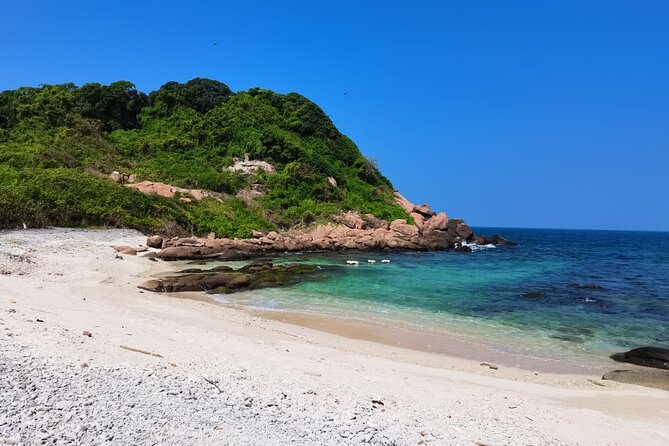
The snorkeling site is very close to Nilaveli Beach—about 2 kilometers (just over a mile) from Nilaveli. Another detail puts the park around 3 km from Nilaveli, which likely just reflects different ways of measuring the approach. Either way, you’re not dealing with a long transfer.
That short distance is part of the value. It reduces the “dead time” you lose to travel and leaves more of your tour window for actual time in the water. On a trip where you want one solid experience instead of a full-day production, this layout makes sense.
One practical note: the tour starts at Pigeon Island Tours in Gopalapuram, Nilaveli (meeting point listed on the tour details). Make sure you arrive a bit early, even if you’re using nearby public transport, so you don’t feel rushed when it’s time to gear up.
What’s Included (and What You Must Budget For)
Let’s talk money like a friend, not like a brochure.
You pay $16 per person for the snorkeling experience, and it includes:
- snorkeling equipment,
- and a boat with return trip.
That’s a good baseline. Gear and boat time are the expensive parts of snorkeling logistics, and having them included keeps the trip simple.
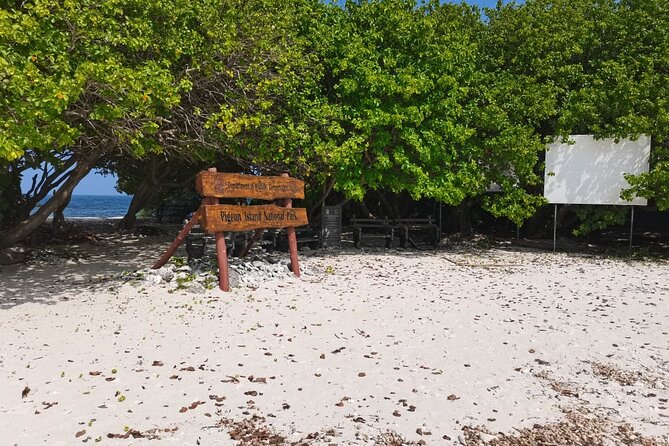
But the biggest “hidden” cost is not hidden at all—it’s just separate. The Pigeon Island National Park entrance ticket is not included:
- $47 per person for adults
- $25 per person for children (ages 6–11)
On top of that, lunch and breakfast are not included either:
- lunch: $4 per person
- breakfast: $3 per person
Quick value check
For most adults, the realistic spend is usually the tour ticket plus the park entrance fee, plus any food you add. So even though the snorkeling tour looks like a bargain at $16, you should mentally budget closer to the total with the entrance fee to avoid a last-minute sticker shock.




Wildlife Chances: Turtles, Rays, and Blacktip Reef Sharks
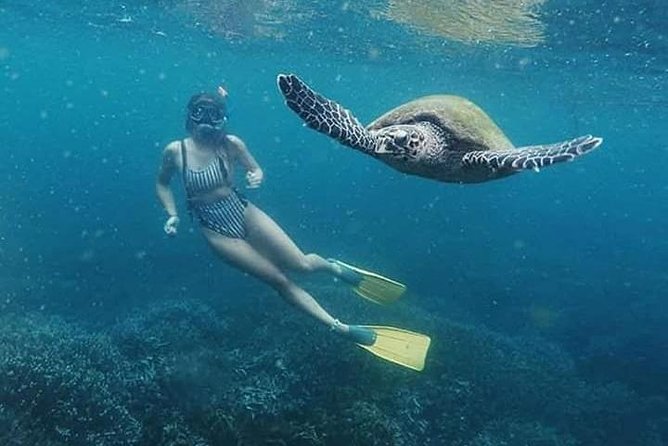
The phrase swim with sharks and turtles can sound dramatic, but here’s the practical way to think about it: you’re not guaranteed a specific animal on schedule. What you are getting is a reef area where multiple species are possible, and the chance increases when you stay calm, look in the right places, and move with the drift.
The tour highlights the chance to spot turtles plus various rays. It also specifically mentions the possibility of blacktip reef sharks.
If you want the best shot at seeing them, focus on steady searching rather than panic-swimming. Look for movement patterns:
- turtles often glide and pause,
- rays may move slowly along the reef edges,
- and sharks—if seen—tend to pass through rather than hang around for photos.
Also, remember the reef fish can be the star even on a no-big-animal day. The combination of corals and species like eels, parrotfish, damselfish, butterflyfish, and bannerfish can still feel like an all-day reward squeezed into a 3-hour window.
Equipment and Safety: The Stuff That Makes Snorkeling Easier
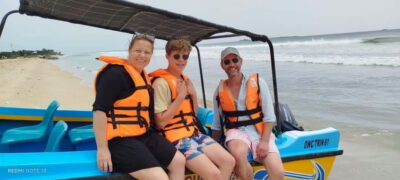
I care less about fancy claims and more about whether the setup helps you enjoy the water. This tour includes snorkeling equipment and provides safety equipment on the boat.
That matters for two reasons:
- Better gear helps you breathe comfortably and keep your head position stable.
- Safety gear and a prepared crew reduce the stress factor, so you can focus on what’s in front of you.
The tour also mentions expert skippers. Even if you’re a confident swimmer, having a skipper who knows the water and timing makes the experience smoother—especially since the experience is weather-dependent and runs on a short schedule.
A Smart Packing Checklist (So You Don’t Waste Time)
You’re on a boat and you’re in the water for part of the time, so keep it simple and practical. Bring:
- swimwear you’re comfortable in,
- a towel,
- reef-safe sunscreen if you use it,
- and a way to protect your phone or small items.
If you wear glasses or have vision needs, check your setup ahead of time. Snorkeling can be clearer than you expect, but once you’re out there, fiddling with your gear is the last thing you want to do.
Finally, if you’re sensitive to sun, plan for it. Reef areas can brighten fast, and you don’t get many chances to reset during a 3-hour run.
Who Should Book This Snorkeling Trip
This works best for you if:
- you want a short, high-reward snorkeling experience rather than a full-day program,
- you like watching fish behavior and coral detail,
- you’re okay with animal sightings being luck-based,
- and you have a moderate fitness level.
It may not be the best match if you’re expecting a guaranteed shark encounter on cue. The tour sets the right expectation by offering chances—turtles, rays, and even blacktip reef sharks—while still centering the reef experience.
Also, it fits couples, friends, and solo travelers who want an organized way to get on the water with equipment provided and a return boat plan.
Logistics Reality: Smooth Days vs. Friction Points
In an ideal world, check-in happens quickly and everyone gets out on time. But snorkeling days depend on multiple moving parts—gear, boat readiness, and how quickly people gather at the start.
If your schedule is tight, I’d build in extra buffer before you commit to something right after. One thing to watch for is how costs are split. The park entrance fee is separate, so keep that money ready and understand it’s part of the full value equation.
Once you’re in the water, though, the experience tends to do what you want: focused time on coral and fish, with the added excitement of possible turtles or rays nearby.
Should You Book Pigeon Island Snorkeling?
Book it if you want a straightforward, organized snorkel with quality gear, a short boat ride, and a strong list of reef fish plus real potential sightings of turtles and rays. The $16 tour price is appealing, but don’t treat it as the full cost—factor in the national park entrance ticket.
Skip it (or rethink expectations) if you can’t handle added entrance fees or you’re the type who needs a guaranteed big-animal moment. You’ll still likely see plenty of fish and coral, but the star animals are never scheduled like clockwork.
If you like marine life, keep your expectations grounded, and you’re ready for a short-but-serious water session, this is a good use of your Sri Lanka time.