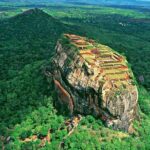
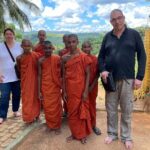
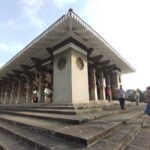
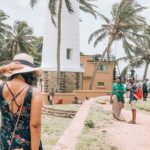
Eight days, wildlife drives, and tea-country views. This private round tour from Colombo strings together Sigiriya Rock at sunrise, elephant-hunting safaris, and the coast in a way that feels efficient without rushing every second. I liked how the route is built around big moments: temples, train views, and wildlife nights that actually get dark enough for proper sightings.
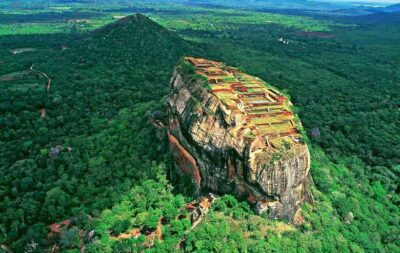
I love the early timing for Sigiriya Rock, when the climb is still calm and the light is better for photos. I also like the focus on 4×4 safaris, including an elephant-park option in the evening and a Yala safari for the main wildlife punch.
One thing to watch: some of the most “you paid for this” items are not fully included. The tour lists jeep safari costs, the Ella train ticket, and site/music entrance fees as extras, so you’ll want to budget and confirm those numbers before you go.
In This Review
- Key highlights you’ll feel in real time
- The real shape of this 8-day Sri Lanka route
- Day 1: Colombo to Sigiriya via Dambulla, then Minneriya/Kaudulla/Hurulu at dusk
- Day 2: Sigiriya at sunrise, then Kandy dance and the Sacred Tooth Relic
- Day 3: Peradeniya Royal Botanic Gardens and the tea-country arrival in Nuwara Eliya
- Day 4: Gregory Lake, Victoria Park, and the 12:40 train ride to Ella
- Day 5: Down to Tissamaharama with waterfalls and rock temples, then Yala after dark
- Day 6: Mirissa arrival, snake farm stop, and a slower beach evening
- Day 7: 6:30 AM blue whale watching, then turtles, Galle Fort, and Madu River boats
- Day 8: Goodbye breakfast and transfer to Colombo or Negombo airport
- Price and value: what you get for the $1,000 per group, and what to budget extra
- Hotels and comfort: A/C rooms, but don’t assume the same standard everywhere
- Your guide: how a good driver turns a schedule into a story
- Who this tour fits best (and who should think twice)
- Should you book this Sri Lanka 8-day round tour?
- FAQ
- Which national parks are included for safari drives?
- Is the 4×4 jeep safari included in the price?
- Do I need tickets for the train ride to Ella?
- What’s included with breakfast?
- Are entrance fees included for sites and music performances?
- Where do the whale watching and turtle activities happen?
- What historical sites and fort areas are part of the coastal day?
- How do pickup and airport transfers work?
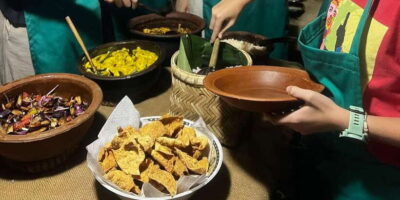
- Can the tour handle different food preferences?
Key highlights you’ll feel in real time
- Sigiriya early climb for better light and fewer crowds in the morning
- Elephant-park 4×4 option (Minneriya, Kaudulla, or Hurulu) based on elephant availability
- Yala National Park safari night with a classic 4×4 wildlife setup
- Ella by train with panoramic views after a midday departure
- Mirissa blue whale watching at 6:30 AM plus a full day of coastal culture
- Food planning for North Indian, halal, veg, non-veg, and Jain on request
The real shape of this 8-day Sri Lanka route
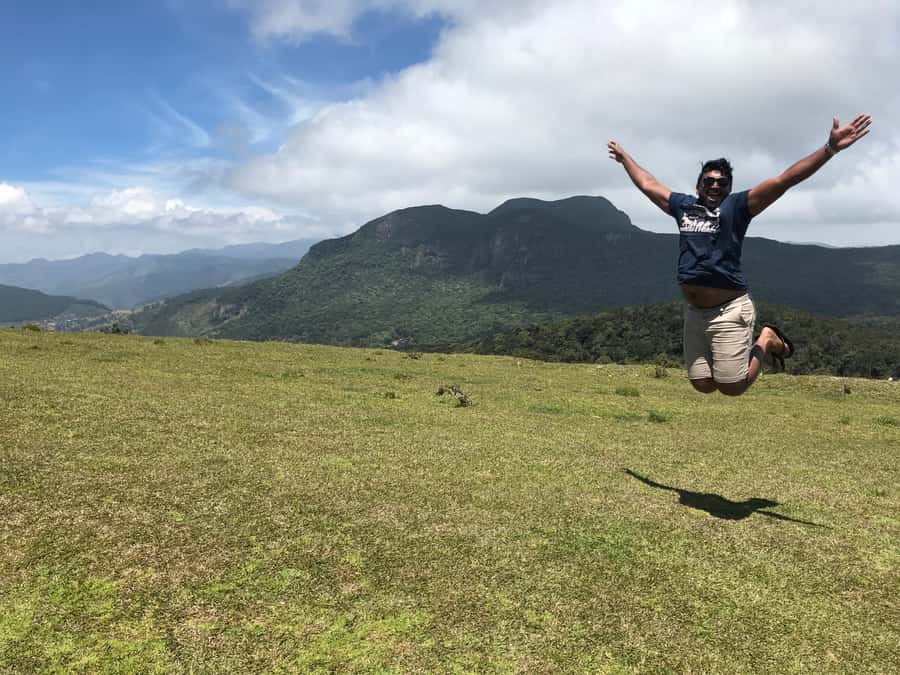
You’ll be traveling in a private A/C vehicle with an English-speaking chauffeur for all the driving days. That matters here because the distances in Sri Lanka are real, and a private driver keeps you from losing time to public transport schedules.
Breakfast is included each morning, and your hotels are listed as A/C rooms. You’ll also get a little “helpful stuff” like a complimentary SIM card for the group and a mineral water bottle on arrival each day.
The best part of the planning is that the trip doesn’t treat wildlife as a side quest. You get set up for wildlife in the east and again near the southern coast, then you get scenery and culture during the days in the middle and hill-country stretch.
You can also read our reviews of more tours and experiences in Colombo.
Day 1: Colombo to Sigiriya via Dambulla, then Minneriya/Kaudulla/Hurulu at dusk
Day 1 starts with the drive from Colombo up toward Sigiriya. On the way, you stop at Dambulla Golden Cave Temple, one of Sri Lanka’s most famous cave-temple sites, known for its painted interiors and religious murals.
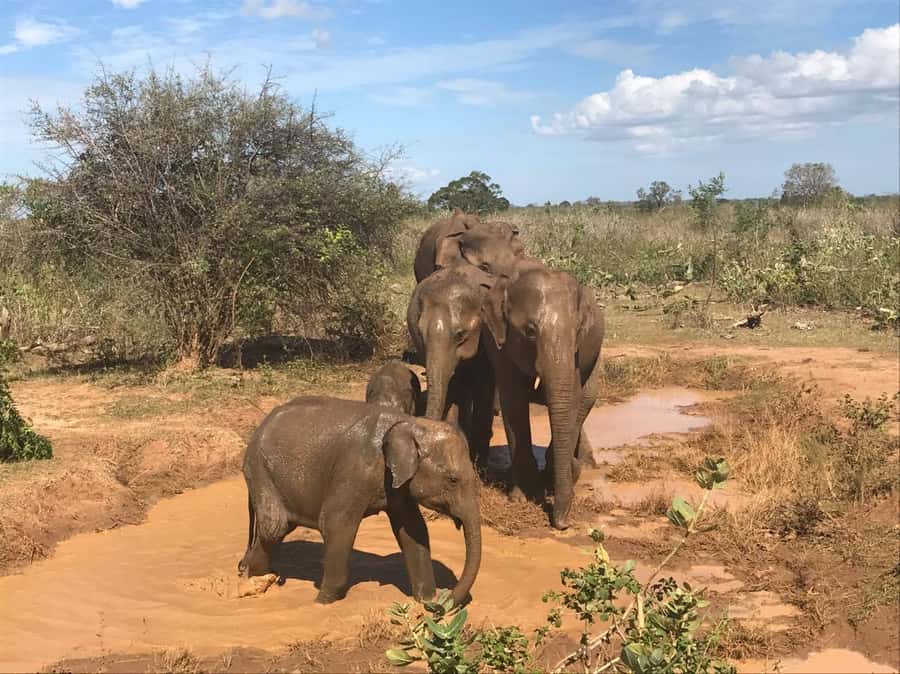
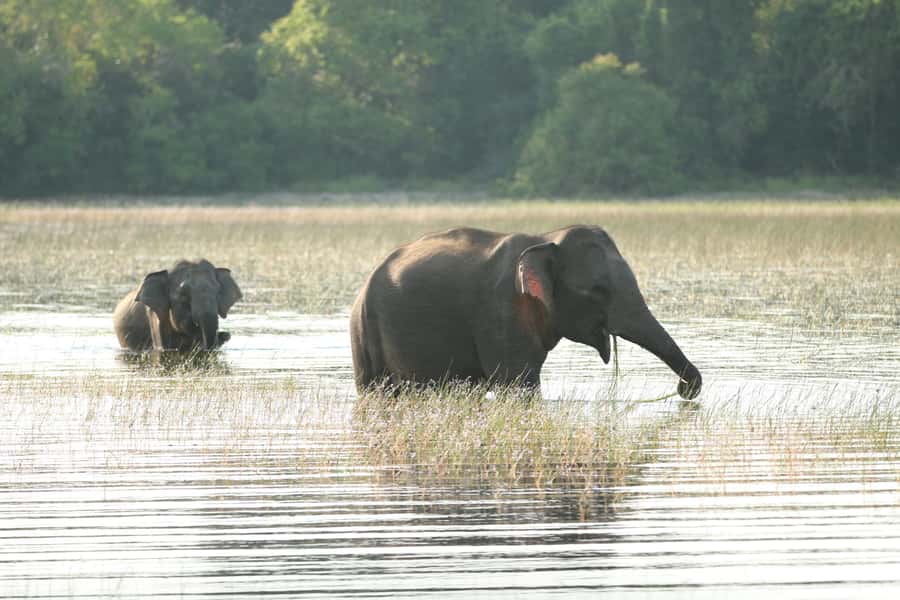
In the evening, the plan shifts to elephants. You’ll go out in a 4×4 safari at Minneriya, Kaudulla, or Hurulu Eco National Park, depending on elephant availability. That “which park?” detail is important because it affects your odds and your overall vibe—each park has its own feel, but the goal stays the same: spend dusk where elephants are active.
You sleep in Sigiriya, which is the smart base for doing Sigiriya Rock early the next morning.
Day 2: Sigiriya at sunrise, then Kandy dance and the Sacred Tooth Relic
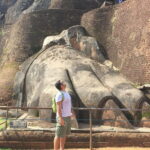
The day begins early for a reason. You’ll climb Sigiriya Rock before the sun gets too harsh, which makes a big difference for both comfort and photos. After the climb, you return for breakfast and then drive toward Kandy.
The route to Kandy includes a mix of classic stop types: Nalanda Gedige, a Mathale Spice garden visit, a Gem Museum and Workshop, and a Hindu temple stop. Think of these as cultural and craft breaks that break up long driving time while still staying on theme.
Once in Kandy, you get a city tour, then an evening performance: a traditional Kandyan Cultural Dance Performance and a visit to the Temple of the Sacred Tooth Relic. This is the moment in the trip where you see how Kandy-style ceremonies and temple culture fit together.
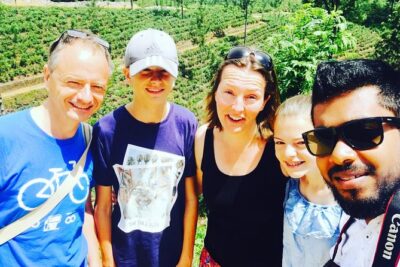
If you care about guidance, this is also where your driver matters. In past trips on this route, guides such as Asanka have been praised for being friendly, professional, and genuinely engaged—covering planned sights and adding context as you go.
Day 3: Peradeniya Royal Botanic Gardens and the tea-country arrival in Nuwara Eliya
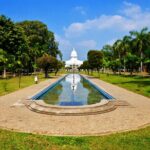
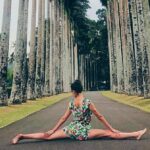
After breakfast, you head to Peradeniya Royal Botanical Gardens. It’s a good reset day because gardens give you variety after cave temples and rock climbs, without demanding a strenuous hike.
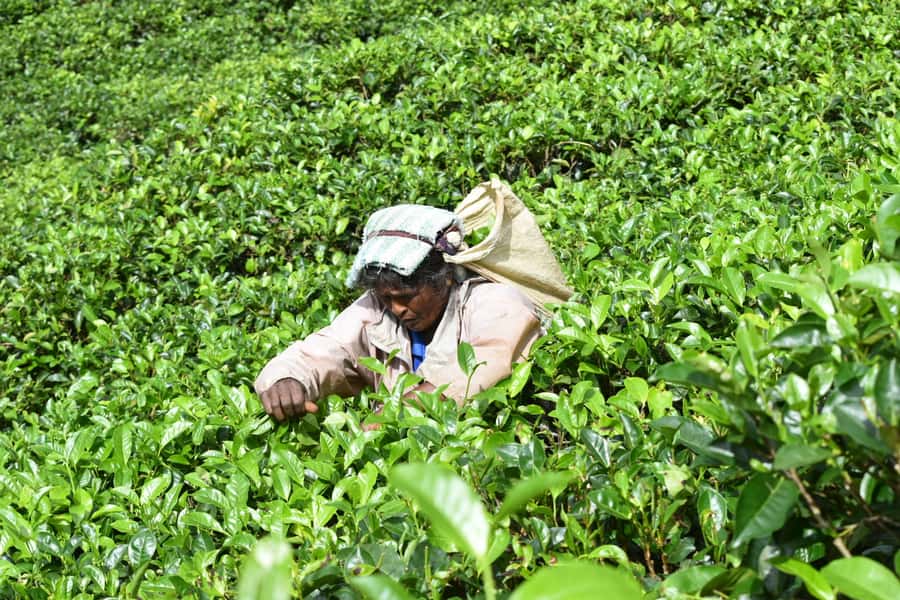
From there you continue to Nuwara Eliya. On the way you stop at Ramboda Falls, then you visit a tea plantation and a tea factory. These tea stops are more useful than they sound because you’re not just tasting—you’re learning how tea production fits the hills.
Once in town, you get a Nuwara Eliya city tour and an overnight in the hill-country air.
Practical note: Nuwara Eliya can feel cooler than the coast and even cooler than Colombo. Bring layers and comfortable walking shoes, especially if you’ll be outside for views.
Day 4: Gregory Lake, Victoria Park, and the 12:40 train ride to Ella
Day 4 keeps the “scenic movement” going. You visit Gregory Lake and Victoria Park Garden, then you transfer for the train ride to Ella. The timing given is after a 12:40 departure, which typically lines up with a comfortable midday transition.
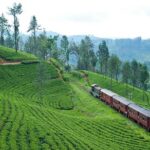
This train ride is one of the trip’s signature moments because it turns the journey itself into the attraction. You’ll have those classic hill-country views from the moving window, and Ella is the kind of base where the evening feels easier after the ride.
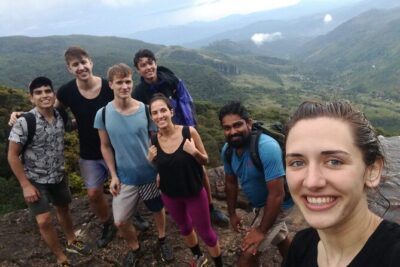
That evening, you climb Little Adam’s peak for views. It’s a shorter climb than the big-ticket peaks, but it still gets you that “I can see the whole area” payoff.
One more logistics reality check: the itinerary includes the train experience, but train tickets are not listed as included. You’ll want the operator to confirm how you’ll handle the ticket portion so you’re not scrambling at the station.

Day 5: Down to Tissamaharama with waterfalls and rock temples, then Yala after dark
You travel to Tissamaharama today, and you don’t go straight there. You stop at Rawana Waterfall and Buduruwagala Rock Temple along the way, which helps this day feel like more than just “transfer to safari.”
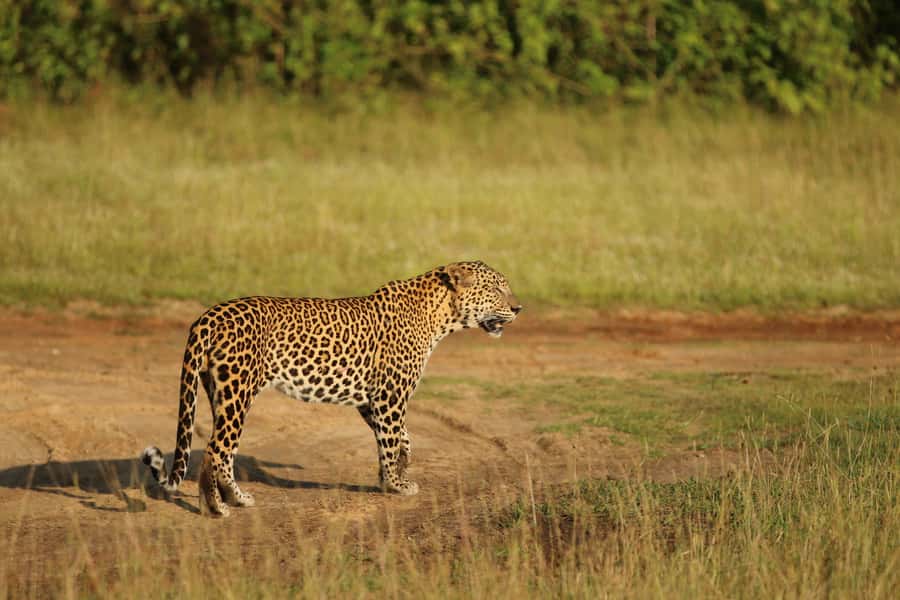
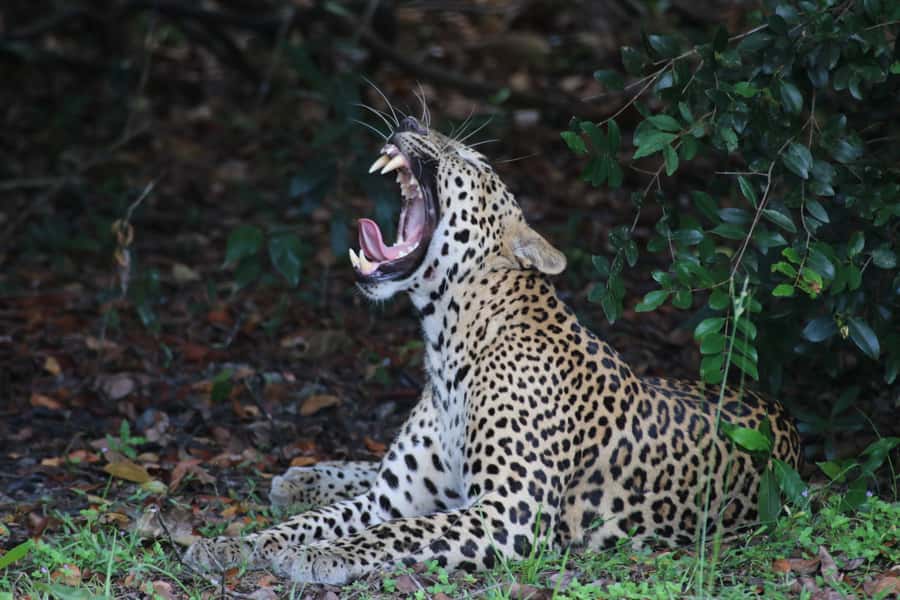
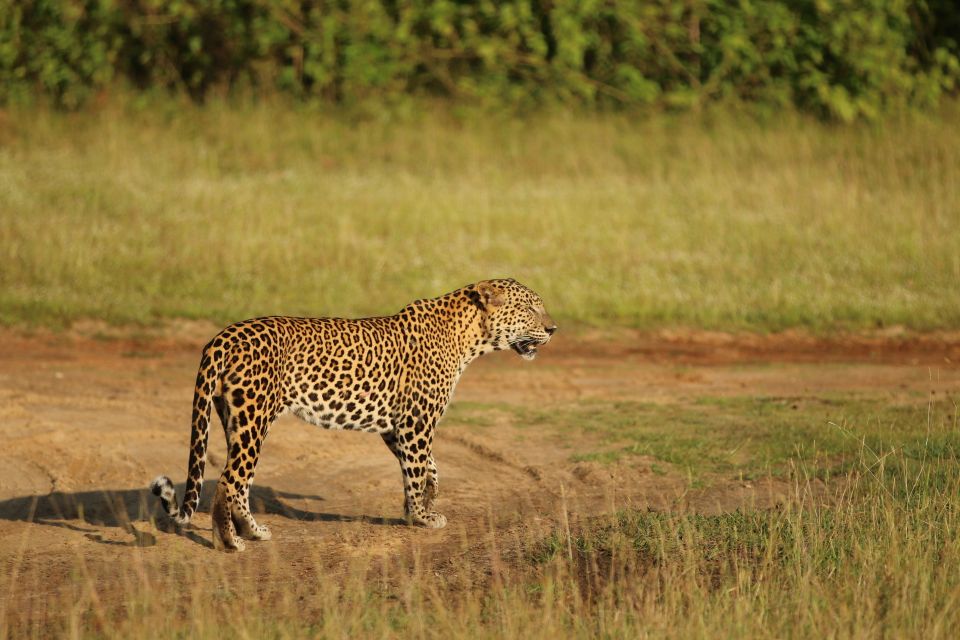
Then the evening becomes the main event. You do an evening 4×4 safari in Yala National Park. Yala is described as Sri Lanka’s most visited and second largest national park, and it also borders the Indian Ocean, which can add an extra sense of place to the safari—more than just forest.
This is the day you’ll likely remember most, even if wildlife is only partly predictable. Go into it with flexible expectations: the park is about animals first, but the real reward is the drive setup, the time of day, and the patience to watch.
Also remember: the tour includes the safari as an activity, but 4×4 jeep safari costs are not listed as included. You’ll want to clarify exactly what “included” covers and what you pay on the ground.
Day 6: Mirissa arrival, snake farm stop, and a slower beach evening
After breakfast, you head to Mirissa. On the way, you visit a snake farm. It’s a quick, very specific detour, and it’s not everyone’s favorite topic—but it’s at least a distinct stop that breaks up the travel rhythm.
Once you reach Mirissa, the plan is simple: evening leisure at the beach resort. This is your decompression day after the intensity of caves, hill country, and a full safari evening.
If you want a calmer trip, Mirissa is a good place to land. Keep your schedule light here; you’ll earn a better sleep before the morning whale watch.
Day 7: 6:30 AM blue whale watching, then turtles, Galle Fort, and Madu River boats
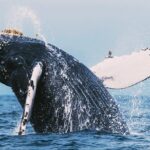
This is the early day. You’ll go whale watching from Mirissa at 6:30 AM, with a focus on blue whales. Then you return to the hotel for a reset before heading out for the next stretch of coastal culture.
You travel to Bentota and visit the Sea Turtle Hatchery & Rescue Center. After that, you continue to Galle Dutch Fort (Galle Fort) in the Bay of Galle. The fort is described as built first by the Portuguese in 1588, then heavily fortified by the Dutch from 1649 onward, which gives you an easy historical thread while you walk the walls.
Later, you take part in a Madu river boat safari. This adds a different style of seeing—more water travel, more slow scanning for wildlife and scenery along the river.
At the end of the day, the plan calls for leisure at the beach resort again, with an overnight back in the Mirissa area.
Day 8: Goodbye breakfast and transfer to Colombo or Negombo airport
On the final morning, you wake up for breakfast, check out, and then get transferred to Bandaranaike International Airport in Colombo or Negombo for your onward journey. This is where you’ll feel how full the trip has been—eight days sounds short until you add rock climbs, safaris, and long drives.
The upside is that the transfer timing is simple: there’s no extra “one last stop” pressure. You’re meant to leave with time to breathe, not rush across town.
Price and value: what you get for the $1,000 per group, and what to budget extra
The listed price is $1,000 per group, with the group size shown as up to 1. For many people, that makes this a private, single-party luxury-style package—especially since you’re getting a private A/C vehicle, chauffeur, airport meet-and-greet, and breakfast included.
What’s included that saves money and stress:
- Private air-conditioned transportation for 8 days
- English-speaking chauffeur through the end
- Airport parking/paging and meet-and-greet assistance
- City tours and sightseeing stops
- A/C rooms and breakfast
- Water bottle on arrival each day, plus a complimentary SIM card
What you should plan to pay separately:
- Lunch and dinner (not included)
- Entrance fees for music/site tickets
- Train tickets for the Ella ride (not included)
- 4×4 jeep safari costs for safaris (not included)
- Visa/flight items (not included)
So the value equation here depends on how your operator handles safari and entrance fees in practice. Before you book, ask for a clear estimate of:
- jeep safari charges for the two safari evenings
- the Ella train ticket cost
- major site/music entrance fees you’ll encounter
If you like wildlife and want everything guided and timed, this still can be good value. If you want a fully “paid-for-everything” trip, you’ll likely want to look for a version that bundles safari and train costs.
Hotels and comfort: A/C rooms, but don’t assume the same standard everywhere
The trip includes air-conditioned rooms, which is not small in Sri Lanka. After long driving days and outdoor tours, A/C helps you recover fast.
At the same time, one prior guest described some hotel nights as standard 2, saying it felt a bit limited. That doesn’t mean every place will feel the same, but it does suggest you should keep expectations practical. If you’re picky about bedding, bathroom quality, or quiet rooms, ask your operator which hotels they use for each night.
What I’d do: pack a basic travel sleep kit (earplugs, light snacks if you get hungry between lunch and dinner). You’ll be happier in any property.
Your guide: how a good driver turns a schedule into a story
This route is heavily guided by your chauffeur’s competence and personality. The itinerary is packed, so good routing and timing matter.
In earlier trips on this exact experience, guides like Asanka and Hasi were credited with making the difference. The common themes were being friendly, staying on time, and sharing stories that made stops feel more meaningful than a checklist.
If you get a guide who asks what you care about and adjusts the pace slightly, you’ll feel it immediately—especially on days that mix temple visits with craft stops, like the Gem Museum/Gem Workshop segment and the spice garden stop.
Who this tour fits best (and who should think twice)
This tour is a strong match if you want:
- wildlife time: elephant parks plus Yala
- a mix of culture and scenery: caves, temples, Kandy ceremony, tea country
- iconic travel moments: train to Ella and blue whale watching
- a private setup where you can move efficiently between regions
It’s less ideal if:
- you need a fully all-inclusive price (safaris, train ticket, and entrance fees aren’t listed as included)
- you dislike early mornings (Sigiriya and the 6:30 whale watch are not optional)
- you prefer zero long drives (you’ll be in the vehicle a lot)
Should you book this Sri Lanka 8-day round tour?
I’d book it if your top priorities are Sigiriya, elephants, Yala, and that clean “Sri Lanka sampler” mix of hill country and coast. The private chauffeur setup, the A/C transport, and the planned pacing are solid bones for an enjoyable first trip.
Before you commit, do three quick checks:
- Confirm exactly what the safari jeep fees are and what’s arranged in the parks.
- Get clarity on Ella train ticket handling.
- Ask for the expected entrance fees for the Temple of the Sacred Tooth Relic and any music/site ticket portions.
Also, if your plans might change, this experience lists free cancellation up to 24 hours in advance for a full refund. That gives you a little safety buffer while you iron out the extra-cost details.
FAQ
Which national parks are included for safari drives?
You’ll have a safari option in Minneriya, Kaudulla, or Hurulu Eco National Park on the first safari evening, depending on elephant availability. You’ll also do an evening 4×4 safari in Yala National Park.
Is the 4×4 jeep safari included in the price?
No. The itinerary includes 4×4 safari experiences, but 4×4 jeep is listed as not included.
Do I need tickets for the train ride to Ella?
Yes. Train tickets are not included. The schedule mentions a train ride to Ella after 12:40, but you’ll need to arrange the ticket separately.
What’s included with breakfast?
The meal plan includes breakfast each morning. Lunch and dinner are not included.
Are entrance fees included for sites and music performances?
No. Entrance fees for music/site tickets are listed as not included.
Where do the whale watching and turtle activities happen?
Blue whale watching is from Mirissa at 6:30 AM. The Sea Turtle Hatchery & Rescue Center is visited later in the Bentota area.
What historical sites and fort areas are part of the coastal day?
You’ll visit Galle Dutch Fort (Galle Fort), described as starting under Portuguese construction in 1588 and later fortified by the Dutch from 1649 onward.
How do pickup and airport transfers work?
Pickup is included, and if pickup is from the airport, the driver holds a sign with your last name. On the last day, you’re transferred to Bandaranaike International Airport in Colombo or Negombo.
Can the tour handle different food preferences?
Yes. The tour mentions arranging foods for North Indian, halal, veg, non-veg, and Jain.
If you tell me your travel month and whether you want the most reliable elephant odds or the most comfortable hotel standard, I can suggest the smartest way to prioritize safari timing and extra-cost budgeting.