Galle Fort is the kind of place that rewards a slow walk. This 1.5-hour guided circuit takes you along ramparts and through narrow old-town streets with a licensed national guide, local to the area, and well educated in tourism—so you get context, not just postcard facts. The tour is led by Madawa, whose English is strong and whose explanations bring together Galle Fort and wider Sri Lanka history.
I especially like the way the route mixes major sights with practical details: the ramparts viewpoints, the Dutch Reformed Church, the Court Square area, and the Dutch Hospital stop aren’t treated like random highlights. My other favorite part is how smoothly the guide answers questions as you go—history, geography, even politics—so the walking feels like a conversation, not a lecture. One thing to consider: it’s not suitable for wheelchair users, and it involves walking on streets and fort paths, so you’ll want comfortable shoes and a bit of stamina.
In This Review
- Key highlights at a glance
- Why a guided walk matters inside Galle Fort
- Meeting at the Galle Fort clock tower: getting oriented fast
- Ramparts, viewpoints, and the 17th-century Dutch fortress story
- Dutch Reformed Church and Court Square: old buildings with modern roles
- Dutch Hospital and the lighthouse remnants: dramatic engineering, explained
- Narrow streets to the colonial-house finish at Pedlar’s Inn
- Price and value: what $15 buys you in Galle
- Pacing, language, and how the tour feels on the ground
- Who should book this walk, and who should skip it
- Should you book the Galle Fort guided walking tour with a local?
- FAQ
- Where is the meeting point?
- How long is the tour?
- How much does it cost?
- Is the tour in English?
- Is king coconut included?
- What are some of the main places you visit?
- Where does the tour end?
- Is the tour good for people who use wheelchairs?
- Is it suitable for babies?
- Can I cancel and get a refund?
Key highlights at a glance
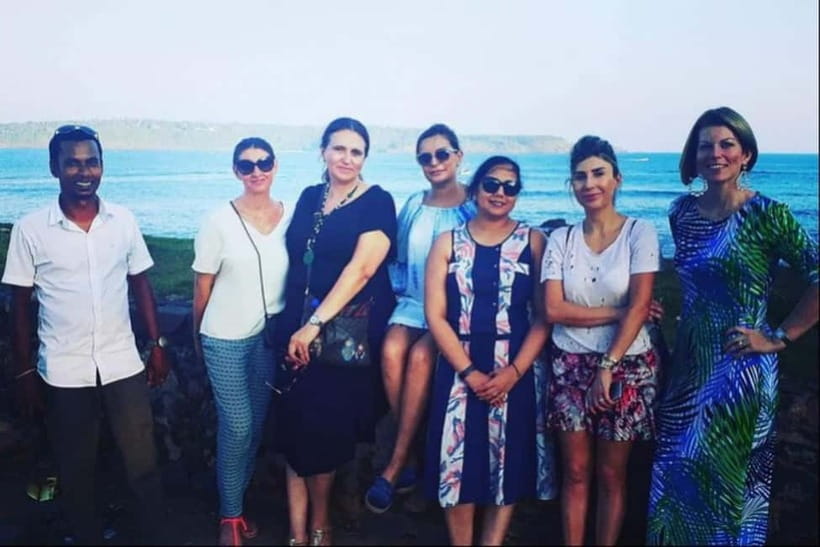
- Madawa’s English and delivery make the whole fortress story easy to follow
- Dutch fort structure, explained clearly as you move from ramparts to streets
- Church, Court Square, and Dutch Hospital stops show how colonial buildings are used today
- Lighthouse remnants and Flag Rock Bastion add a dramatic, scenic ending stretch
- Ends at Pedlar’s Inn Cafe and Restaurant in a colonial setting over 250 years old
Why a guided walk matters inside Galle Fort
Galle Fort looks straightforward on a map: walls, bastions, a few big buildings, then charming streets. In real life, the place is layered. The Dutch built and shaped a strong trading-era defense, then later life absorbed those structures in ways that are easy to miss if you’re just wandering.
That’s where this tour earns its value. With a licensed national guide who’s a local resident and holds a master’s degree in tourism, you’re not stuck trying to figure out what you’re looking at. You get the why behind the walls—trade, defense, and how the colonial footprint connects to Sri Lanka today. It also helps that Madawa has a habit of turning questions back on you in a good way. You’re free to ask, and you’ll get answers while you’re still standing in the exact spot the story refers to.
The other reason I like this approach is pacing. At about 1.5 hours, you’re moving enough to feel the place in motion, but not so long that you lose focus or need to rush between stops. It’s also a smart choice if you’ve got other Galle plans and still want a solid “foundation” of the fort and its role in Sri Lanka.
You can also read our reviews of more tours and experiences in Galle.

Meeting at the Galle Fort clock tower: getting oriented fast
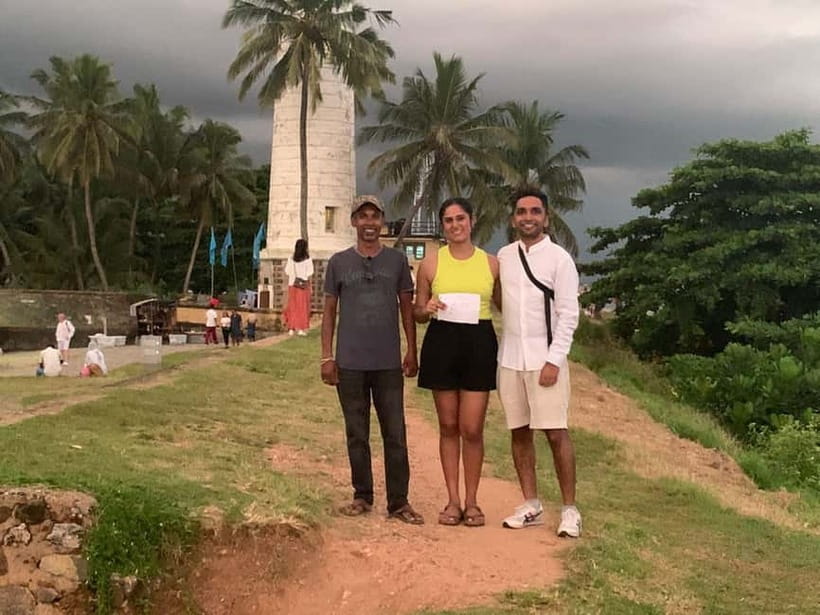
The tour starts at the Basement of the Galle Fort Clock Tower, with the walk beginning after a quick meet-up time at the tower area. In practical terms, this is great because clock towers are natural anchors: once you know where you are relative to the walls and main paths, everything else becomes easier.
You’ll get an initial explanation of the area and history before the walking really expands. Think of this as your orientation packet, delivered in person. Instead of reading signs later and guessing, you begin with a framework—what the Dutch built here, why it mattered, and how the fort’s layout connects to the streets inside.
And because this is an actively guided walk (not a self-guided route), you can ask immediate questions. If something doesn’t make sense visually—an odd angle of a street, a defensive wall feature, a building function—you’re not waiting. You’ll be told as you pass it.
Ramparts, viewpoints, and the 17th-century Dutch fortress story

Your first “big” experience comes from walking up and along the ramparts. This is the part where Galle Fort clicks into focus. From the walls and viewpoints, the fort stops being a pile of old stone and becomes a designed system: movement, visibility, defense, and trade routes all hinted at through the fort’s placement.
The route includes a viewpoint stop for a short guided moment, then a fuller walk through the fort itself. Expect explanations tied to what you can see in front of you. The guide doesn’t just name buildings; you’ll hear how the fort’s Dutch features fit into the bigger Sri Lanka story.
A small but important benefit here: rampart walking helps you understand scale. The walls don’t feel like backdrops. They feel like structure—thick, purposeful, and built to last. Even if you’re not a “fort person,” the ramparts give you instant context for why the town grew the way it did.
Dutch Reformed Church and Court Square: old buildings with modern roles
Once you move deeper into the fort and nearby old-town pockets, you’ll start noticing that colonial-era buildings don’t sit frozen in time. They’re part of daily life now—used, visited, repaired, and reinterpreted.
A key stop is the Dutch Reformed Church. You’ll get an explanation that connects the church to the broader Dutch presence and what those religious buildings represented in that era. This works well in guided format because places of worship can be visually striking but historically vague if you’re doing it alone.
Next comes Court Square, which is a different kind of stop. Squares tell you about power and movement: where people gathered, where decisions happened, where local life intersected with colonial administration. In your walk, it’s treated as more than an open area. It’s explained as part of how the fort functioned—socially and politically—then how that legacy continues.
This is also where Madawa’s approach really pays off. He’s known for mixing history with practical today context and answering questions as you go. If you’re curious about how colonial systems worked, or how Sri Lanka’s history connects to geography and economics, this section is where those threads start to feel real rather than abstract.
Dutch Hospital and the lighthouse remnants: dramatic engineering, explained
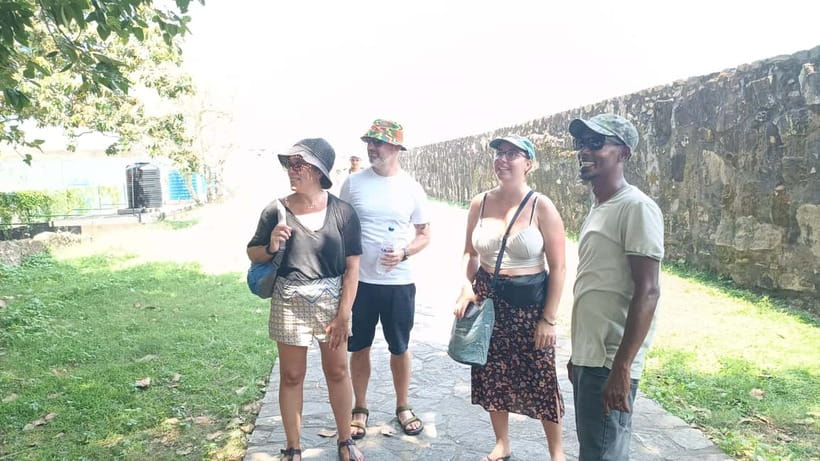
One of the most memorable parts of the walk is the stretch that moves from major buildings toward the waterfront-side history: the Dutch Hospital, the old lighthouse area, and the remaining fort features around the lighthouse.
The Dutch Hospital stop matters because it’s not just about architecture. You’ll learn the history of the place and how it was made—useful detail when you’re trying to visualize the Dutch approach to engineering and long-term infrastructure. Hospitals are also good “teaching moments” because they connect to the human side of history: planning for care, movement of people, and the reality of living in a fortified place.
Then you move toward the lighthouse area. The walk includes seeing the lighthouse, and you’ll also visit the Flag Rock Bastion, along with remaining parts of the old lighthouse. Even if you’ve seen lighthouse photos before, the guided version adds something: you understand why those structures were placed where they were and what role they played in a trading and coastal defense environment.
If you like photos, this is your zone. The views and fort walls create natural framing. But even if you’re not into photography, this section is worth it because it connects the defensive fort logic to the coastline and navigation—why the fort needed to manage what came in and out.






Narrow streets to the colonial-house finish at Pedlar’s Inn
After the main fort and lighthouse-side exploration, you shift into the quieter, more human parts of the experience. The route includes narrow streets, which can feel like a maze if you’re solo. Guided walking helps you notice turns and connections so you don’t spend time retracing steps or guessing where the group is headed next.
The tour ends at Pedlar’s Inn Cafe and Restaurant, but it’s more than just a drop-off. You’re finishing in a colonial house setting that’s described as more than 250 years old. That’s a nice tonal shift: you go from ramparts and bastions back into everyday old-town atmosphere.
There’s also a small refreshment component. You may receive king coconut on availability, which gives you a quick local break while you wrap up the story you’ve been walking through. A lot of people like having that pause, because it turns the tour into an experience you can feel in your body—light fatigue, cool drink, then a final look back at what you saw.
Price and value: what $15 buys you in Galle
At $15 per person for about 1.5 hours, this tour is priced like a practical add-on rather than a luxury activity. The value comes from what’s included: a licensed national tour guide in English, explanations that connect Galle Fort to Sri Lanka, and a route that covers both major structures and smaller context points.
Here’s the honest way to think about it: if you’re going to spend time inside Galle Fort anyway, a guide reduces the wasted time you’d otherwise spend trying to interpret buildings with limited information. You also avoid the common problem of seeing a lot of “stuff” without knowing what it means. This route is designed to teach while you walk.
And because the guide is active in answering questions—history, politics, geography, and more—you’re not paying just for facts. You’re paying for real-time interpretation. That’s the kind of value that feels stronger as the tour goes on.
Pacing, language, and how the tour feels on the ground
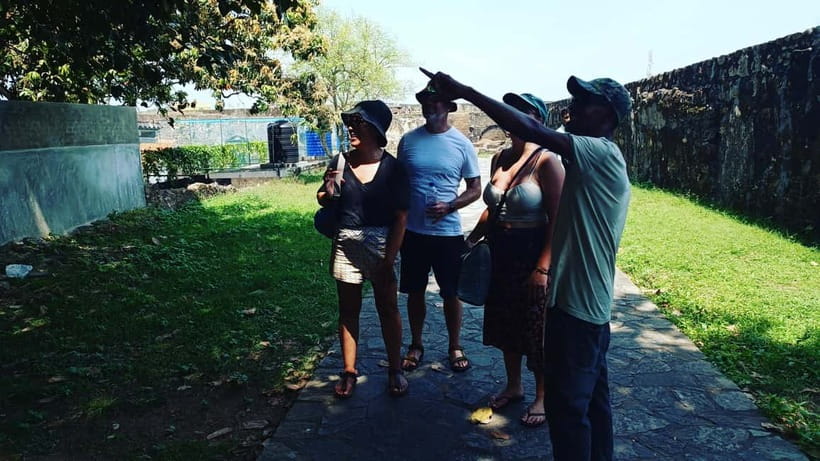
This is a leisurely walk with a steady pace. The rhythm matters. Too fast and you only catch glimpses; too slow and you start to get bored. Here, the approach seems to focus on steady movement and clear explanations at each stop.
The tour is conducted in English, and Madawa’s command of the language is repeatedly praised. That’s important in Sri Lanka because even when signage exists, it often doesn’t cover the depth you want. With a strong English guide, you don’t lose nuance.
There’s also a social feel. The best thing about this tour format is that your questions don’t have to wait until the end. If something sparks your curiosity—why a building exists, how the Dutch influenced the area, or how Sri Lanka’s past shaped present life—you’ll be able to ask while the context is fresh.
Who should book this walk, and who should skip it
You’ll probably be happy with this tour if you want:
- A guided, structured route inside Galle Fort rather than aimless wandering
- Clear explanations of Dutch-era buildings like the Dutch Reformed Church and Dutch Hospital
- Lighthouse-side history and fort-bastion viewpoints in one compact walk
- A guide who will answer questions and not just recite a script
You might want to skip it if you:
- Use a wheelchair (it’s not suitable for wheelchair users)
- Are traveling with babies under 1 year (not suitable)
If you’re otherwise generally mobile, it’s a smart way to get oriented quickly. Comfortable shoes are worth it because you’ll be walking ramparts and narrow streets.
Should you book the Galle Fort guided walking tour with a local?
Yes, if your goal is to understand what you’re seeing. This is a solid choice for first-timers to Galle Fort who want the “why” behind the walls and buildings, not just a list of sights. The guide’s education background, excellent English, and willingness to answer questions make it feel more like a conversation with a local expert than a basic tour.
Book it especially if you’re short on time. In about 1.5 hours, you cover ramparts, viewpoints, major Dutch-era landmarks, lighthouse remnants, and you finish at Pedlar’s Inn in a historic house setting. That mix of sights plus interpretation is exactly what you want when you’re trying to get value without turning your day into a marathon.
If you already know a lot about Dutch fortifications and just want scenery with minimal talking, you might find it more “explanation-forward” than you prefer. But for most visitors, that guidance is what turns Galle Fort from pretty to meaningful.
FAQ
Where is the meeting point?
You meet at the Basement of the Galle Fort Clock Tower.
How long is the tour?
The duration is 1.5 hours.
How much does it cost?
The price is $15 per person.
Is the tour in English?
Yes, the live tour guide speaks English.
Is king coconut included?
Refreshments of king coconut are included on availability.
What are some of the main places you visit?
You’ll see Galle Fort ramparts and streets, the Dutch Reformed Church, Court Square, the Dutch Hospital, the lighthouse area, and Flag Rock Bastion, plus you’ll walk through narrow streets and finish at Pedlar’s Inn.
Where does the tour end?
The tour ends at Pedlar’s Inn Cafe and Restaurant, described as being in a colonial house more than 250 years old.
Is the tour good for people who use wheelchairs?
No, it’s not suitable for wheelchair users.
Is it suitable for babies?
No, it’s not suitable for babies under 1 year.
Can I cancel and get a refund?
Yes. There’s free cancellation up to 24 hours in advance for a full refund.