Old stones can talk fast when you have a certified guide. This Galle Fort Heritage Walk is designed to help you connect landmarks to the real trade, religion, and power struggles that shaped the fort and its port.
I love two things most: first, the chance to ask questions freely and get clear, direct answers as you move along. Second, I like the practical way the tour layers in meaning, from a fort lighthouse story to export routes that explain why this place mattered so much.
One watch-out: it’s a focused walking tour that runs about 2 to 2 hours 20 minutes, and it doesn’t include private transportation, so you’ll want to plan how you’ll get to Galle Fort before you start.
In This Review
- Key takeaways before you go
- Walking Galle Fort with a Certified Heritage Interpreter
- Price and value: is $45 fair?
- Stop 1: Black Fort and the colonial trade machine
- Stop 2: The Galle Fort Lighthouse story of loss
- Stop 3: Old Town of Galle and fortifications around Queen Victoria
- Stop 4: Dutch Reformed Church and the 50+ year build
- Stop 5: Clock Tower, UNESCO, and the port as a hub
- Stop 6: Galle Dutch Fort streets and planning logic
- Stop 7: Courts Square exports—goods, gems, and herbs
- Special access: private museum entry and the hidden gun powder magazine
- The pace, the walking reality, and who this tour suits
- Learning, Q&A, and how guides shape the experience
- Getting there and what to plan around
- Should you book the Galle Fort Heritage Walk?
- FAQ
- How long is the Galle Fort Heritage Walk?
- Is this tour private or shared?
- How much does the tour cost?
- What’s included in the $45 ticket?
- Are admission tickets included for the main stops?
- How does cancellation work?
- Is it easy to reach without private transportation?
Key takeaways before you go
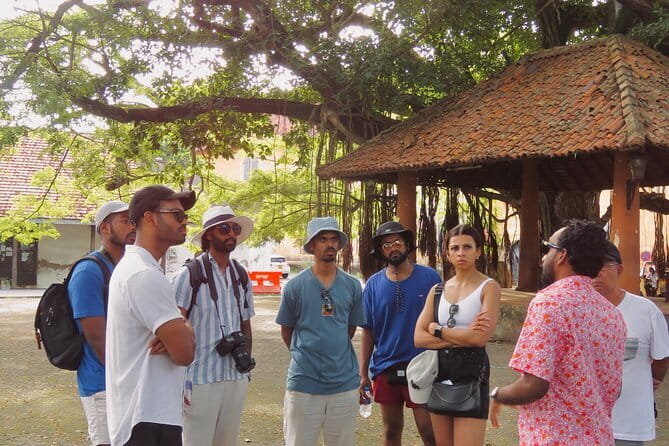
- Certified heritage interpreter gives you context beyond signs and guidebook blurbs
- Private format means only your group walks the route together
- Special access includes a hidden gun powder magazine and entry to a private museum
- UNESCO-ready perspective ties the fort’s layout to colonial-era port life
- Admission tickets included for the main stops means fewer ticket hunts while walking
Walking Galle Fort with a Certified Heritage Interpreter
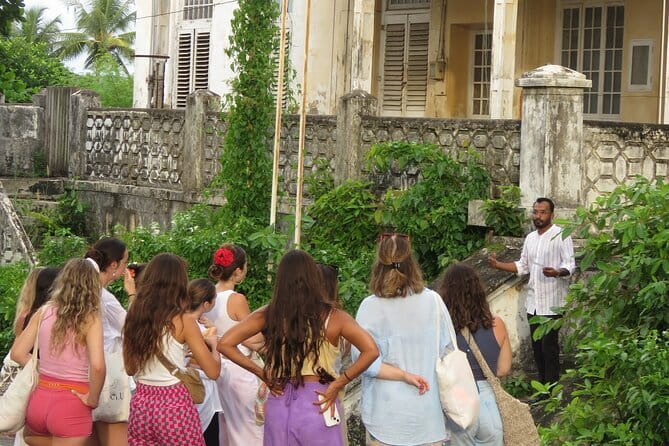
Galle Fort is a UNESCO World Heritage Site for a reason, but the reasons are easy to miss if you only do a self-guided loop. A good interpreter turns the same walls you’ve seen in photos into an actual story of commerce, defense, and culture.
What you’re paying for here is not just a route. You’re paying for interpretation—someone who can connect the dots while your feet keep moving. That matters because Galle Fort can feel like a maze at first. With a guide, it starts to make sense: which buildings represent authority, which spaces show trade power, and where the defensive design reveals fear as much as engineering skill.
The tour also feels interactive. You’re not stuck listening for long stretches. You can ask questions and bring your own interests, whether you care more about religion, colonial history, or how a fort community organized daily life.
You can also read our reviews of more tours and experiences in Galle.

Price and value: is $45 fair?
At $45 per person, this is not a budget “see a few sights” tour. But you do get meaningful value for that money.
Here’s why the price makes sense based on what’s included:
- All fees and taxes are covered
- Licensed guide leads the whole walk
- You get entry to a private museum
- You also get access to see the hidden gun powder magazine
- Admission tickets are included for multiple stops
Add it up and it becomes less like paying for footsteps and more like paying for guided access and storytelling. If you’ve ever paid separate entrance fees and then realized the information came from a tiny sign, you’ll appreciate what you’re getting here.
The main tradeoff is that you’re still walking. It’s not a car tour where you sit back and let someone else do the navigating.
Stop 1: Black Fort and the colonial trade machine
Your walk begins at Black Fort, tied to the era when this area functioned as Asia’s largest trading hub during the colonial period. The big idea you should take away here is that Galle Fort wasn’t only about defense. It was also about logistics—ships arriving, goods moving, and people interacting in ways that reshaped culture.
Even if you don’t memorize names and dates, you’ll start noticing how the fort’s layout reflects trade priorities. That’s the interpreter’s job: turning “this is a fort” into “this is a port brain with defenses attached.”
A practical consideration: the first stop sets the tone, so wear shoes you’re comfortable walking in. You’ll likely want to pause, look, and listen—then be ready to move on without too much delay.
Stop 2: The Galle Fort Lighthouse story of loss

Next is the Galle Fort Lighthouse, where the key story involves how Asia’s first lighthouse was tragically burned down. Stories like this do more than add drama. They explain how maritime power could vanish quickly when conflict hit.
When you stand near a lighthouse, it’s easy to think of it as a simple navigation tool. But in this setting, it’s a symbol of how much effort went into guiding ships—and how a single event could disrupt an entire port rhythm.
This stop is relatively short in the overall plan, so you’ll get the essentials rather than getting stuck in one spot. If you love lighthouse history, you may want to keep your questions ready, because you’ll be trading time for momentum.
Stop 3: Old Town of Galle and fortifications around Queen Victoria

Then you shift into the Old Town of Galle and its fortifications, including an opportunity to explore Queen Victoria’s palace area. This is a key moment because it shows how colonial power left physical marks on daily space.
The value here is the way the tour connects fortifications to the people who lived with them. You’re not just seeing “walls.” You’re understanding why authority chose this style of architecture and layout, and how it fit into the colonial worldview at the time.
One thing to keep in mind: when you’re around historic palace areas, it’s tempting to zoom in on one photo spot and rush. Instead, take a step back when your guide points out defensive or urban-planning cues. Those cues are what make this stop feel different from a casual stroll.






Stop 4: Dutch Reformed Church and the 50+ year build

At the Dutch Reformed Church, you’ll hear why construction took over 50 years. That detail matters because it signals that the fort wasn’t just built quickly in an emergency. It was built carefully, over time, with resources and priorities that kept shifting.
This is also where religion enters the story in a clear way. The fort may look military from afar, but religious institutions were part of control and community building. The interpreter’s framing helps you see the church not just as architecture but as an institution tied to the social structure of the colony.
This is a shorter stop, so don’t expect a long lecture. Think of it as a focused snapshot: one building, one timeline, and the reason behind the slow pace.
Stop 5: Clock Tower, UNESCO, and the port as a hub

Next comes the Galle Fort Clock Tower, a stop that focuses on why the fortress was designated a UNESCO World Heritage Site and why the port served as a key hub during the colonial era. This is where the tour starts to feel like a “why it matters” wrap-around, not just a list of sights.
The clock tower works well as a storytelling anchor because it’s about time and coordination. Ports run on schedules. Ships arrive. Goods depart. Officials manage movement. Even if your guide doesn’t turn it into a lesson on maritime economics, the point lands.
If you’ve ever wondered how a fort became a global gateway rather than a dead-end stronghold, this is the stop that helps you connect that dots quickly.
Stop 6: Galle Dutch Fort streets and planning logic

Then you move into Galle Dutch Fort, where the tour focuses on the intricate planning of this small village within the fortress and the purpose behind each street. This part is one of the most satisfying if you like “how places work.”
You’ll get a chance to see how the fort layout shapes movement—where people likely needed access, where space needed to stay open, and how streets could reflect defense concerns as much as convenience. It’s like reading a map in real life.
The potential drawback here is attention: this stop can feel less dramatic than a church or lighthouse. If you’re the type who needs bigger visual landmarks, you’ll still enjoy it, but you’ll get more out of it if you actively watch what your guide points out about street purpose.
Stop 7: Courts Square exports—goods, gems, and herbs

Finally, you finish with Courts Square in Galle, with stories about vast quantities of goods, gems, and herbs exported from Sri Lanka. This is a great ending because it brings the whole tour full circle: fortifications and churches matter, but the port trade is what made the system economically real.
Exports explain the need for warehouses, authority, and navigation aids. They also connect this small city to faraway markets. You’ll leave with a clearer sense of how Galle Fort functioned in the wider world.
This last stop is short, so use it to ask your remaining questions. If there was a theme you liked most—religion, defense, or trade—this is a good moment to confirm what it all means.
Special access: private museum entry and the hidden gun powder magazine
Two parts of this tour are worth highlighting because they go beyond the typical “walk past and read” experience.
First, you get entry to a private museum. In a place like Galle Fort, museum time can either feel rushed or feel like it’s trying to cover everything at once. Here, you’re not forced into museum overload. You’re seeing it as a piece of the walking story.
Second, you get access to see the hidden gun powder magazine. This is the kind of detail that makes a guided tour feel like more than just explanation—it gives you a look at how defense stockpiles fit into the fort’s functioning.
If you’re the type who likes tangible, slightly lesser-known structures, this is likely the moment you’ll remember most.
The pace, the walking reality, and who this tour suits
The walk runs about 2 hours to 2 hours 20 minutes, so it’s long enough to cover major highlights but short enough that you won’t waste half a day. It’s private for your group, which tends to make the pace feel more natural. You can ask questions without feeling like you’re holding up a large tour group.
A tour like this works especially well if:
- You want context without doing multiple museum visits
- You like history tied to real places, not just dates
- You’re visiting for a short stay and want the highlights in one go
- You enjoy asking questions and adjusting the route’s focus slightly
If you’re hoping for a car-free, all-day hike with lots of free time at each site, this might feel a little structured. The best strategy is to treat it like a guided “orientation to Galle Fort”—then use any remaining time afterward for slower wandering on your own.
Learning, Q&A, and how guides shape the experience
This is where the personal side matters. In past experiences with this tour, guides like Yasiru have been praised for offering detailed answers and for not turning the walk into a shopping detour. That kind of approach keeps your time focused on Galle Fort itself.
Other guides, like Epsa, have been described as patient and informative, with an unhurried tone that makes it easier to ask questions at your own speed. Even if your interests shift mid-walk—say you suddenly want more about trade, or you care more about how the fort streets worked—the guide can usually help you steer the conversation.
The practical takeaway for you: bring a few questions, even simple ones. Where did the goods go after they were exported? What did the fort’s layout prioritize? Why did the lighthouse story matter in that era? Your guide can use those questions to build a clearer picture.
Getting there and what to plan around
This tour doesn’t include private transportation, so you’ll want to arrange your own way to the fort area. The good news is that it’s near public transportation, so it’s not a car-only plan.
Also, you’ll use a mobile ticket, which makes it easier to stay organized on a day when you might be juggling photos, cash, and small purchases elsewhere in town.
Service animals are allowed, and the tour is marked as suitable for most travelers. If you’re unsure about your walking comfort, consider that the schedule includes multiple stops spread across the fort area.
Should you book the Galle Fort Heritage Walk?
I’d book this if you want your time in Galle Fort to come with meaning, not just scenery. The certified heritage interpreter, the freedom to ask questions, and the special access to the private museum and hidden gun powder magazine are the big reasons this feels like good value.
Skip it only if you strongly prefer unguided time, want a long sit-down museum schedule, or you don’t want to do any planning for getting yourself to the meeting area since private transport isn’t included.
FAQ
How long is the Galle Fort Heritage Walk?
It runs about 2 hours to 2 hours 20 minutes.
Is this tour private or shared?
This is a private tour/activity, so only your group participates.
How much does the tour cost?
The price is $45.00 per person.
What’s included in the $45 ticket?
It includes all fees and taxes, a licensed guide, entry to a private museum, and access to see the hidden gun powder magazine.
Are admission tickets included for the main stops?
Yes, admission tickets are included for each of the listed stops.
How does cancellation work?
Free cancellation is available. You can cancel up to 24 hours in advance for a full refund.
Is it easy to reach without private transportation?
Yes. The tour is near public transportation, and private transportation is not included. Service animals are allowed.