Your curry starts with shopping.
This Sri Lankan cooking class in Mirissa begins with fresh ingredient shopping, guided by Nona and Indra, so you understand what you’re buying and why it matters for flavor. I love the market-to-kitchen rhythm, and I also like how hands-on it feels from the first steps to the last simmer.
I also like that you choose four dishes from a clear menu (curries, dry veg dishes, and coconut sambol), and the meal comes together with rice and crispy papadams. The one drawback: there’s a minimum of two people, so solo booking isn’t available.
In This Review
- Key Highlights You’ll Care About
- From Indra Restaurant to the Market With Nona and Indra
- Picking Four Dishes From the Sri Lankan Menu
- The Kitchen and Garden Setup: Relaxed, Practical, Family Style
- How the Class Really Teaches Sri Lankan Rice and Curry
- What You’ll Eat: Rice, Crispy Papadams, and Your Own Curry Spread
- Price and Value: Why $30 Makes Sense Here
- Timing and Logistics That Make It Easy to Fit In
- Who This Cooking Class Is Best For
- Should You Book This Sri Lankan Cooking Class in Mirissa?
- FAQ
- Where is the meeting point?
- What time does it start, and how long is the class?
- How many people are in the group?
- Can I book if I’m traveling alone?
- How many dishes can I cook, and what options are available?
- What do you eat during the class?
- Is it refundable if I need to cancel?
Key Highlights You’ll Care About
- Market shopping first: you pick ingredients at the start, then cook what you bought
- Small group size (max 6): more attention, less waiting around
- Choose four dishes: build your own mix of curries, veg dishes, and sides
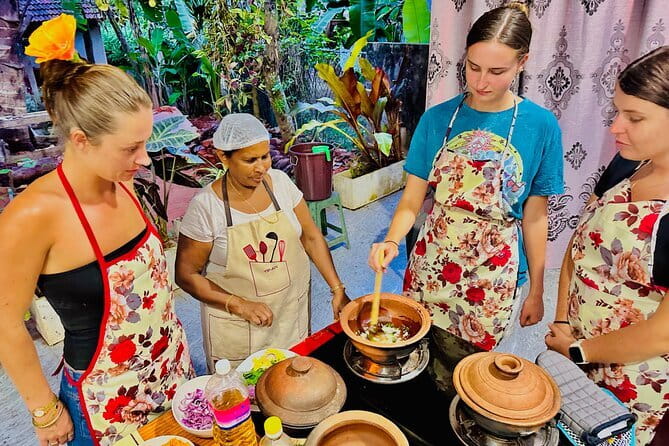
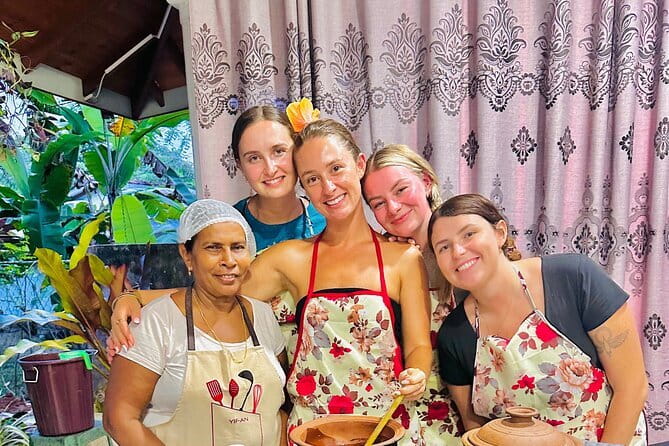
- Family-run kitchen and garden: relaxed setting with an outdoor cooking space
- Hands-on instruction: you’re not just watching; you actively cook and get feedback
From Indra Restaurant to the Market With Nona and Indra
The experience starts at Indra Restaurant in Mirissa, with a 4:00 pm start time. Plan for a short walk or quick ride to the meeting point; the area is near public transportation, which makes it easier to slot into an afternoon.
The first big thing you do is shop for fresh ingredients. This is more than a formality. It sets the tone for the whole class because Sri Lankan cooking is deeply tied to what’s in season, and your instructors explain the flavors and origins of what you select.
Nona and Indra guide the shopping, and the class feels like you’ve been invited into a family routine rather than sent into a classroom. In many cooking classes, you’re handed a recipe and told to follow it. Here, you start with choices and context, which makes everything taste more grounded once you’re cooking.
You can also read our reviews of more tours and experiences in Galle.


Picking Four Dishes From the Sri Lankan Menu
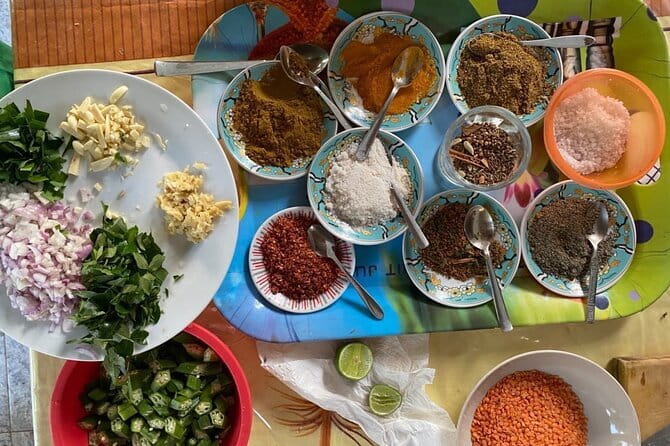
You’ll cook about four options from the list, with the flexibility to choose other vegetables available that day. This is a key value point: instead of one “default” menu, you get to shape your own meal around what you actually want to learn.
Here’s what’s on the standard menu:
- Chicken or Fish Curry
- Dhal/Lentils Curry
- Pumpkin Curry
- Green Beans Curry
- Aubergine Fry
- Green Leaf Salad / Stir Fry
- Mushrooms Dry Curry
- Potato Curry
- Okra/Lady Fingers Dry Curry
- Coconut Sambol
A practical tip: if you’re new to Sri Lankan flavors, I’d lean toward one curry (like chicken/fish curry or lentils curry), one vegetable curry, and one side like coconut sambol. That combo helps you understand the “shape” of the meal: sauce and spice on one side, fresh or dry contrast on the other.
If you’re more experienced with curry cooking, you can still keep it fun by choosing dishes that show variety—like pairing a curry with a dry-style veg dish. The class style makes that easier because you’re working with guided instruction and you’re in a shared kitchen environment.
The Kitchen and Garden Setup: Relaxed, Practical, Family Style
After shopping, you head into the kitchen and garden area. The outdoor cooking space is part of the charm; it keeps the class from feeling cramped, and the overall vibe is relaxed and friendly.
What I like about this setup is that it doesn’t require special cooking talent. The teaching approach is interactive and hands-on, meaning you’re doing real steps—prepping, combining, stirring, and adjusting—rather than just standing nearby.
Because the group is capped at 6 people, the instructors can actually watch what you’re doing and help in real time. That matters when you’re learning how Sri Lankan rice and curry work, since small tweaks—like thickness, seasoning balance, and timing—make the difference between okay and excellent.
Also, this is a comfortable activity for pairing with a stay in the Galle/Mirissa area. It’s located not far from the town centre, so you’re not spending half the day commuting just to cook dinner.
How the Class Really Teaches Sri Lankan Rice and Curry
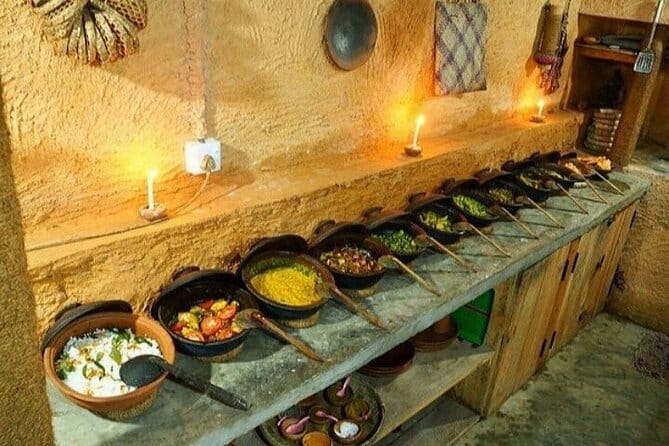
The headline promise is “the secrets to perfect rice and curry,” and that’s exactly what this class focuses on: the technique behind the familiar comfort food.
Here’s what that means in practice:
- You learn the basics of rice so it turns out right in texture, not just in timing
- You learn curry-building principles so the final dish tastes cohesive, not like a list of spices
- You work in stages: prepping ingredients, seasoning, cooking down, and getting the right consistency
The instructors explain things clearly, including the technical details behind what you’re making. That’s a big deal because Sri Lankan cooking often uses a blend of spice flavors that can seem subtle on paper. When you’re mixing and tasting as you go, you start understanding how those flavors work together.
And because you’re cooking alongside the hosts, the class avoids the common problem where everyone gets the same generic explanation but no guidance. With a small group, you can ask questions and get feedback right when you need it.
What You’ll Eat: Rice, Crispy Papadams, and Your Own Curry Spread
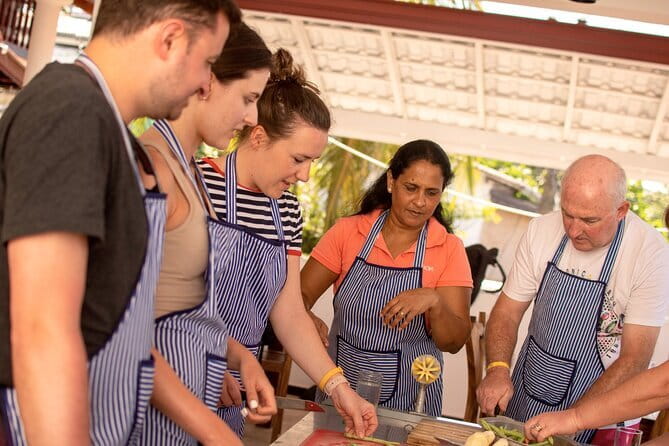
Your finished meal isn’t one tiny dish. Everything you cook gets served with a generous portion of rice plus crispy papadams. That matters because papadams are part of the classic rhythm of the meal—crunch against soft curry and rice.
You’ll end up with a spread that feels complete: curry and veg options plus coconut sambol if you pick it. Even if you choose different dishes, the structure stays the same. You’ll have something saucy, something cooked with veg or lentils, and something bright or textured that keeps each bite interesting.
This is also why choosing four dishes is such a good plan. You’re not just cooking one recipe. You’re learning how different Sri Lankan dishes complement each other on the plate—how a dry-style vegetable curry differs from a lentils curry, and how sambol shifts the whole flavor profile.





Price and Value: Why $30 Makes Sense Here
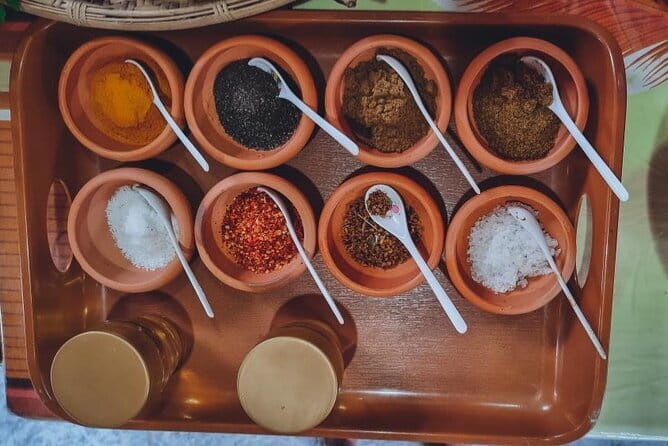
The class costs $30 per person, lasts about 3 hours, and includes:
- guided market shopping
- instruction from Nona, Indra, and Prabodi (and the family kitchen team)
- cooking of four dishes
- the meal, including rice and papadams
At this price, the big value is that you’re paying for a full experience, not just a recipe. You’re getting ingredient context, step-by-step help, and a realistic payoff: you eat what you cook.
If you’re comparing it to the cost of a couple of meals alone, this is the kind of activity that makes sense because you’re effectively turning dinner time into a lesson and a meal. And with a max group size of 6, you’re not fighting for attention.
One more value point: it’s a family-run setup. That usually means more flexibility in how you choose dishes from what’s available and a more personal atmosphere.
Timing and Logistics That Make It Easy to Fit In

This experience starts at 4:00 pm and runs about 3 hours. That timing is useful if you’ve spent the morning on the beach or walking around town and you want something structured but not exhausting.
You’ll return to the meeting point at the end. It’s also supported by a mobile ticket, and you’ll receive confirmation at booking time.
The class has a maximum of 6 people, and it allows service animals. The big “heads up,” though, is the minimum booking requirement: you need at least two people to book. So if you’re traveling solo, you’ll want to coordinate with someone (or look for a different class option).
Who This Cooking Class Is Best For
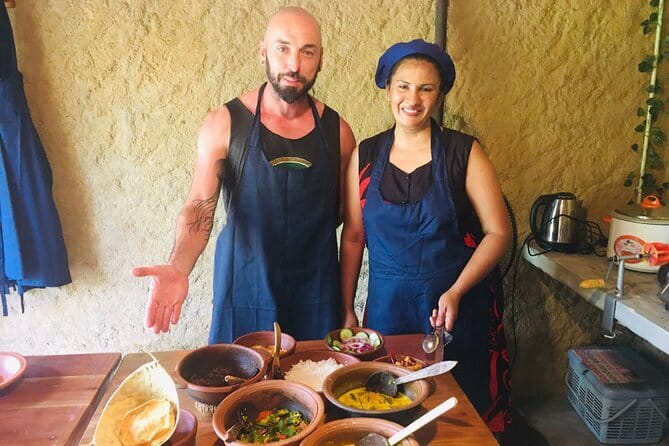
This is a strong fit if you want:
- an interactive cooking experience with real instruction
- a chance to learn Sri Lankan flavor logic, not just follow a recipe
- a meal that feels like it was made at a local kitchen table
It’s especially good for couples and small groups who like hands-on activities. The relaxed approach also works if you’re nervous about cooking. The setup is designed so you can participate without feeling tested, and the hosts guide you through the process at each stage.
If you love food but hate long, formal tours, this is a good match. You’re not stuck watching for hours. You cook, you ask questions, and you eat what you make.
Should You Book This Sri Lankan Cooking Class in Mirissa?
If you want a Sri Lankan meal experience that’s practical, friendly, and built around ingredient choice, I’d say yes. The best reason is simple: you get both the cooking skills and the payoff meal, and you do it in a small group with Nona, Indra, and Prabodi in a real home-kitchen setting.
Book it if:
- you’re comfortable being hands-on and you like learning by doing
- you’re traveling as two people or you can pair up
- you want more than a tasting and want actual techniques
Skip it if:
- you’re traveling solo and can’t meet the two-person minimum
- you want a strictly observational experience with zero cooking involvement
FAQ
Where is the meeting point?
The class starts at Indra Restaurant (Mirissa, Sri Lanka). The activity ends back at the meeting point.
What time does it start, and how long is the class?
It starts at 4:00 pm and lasts about 3 hours.
How many people are in the group?
This experience has a maximum of 6 travelers.
Can I book if I’m traveling alone?
No. There is a minimum booking of two people, so solo bookings aren’t accommodated.
How many dishes can I cook, and what options are available?
You’ll choose four options from the menu (or other vegetables available that day). Options include chicken or fish curry, dhal/lentils curry, pumpkin curry, green beans curry, aubergine fry, green leaf salad or stir fry, mushrooms dry curry, potato curry, okra/lady fingers dry curry, and coconut sambol.
What do you eat during the class?
All dishes are served with rice and crispy papadams.
Is it refundable if I need to cancel?
Yes, you can cancel for a full refund if you cancel at least 24 hours before the experience start time.