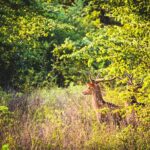
Elephants are the headline here. This all-in-one Udawalawe day trip from the south coast pairs a long wildlife jeep run with a visit to the Elephant Transit Home, so you see both the wild and the care side of elephant life.
I love how smooth the pickup-to-drop-off plan is, and how the driver-guide keeps everything moving without fuss. I also love the safari guide approach: the better guides look beyond the big animals and notice details like small birds and side stories that make the drive feel like more than just sightseeing.
One thing to consider: the early start and dry-season heat can limit sightings during the hottest hours, and drinks are not included, so plan your hydration.
In This Review
- Key Things to Know Before You Go
- Why Udawalawe Works So Well for a One-Day Safari
- Getting to the Park: Early Pickup Times From Galle and the South Coast
- Jeep Safari at Udawalawe National Park: What You’re Really Buying
- Elephant Transit Home (ETH): The Moment That Changes the Day
- Lunch, Water, and What to Pack for a Long Day
- Price and Logistics: Is $155 Good Value?
- Who This Day Trip Suits Best (and Who Might Skip It)
- Booking Wisdom: Making the Most of Your Safari Timing
- Should You Book the Udawalawe Safari Day Trip With Return Transport?
- FAQ
- What’s the duration of the Udawalawe safari day trip?
- What’s included in the price?
- Are drinks included?
- What time does pickup happen?
- Is this tour private or shared with other groups?
- What if weather is poor?
Key Things to Know Before You Go
- Private return transport with an experienced driver-guide means less stress and more time focused on wildlife.
- A real safari jeep visit in Udawalawe National Park gives you a better shot at spotting elephants and other animals.
- Elephant Transit Home (ETH) is inside the same reserve area, so the day stays efficient.
- Lunch and bottled water are included, but you’ll still want to bring extra thirst control (since drinks aren’t included).
- Pickup timing varies (roughly 4–5am, 7–8am, or 10am–noon depending on where you’re staying), so double-check your confirmation.
Why Udawalawe Works So Well for a One-Day Safari
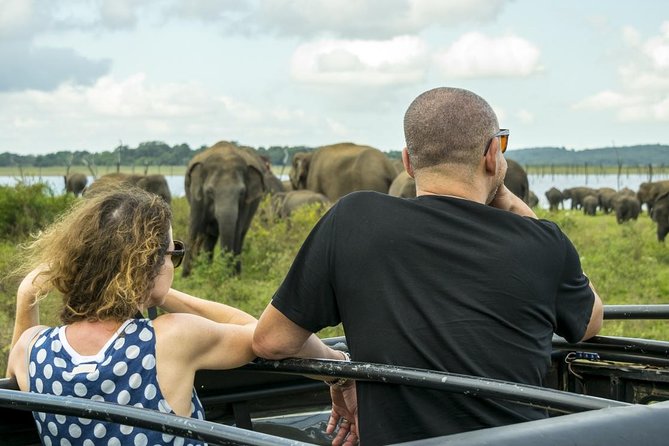
If you only have one full day in Sri Lanka and you still want that classic safari feeling, Udawalawe is a smart choice. It’s known for elephants, but it’s also a place where the scenery and the animal behavior create constant little moments—across the grasslands, through bushy areas, and around water sources where wildlife tends to gather.
What makes this day trip especially workable from Galle and the south coast is the structure. You’re not just going to a park and hoping for the best. You get private return transportation, park entry fees covered, a dedicated safari jeep, and a focused second stop at Elephant Transit Home. In plain terms: you get your wildlife time plus the story behind what you’re seeing.
Another plus is how the day is paced. You’re scheduled around practical park visiting patterns, which matters because animals don’t always move the same way in the heat. In the dry season, you can expect more animals to rest and hide in the trees during the brightest hours—so the timing of your safari run makes a difference.
You can also read our reviews of more tours and experiences in Galle.

Getting to the Park: Early Pickup Times From Galle and the South Coast
This trip is built for guests staying across a long stretch of southern Sri Lanka—Galle, Unawatuna, Unawatuna-area towns, and also places farther down the coast toward Tangalle and Ranna. The key detail is pickup windows.
Expect one of these starting points:
- Morning safari: pickup around 4–5am
- Day-time safari: pickup around 7–8am
- Afternoon safari: pickup around 10am–12pm
That schedule isn’t random. It’s designed to match when wildlife is more likely to be active and when driving conditions and park entry make sense. If you’re staying far from the park, your pickup may land closer to the later windows simply because travel time eats up hours.
I also like that the transport is private return with an experienced driver-guide. That means no long guessing game about where to meet, who to wait for, or whether everyone’s on the same page. In practice, that smooth start matters because a safari day is long—your comfort during the ride sets the tone for the whole experience.
Jeep Safari at Udawalawe National Park: What You’re Really Buying
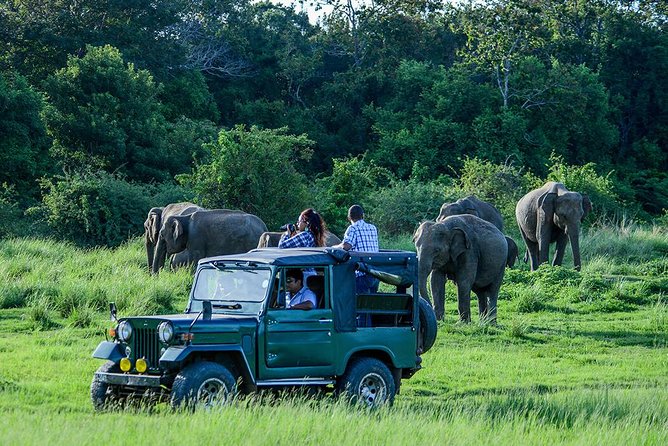
You’re paying for three things during the park portion: access, time, and a good guide’s eyes. This package includes a 3-hour Udawalawe jeep safari plus admission ticket coverage.
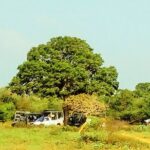
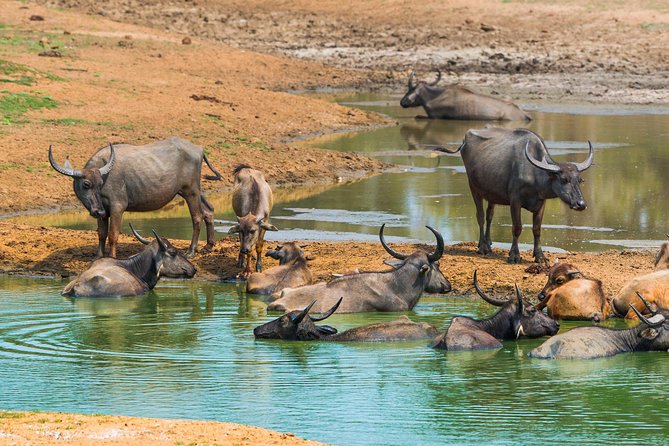
Udawalawe National Park is often described as a mix of grasslands and bush forest. That mix is great for spotting animals because it gives you both open areas for visibility and thicker spots where wildlife can be grazing, resting, or moving between cover.
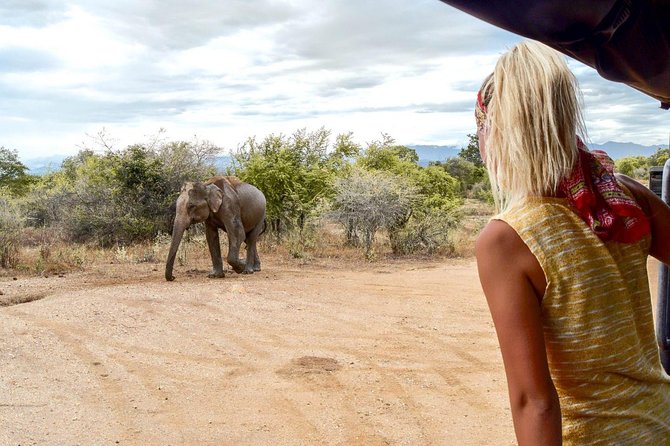
Here’s the practical expectation: during warmer middle hours, animals may stay tucked away. That doesn’t mean the safari fails—it just means you may need a guide who can read the park’s patterns. The best safari guides don’t just scan the horizon for elephants. They also watch for movement in the brush, listen for activity, and keep an eye on smaller signals.
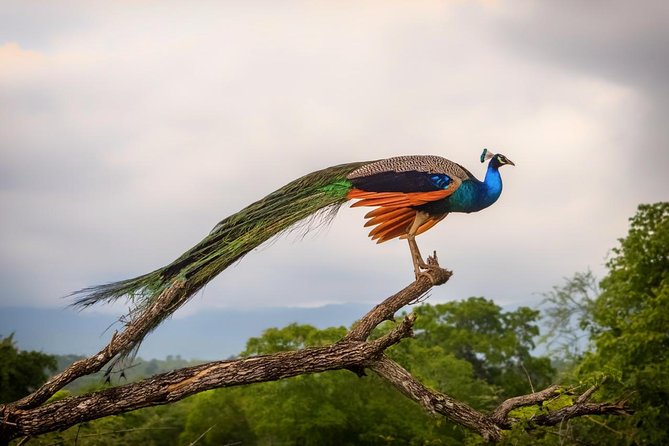
One guide you might encounter (for example, someone named Dinesh, from a past guest story) is the type who spots small birds and adds side insights that make the ride feel alive. Even when you’re focused on elephants, those details help you notice what’s going on around them.
Drawback to plan for: if your pickup puts you on the later half of the day, expect a higher chance that animals are less visible in the hottest hours. The trade-off is you may get more rest earlier, but you might have to work a little harder visually once the sun climbs.
Elephant Transit Home (ETH): The Moment That Changes the Day
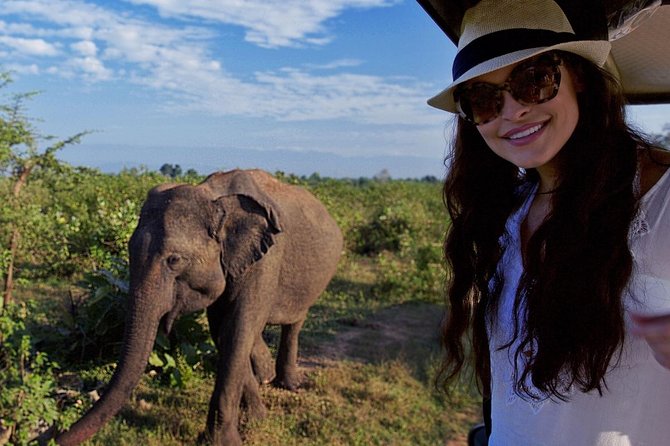
After the jeep safari, you’ll visit the Elephant Transit Home (ETH), located within the Udawalawe area. This stop lasts about 30 minutes and includes entry.
What makes ETH meaningful is its goal: the facility rehabilitates orphaned elephant calves with the intention of returning them to the wild. The home was established in 1995 by Sri Lanka’s Department of Wildlife Conservation, which helps you understand this isn’t a casual animal viewing stop—it’s part of a larger conservation system.
From a visitor perspective, the value here is balance. A safari gives you the spectacle of seeing elephants in their wild world. ETH adds context—why some elephants are in human care, what rehabilitation looks like, and how the work connects back to the forest and the future.
It’s also a nice pacing reset. A jeep safari is all motion and scanning. ETH is slower. You can shift from the adrenaline of spotting to the emotional weight of understanding. Even if you’re the kind of person who usually rushes through stops, this one tends to make you slow down.
Lunch, Water, and What to Pack for a Long Day
This is a full-day style outing, roughly 9 to 12 hours depending on timing and where you’re picked up. Because of that, food and hydration matter.
Included in the package:
- Lunch
- Bottled water
- All park and ETH entry fees
- Safari jeep
- A private return ride with driver-guide
- Experienced driver-guide support
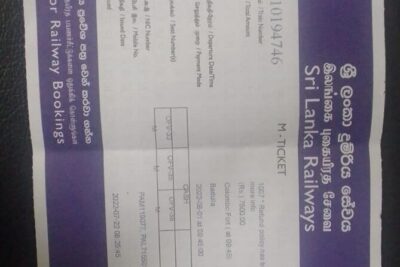
- Mobile ticket is used for confirmation-style entry
Not included:
- Breakfast
- Drinks beyond what’s part of the bottled water
So I’d treat this like a day trip where you eat before you get picked up (unless your itinerary timing suggests otherwise) and then plan for water through the safari hours. If you like having extra cold drinks or coffee/tea, budget for them separately since drinks aren’t included.
What you should pack (without overthinking it):
- Sun protection for early starts
- Something for light rain (Sri Lanka can switch fast)
- A small bag you can keep with you during the jeep ride
One more practical note: jeep days can be dusty and warm. A simple comfort approach—water within reach, sun protection, and a layer for AC (if your transport vehicle has it)—makes the day feel much easier.





Price and Logistics: Is $155 Good Value?
At $155 per person, the headline number looks simple—but the value comes from what’s bundled. This package is positioned as all inclusive with no hidden costs applied for the listed activities.
For your money, you’re getting:
- Free pickup and drop-off from a long set of south-coast areas
- Private return transportation
- Experienced driver-guide
- Safari jeep
- Entry fees for Udawalawe and Elephant Transit Home
- Lunch and bottled water
- Mobile ticket confirmation
If you’ve tried to piece together a safari before, you know how quickly add-ons appear: park fees, jeep costs, transport between towns, and then the small stuff that quietly adds up. Here, the day is packaged so you can focus on the experience rather than invoices.
One nuance: the tour is described as private, meaning only your group participates. That’s a big deal if you’re traveling with family, friends, or anyone who wants a less chaotic day. And the mention of group discounts suggests they may also offer savings depending on how many people are booked—worth checking if you’re traveling with others.
Overall, I’d call the price fair for a one-day safari with ETH included, especially because transport and entry fees are part of the package.
Who This Day Trip Suits Best (and Who Might Skip It)
This is best for you if:
- You’re staying around Galle, Unawatuna, Koggala, Mirissa, Tangalle, or nearby towns in the south
- You want elephants as the main goal but also care about conservation context
- You like the idea of a structured day with pickup handled
- You prefer a private group experience rather than hopping between multiple vendors
You might consider a different option if:
- You strongly dislike very early starts and long drive times
- You’re only interested in a quick glimpse and don’t want a full day out of your schedule
- You prefer to handle everything independently and are comfortable organizing transport and entry yourself
The day works because it balances wildlife time with ETH context. If that balance matters to you, this is a strong fit.
Booking Wisdom: Making the Most of Your Safari Timing
The biggest lever you control here is mindset, not just schedule. If you get an early safari window, go in expecting action—wildlife is more likely to be moving around and feeding. If your pickup lands later, be ready for the park’s heat rhythm and know that animals may be quieter or more hidden.
Also, keep your day flexible in your head. The trip runs long—9 to 12 hours—so choose simple, low-stress plans for the evening afterward. Don’t stack a long dinner drive right after if you’re coming from a farther pickup zone.
And if you’re the kind of traveler who likes seeing details, lean into it. The better experience is often when you’re watching beyond the obvious—small movement, bird calls, and guide explanations that connect what you see to how the park works.
Should You Book the Udawalawe Safari Day Trip With Return Transport?
Yes, you should book it if you want one day in Sri Lanka that hits two targets: seeing elephants and understanding the human-driven side of elephant rehabilitation. The private transport, included entry fees, and included safari jeep make it practical—less logistics, more time watching.
I’d especially recommend it if you’re staying in or near Galle and you don’t want to spend your holiday hunting for transport arrangements. The experience is built to run smoothly, and the included lunch plus bottled water helps keep you comfortable through the long day.
If you’re sensitive to early mornings, plan your expectations around your pickup time window. Either way, you’re getting a well-structured day, and the ETH stop is often the part that makes the safari feel more meaningful.
FAQ
What’s the duration of the Udawalawe safari day trip?
The total experience runs about 9 to 12 hours depending on your pickup time and location.
What’s included in the price?
It includes free pickup and drop-off, private return transportation with an experienced driver-guide, Udawalawe National Park entry fees, Elephant Transit Home entry fees, a private safari jeep, lunch, and bottled water.
Are drinks included?
No. Breakfast and drinks are not included. Bottled water is included.
What time does pickup happen?
Pickup depends on the safari type and where you’re staying: about 4–5am for a morning safari, 7–8am for a day-time safari, and 10am–12pm for an afternoon safari.
Is this tour private or shared with other groups?
This is described as private, meaning only your group participates.
What if weather is poor?
The experience requires good weather. If it’s canceled due to poor weather, you’ll be offered a different date or a full refund.