Elephants steal the show in Udawalawe. A private 4×4 safari here also pays off with grasslands, forests, wetlands, and endemic birds, not just mammals. I especially like how the tour pairs an experienced guide/driver (10+ years) with the flexibility of a private jeep setup, so you spend more time looking and less time sorting things out.
There’s one thing to keep your expectations tuned: wildlife sightings aren’t guaranteed, and the pace can feel like a lot of driving if the animals are quiet that day. A longer day can still be worth it, but go in knowing you’re buying the best odds, not a certainty.
Key things I’d plan around
- Private jeep time in Udawalawe so you’re not stuck waiting for a shared pace
- Experienced English-speaking driver/guide who can spot animals and explain what you’re seeing
- Habitat variety (grasslands, forests, wetlands) that increases the range of wildlife and birds
- Elephant focus, including chances to see them very close
- Endemic bird watching possibilities like Sri Lankan Jungle fowl and Spurfowl
- Bring water and expect basic rules of safari etiquette (no feeding, no smoking)
In This Review
- Udawalawe Safari in a 4×4 Jeep: What This Tour Feels Like
- The Wildlife Game: Elephants, Leopards, and the Rest of the Cast
- Guide and Driver: The Difference Between Watching and Seeing
- Where You’ll Go Inside the Park: Grasslands, Forest Edges, Wet Areas
- Birding Bonus: Endemic Species You Might Actually Spot
- Pickup and Timing: The Practical Part That Saves Your Day
- What You Should Bring (and What You Shouldn’t)
- Price and Value: Is $29 Fair for a Udawalawe Safari?
- Who This Tour Fits Best
- My Booking Advice: When You Should Say Yes
- FAQ
- How long is the Udawalawe National Park 4×4 safari tour?
- What is included in the tour price?
- Is the Udawalawe National Park entry fee included?
- What animals might I see during the safari?
- Does the tour include bird watching or endemic species?
- What should I bring?
- What rules should I follow during the safari?
Udawalawe Safari in a 4×4 Jeep: What This Tour Feels Like
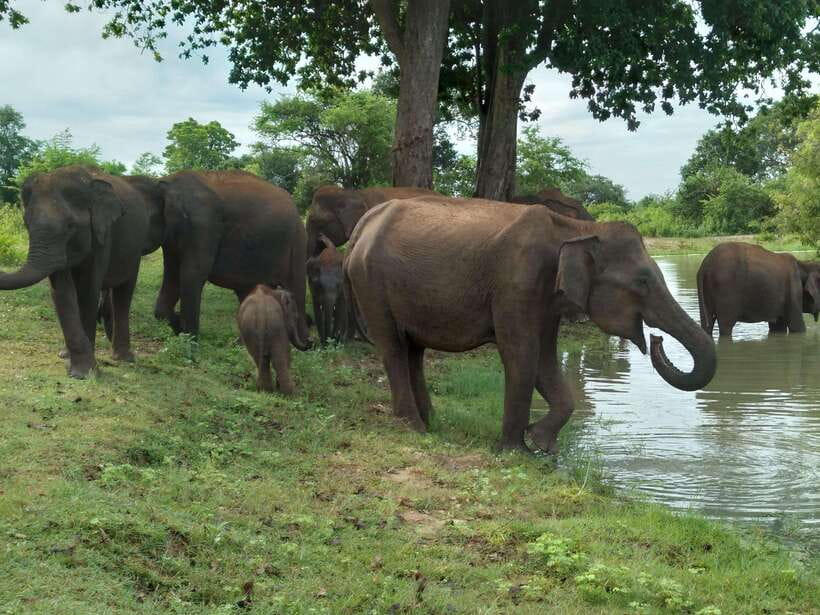
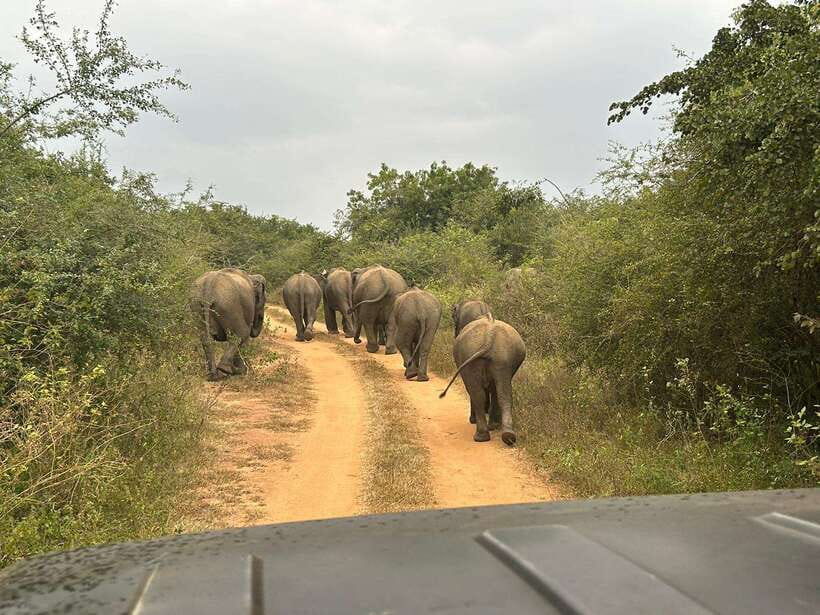
Udawalawe National Park is the kind of place where your day can swing from slow and thoughtful to suddenly full of life. That’s exactly why this 4×4 private jeep safari setup works. You’re seated for game driving, and you’re not fighting crowds for position or for a quick look when something moves.
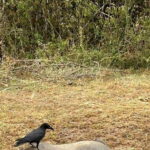
I also like that the tour keeps the experience grounded in real wildlife viewing, not staged entertainment. You’re looking for elephants, plus the smaller stuff—mammals that appear briefly, and birds that you might otherwise miss from the road.
The tour runs about 4 hours, but the schedule can stretch to 4–7 hours depending on starting times and how your driver times the search for animals. In practice, that means you’re not locked into a rigid short window where one quiet stretch ruins the whole day.
The Wildlife Game: Elephants, Leopards, and the Rest of the Cast
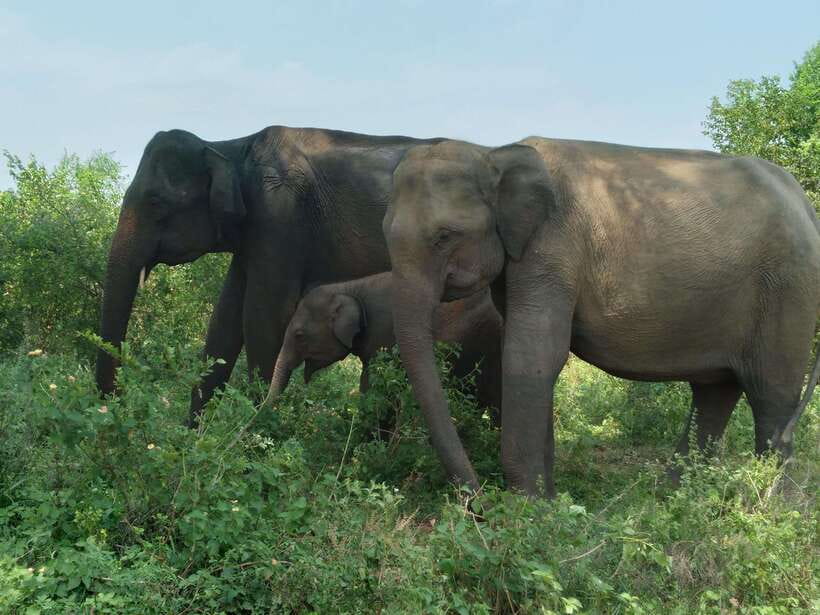
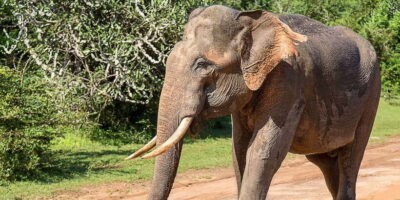
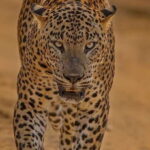
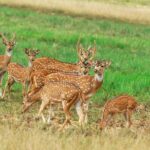
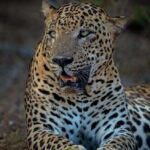
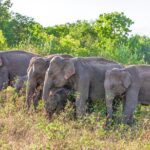
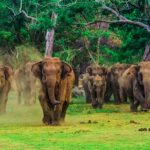
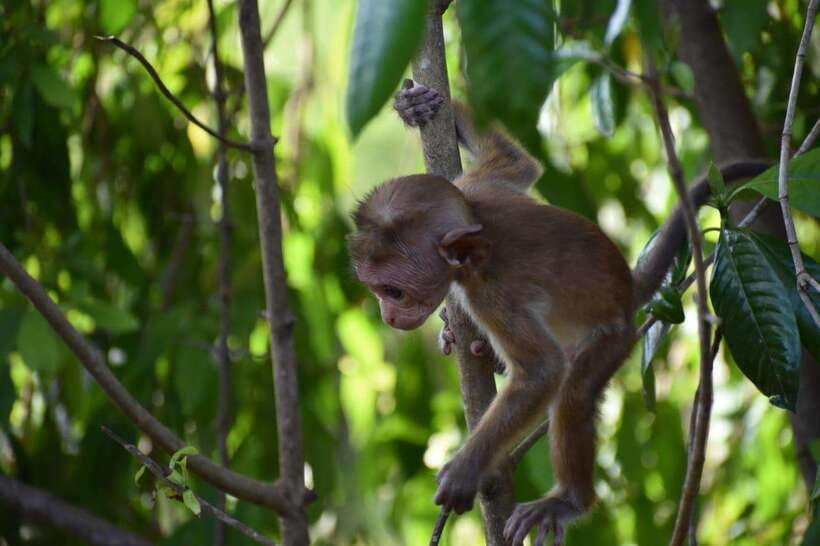
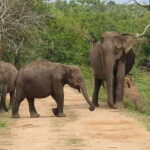
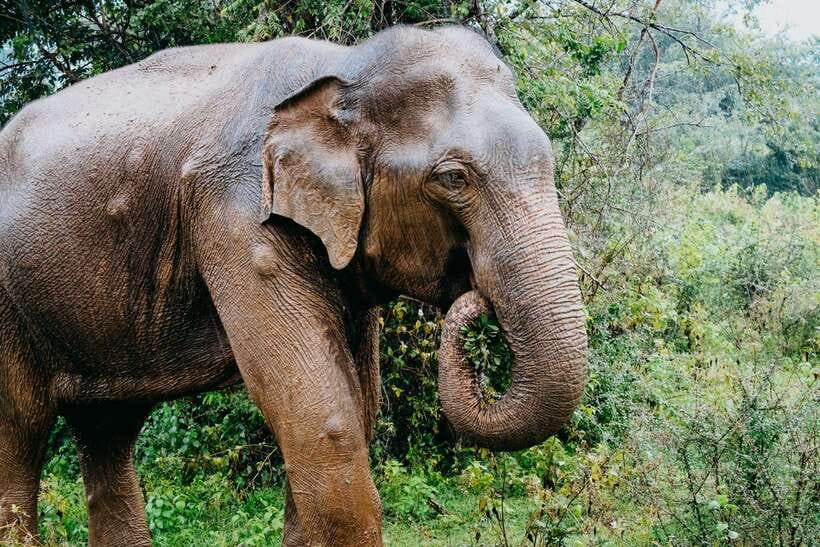
Udawalawe is famous for elephants, and this safari puts you in the right habitat mix for them. You’ll also have a genuine shot at other animals that share the park’s terrain, including leopards, sambar deer, jungle cats, crocodiles, water buffalo, foxes, mongooses, jackals, and wild boar.
Here’s how to think about it. On a safari like this, the “win” is often a sequence of encounters rather than one single big moment. You might spend time watching a feeding area, then shift to a different part of the park to increase your odds. Even when you don’t see the headline species, Udawalawe can still reward you with smaller sightings—like glimpses of cats or water-bound reptiles—plus bird action in the quieter spots.
If you’re hoping for the classic elephant moment, pay attention to how your guide manages timing. One highlight from guide experience here is that they often get you to elephant areas before others, which matters when animals are moving or when multiple jeeps converge. If your driver is the sort who pays attention to patterns and routes, your chances improve without needing luck to do all the work.
You can also read our reviews of more tours and experiences in Sri Lanka.

Guide and Driver: The Difference Between Watching and Seeing
This tour is led by an experienced driver who also serves as your guide, with more than 10 years in the role. That’s important because safari viewing is part geography, part behavior reading. Elephants don’t always advertise themselves. Smaller animals can vanish just as fast. Birds can be obvious once you know what to look for.
You also get a live English guide, which is a practical win. You’re not just getting random facts; you can ask what you’re looking at, and you can connect sightings to the habitat around you. That makes the whole outing feel sharper and less like you’re staring into the bush hoping for miracles.
A real-name example from this operation: Gimhana. People rate him for knowing where to find elephants early and for spotting animals with a careful eye. If you’re booking this because you want competent guidance—rather than just a car in nature—that kind of track record is exactly what you’re aiming for.
Where You’ll Go Inside the Park: Grasslands, Forest Edges, Wet Areas
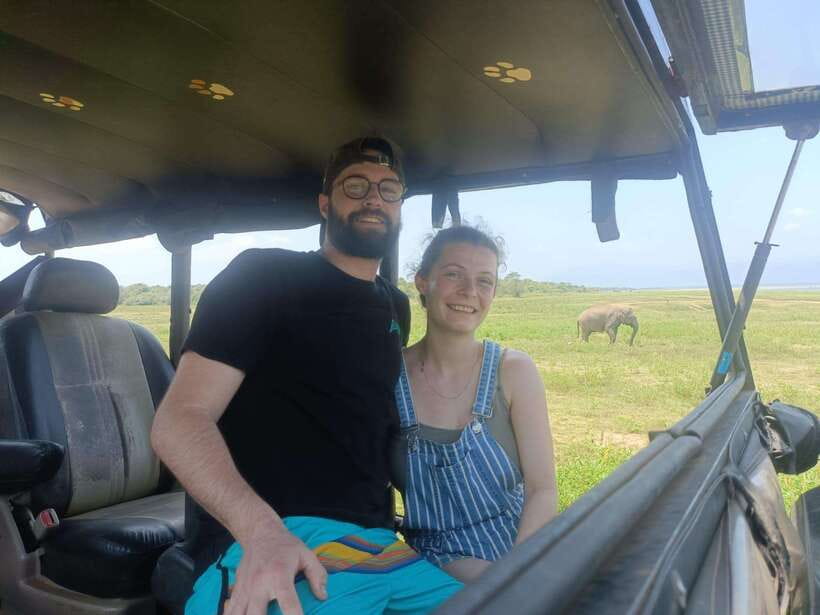
You’re not touring one single type of scenery. The safari is designed around different habitats—grasslands, forests, and wetlands—and that matters because different animals and birds use different places.
Grassland time tends to be best for open-area viewing. Elephants often move through these areas, and larger mammals may be easier to spot when the line of sight is clearer.
Forest and forest-edge driving can be more stop-and-watch. This is where you might pick up clues—sound, movement, or a quick flash of fur—before the animal disappears again. It’s also where you can catch different bird species active in cover.
Wetlands are where the day can turn interesting, especially for animals that rely on water. Crocodiles and water buffalo are the kinds of wildlife you might look for in these wetter sections, and birds can be active in their own way depending on conditions.
The practical takeaway: you’re not just passing through the park. You’re being routed through habitats that make sightings more likely than a single straight line.
Birding Bonus: Endemic Species You Might Actually Spot
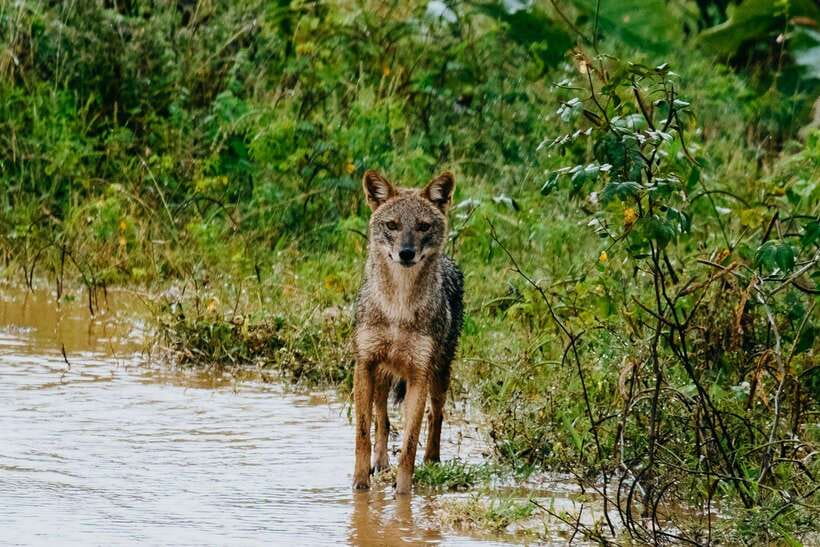
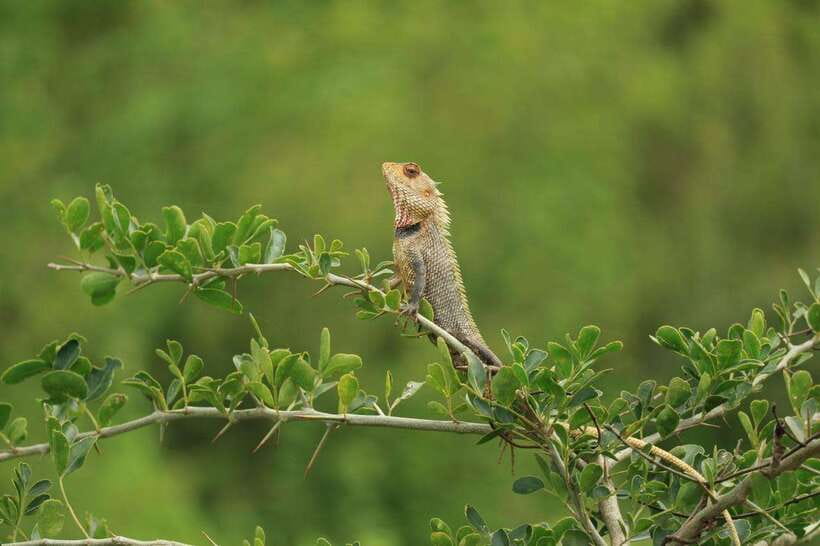
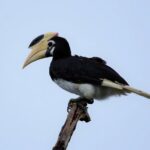
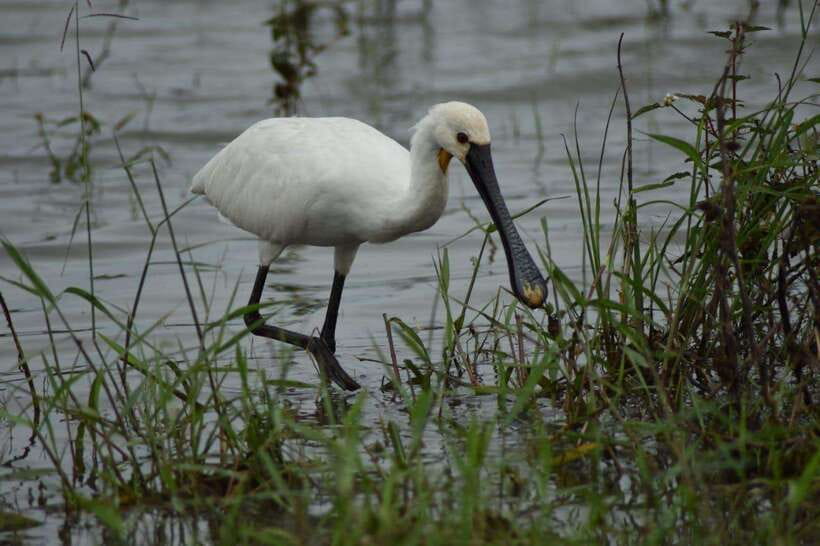
Elephants are the headline, but Udawalawe can reward bird lovers too. The park is home to endemic bird species, and this safari includes chances to see a variety of birds, including species like:
- Sri Lankan Jungle fowl
- Sri Lankan Spurfowl
- Sri Lankan Wood shrike
What I like about this bird component is that it doesn’t feel like a side quest. When your jeep is moving through different habitats, the birding opportunities naturally change. Even if the biggest mammal sighting doesn’t land, you can still have meaningful moments—especially when you learn what to look for and you understand that birds can be easier to detect in certain habitats than in others.
If birds are your focus, still keep your eyes on the whole scene. In safari reality, the best bird moments can happen in the pauses between mammal sightings when you’re waiting quietly and scanning.
Pickup and Timing: The Practical Part That Saves Your Day
This tour includes hotel pickup and drop-off in the Udawalawe area, which is one of those unglamorous details that makes the experience smoother. You avoid the hassle of figuring out transport and timing on your own, and you can focus on being ready when the jeep rolls up.
The duration is listed as 4 to 7 hours. That flexibility can be good if your day in Sri Lanka is packed and you want to choose a starting time that fits. It can also mean your afternoon might stretch if the driver is still working a good route for sightings.
And that’s where the one drawback comes back in. If wildlife is quiet, longer time in the jeep can start to feel like a long drive. If that happens, you’ll still be doing the right thing by staying attentive, but it’s fair to recognize that safari days can be variable.
What You Should Bring (and What You Shouldn’t)
This is not a gear-heavy activity. The key item is simple:
- Water
That’s not fluff. Heat and sun can add up fast on a safari, and staying hydrated helps you stay focused while scanning for animals.
Also, follow the on-the-ground safety advice: use insect repellent and stay hydrated. You’ll be exposed to bites if you ignore this.
On the rules side, keep it straightforward:
- No smoking
- No alcohol or drugs
- No feeding animals
These rules aren’t just for policing. They help keep wildlife behavior natural and keep the day safe for both you and the animals.
Price and Value: Is $29 Fair for a Udawalawe Safari?
At $29 per person, this tour sits in a price bracket that’s often competitive for a national park safari, especially with a private 4×4 jeep and pickup/drop-off included.
What makes it feel like good value is that you’re not only paying for transport. You’re paying for:
- A private safari vehicle
- An experienced driver who guides you
- An English live guide
- A setup that helps maximize your time inside the park
The one catch is that the Udawalawe National Park entry/admission fee is not included. That’s normal for many safaris, but it’s the kind of detail you should budget for so there are no surprises when you arrive.
If you’re traveling as a couple or small group, private jeep time can feel especially efficient. You’re not forced into a slower pace or into waiting for other people to reposition. If your priority is seeing as much as possible, that private setup often justifies the cost.
Who This Tour Fits Best
This safari style fits best if you want:
- A guided private jeep experience rather than a large group
- Strong odds for elephants plus a chance at other mammals
- A day that includes bird viewing and endemic species possibilities
- Clear rules and basic comfort priorities like hydration
It’s not suitable for pregnant women and for people with back problems. A safari jeep can mean bumps, uneven roads, and sitting for stretches while scanning. If you fall into either of those categories, it’s worth considering a different style of tour with more appropriate comfort.
My Booking Advice: When You Should Say Yes
Book this tour if your goal is a real Udawalawe wildlife day with a competent guide behind the wheel. The biggest reason to choose it is the combination of private jeep time and an experienced driver/guide in English. If elephants are on your must-see list, Udawalawe is one of Sri Lanka’s strongest bets—and this setup is built for finding them rather than just driving past scenery.
I’d pass or think twice if:
- You hate uncertainty and would feel frustrated if sightings are slow
- You’re sensitive to long drives inside the park
- You need an activity that avoids sitting in a jeep for long stretches
If you can handle the safari reality—some days are hot, quiet, and slow before something clicks—then this is a solid choice for your Udawalawe day.
FAQ
How long is the Udawalawe National Park 4×4 safari tour?
The duration is listed as 4 to 7 hours, depending on availability and starting times.
What is included in the tour price?
It includes a 4×4 private jeep safari, an experienced driver/guide (English live guide), and hotel pickup and drop-off in the Udawalawe area.
Is the Udawalawe National Park entry fee included?
No. The national park entry/admission fee is not included.
What animals might I see during the safari?
The tour description includes a chance to see elephants, leopards, sambar deer, jungle cats, crocodiles, water buffalo, foxes, mongooses, jackals, wild boar, and various bird species.
Does the tour include bird watching or endemic species?
Yes. The safari includes chances to see bird species, including endemic birds such as Sri Lankan Jungle fowl, Sri Lankan Spurfowl, and Sri Lankan Wood shrike.
What should I bring?
You should bring water.
What rules should I follow during the safari?
Smoking is not allowed, and alcohol and drugs are not allowed. You also shouldn’t feed animals or touch them.