Two hours, three flavors of Sri Lanka. I love the hands-on cooking class with local women and the ancient gem mine visit that turns Sri Lankan village stories into something you can see with your own eyes, though the experience is mostly on foot and one meal detail can surprise you if you do not ask about drink inclusions.
You’ll be based in a reconstructed 200-year-old traditional village experience near Udawalawe (about 1.2km from the Elephant Orphanage), with a guided tour in English and Singhalese. It’s a private group setup, and the whole thing runs about 2 hours, with roughly 90 minutes of walking.
In This Review
- Key things that make this Udawalawe village experience work
- Udawalawe’s 200-year-old village setting: what you’re paying for
- Cinnamon tea welcome and a village start you can feel
- The ancient gem mine: seeing old techniques up close
- Cinnamon peeling demonstration: the smell is the lesson
- Garden vegetable picking: farm-to-table starts early
- Cooking class in the village kitchen: open flame, grinding spices, real teamwork
- Your local meal: communal table, dishes you helped create
- Melas participation: the festival side of everyday life
- Price and logistics: 2 hours, about 90 minutes of walking
- Who should book this Udawalawe village cooking experience
- Should you book this Udawalawe Farm-to-Table Village Tour?
- FAQ
- How long is the Udawalawe village cooking experience?
- Is there a lot of walking?
- What is included in the price?
- What languages is the tour guide?
- What dishes or food should I expect?
- Where is the meeting point?
- Is this tour wheelchair accessible?
- How much does it cost?
Key things that make this Udawalawe village experience work
- Cinnamon tea welcome to set a calm, local pace right from the start
- Ancient gem mine tour with a guided look at old mining methods
- Cinnamon peeling demonstration led by skilled artisans
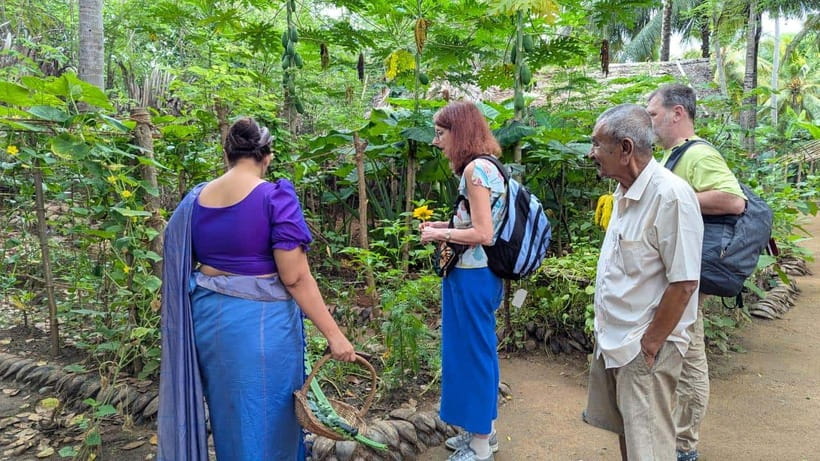
- Vegetable picking in an organic garden before you cook
- Cooking over open flame and spice grinding in a village kitchen
- Melas participation for music, dance, crafts, and local snacks
Udawalawe’s 200-year-old village setting: what you’re paying for
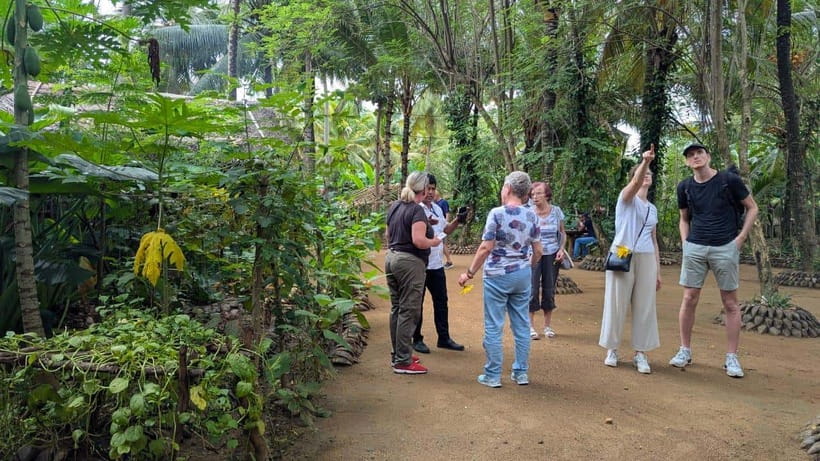
This tour is built around the idea that food, craft, and everyday rural life are connected. You’re not just watching a show. You’re doing small, real tasks—walking a bit, seeing how things are made, picking ingredients, then cooking and eating together.
That’s what makes the $30 price feel reasonable. In two hours, you’re typically getting: a welcome drink, a gem mine visit, cinnamon work, vegetable picking, a cooking class, the meal, and time at local melas. If you like experiences where you leave with both a full stomach and a few practical details you can carry home, this one fits.
You’ll also notice the emphasis on village context. The kitchen time isn’t treated like a standalone cooking workshop. It’s part of a broader picture of how people in an agricultural village lived, ate, and worked.
You can also read our reviews of more tours and experiences in Sri Lanka.



Cinnamon tea welcome and a village start you can feel
Your visit begins with a welcome drink—cinnamon tea is specifically listed as the start of the experience. The package also includes a refreshing king coconut as part of the welcome, so you’re likely to taste something distinctly Sri Lankan before you head into the day’s activities.
I like this pacing. You arrive, get a local flavor in your cup, and only then start moving. It helps if you’re visiting from the Elephant Orphanage area and your energy is still resetting.
The guide is live and multilingual (English and Singhalese). That matters because the gem mine and the spice work can get much more interesting when you can actually ask a question and understand the explanation without guessing.
The ancient gem mine: seeing old techniques up close
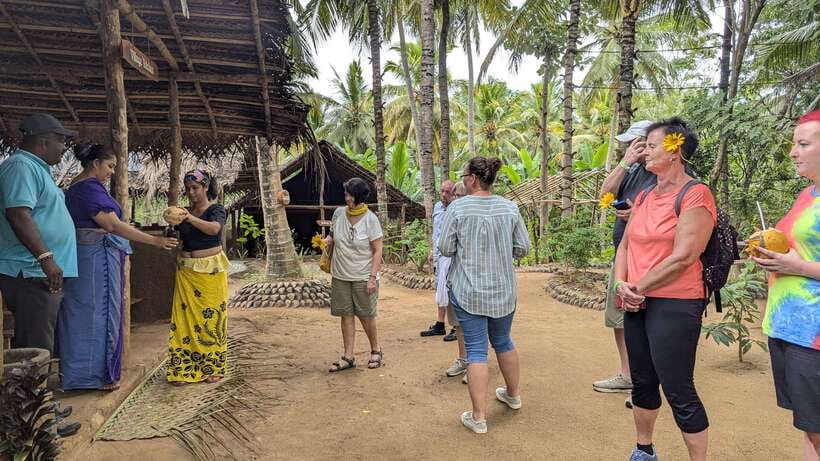
One of the strongest parts of the experience is the guided visit to an ancient gem mine. You’ll learn about the gem mining process and see how stones were uncovered using techniques associated with miners of the past.
Even if you have zero interest in geology, the mine stop has a good value angle: it gives you context for why gems were part of the region’s economic and cultural story. It also breaks up the day so the cooking isn’t your only “hands-on” moment.
What to expect in practice:
- A guided walkthrough focused on how mining happened long ago
- Explanations that connect the process to the idea of traditional livelihoods
A small consideration: this is an outdoor visit with walking involved, and the tour notes indicate it’s not suitable for wheelchair users. If you’re sensitive to uneven ground, go slow and wear supportive footwear.
Cinnamon peeling demonstration: the smell is the lesson
After the mine, you’ll meet the most aromatic stop of the day: cinnamon peeling. Skilled artisans demonstrate the process, and you learn why cinnamon is so important in Sri Lankan culture and also in the economy.
This is one of those experiences that teaches through your senses. The point isn’t just that cinnamon exists—it’s how it becomes cinnamon sticks, and what it takes to prepare the spice the right way. You’ll likely pay more attention to cinnamon back home once you’ve seen it in its “before and after” form.
If you’re the type who buys cinnamon at the market and wonders why some sticks taste stronger or fresher than others, this demo is the practical “why.”
Garden vegetable picking: farm-to-table starts early
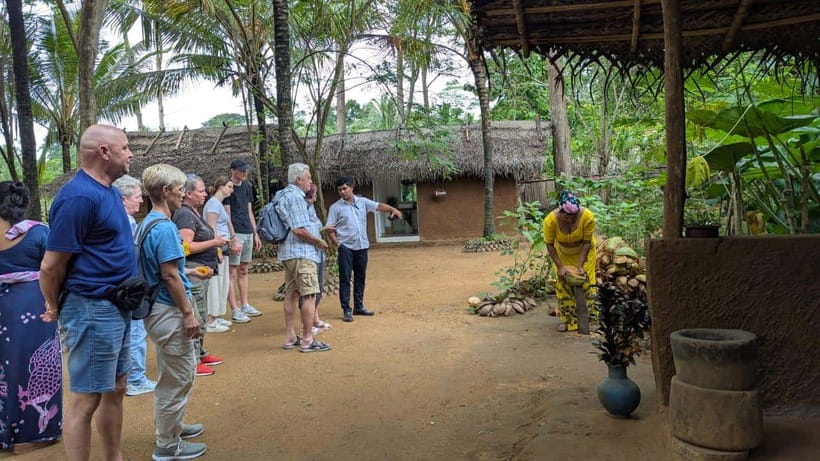
Then you get to the part that most people remember: you pick your own vegetables from the garden before you cook. The experience specifically mentions an organic vegetable garden and a stroll where you choose produce for your class.
This step matters because it changes the meal from “food I ate” to “food I helped make.” Even if the vegetables are simple, you’ll understand what you’re putting into the pot. And it also makes the cooking class feel less scripted.
Practical tip: bring water or plan to buy it during the tour stops. The garden time is often the most active portion of the day, and you’ll be walking while you choose ingredients.






Cooking class in the village kitchen: open flame, grinding spices, real teamwork
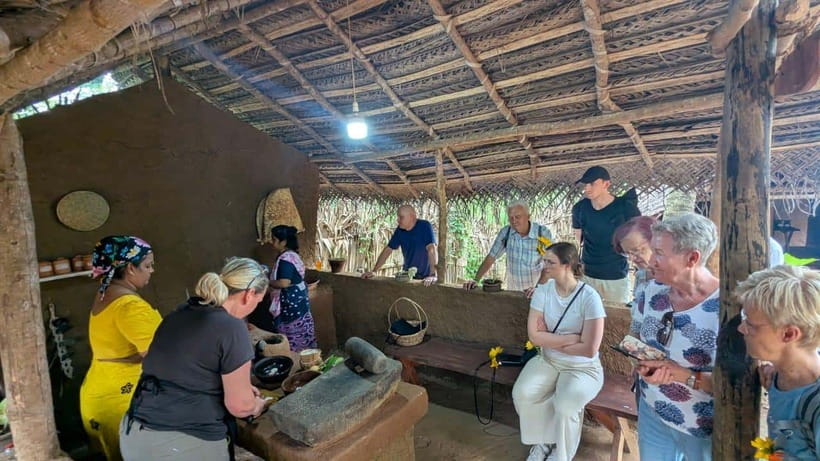
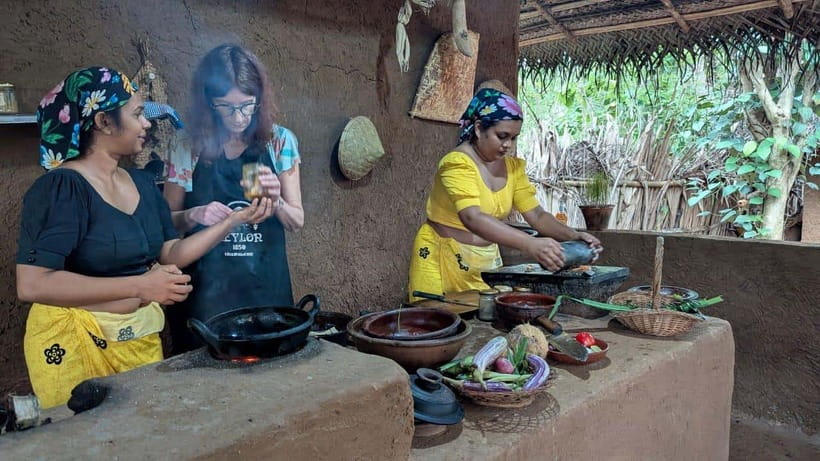
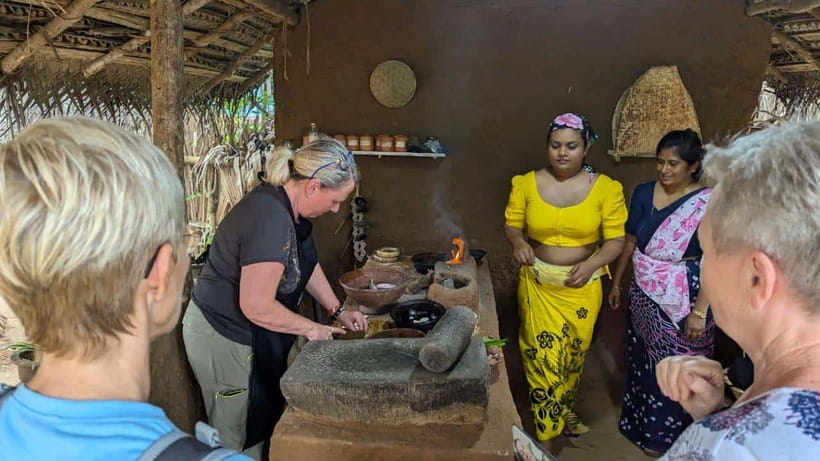
The core of the experience is the cooking class in a traditional village kitchen with local women. This is where the tour shifts from watching to doing.
You can expect the class to include:
- Working with spices (including grinding)
- Cooking over an open flame
- Learning age-old recipes and techniques
- Cooking with the group as a shared activity
I like how this is structured. The guide doesn’t just throw ingredients at you and hope you follow along. The kitchen environment and the presence of multiple local women means you get a more “learn it by repetition” style, where you can ask and adjust.
From past experiences shared about this tour, two dishes that stand out are coconut sambal and dahl. Even if the exact menu changes day to day, you should expect classic Sri Lankan flavors that feel everyday, not fancy-for-tourists.
One more note: you’re not just making food—you’re learning kitchen rhythm. Grinding spices, building flavor, and cooking over flame takes time. It’s not fast-food cooking, and that’s part of the value.
Your local meal: communal table, dishes you helped create
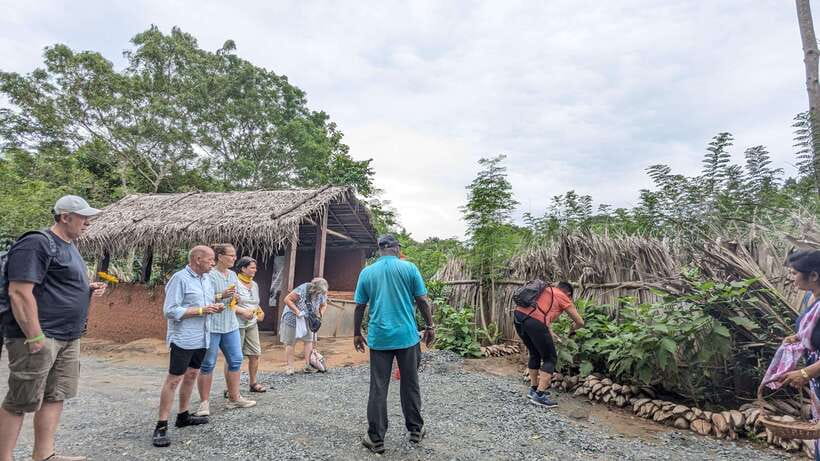
After cooking, you sit down to enjoy the meal featuring what you prepared. The experience is described as communal and village-style, which usually means you eat together rather than in a formal restaurant setting.
This is one reason people love the tour: the flavor has context. You already saw ingredients come from the garden. You already watched cinnamon prep. And you worked through the spice steps. So when the food lands, it feels connected to the day, not like a separate payoff.
However, there’s one important “watch-out” detail. One participant was surprised by the cost of drinks served during the meal, saying the drinks were charged at a higher price than expected and were not clearly communicated as separate from the event price. The lesson for you is simple: ask what drinks are included and what are paid separately before you order anything during the meal. You’ll avoid that awkward feeling of getting billed for something you assumed was covered.
Melas participation: the festival side of everyday life
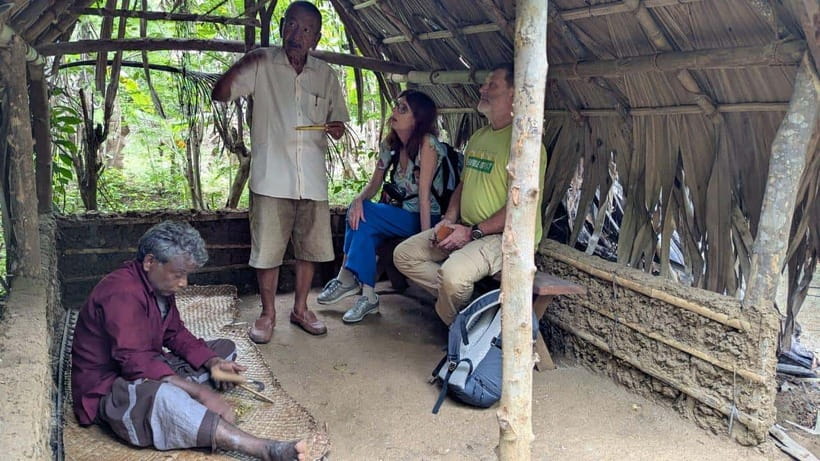
To close the day, the tour includes participation in local melas. These are traditional fairs described as filled with music, dance, crafts, and local delicacies.
This is a smart finishing move. The cooking class is grounded and quiet-focused. Melas adds energy and gives you a chance to see village culture in a less staged way—more social, more sensory.
What you can do at the mela portion:
- Browse crafts
- Sample local snacks (where available)
- Watch performances like music and dance
- Mingle with villagers and get a feel for how community celebrations play into daily life
If you’re the type who gets tired of “tour stops,” this final segment can help your day end on a high note—without turning into a museum-like exit.
Price and logistics: 2 hours, about 90 minutes of walking
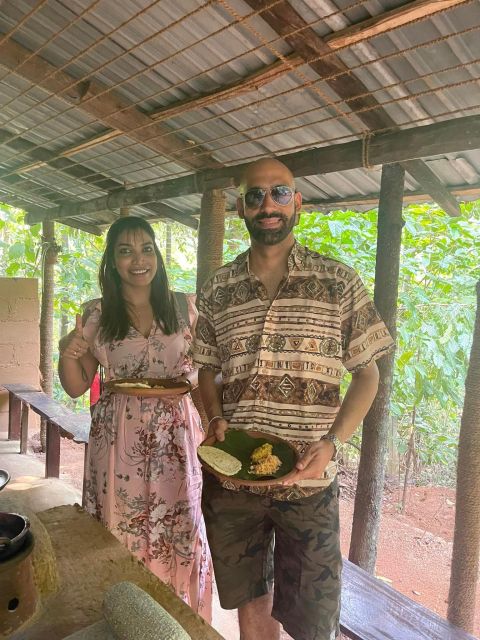
The tour costs $30 per person and runs 2 hours total. The experience notes say it’s a full walking tour around 90 minutes, so you’ll spend some time on your feet even though it’s not a marathon.
It also helps that it’s a private group. That usually makes it easier to follow along with the guide’s explanations, especially when you’re moving between activities like the mine, cinnamon work, garden picking, and the kitchen.
Meeting point info is also practical: you’re based about 1.2km from the Udawalawe Elephant Orphanage, which makes it a convenient add-on before or after elephant-time plans.
Two more quick considerations:
- It’s not suitable for wheelchair users
- The tour includes multiple components (mine + cooking + mela), so plan to keep expectations realistic: you’ll be active, not just sitting and sightseeing
Who should book this Udawalawe village cooking experience
This tour is a strong fit if you want:
- A farm-to-table experience that starts with picking vegetables, not just tasting food
- A cultural day focused on kitchen technique and everyday village life
- Real variety in a short time: mine, cinnamon work, cooking, and mela culture
- A local-meal payoff you can connect to the work you did
It may not be ideal if:
- You hate walking on uneven ground
- You’re very price-sensitive and do not want any chance of extra charges for food or drinks during the meal (ask first)
- You prefer purely indoor experiences
Should you book this Udawalawe Farm-to-Table Village Tour?
I’d book it if your ideal day includes hands-on cooking, spice work, and a village setting that goes beyond a quick photo. The value is strongest because you’re getting multiple parts of rural life in one smooth package—cinnamon tea welcome, gem mine learning, garden picking, village kitchen cooking, and a mela finish.
If you do book, do two things to make it go smoothly:
- Wear comfortable shoes with grip, since it’s about 90 minutes of walking
- Ask clearly about drinks during the meal so there are no surprises
If you want a short, practical slice of village culture you can taste and remember, this is a good bet.
FAQ
How long is the Udawalawe village cooking experience?
The experience lasts about 2 hours total.
Is there a lot of walking?
Yes. The tour is described as a full walking tour around 90 minutes.
What is included in the price?
The package includes a welcome drink, a guided visit to an ancient gem mine, a cinnamon peeling demonstration, vegetable picking, a traditional cooking class in a village kitchen, the meal you prepare, and participation in local melas.
What languages is the tour guide?
The live guide speaks English and Singhalese.
What dishes or food should I expect?
You’ll enjoy a local meal made from the dishes prepared during the cooking class, and coconut sambal and dahl are highlighted as standout flavors.
Where is the meeting point?
The location is about 1.2km away from the Udawalawe Elephant Orphanage.
Is this tour wheelchair accessible?
No. It is not suitable for wheelchair users.
How much does it cost?
It costs $30 per person.