Three hours of reef-watching in Sri Lanka. This Pigeon Island Marine Park snorkeling trip is interesting because you drift right over hard corals and schools of reef fish, with a real chance of spotting turtles and even blacktip reef sharks in shallow water. I especially love how geared-up snorkeling means you don’t need any special training, and how the small group size keeps things calm and easy to manage. The main drawback: the Pigeon Island entrance ticket is not included, and it’s paid in cash on arrival.
I also like the simple flow: you get a quick boat hop near the park, then spend most of your time floating and looking around the island. Expect to see classic Indian Ocean favorites like parrot fish, damselfish, sweetlips, butterfly fish, banner fish, and boxfish, plus the occasional eel. The experience runs about 3 hours total (with 2–3 hours snorkeling), starting at 1:30 pm, which is a great timing choice if you want a relaxed afternoon on Nilaveli Beach.
In This Review
- Key things that make this snorkeling trip worth it
- Getting to Pigeon Island from Nilaveli (the quick, low-stress way)
- Snorkeling setup: gear, comfort, and how to spot more fish
- Stop at Pigeon Island National Park: what the reef looks like under you
- Wildlife you can realistically hope for (turtles, rays, and blacktip sharks)
- How the 1:30 pm timing and 2–3 hours snorkeling feels in real life
- Price and value: what you pay, what you still need to budget
- Small group comfort: why max 7 people matters underwater
- Practical tips to get the most from your snorkeling time
- Who should book this, and who might not love it
- Should you book this Pigeon Island snorkeling trip?
- FAQ
- Do I need scuba training for Pigeon Island snorkeling?
- What’s included in the snorkeling trip price?
- Is the Pigeon Island entrance ticket included in the tour price?
- How long is the tour, and when does it start?
- Will there be pickup from my hotel?
- What marine life might I see?
- What if weather is bad?
Key things that make this snorkeling trip worth it
- Small max group (7 people) keeps attention tight and the water time less chaotic.
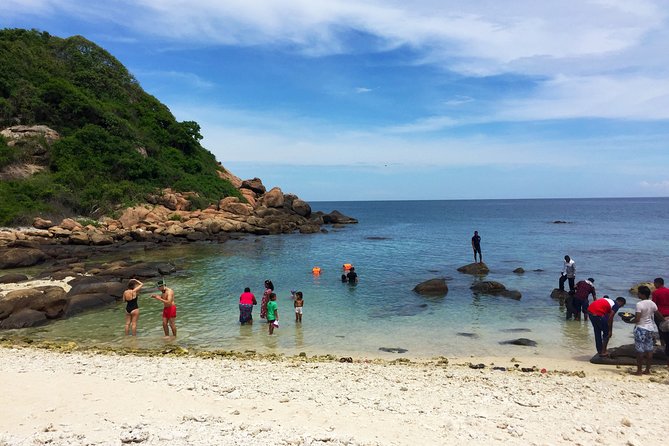
- Short transfer from Nilaveli gets you into the Pigeon Island National Park area quickly.
- You snorkel from shore around the island, so it’s surface-level and beginner-friendly.
- Hard corals and reef fish close at hand—you’re not stuck looking from a distance.
- Turtles, rays, and blacktip reef sharks are possible (not guaranteed, but realistic in the shallow area).
- Entrance ticket is separate and paid in cash on arrival to the center.
Getting to Pigeon Island from Nilaveli (the quick, low-stress way)
If you’re staying near Nilaveli, this trip keeps logistics pretty straightforward. Pickup is offered, and one practical detail I like is that it can be done by a tuk-tuk, which is exactly the kind of local transport that works well for quick transfers.
The meeting point is Divinguru Nilaveli, and the schedule is built for an afternoon start. The trip duration is listed as about 3 hours, but the real time you care about is how long you’re actually in the water. That’s why the setup matters: you’re not spending an entire day just getting there.
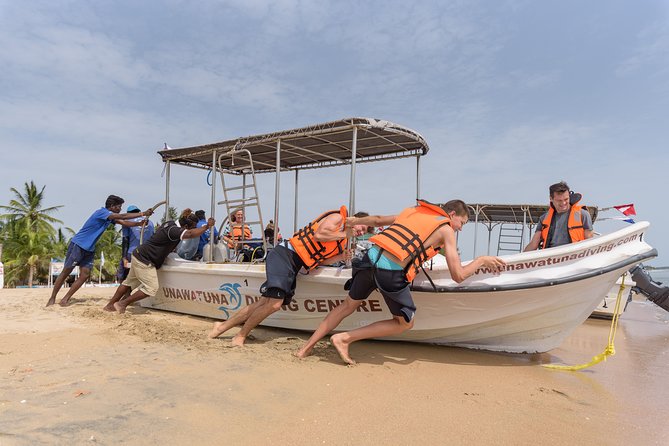
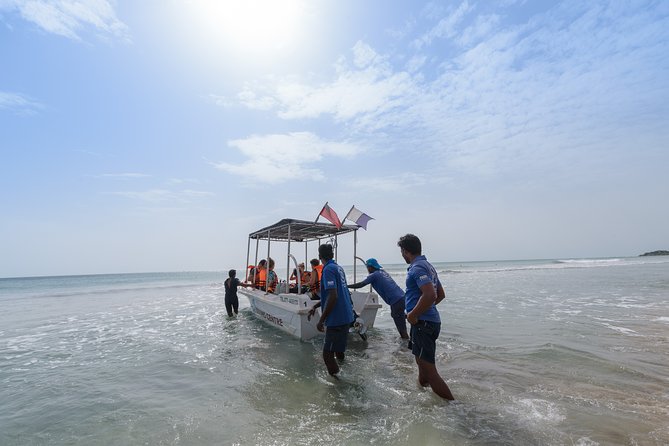
Once you’re at the diving base area, the boat ride to Pigeon Island is about 10 minutes. That short jump is a big deal if you’re traveling with kids or anyone who doesn’t love long commutes. It also means you’re spending more of your limited vacation time doing the snorkeling, not stuck in transit.
You can also read our reviews of more tours and experiences in Sri Lanka.



Snorkeling setup: gear, comfort, and how to spot more fish
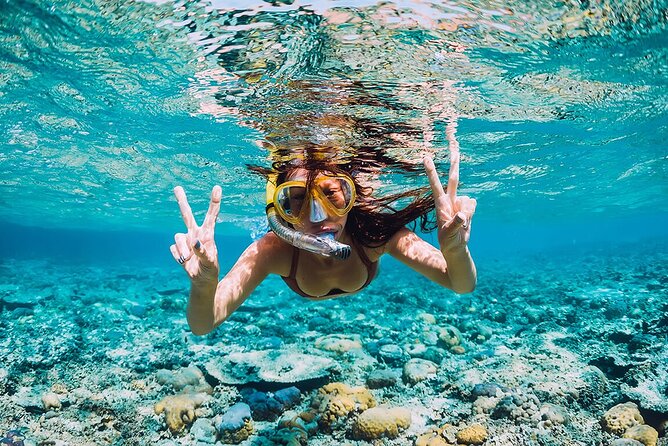
You don’t need to be a scuba diver for this. Your equipment is basic and practical: you’ll use a mask, snorkel, and fins. The tour includes the use of snorkeling equipment, and gear is provided on request as needed.
Here’s the part that really affects your enjoyment: fit and comfort. A mask that’s too loose will leak and distract you, and fins that don’t match how you move will tire you out early. When you’re in saltwater, those small annoyances grow fast—so I recommend taking a minute before you head out to get your mask sitting right and your snorkel position comfortable. You’ll float better when your breathing feels natural.
You’ll snorkel on the surface, drifting while you watch the reef below. That surface approach keeps it beginner-friendly, but it also means you should actively scan rather than just stare at one spot. The reef around Pigeon Island isn’t one flat wall—it’s rocks and coral, with fish that move through the current.
Also, you get snacks and bottled water included. That’s smart, because a mid-afternoon snorkeling session can leave you hungry or thirsty before the trip ends.
Stop at Pigeon Island National Park: what the reef looks like under you

Your snorkeling time is focused on the Pigeon Island National Park / Marine Park area. The whole point is to drift over reefs close to the shore, around the island itself.
From what you’ll see, the reef structure is varied enough to keep it interesting:
- Hard corals in the area around the island
- Rocks and coral patches that create natural viewing lanes
- Plenty of fish swimming in different zones of the water
In the water, the experience is described as colorful and slow. That matters because you’re not chasing fish like a photo shoot. You’re letting yourself drift while fish pass by. I like that pacing—it feels like watching a living aquarium instead of constantly moving.
You can expect to notice reef fish that are easy to recognize even if you’re not a marine life expert. The standout names you may run into include:
- Parrot fish (often seen moving calmly through the water)
- Damselfish (small, active fish that pop around coral)
- Sweetlips—specifically filigree-lined sweetlips
- Butterfly fish and banner fish
- Boxfish, including the kind with distinctive markings
It also notes eels and small groups of different reef fish, which is exactly what you want for repeat viewing. A reef isn’t just one moment—it’s a series of slightly different moments as fish move through the area.
Wildlife you can realistically hope for (turtles, rays, and blacktip sharks)
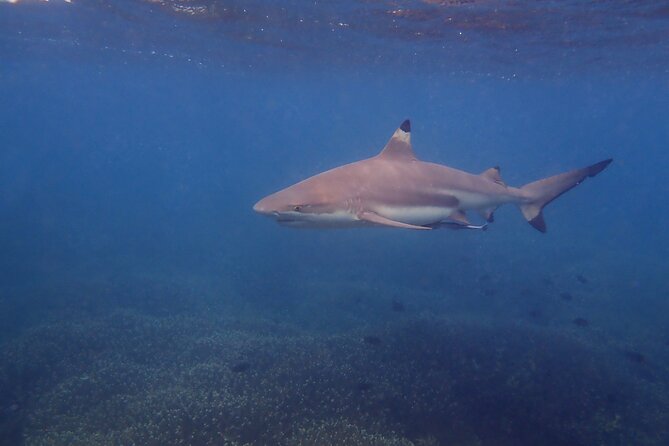
Now for the big question: will you see bigger animals?
You should go in expecting small stuff first—corals, fish, and that constant movement of reef life. Then with some luck, you might get the headline sightings that make Pigeon Island famous.
The trip specifically mentions possible encounters with:
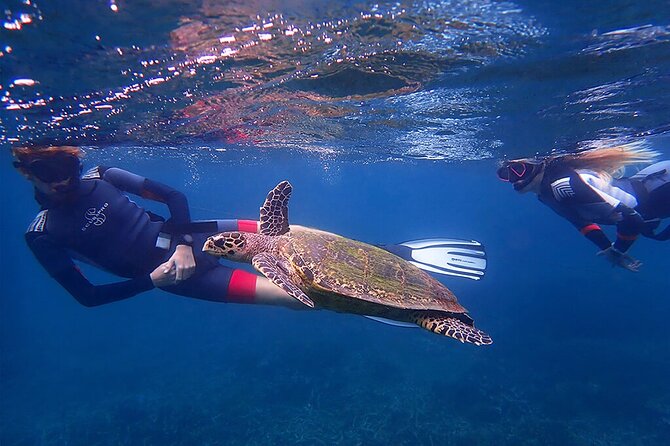
- Turtles
- Rays
- Blacktip reef sharks in shallow water
That last one is the most exciting, and the phrasing is important: it’s not promised, but the fact that it’s described as shallow-water makes it feel more achievable. You’re snorkeling near the island around the reef, not far offshore in deep water.
If you’re wondering how to maximize your odds, don’t overthink it. Stay calm, float steadily, and look slightly wider than just the immediate coral edge. Animals tend to pass through the same routes—so if you scan in a relaxed way, you’ll notice when something bigger enters your field of view.
And a small practical note: don’t rush toward a sighting. In a small group, crowding one spot can spook wildlife and make the water feel less pleasant for everyone.
How the 1:30 pm timing and 2–3 hours snorkeling feels in real life
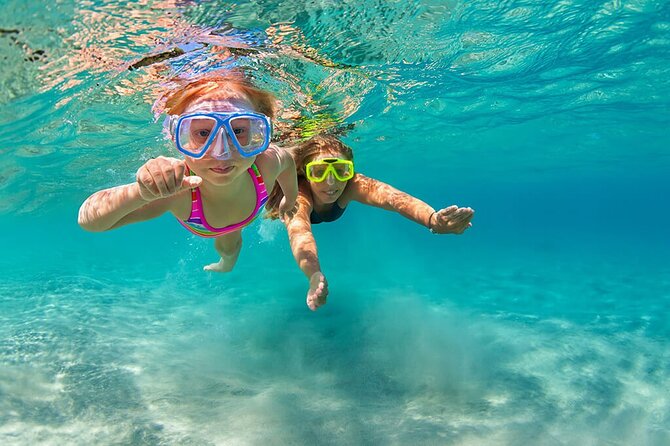
The tour starts at 1:30 pm and runs about 3 hours total. It’s also described as a boat ride of around 10 minutes, with 2–3 hours snorkeling from the shore around the island.
That means the snorkeling chunk is long enough to feel satisfying, but not so long that you’ll get bored or exhausted. The experience is built for drift snorkeling—so you’re not constantly swimming hard for long stretches.
In practical terms, I’d treat it like an afternoon activity. You’ll likely want a light lunch beforehand. Bringing dry clothes in your bag is smart too, since you’ll finish back at the meeting point and probably head straight to the rest of your day by the beach.
Also, because it’s afternoon-based, you get a good rhythm for a Nilaveli stay. One part of the day is for relaxing on land, and the other part is for getting that underwater payoff without turning your entire itinerary into a full-day production.



Price and value: what you pay, what you still need to budget
The tour price is $42.13 per person. That’s the base cost for the snorkeling experience itself, including snorkeling equipment, snacks, and bottled water.
But here’s the financial catch: the entrance ticket to Pigeon Island is excluded. You pay it in cash on arrival to the diving center, and the accepted currencies are Euro, USD, or LKR.
The entrance ticket price is listed as:
- 13,000 LKR per adult
- 6,500 LKR per children under 12
- It’s also described as around €40 per adult
So the real budget is the base tour price plus that entrance fee. Exact totals depend on the exchange rate and the number of adults vs. kids, but you should plan for an extra chunk of money on top of $42.13. If you show up without enough cash, you’ll feel that immediately.
One more small value point: the tour notes group discounts. If you’re traveling with family or friends, it can lower your per-person effective cost compared with booking everyone separately.
Small group comfort: why max 7 people matters underwater
This activity caps at 7 travelers. For snorkeling, that’s not just a nice-to-have—it changes the feel.
With fewer people:
- your group moves more smoothly
- you don’t spend as much time waiting for others
- the guides can keep an eye on everyone’s comfort in the water
I also like that the experience is described as having short, clear logistics: you start at the meeting point, go out, snorkel, then return back to the same meeting point.
If you’re the type who gets stressed in big crowds, this size helps a lot. You can focus on what’s actually happening underwater instead of managing bottlenecks at the water’s edge.
Practical tips to get the most from your snorkeling time
You don’t need expert skills to enjoy this trip, but you can make it better with a few sensible choices:
- Handle your mask first. Make sure it seals comfortably before you begin drifting.
- Use fins gently at first. You want slow, controlled movement—not frantic kicking.
- Look for fish movement patterns. Reef fish often travel along the same routes around coral and rocks.
- Give your eyes a wider range. Scan coral close to you and open water slightly farther out.
- Plan for cash for the entrance fee. You pay on arrival, and the currencies listed are Euro, USD, or LKR.
- Bring a dry layer after you get back. Saltwater and breeze can make you feel cool once you’re out.
If you keep those in mind, you’ll spend more time enjoying the reef and less time fixing small annoyances.
Who should book this, and who might not love it
This trip is a strong fit if you want:
- beginner-friendly snorkeling (no scuba required)
- a short transfer from Nilaveli
- a realistic chance of seeing turtles, rays, and blacktip reef sharks
- a small group experience with gear included
It might be less ideal if you:
- hate paying entrance fees separately and prefer everything bundled upfront
- have mobility or water comfort concerns (the tour says most travelers can participate, but it still involves snorkeling time in open water)
- are easily discouraged by wildlife not showing up the day you go. You’ll still see lots of corals and fish either way, but bigger animals depend on conditions and luck.
Should you book this Pigeon Island snorkeling trip?
I’d book it if you’re doing Nilaveli and want a high-payoff afternoon that’s not complicated. The value is solid for what you get: gear, snacks, bottled water, a short boat ride, and a focused snorkeling session around the reef.
Just don’t forget the entrance fee. That’s the only real “surprise” cost risk here, and it’s avoidable with a bit of cash planning in advance.
If you want a calm, surface-level reef experience with chances at the big-name wildlife—turtles, rays, and blacktip reef sharks—this is one of the smarter ways to spend a few hours on the coast.
FAQ
Do I need scuba training for Pigeon Island snorkeling?
No. The trip is designed for surface snorkeling with a mask, snorkel, and fins, so you don’t need to be a scuba diver.
What’s included in the snorkeling trip price?
The experience includes the use of snorkeling equipment, snacks, and bottled water.
Is the Pigeon Island entrance ticket included in the tour price?
No. The entrance ticket is excluded and is paid in cash on arrival at the center, in Euro, USD, or LKR. Adult pricing is listed as around €40 (or 13,000 LKR), and children under 12 are 6,500 LKR.
How long is the tour, and when does it start?
It’s listed as about 3 hours total, with the snorkeling portion around 2–3 hours. The start time is 1:30 pm.
Will there be pickup from my hotel?
Pickup is offered. The meeting point is DIVINGURU Nilaveli, and the activity ends back at the same meeting point.
What marine life might I see?
You can expect colorful reef fish and hard corals, and with some luck you may spot turtles, rays, or blacktip reef sharks in the shallow water.
What if weather is bad?
This experience requires good weather. If it’s canceled due to poor weather, you’ll be offered a different date or a full refund.