A countryside village day can beat the usual Sigiriya checklist. This tour pairs rural life lessons with hands-on stops: paddy fields, a bullock cart ride, a traditional catamaran on a lake, and a cooking demonstration before you eat an authentic Sri Lankan lunch. I like that the group stays small (max 10), so your guide can actually answer questions without rushing you. I also really value having lunch included, because it saves time and lets you try real local food. One consideration: entrance fees are not included, and some reviews mention the day can feel slow if the schedule runs behind, so plan to stay flexible.
You’ll be picked up from select hotels, and you’ll get a mobile ticket. The tour runs about 2 hours 30 minutes, so it’s short enough to fit into a busy Sigiriya itinerary, but long enough to feel like more than a quick photo stop.
In This Review
- Key points to know before you go
- Sigiriya village life: why this tour feels more real
- What you’re actually paying for (and what you’re not)
- Pickup and timing: how to make the day run smoothly
- Stop by stop: what happens during the village route
- The paddy fields: where the tour starts to teach
- Bullock cart ride: slow transport, real context
- Traditional catamaran boat ride: a calm reset
- Chena cultivation visit: how traditional farming works
- Cooking demonstration: ingredients meet technique
- Lunch: the payoff (and what to expect)
- How “small group” changes the experience
- Best fit: who should book this village tour
- Booking sanity check: the few things to verify
- Should you book this Sigiriya Village Tour?
- FAQ
- FAQ
- How much does the Sigiriya Village Tour with Typical Lunch cost?
- How long is the tour?
- Is lunch included?
- Is the entrance fee included?
- Is hotel pickup provided?
- What group size is this tour?
- What happens if the weather is bad?
- How flexible is cancellation?
Key points to know before you go
- Bullock cart ride in the countryside: it’s one of those slower, people-watch moments that makes the day feel like Sri Lanka outside the main roads.
- Traditional catamaran boat ride: expect a calm change of pace after the land-based parts of the route.
- Chena cultivation explained: you’ll learn the traditional method of farming from the ground up, not just through a slideshow.
- Cooking demonstration: you’ll see how local cooking techniques and ingredients come together before you sit down to eat.
- Authentic lunch included: you don’t have to guess where to eat or what to order after the tour.
- Small group size (up to 10): better questions, easier movement, and less waiting around.
Sigiriya village life: why this tour feels more real
Sigiriya gets all the attention. The lion rock, the views, the history—sure. But one easy way to make your day more human is to spend it in the village around it, where farming, cooking, and daily routines shape what you see.
This tour is built around exactly that idea. You’ll move through paddy fields, ride a bullock cart, and hop onto a traditional catamaran ride in a lake setting. That mix matters because it’s not only scenic. It’s practical. It shows you how people work with water, soil, and seasonal timing. Even if you’re not a farming nerd, the explanations around chena cultivation can change how you look at the countryside.
For me, the biggest value is the pairing: the day teaches you something, then you get to taste it. After the chena and the cooking demonstration, the included lunch doesn’t feel like an afterthought.
You can also read our reviews of more tours and experiences in Sigiriya.


What you’re actually paying for (and what you’re not)
The price is $35 for about 2.5 hours. For Sri Lanka, that’s a fair chunk of value when the tour includes lunch and multiple activities like cart riding, a lake boat segment, and a cooking demonstration.
Here’s the part to watch: entrance fees are not included. Since the tour name includes Sigiriya, you should assume you may still need to cover any ticketed entry for particular sites during the day. If you’re planning to visit the main attraction the same day, check whether your other plans include that fee or not. This tour is more about village experiences than a ticketed-park circuit.
Also, because it’s a small group (maximum 10), you’re not paying for a giant bus experience. You’re paying for guided time and transport coverage from select hotels.
Pickup and timing: how to make the day run smoothly
You may be picked up from select hotels, and you’ll also receive a mobile ticket. That combination usually means the day starts with fewer hassles than a DIY route.
Still, do two things to protect your time:
- Ask your pickup window expectations when you book, so you aren’t surprised by local timing.
- Keep your day plan flexible after the tour, especially if you’re pairing this with Sigiriya Rock entry later.
One caution from past experiences: a small number of people complained about waiting and slow pacing when the day didn’t start as smoothly as they expected. I can’t predict how your day will go, but I’d treat that as a reason to stay calm, check in if timing drifts, and be ready to shift your plans if you’re working with a tight schedule.
Stop by stop: what happens during the village route
The tour is organized as a village-focused loop starting from the Sigiriya area. While your exact sequence may vary slightly, the experiences are clearly laid out: paddy fields, bullock cart ride, a lake boat segment, chena farming, a cooking demonstration, and then lunch.
The paddy fields: where the tour starts to teach
You’ll begin with countryside views, including paddy fields. This isn’t just scenery. Paddy agriculture connects directly to water management, labor rhythms, and seasonal cycles. When the guide points out what you’re seeing—how the fields work and why water matters—it gives the rest of the day more meaning.
If you’ve only seen rice fields as background in photos, this is your chance to understand how people actually fit farming into daily life. Take a moment to look beyond the green patches: you’ll usually notice differences that hint at stages of growth, irrigation patterns, and where work would happen.




Bullock cart ride: slow transport, real context
Then comes the highlight most people remember: a bullock cart ride. It’s not just fun. It changes your speed and your perspective. You stop being the passenger watching a road and start being part of a slower rhythm that fits rural life.
A couple practical tips for this part:
- Wear shoes you don’t mind getting dusty.
- Sit where you can enjoy the scenery without fighting the cart’s movement.
- Keep your phone secured and ready—at a slow pace, you’ll want photos, but you’ll also want balance.
This is one of those activities where you get more from it when you treat it like a lived experience, not a ride you just need to tick off.
Traditional catamaran boat ride: a calm reset
After the cart and fields, you’ll take a boat ride—described as a traditional catamaran ride in a lake. This segment often becomes a mental reset. The pace slows further, the sounds change, and you get a new viewpoint on the water and surrounding area.
It’s also a nice way to break up the day. With a 2.5-hour total duration, the tour needs those “breathers,” and this boat portion does that job well.
If you’re sensitive to sun, bring a hat or light layer. Sri Lanka can be bright, and you may spend time looking around before and during the ride.
Chena cultivation visit: how traditional farming works
Next is the part that turns the day into more than sightseeing: chena cultivation. Chena is a traditional method of agriculture, and the value here is the explanation—how rural families historically used land in a way that fits changing conditions.
This part is especially helpful if you like understanding what you see. The countryside you’re seeing doesn’t happen randomly. It’s managed. Chena farming helps explain how people adapt and work with cycles rather than only chasing instant yields.
Listen for the practical cues your guide shares. Even if some terms are new, you’ll understand the logic because you’re standing in the environment where it happens.
Cooking demonstration: ingredients meet technique
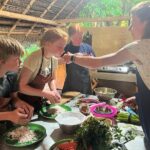
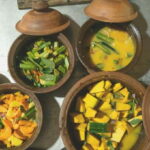
Then you’ll head to a rural village house for a traditional cooking demonstration. This is where the tour gets hands-on in a different way: not by doing the work yourself, but by watching how food is prepared and why certain ingredients are used.
Pay attention to the sequence. Cooking demos can feel like theater, but the best ones connect technique to local ingredients and everyday cooking needs. When it’s followed by lunch, the demo helps you recognize flavors and choices in your meal.
If you enjoy learning how people cook more than collecting recipes, this is your moment. You’ll usually walk away with a clearer idea of what makes Sri Lankan meals feel balanced and comforting rather than only spicy.
Lunch: the payoff (and what to expect)
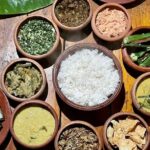
Lunch is included and described as authentic Sri Lankan fare. Having the meal at the end of the demonstrations is smart. It means you taste what you just learned about, instead of going for lunch later with no context.
Because the tour labels it as typical local lunch, don’t expect it to be fancy or restaurant-style. Think family-style, hearty, and made for feeding people comfortably.
Also, since entrance fees are not included, confirm whether lunch timing protects you from having to rush between attractions. A guided lunch at the end of an activity sequence is often the easiest part of the day.
How “small group” changes the experience
A maximum of 10 travelers doesn’t sound like much on paper, but in practice it matters. Fewer people means:
- easier movement through rural spaces
- more time for questions
- less waiting while everyone gets sorted
It also helps you actually hear the guide when they explain chena farming and the logic behind local cooking. In a big group, those moments often get lost.
If you’re the type who likes to ask follow-up questions—why something is grown this way, how a process works—this size is a good match.
Best fit: who should book this village tour
This tour fits best if you want a countryside Sigiriya experience that’s not only about famous landmarks. I’d especially recommend it if you:
- enjoy hands-on, everyday activities like cart rides and cooking demos
- like learning through observation, not just reading signs
- want a short day plan (about 2.5 hours) that still feels like more than a drive-by
It may feel less ideal if you’re rushing for a strict schedule with multiple timed attractions, since village routes can move at their own pace and entrance fees aren’t included.
Booking sanity check: the few things to verify
Before you confirm, I’d double-check these points so there are no surprises:
- Entrance fees: make sure you know what your plan covers, since they’re not included.
- Pickup: confirm whether your hotel is in the select pickup area.
- Weather: the tour requires good weather, and you should expect plan changes if conditions aren’t right.
- Group start: if you’re sensitive to timing, keep a buffer for the day after.
Should you book this Sigiriya Village Tour?
If you want a genuine slice of rural life around Sigiriya, this tour is a strong buy for $35, especially because lunch is included and the day has multiple activity stops rather than one long drive. The bullock cart ride plus the cooking demonstration are the kind of combo that makes the afternoon feel earned.
The main reason not to book is if you’re planning a very tight timetable that depends on exact minute-by-minute flow, since some people have flagged pacing and waiting issues in the past. If you’re the flexible type—ready to enjoy the rhythm of the countryside—then this is the kind of tour that can make your Sigiriya trip feel more personal.
FAQ
FAQ
How much does the Sigiriya Village Tour with Typical Lunch cost?
The tour costs $35.
How long is the tour?
It runs about 2 hours 30 minutes (approx.).
Is lunch included?
Yes. Lunch is included as part of the tour.
Is the entrance fee included?
No. Entrance fees are not included.
Is hotel pickup provided?
Transfers from select hotels are provided.
What group size is this tour?
The tour has a maximum of 10 travelers.
What happens if the weather is bad?
The experience requires good weather. If it’s canceled due to poor weather, you’ll be offered a different date or a full refund.
How flexible is cancellation?
You can cancel for a full refund up to 24 hours before the experience’s start time. If you cancel within 24 hours, you won’t get a refund.