A village day around Sigiriya can feel surprisingly hands-on. This one pairs traditional transport, calm water views, and a cooking moment that turns lunch into something you understand. You get a local guide, easy tuk-tuk pickup, and a route that stays focused on everyday life instead of just scenery.
Two things I really like: the oxen cart ride that shows how people move in the village, and the Sri Lankan cooking demonstration that actually gives you something to try, not just watch. The day also moves at a relaxed pace, so it does not feel like a race between photo stops.
One possible drawback: it involves walking and time on small boats and village paths. If you’re short on mobility or hate sun, plan for a slower rhythm and bring your hat game.
In This Review
- Key Highlights You’ll Care About
- Price and What You’re Really Paying For ($25)
- Tuk-Tuk Pickup at 10:30am: Simple Start, Clear Flow
- The Village Walk: Learning Everyday Life at Human Speed
- Oxen Cart Ride: Traditional Transport, Close-Up Views
- Catamaran Safari Over the Reservoir (and Why It Feels Calm)
- Paddy Fields and Rice Cultivation: Seasonal Farming, Not a Lecture
- Cooking Demonstration (30 Minutes): Where the Meal Gets Personal
- Lunch on Lotus Leaves: Curries, Fried Fish, and a Proper Village Spread
- The Leisure Time After Lunch: Don’t Rush This Part
- Who This Sigiriya Tour Is Perfect For (and Who It’s Not)
- Should You Book This Sigiriya Village Tour and Lunch?
- FAQ
- What time does the Sigiriya village tour start?
- How long is the tour?
- What’s included in the lunch?
- Is hotel pickup and drop-off included?
- How big is the group?
- What should I bring?
Key Highlights You’ll Care About
- Oxen cart transport that feels old-school and practical, not staged
- Catamaran safari on a reservoir with chances to spot wildlife from the water
- Paddy fields + rice cultivation talk in plain language tied to the seasons
- 30-minute cooking demonstration where you can try making Sri Lankan cuisine
- Buffet lunch served on lotus leaves with multiple curries plus fried fish
- Small private setup (max 8) that keeps the experience personal
Price and What You’re Really Paying For ($25)
At $25 per person for about 3 hours, this isn’t just “a tour.” It’s a bundled day of transport, guiding, and food. That matters in Sigiriya, because the area around the rock gets crowded fast and most pricey options turn into quick look-see moments.
Here, your money goes toward three tangible parts:
- Getting picked up and dropped off by tuk-tuk from your Sigiriya hotel
- Doing two traditional transport experiences (oxen cart and catamaran)
- Eating a full village-style lunch, plus a cooking demonstration
The biggest value is that lunch is not an afterthought. It’s built into the schedule, right after the rice and cooking steps, so your meal lands with context. If you’ve ever eaten curry somewhere and thought, wait, how did this get made, this tour tries to answer that.
You can also read our reviews of more tours and experiences in Sigiriya.


Tuk-Tuk Pickup at 10:30am: Simple Start, Clear Flow
You start at 10:30am with a tuk-tuk pickup from your Sigiriya hotel. That’s a big deal if you don’t want to figure out local transport on a ticking clock. It also keeps the morning easy: you show up, meet your guide, and go.
Right after the pickup, there’s a short walk where your guide explains village life. Then the day shifts into hands-on modes of travel. Expect the rhythm to be steady rather than rushed: walk, ride, water, rice, cook, eat, and then a bit of free time in the village.
One practical note: you’ll be outdoors for most of it. Comfortable walking shoes help more than you’d think, even though the walk is not described as long.
The Village Walk: Learning Everyday Life at Human Speed
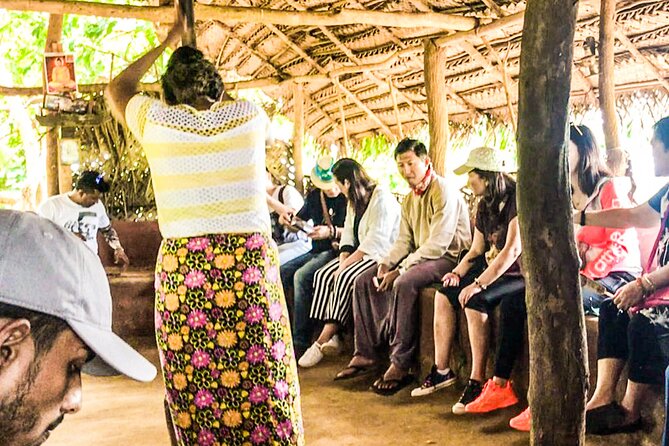
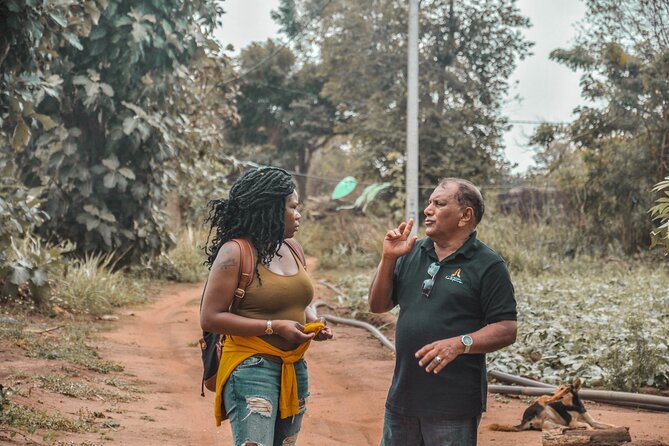
Before you hop on the oxen cart, you get a quick walk around the village. This part is less about big sights and more about understanding how life is organized. Your guide shares insights into local life in Sri Lanka, and you’ll get your bearings fast for what you’ll see later.
This early stop works because it sets expectations. Once you know what you’re looking at—homes, work rhythms, and the ways farming and daily transport connect—you notice more during the rides. Without that, the day can feel like a sequence of nice activities. With it, it becomes a story.
If you like chatting with locals and asking questions, this is the segment where your guide can really connect it all together.
Oxen Cart Ride: Traditional Transport, Close-Up Views
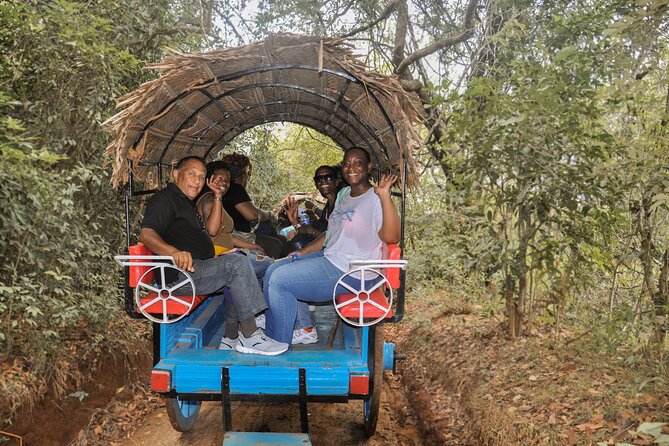
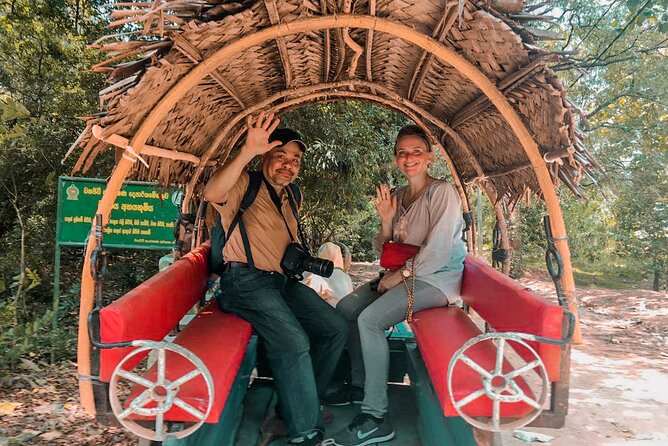
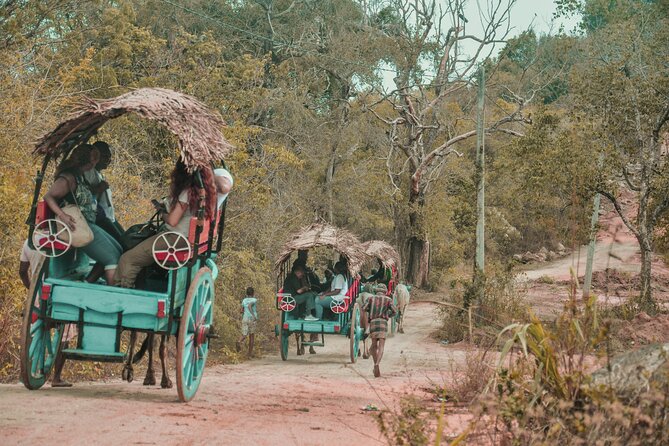
Around 10:45am, you switch to the oxen cart, and it’s the main “this is different” moment of the day. You’ll get about a 15-minute ride. It’s described as the village’s primary mode of transport, which is what makes it more than a novelty.
What you’ll feel on this ride is speed and texture. The pace is slow, so you can look around rather than just hold on. You’re also moving through village areas in a way that’s more natural than a vehicle track.
When the ride ends, you reach the banks of an artificial reservoir. That sets up the next shift: from land sounds to water views.
Catamaran Safari Over the Reservoir (and Why It Feels Calm)

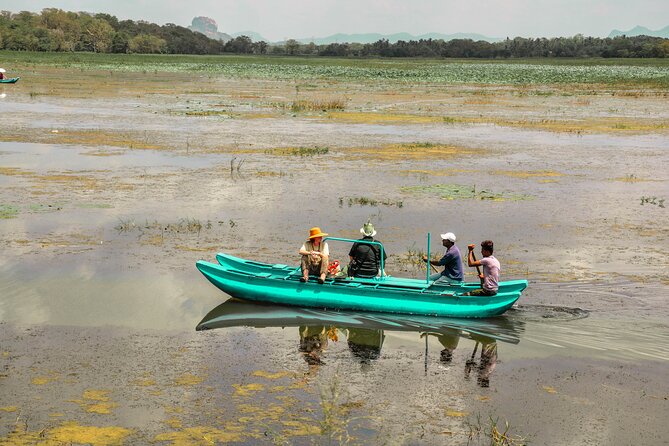
Next comes a 15-minute catamaran ride on the reservoir. This is where the mood changes. Instead of walking and riding through village paths, you’re on the water, watching aquatic plants and wildlife activity.
The tour notes that you may have chances to spot local wildlife like crocodiles and birds. You’re not going to be doing anything hands-on dangerous—think of it as wildlife viewing from a calm platform.
One of the standout perks here is the view. The reservoir area can offer wide perspectives, and it’s especially nice if you like seeing Sigiriya as more than just the big rock on the horizon. The catamaran segment is also quick enough to keep it fun, not tiring.
And yes, bring your hat. The day suggests hats, and there’s even an extra playful touch that some people remember as part of the boat-time experience. Even if you don’t get a souvenir hat moment, the sun is real, and you’ll want shade.




Paddy Fields and Rice Cultivation: Seasonal Farming, Not a Lecture
After the water stop, you explore seasonal paddy fields and learn about rice cultivation methods. This part is valuable because it connects food to the landscape (literally the fields you see, not just a theory lesson).
The tour frames this as practical knowledge. You’ll be learning how rice growing works in Sri Lanka and why cultivation changes with the season. That’s the kind of info that makes your later meal feel more connected.
A small but important tip: if it’s hot, this is the segment where you’ll want a water-proofing mindset (hat, sun protection, take a slower pace). Even with shade or brief pauses, you’re outdoors and moving.
Cooking Demonstration (30 Minutes): Where the Meal Gets Personal

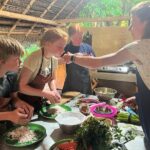
Then you head back to the village for a cooking demonstration by a local villager. It’s about 30 minutes and is set up as something interactive, not just a show.
This is the moment that turns the lunch from “food provided” into “food with meaning.” You learn how Sri Lankan cuisine is built—flavor logic, cooking methods, and the basics that help you recognize what you’re eating.
What to expect from this segment:
- A local cook leads the demo
- You watch, and you’ll also get your hands involved in making the food (as described as trying your hand at Sri Lankan cuisine)
- After that, the meal is served in a traditional village-style format
If you enjoy cooking or just want to understand the food beyond tasting it, this is your best payoff.
Lunch on Lotus Leaves: Curries, Fried Fish, and a Proper Village Spread
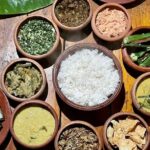
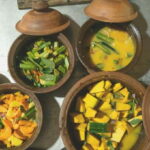
After cooking comes lunch: a buffet with several Sri Lankan curries, freshly fried fish, green salad, and papadum. What makes it feel special is how it’s served—on lotus leaves in a traditional style.
This detail matters. Serving food this way changes the vibe. It’s not a buffet line in a hotel dining room. It’s a village meal setup, and you’ll likely eat slower because the setting encourages it.
A good value read: the lunch is included, so the $25 price covers more than “a small snack.” You’re getting multiple curry options plus fish and sides. If you’re comparing costs to eating separately around Sigiriya, this meal-by-default structure helps.
Also, the tour description says food and drinks are not included unless specified. In practice, you should treat lunch itself as included, but if you want beverages beyond what’s offered with lunch, plan to pay separately.
The Leisure Time After Lunch: Don’t Rush This Part
After eating, you get some leisure time in the village before returning to your hotel by tuk-tuk.
This is your buffer. You can ask follow-up questions to your guide, look around at what you didn’t have time to notice, or just sit in the shade for a bit. That matters because the day has several moving parts (cart, boat, cooking), and you don’t want the ending to feel like a straight sprint.
It’s also where this kind of tour can surprise you. Sometimes the most memorable moments are quiet ones: watching daily work, seeing how kids and adults use the space, or catching a slower rhythm you wouldn’t find from a viewpoint.
Who This Sigiriya Tour Is Perfect For (and Who It’s Not)
This tour fits best if you want:
- A real local life experience that stays practical (transport and food, not just monuments)
- A gentle, structured day in a compact time window (about 3 hours)
- Traditional activities that are short enough to stay comfortable
It’s especially good for people who plan to see Sigiriya Rock and want something different on the same trip. The rock can be intense and physical. This tour is more human and food-forward.
You might be less happy if:
- You dislike walking outdoors, even for a short stretch
- You’re very heat-sensitive
- You expect a “museum-style” history lecture with deep, academic detail (this is more day-in-the-life than classroom)
Minimum age is 10, so it’s not an infant-and-stroller type outing. If your group includes older kids, it can be a fun way to make lunch and transport part of the adventure.
Should You Book This Sigiriya Village Tour and Lunch?
Book it if you want excellent value and a day that feels grounded. For $25, you’re getting guided cultural context, two traditional ride experiences, a rice farming learning moment, and lunch included in the same storyline. That combination is hard to beat when you’re trying to keep costs reasonable in Sigiriya.
Skip (or reconsider) if you want only big-ticket sights, or if you know you’ll feel uncomfortable with outdoor heat and walking. Also, if you’re the type who hates boats or sun exposure, adjust expectations—this day is outdoors by design.
If you do book, a few simple moves will help you enjoy it more: wear comfortable shoes, bring a hat, and keep your camera ready for water views and village scenes, not just the rock itself.
FAQ
What time does the Sigiriya village tour start?
The tour starts at 10:30am, with tuk-tuk pickup from your Sigiriya hotel.
How long is the tour?
The experience runs about 3 hours.
What’s included in the lunch?
Lunch is a buffet with several Sri Lankan curries, freshly fried fish, green salad, and papadum, served in a traditional style on lotus leaves.
Is hotel pickup and drop-off included?
Yes. You get complimentary hotel pick-up and drop-off by tuk-tuk from and back to your accommodation in Sigiriya.
How big is the group?
The maximum is 8 people per booking, and it’s a private tour/activity where only your group participates.
What should I bring?
Comfortable walking shoes and a hat are recommended since you’ll be outdoors and doing some walking.