Night snorkeling in Mirissa feels like stepping into another world. Going after sunset turns the usual coral-and-fish routine into a chance to spot nocturnal sea life with a guide who keeps things clear and safe. I especially like how this is set up as a private experience, so the instructor can match the pace to your comfort in the dark water.
You’ll get your snorkel gear, practical training, and help with hotel transfers, which makes the whole thing feel easy to handle on a Sri Lanka trip. My other favorite part is the animal variety people go for here—think turtles and octopus—because some of the action just doesn’t show up in daylight.
One thing to consider: night water can mean reduced visibility, and the experience is best if you’re okay with a darker, slightly less predictable setting than daytime snorkeling.
In This Review
- Key highlights (what makes this worth your time)
- Night snorkeling in Mirissa: what you’re really signing up for
- Timing and what the 7:30 pm start means
- Meeting up and getting into the groove
- The pre-water check: what the guide should ask you
- Into the water: flashlights and the reef at night
- The star sightings: turtles, octopus, and nocturnal fish
- What “private” changes for you
- Equipment, guiding, and training: why it matters beyond convenience
- Price and value: is $55 per person worth it?
- Weather matters more than you think
- Who should book this night snorkeling in Mirissa
- Booking tips that actually help
- Should you book night snorkeling with ZRI Adventures in Mirissa?
- FAQ
- What time does night snorkeling in Mirissa start?
- How long is the night snorkeling experience?
- Where does the experience meet and end?
- Is pickup or hotel transfer included?
- What does the price include at $55 per person?
- Is this tour private?
- What marine life can you expect to see?
- What happens if weather is poor?
- Is free cancellation available?
Key highlights (what makes this worth your time)
- Private night experience: Only your group goes in, guided start to finish
- Hands-on training first: You check comfort before the water
- Flashlights for visibility: Helps you see marine life after dark
- Turtles, octopus, and more: You’re targeting animals that tend to appear at night
- Pickup and transfers included: Less scrambling after your day in Mirissa
Night snorkeling in Mirissa: what you’re really signing up for
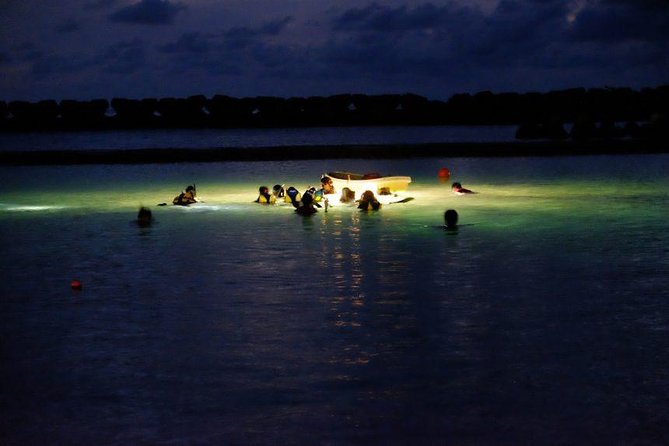
Mirissa is a popular base on Sri Lanka’s south coast, but daytime snorkeling is only part of the story. This night outing is about behavior—who comes out after the sun drops, how the reef looks under light, and the feeling of watching sea creatures do their nighttime routine.
The practical win is that the experience is structured. You don’t just get gear and a suggestion to swim out. You meet a guide, get the equipment and basic coaching, and then you head in with flashlights. That matters because night snorkeling is different: it’s darker, you move slower, and your eyes work a bit harder.
For me, the appeal is simple. If you like marine life, you want the animals at the time they’re active. And if you’ve only snorkeled in calm daylight, this gives you a totally different way to see corals and fish.
You can also read our reviews of more tours and experiences in Galle.



Timing and what the 7:30 pm start means
You start at 7:30 pm in Mirissa. The activity runs about 2 hours, and it ends back at the same meeting point.
That timing is key. A morning snorkeling slot is bright and fast—you mostly react to what’s in front of you. At night, you’re more likely to notice small movements, silhouettes near coral, and slow passes by creatures that are usually tucked away. Plan to keep the rest of your evening light. You’ll want to be ready to get in the water without rushing a dinner plan.
Also, if you’re the kind of person who likes closure, you’ll probably appreciate the fixed timing. You’re not guessing how long it takes or when you’ll be done. You’ll be back at the start point after the session.
Meeting up and getting into the groove
You’ll meet your guide at the provided location in Mirissa. The setup is designed so you’re with your guide the whole time, with the necessary equipment and items for good visibility.
In real-world terms, that means two things:
- You’re not left figuring out gear and logistics in the dark.
- The guide can adjust the pace quickly if you’re nervous or if the water conditions are trickier than expected.
You may also experience friendly, direct communication before the activity. One example from earlier participants: the day before, they got a call via WhatsApp about pickup by tuktuk to the nearby dive center area. That’s not something you should assume will happen exactly the same way for everyone, but it gives you an idea of how responsive the team can be when coordinating.
If your hotel is in Mirissa and you requested it, pickup is offered and hotel transfers are part of the package. That reduces stress, especially if you’ve already spent a day driving around Sri Lanka.
The pre-water check: what the guide should ask you
This experience is built for different comfort levels, from first-timers to experienced snorkelers. One of the best signs is that the guide typically asks about your swimming confidence and snorkeling experience before you head in.
You’ll do better if you’re honest here. If you know you get tense in low visibility, say so. The whole point of the “training and guiding” component is to help you feel steady before you’re in the sea.
Even with confident swimmers, night snorkeling is still a little humbling. The water changes, visibility is lower, and your brain takes a moment to adjust. Getting that check-in early helps the guide manage distance, pace, and where you focus your attention.
Into the water: flashlights and the reef at night
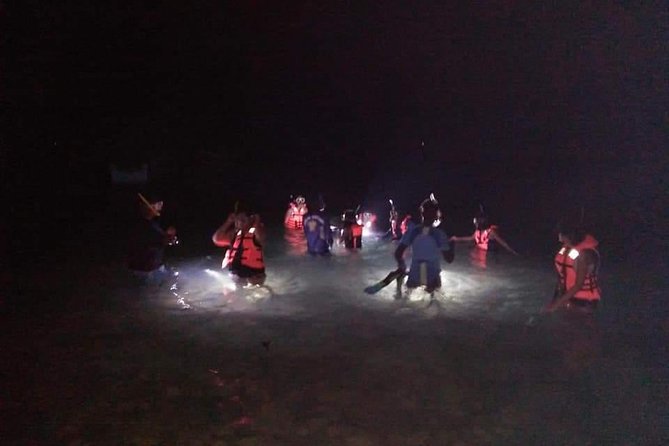
Once you’re geared up, you go in at night to explore the underwater world. Flashlights are part of the experience, used to improve visibility so you can actually see what you’re looking at.
Here’s what to expect once the light hits the reef:
- Corals and rock edges look different under a beam of light—shapes pop out, and color can shift.
- Fish behavior changes. Some species feel more active or visible; others retreat and become harder to spot.
- You start scanning slowly. At night, quick kicks usually mean you miss the moment.
The best strategy is to slow down. Keep movements gentle. Let your guide set the rhythm. If you rush, your light bounces, visibility gets worse, and it’s harder to spot creatures that only appear for short stretches.



The star sightings: turtles, octopus, and nocturnal fish
The headline animals are turtles and octopus. It’s not just marketing—these creatures are known for changing activity patterns, and night is when you stand a better chance.
People also report plenty of other life during the outing, such as:
- puffer fish
- sea urchins
- many other reef fish
- corals you can see more clearly when the flashlight angle hits them right
One account highlights a particularly memorable moment: being close enough to snorkel near a turtle and even touch it. That kind of interaction is never guaranteed, and you should treat it as a maybe, not a promise. What you can count on is the guided search for nighttime marine life and the time spent looking.
Also note: the ocean at night can feel challenging. One person described it as a real challenge because it was dark with reduced visibility. The upside was that the experience felt spectacular, and they didn’t feel unsafe because everything was organized and controlled.
What “private” changes for you
Private tour means it’s just your group. That changes the experience in a few very practical ways:
- Your guide can spend extra time with you if you’re new to night snorkeling.
- You’re less likely to get separated from the group if your comfort level is different.
- You’ll often get a calmer, more focused look rather than a rushed flow.
It’s also easier to fit into your vacation schedule. If you’re traveling with a friend or partner, private helps you avoid the feeling of joining a group that moves at a pace you don’t match.
Equipment, guiding, and training: why it matters beyond convenience
The package includes equipment, guiding, training, and transfers. That’s not just “nice to have.” It directly affects how safe and enjoyable the experience feels.
In practical terms, good training and gear support you in three ways:
- You learn how to handle your snorkel in a low-light setting.
- You get coached on how to move so you don’t spook wildlife or break your own rhythm.
- You’re not guessing about what the guide expects.
And because the guides stay with you, you’re not left making decisions in uncertain conditions. Night water can be intimidating for first-timers. This format is built to reduce that intimidation.
Price and value: is $55 per person worth it?
At $55 per person, this sits in the “mid-range tour” category. For me, the real value isn’t just the price tag—it’s what’s included. You get:
- pickup offered / hotel transfers
- equipment
- guiding and training
- flashlights for visibility
- a private group setup
If you’ve ever booked snorkeling where you show up, get gear, and spend most of the time figuring things out, you know how quickly that stops feeling like a bargain. Here, the whole structure is geared toward helping you actually see nocturnal marine life without added stress.
One more value point: booking tends to happen about 35 days in advance on average, which suggests these slots fill up. If you’re visiting during a busy time, booking early helps you avoid time conflicts with your other plans.
Weather matters more than you think
The activity requires good weather. If conditions are poor, it can be canceled due to weather, and you’ll be offered a different date or a full refund.
At night, wind and rough water can change the feel of the whole outing fast. So think of weather as part of the “quality control” for the experience, not just a rule. If the operator reschedules, it’s usually because the water won’t deliver the visibility and comfort you need for a safe snorkel session.
Who should book this night snorkeling in Mirissa
This works well if you:
- want a different snorkeling experience than daytime sightseeing
- are curious about nocturnal marine life and turtle/octopus chances
- like the comfort of being with a guide the whole time
- prefer a private setup for a calmer experience
It may be less ideal if you:
- strongly dislike being in darker, less predictable water
- hate any feeling of reduced visibility
- want a very fast, constantly exciting experience with no quiet scanning time
If you’re nervous but willing to follow instructions, you’re still in the right place. The experience is designed to support first-timers, especially when you communicate your comfort level up front.
Booking tips that actually help
A few practical things to do before you go:
- Reach out and confirm your pickup/transfer arrangement if you’re relying on it.
- If you have any uncertainty about swimming at night, say it before entering the sea.
- Give yourself time to relax before the 7:30 pm start so you’re not rushed.
Because mobile tickets are used, make sure your phone has enough battery and that you can show the ticket when you meet.
Should you book night snorkeling with ZRI Adventures in Mirissa?
If your goal is a more authentic “Sri Lanka at night” marine experience, I’d say yes. The night timing, the flashlight-guided setup, and the focus on nocturnal creatures make this more than a novelty. At $55, it feels like solid value—especially because equipment, training, and transfers are handled for you.
The only real hesitation is discomfort with darkness and reduced visibility. If that scares you, don’t force it. But if you can handle a little uncertainty and you trust the guide to keep you supported, this can be one of those trips that sticks in your memory—not because it was flashy, but because it felt personal, safe, and genuinely different.
FAQ
What time does night snorkeling in Mirissa start?
It starts at 7:30 pm.
How long is the night snorkeling experience?
It lasts about 2 hours.
Where does the experience meet and end?
You meet in Mirissa, Sri Lanka, and the activity ends back at the same meeting point.
Is pickup or hotel transfer included?
Pickup is offered, and hotel transfers are included.
What does the price include at $55 per person?
The experience includes equipment, guiding, training, and hotel transfers, with a mobile ticket.
Is this tour private?
Yes. It’s a private tour/activity, so only your group participates.
What marine life can you expect to see?
You can look for nocturnal sea life such as turtles and octopus, plus other creatures that may appear only at night.
What happens if weather is poor?
The experience requires good weather. If it’s canceled due to poor weather, you’ll be offered a different date or a full refund.
Is free cancellation available?
Yes. You can cancel up to 24 hours in advance for a full refund.