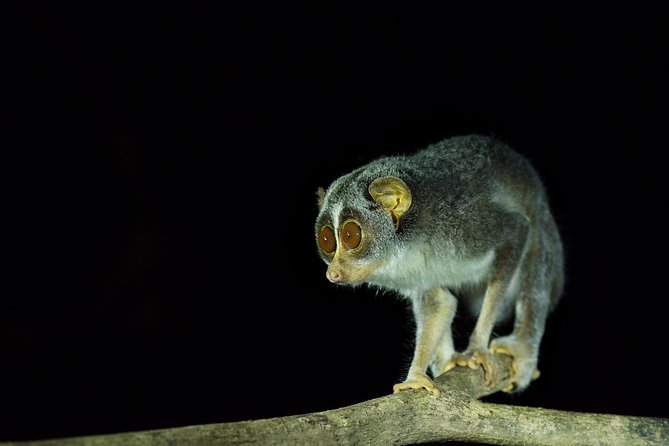
The jungle gets louder after dark, and this night hike in Sigiriya aims for a face-to-face moment with the endangered grey slender loris in Pidurangala’s forested gardens. I love the short naturalist-led intro talk that helps you understand what you’re looking for once the light drops. I also like that the guide team actively helps you move through the undergrowth so everyone has a fair shot at seeing the animals. One catch: sightings can be quick and not guaranteed, and conditions like rain can make the hunt tougher.
This is built for a more personal feel, with a small group size (up to 5) and a private tour option that keeps the pace unrushed. You start and end at Rocko’s Vegetarian Cafe, and you’ll be out there roughly 1.5 hours, which makes it a realistic add-on to an evening in Sigiriya without turning your whole day into a jungle marathon. If you’re the type who gets impatient easily in the dark, plan to slow down and let the guide do the heavy lifting.
In This Review
- Key highlights at a glance
- Why Pidurangala at Night Is a Loris-Catching Masterclass
- Getting There and What the Schedule Feels Like
- The Treehouse Intro That Sets Up Your Whole Walk
- The Night Walk in Back of Beyond Pidurangala Gardens
- What Else You Might See Besides Loris
- Infrared Lighting, Bugs, and Photo Reality Checks
- If Dinner Is Included, Here’s Why It Works
- Price and Value: $29 for a Conservation-Linked Wildlife Search
- Who Should Book This Loris Night Hike
- Weather and Timing: How to Protect Your Chances
- Should You Book This Loris Night Hike?
- FAQ
- FAQ
- Where does the Night Hike start and end?
- How long is the experience?
- What group size should I expect?
- Do you provide pickup?
- Is dinner included?
- What kind of conditions does the activity need?
Key highlights at a glance
- Endangered grey slender loris in Pidurangala: a rare nocturnal primate with real conservation significance
- Naturalist-led short presentation first: learn habits and history before the night walk starts
- Guide-supported night navigation: you’re helped through the trail instead of wandering on your own
- Infrared/head-torch viewing for minimal disturbance: better odds without blasting the habitat
- Optional dinner: same area, convenient and widely praised
Why Pidurangala at Night Is a Loris-Catching Masterclass
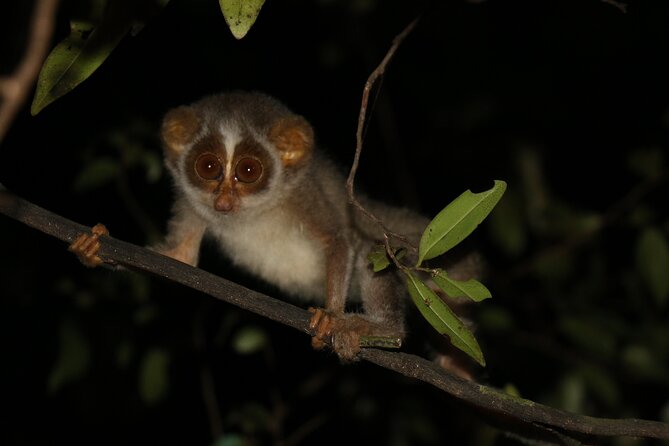
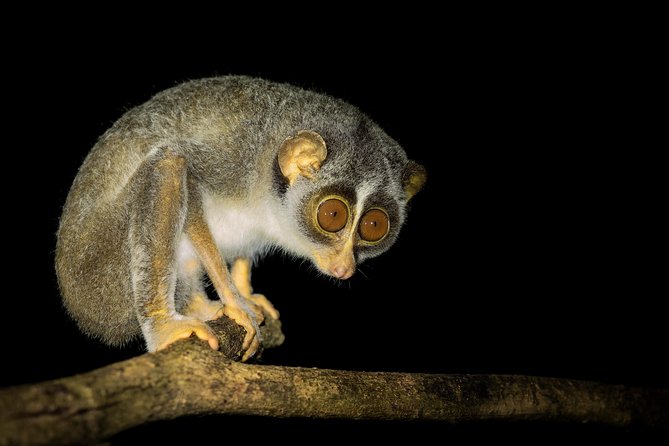
If you love wildlife, you’re probably used to the usual daytime zoo-style viewing. This is different. The grey slender loris is nocturnal, and it’s also endangered, which means you’re not just looking for something cute. You’re looking for a species that can be hard to find even when conditions are perfect.
What makes this hike meaningful is the way the experience is set up to improve your odds while keeping the animals in mind. The night trail is designed to maximize the chance of sightings, and the guides stay with you the whole time. That matters because loris spotting isn’t just about being lucky. It’s also about knowing where to look, how animals react to light, and how to move quietly through the trees without turning the forest into a nightclub.
Also, don’t lock your expectations into only one animal. When the loris doesn’t want to show, the guides can still point out the rest of the living night world. In the same walks, people have spotted everything from moths and crickets to lizards and owls, plus other mammals like mouse deer in at least some cases. Even when loris views are fleeting, the wider night wildlife show can still be a big win.
You can also read our reviews of more tours and experiences in Sigiriya.

Getting There and What the Schedule Feels Like
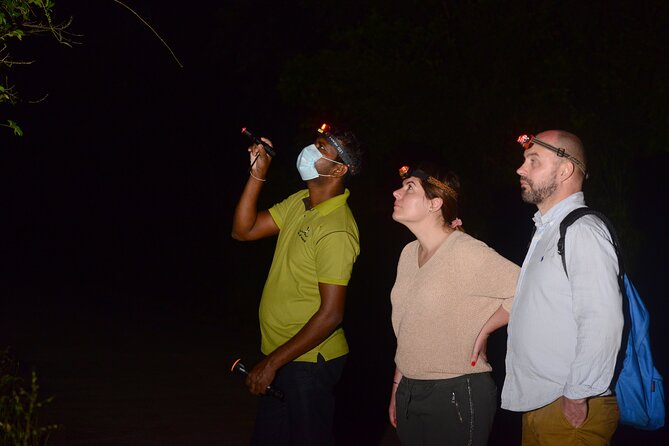
Your tour starts at Rocko’s Vegetarian Cafe in Pidurangala, and the activity ends back at the same meeting point. Pickup is offered, so you don’t necessarily have to figure out every last local detail on your own, and the meeting location is described as near public transportation.
Timing-wise, you’re generally out for about 1 hour 30 minutes. Some evenings start around 7 pm, which is a sweet spot for night wildlife activity and also keeps this from dragging into the late hours. With the small group size (maximum of 5 travelers), the evening feels organized rather than chaotic.
A private tour option is important here. In a group that’s kept small, you’re less likely to get shoved to the back while everyone else lines up for a quick glimpse. It also means the guide can adjust pace based on how the forest is behaving that night.
The Treehouse Intro That Sets Up Your Whole Walk
Before the head torches or night lighting come out, there’s a short presentation. You get it in a treehouse-style setting, and it’s meant to prep you for what you’ll see once you’re inside the trail at night.
This is where you learn the basics that turn a random dark walk into something you can actually follow. You’ll hear about the grey slender loris—why it’s elusive, why it’s endangered, and how it lives in the rainforest. That context makes a big difference when you’re scanning the trees and trying to decide whether that movement you noticed is just a leaf shift or a real animal.
One of the more practical parts of the intro is how it changes your behavior during the walk. When you understand what the loris needs—low disturbance, careful attention, and calm movement—you naturally become a better observer. You also get more out of the guide’s spotting skills, because you can tell what they’re reacting to as they scan the canopy and undergrowth.
The Night Walk in Back of Beyond Pidurangala Gardens
Once the intro ends, you step onto a prepared jungle trail around the Back of Beyond Pidurangala area. This is not a “walk anywhere you want” situation. The guide leads you along a route meant to improve sighting potential, and you’re given hands-on help navigating the lush forest at night.
Expect a walking safari feel: slow, quiet, stop-and-scan, then move a little again. The goal is to get you into position without stressing the animals. That’s also why the guide matters so much. The loris can be present and still invisible unless the light, angle, and timing line up.
Photography is part of the deal. You’ll have opportunities to take photos when the guide spots something. That said, be realistic. Night photography in a dense jungle is tricky. If you’re using a phone or a compact camera, you might find it’s hard to capture what you see with your eyes in real time.
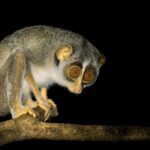
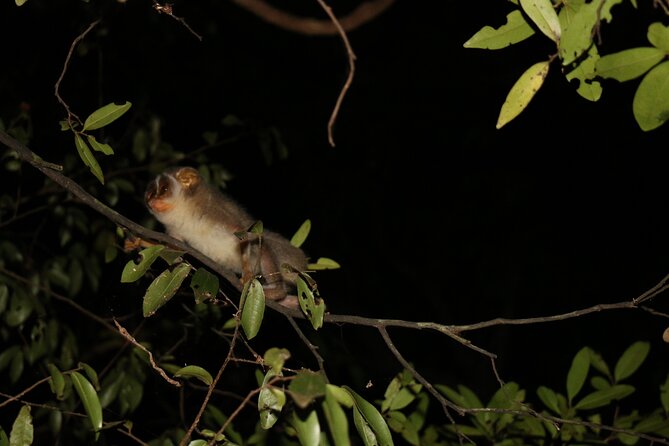
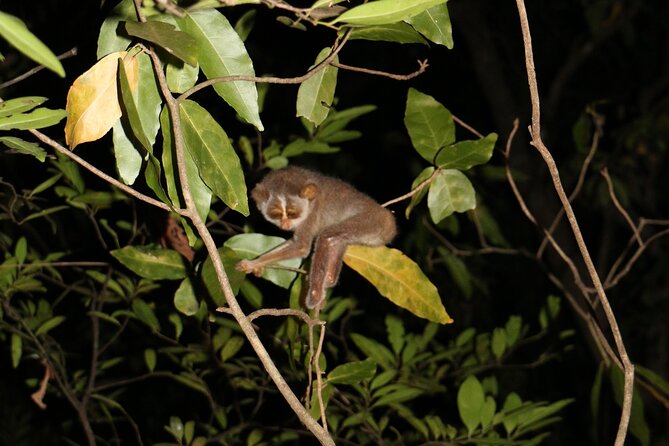
The best moments happen when the loris decides to show itself. Based on what people have reported from these hikes, sightings can include multiple loris in the same session, sometimes even a baby. That’s not something you can schedule, but it explains why this tour feels like a true wildlife search rather than a single guaranteed stop.
What Else You Might See Besides Loris
Even with a loris-focused mission, the night world doesn’t stop there. People have reported seeing a lot of small “extras” that make the walk feel alive and educational, not just luck-based.
Common night add-ons described include:
- Insects like moths and crickets
- Reptiles such as lizards
- Bird life including a nesting owl (in some cases)
- Other mammals in at least some walks, like mouse deer
You’re also likely to notice more than you expected once the night rhythm kicks in. The guides point things out as you go, and that turns the forest into an active classroom.
And yes, there can be other carnivores or civet-like animals mentioned on some walks too. The point isn’t to “collect species.” It’s to appreciate the whole ecosystem that the loris lives inside.



Infrared Lighting, Bugs, and Photo Reality Checks
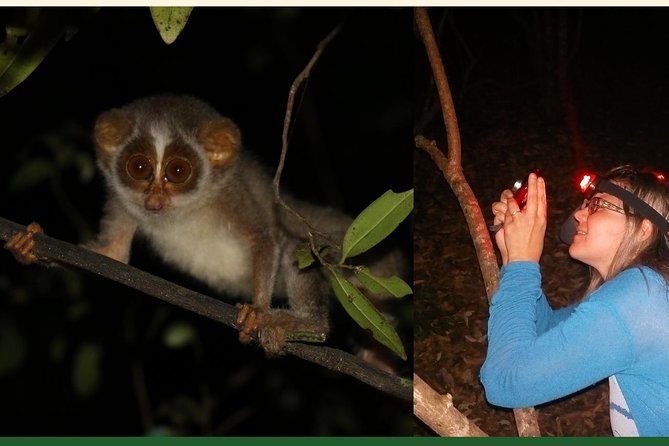
This is a night hike, so comfort and expectations matter. You’ll be using head torches and/or lights to find animals in the dark. One reported approach is using infrared light to reduce disturbance. That’s a smart compromise: you can spot more without turning the animals’ world into full daylight.
Now the practical side. If it’s rained recently, viewing can be harder. That’s not just “bad luck.” Wet air, different insect movement, and changes in how animals respond to sound and light can all shift what the guides are able to line up for you.
Also, plan for bugs. Several people specifically warned that this is a night hike through habitat with a lot of life on the ground and in the air. Wear long sleeves and long pants if you can, and be ready for the fact that you’re walking through the insects’ evening too.
For photos: bring patience and a willingness to take a lot of attempts. Night shots in the jungle can be blurry or poorly framed when you’re reacting quickly to an animal that might only hold still for a moment. The best approach is to accept that your camera might not nail everything, while your eyes still get the memory.
If Dinner Is Included, Here’s Why It Works
There’s an option that includes dinner, and it’s one of those add-ons that actually makes sense. The dinner happens at the restaurant connected to the start of the excursion area, so you don’t have to plan a separate meal after the hike.
The food gets praised as rich and varied, and people describe it as absolutely amazing, with friendly staff. If you’re hungry after your night walk (you likely will be), bundling dinner with the experience can turn a good evening into a full, low-stress package.
Even if you skip the dinner option, remember that this starts from a cafe base. You can keep the evening simple: arrive, get briefed, walk into the night, and then eat where you started.
Price and Value: $29 for a Conservation-Linked Wildlife Search
At $29 per person, this is one of the more affordable ways to target a very specific, very rare animal. The price also helps explain why the small group setup matters. You’re paying for focused guide time, a prepared night trail route, and naturalist-led education—plus the chance to see more than just loris.
Is it expensive for Sri Lanka? Compared to casual strolls or local transport, yes. But compared to wildlife experiences that rely on big vehicles and crowds, the value is stronger here because:
- You get small-group attention
- You get a naturalist presentation before the search
- You get guided navigation in low visibility
The biggest “value risk” is also the most important one to understand: sightings can be quick and not guaranteed every time. Even in a great session, views can be short. So think of this as a guided night safari for a rare nocturnal primate, not as a guaranteed checklist.
If you’re an animal lover, this price feels fair—especially if you choose the dinner option and plan a relaxed evening around it.
Who Should Book This Loris Night Hike
I’d put this on the short list if you:
- Want an authentic night nature experience around Sigiriya
- Care about endangered species and how they’re studied and protected
- Prefer small groups and a guide who helps you actually stay on the right track
- Enjoy listening for movement and spotting with a calm, patient mindset
It also seems to work well for solo travelers. One solo female traveler described feeling comfortable with the short night hike and was lucky to see multiple loris. The key takeaway: with a small group and professional guides, this doesn’t feel like you’re wandering alone into the dark.
If you hate insects, want guaranteed sightings, or need perfect photo results, manage those expectations before you go. The forest won’t follow your schedule.
Weather and Timing: How to Protect Your Chances
This experience requires good weather. If conditions are poor, you’ll be offered a different date or a full refund. That’s not just a fine-print detail—it matters because night wildlife activity can shift quickly with rain.
In practice, that means you should plan your Sigiriya week with flexibility. If you’re booking multiple things on the same evening, keep at least a little room for rebooking if weather forces a change.
Timing also matters. Night wildlife searches can be very sensitive to when you start and how quickly you move. Starting in the early night window (around 7 pm) seems to be the norm, and that’s when many nocturnal animals are most active.
Should You Book This Loris Night Hike?
Book it if you want a guided, conservation-linked night hunt for a rare endangered mammal, and you’re okay with the idea that the forest decides when you’ll see the loris. The naturalist intro, the careful night trail, and the small-group setup are exactly the ingredients that make this feel worth the money even when the best sightings come in brief bursts.
Skip or reconsider if you need a guaranteed animal sighting, dislike bugs, or are counting on consistently sharp night photos. This is a nature experience where your best results come from patience and following the guide’s lead.
FAQ
FAQ
Where does the Night Hike start and end?
The tour starts at Rocko’s Vegetarian Cafe, Pidurangala and ends back at the same meeting point.
How long is the experience?
It runs for about 1 hour 30 minutes (approx.).
What group size should I expect?
The maximum group size is 5 travelers.
Do you provide pickup?
Pickup is offered, but you’ll still meet at Rocko’s Vegetarian Cafe for the start of the activity.
Is dinner included?
An option exists to include dinner, and it’s served at the restaurant associated with the start point area.
What kind of conditions does the activity need?
The experience requires good weather. If canceled due to poor weather, you’ll be offered a different date or a full refund.