Curry smells make the afternoon fly. This hands-on Sri Lankan cooking class in Sigiriya happens in an authentic village kitchen with a local family, using traditional methods and a mix of tools you can realistically understand and repeat later.
What I like most is the sheer payoff. You cook a full spread of eight dishes, including a seafood option, and you do it with the kind of guidance that turns a meal into skills. I also love that the ingredients are tied to the home setup, with reports that produce comes from Malee’s garden, so the flavors feel grounded and fresh.
One thing to plan for: you’ll likely leave with a big meal in front of you. Several people suggest not eating beforehand, because the class produces far more food than you’ll want to waste.
In This Review
- Key things to know before you go
- Sigiriya Afternoon Cooking in Malee’s Village Kitchen
- What You’ll Cook: Eight Sri Lankan Dishes, Including Seafood
- Primitive Tools, Modern Touches: Learning That Transfers Home
- Inside the Cooking Flow: Prep, Cook, and Get Everyone Eating
- The Taste Lesson: Sambal, Dhal, and What Makes It Feel Sri Lankan
- Price and Logistics: Is $30 a Good Deal for 3 Hours?
- Who Should Book This Cooking Lesson (and Who Might Skip It)
- Should You Book Malee Cookery Lessons in Sigiriya?
- FAQ
- Where does the cooking lesson take place?
- How long is the experience?
- What time does it start?
- What is included in the class?
- Is pickup available?
- Is this a private group experience?
- How does cancellation work?
- FAQ
- Do I get a mobile ticket?
- What if I need to change my plans last-minute?
- When will I receive confirmation?
- Is there any mention of public transportation?
- Is there a seafood dish?
Key things to know before you go
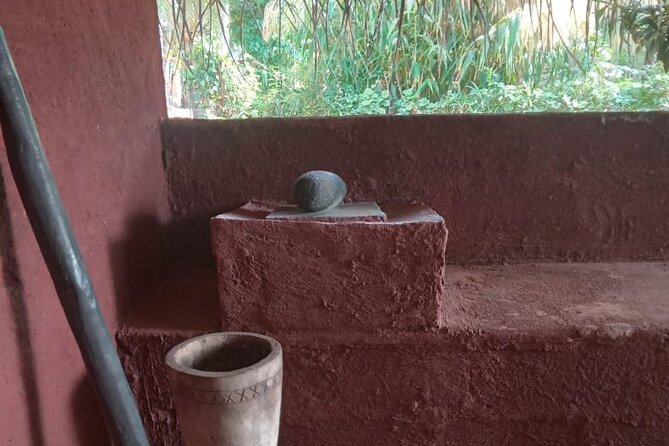
- A local-family kitchen in Sigiriya: hosted by Malee and family members, not a storefront classroom
- Eight dishes, including seafood: a proper sampling of Sri Lankan curry styles rather than a quick demo
- Traditional tools plus some modern ones: you learn the why, not just a step-by-step performance
- Hands-on prep for the group: everyone participates in mixing, chopping, cooking, and tasting
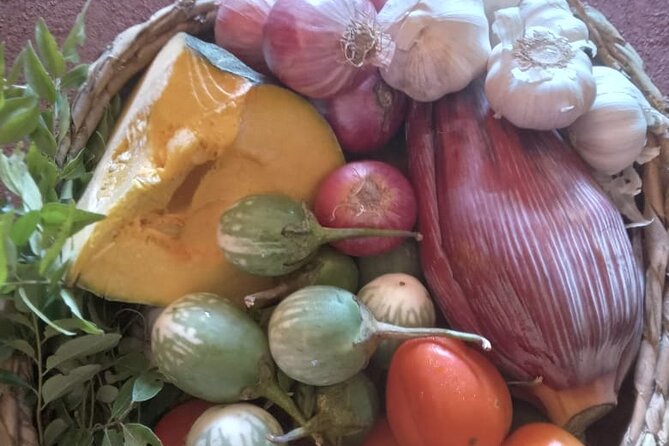
- Ingredients linked to the home garden: fresh produce is part of what makes the meal taste right
Sigiriya Afternoon Cooking in Malee’s Village Kitchen
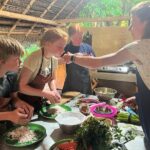
If you’re in Sigiriya and want more than another photo stop, this class is a smart swap. You’re not watching from the corner with a clipboard. You’re in a working village kitchen, hosted by Malee and her family, where the cooking feels like something you’d do at home with relatives helping out.
The session is set for 1:00 pm and runs about 3 hours. That timing is great for travelers who want a single, self-contained plan that doesn’t swallow the whole day. It’s also described as near public transportation, which matters in Sri Lanka where schedules can get easier (or harder) depending on where you’re based.
This is also a private tour/activity, meaning it’s only your group. That setup usually makes the instruction flow better, especially if you have questions or want help figuring out a spice mix or a technique.
You can also read our reviews of more tours and experiences in Sigiriya.


What You’ll Cook: Eight Sri Lankan Dishes, Including Seafood
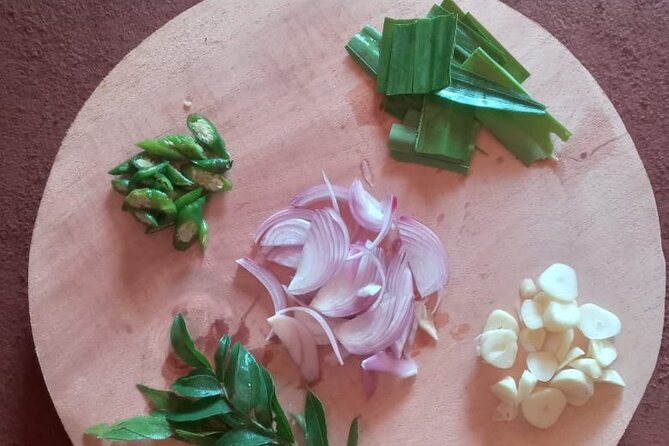
The centerpiece here is variety. The experience focuses on Sri Lankan healthy curries using an old traditional way of cooking, and the class is built around eight different dishes.
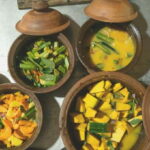
The exact lineup can vary, but the style stays consistent: curries plus the sides that make Sri Lankan meals feel complete. One clear example from past sessions includes chicken curry, several vegetable curries, dhal, and multiple sambal options. In at least one class, one sambal features banana flower, which is a great sign that you’re getting beyond the usual “only make what tourists expect” menu.
You’ll also learn about how taste changes across Sri Lanka’s regions. The class is framed as covering flavors you associate with the low country, hill country, and northern regions—so you get a sense of how ingredients and balance shift, not just a single curry formula.
And yes, you’ll cook a seafood dish too. That’s valuable because it rounds out the meal. Sri Lanka isn’t only about chicken and lentils, and this class makes sure you’re not leaving with a narrow idea of what curry can be.
Primitive Tools, Modern Touches: Learning That Transfers Home

A lot of cooking classes teach you recipes. This one tries to teach you method. The kitchen setting is described as using primitive tools alongside a few modern tools, so you can see the full range: traditional prep steps and how they compare with more familiar equipment.
Why that matters for you: once you understand the process, you’re less dependent on buying the exact same gadget. You can recreate the flavor at home even if your kitchen looks nothing like a village setup.
This is also a hands-on lesson hosted by a local family, and the structure is designed to keep you working, not waiting. In multiple accounts, people highlight that everyone is involved—helping with preparations and then cooking through the meal. That turns the class into a practical skill session, not a passive food show.
Another smart detail is the mix of “traditional plus manageable.” If you’ve ever taken a class where everything depends on hard-to-follow steps, you know the frustration. Here, the use of both older and newer tools makes the lesson easier to translate into your everyday cooking.
Inside the Cooking Flow: Prep, Cook, and Get Everyone Eating
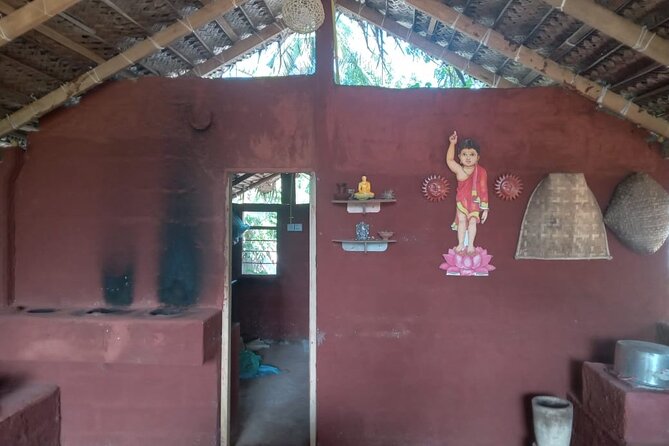
The class experience is structured around a full meal cycle: you start in the kitchen, move through prep and cooking across multiple dishes, and then you eat what you make.
From what’s described, the family hosts you in a relaxed setting, and there’s a clear rhythm: you work through different components of a Sri Lankan plate—curries, dals, sambal, and rice—then everyone digs in when it’s ready. Several people specifically mention how delicious the dishes were, and how much food they produced during the lesson.
There’s also a notable point about appetite management. People advise not eating beforehand. That’s not just a warning; it’s a hint about value. The class isn’t about sampling a teaspoon of curry and calling it cultural. It’s about producing an actual meal big enough for real satisfaction.
You’ll likely see a family atmosphere at work, too. One account mentions Malee and her daughter both assisting with preparations. That kind of setup matters because it reflects how the cooking gets done at home: more than one person, working as a team, keeping the kitchen moving.
The Taste Lesson: Sambal, Dhal, and What Makes It Feel Sri Lankan

Sri Lankan meals often stand or fall on the sides. In this class, you don’t just learn the obvious curry base. You learn the supporting flavors that create that familiar Sri Lankan “meal” feeling.
Sambal is a major focus. Past sessions include learning how to make multiple sambal types, including one with banana flower. Sambals are where acidity, heat, and aroma come together. When you learn them in a real kitchen setting—rather than reading a recipe once—you’re more likely to replicate the balance at home.
Dhal also shows up in the menu. Dhal adds comfort and thickness, and it helps round out the meal so it’s not just curry + heat. If you like eating with rice and building mouthfuls, dhal is the dish that makes that work.
Vegetable curries and the chicken curry give you a broader view of how different proteins and plant ingredients adapt to curry seasoning and cooking methods. The takeaway you want: curry in Sri Lanka isn’t a single template. It’s a system of flavor choices.



Price and Logistics: Is $30 a Good Deal for 3 Hours?
At $30 per person for about 3 hours, this class is priced like an activity, not a luxury show. The value comes from what’s included in that time: you’re not just watching, you’re cooking multiple dishes and then eating a large meal.
The private format matters here. A class that’s only for your group can mean more direct help and a better pace. If you’ve done group cooking classes before, you know how much time can get lost waiting your turn. Private setups usually reduce that frustration.
You’ll also have options that make planning easier. Pickup is offered, and the experience is near public transportation. That’s useful if you’re juggling a tight itinerary around Sigiriya, or if you don’t want to spend your afternoon negotiating rides.
And because it’s a mobile ticket experience with confirmation at booking time, you’re not stuck doing last-minute paperwork.
My take: the pricing makes sense if your goal is to leave with skills you’ll actually use. If you only want one quick taste of Sri Lankan curry, you might feel this is bigger than you need. But if you want a full, hands-on Sri Lankan meal you can recreate, the time and menu count as part of the price justification.
Who Should Book This Cooking Lesson (and Who Might Skip It)
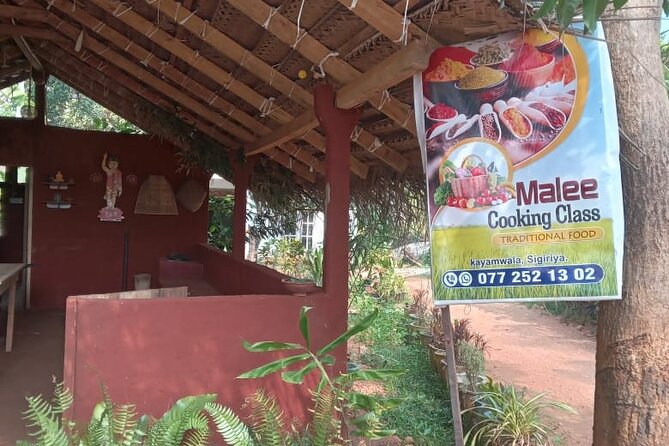
This is a great fit if you want an authentic, home-style view of Sri Lankan food. You’ll get a local-family cooking setting, you’ll work through multiple curries and sides, and you’ll learn how the dishes connect.
It’s also a good option if you’re traveling with a small group and want something that feels personal. The private format and family-led instruction tend to make the afternoon feel like an actual invitation, not an attraction.
You might consider skipping if you’re the type of traveler who dislikes hands-on cooking or doesn’t enjoy spending time in the kitchen. You should also think twice if you have limited room in your day for a full meal session, since the class produces a lot of food and the advice is to arrive with an appetite.
Should You Book Malee Cookery Lessons in Sigiriya?
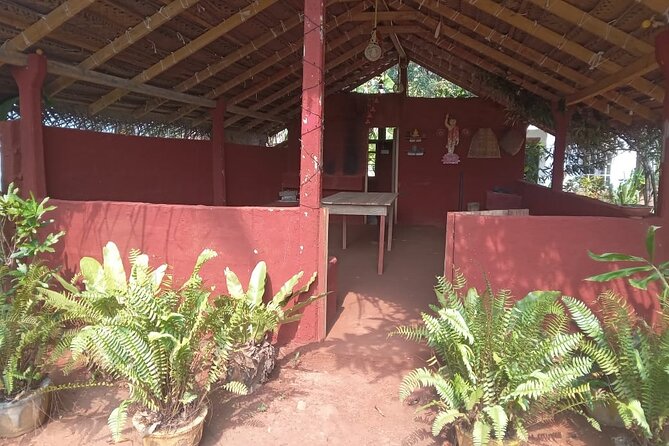
I think you should book this class if you want a practical Sri Lankan food experience with real instruction, not just a short taste. The strongest reasons are the hands-on format, the eight-dish spread (including seafood), and the way the lesson is tied to traditional cooking practices with tools you can understand.
If you’re hoping for a quiet, minimal-effort activity, this won’t match that mood. But if you want to come away with a clearer sense of how Sri Lankan curries and sambal work—plus food you’ll genuinely enjoy making—this is the kind of afternoon that pays you back later when you cook at home.
FAQ
Where does the cooking lesson take place?
It takes place in Sigiriya, Sri Lanka, inside an authentic village kitchen hosted by a local family.
How long is the experience?
The cooking lesson lasts about 3 hours.
What time does it start?
The start time is 1:00 pm.
What is included in the class?
You learn to cook Sri Lankan healthy curries using traditional methods, and you cook 8 dishes, including a seafood dish and various curry and side dishes such as sambal.
Is pickup available?
Pickup is offered.
Is this a private group experience?
Yes. It is private, so only your group participates.
How does cancellation work?
You can cancel for a full refund up to 24 hours before the experience’s start time.
FAQ
Do I get a mobile ticket?
Yes, a mobile ticket is included.
What if I need to change my plans last-minute?
Changes less than 24 hours before the start time are not accepted, and refunds are not available within 24 hours of the experience.
When will I receive confirmation?
You receive confirmation at the time of booking.
Is there any mention of public transportation?
The experience is near public transportation.
Is there a seafood dish?
Yes, the class includes one seafood dish among the 8 dishes cooked.