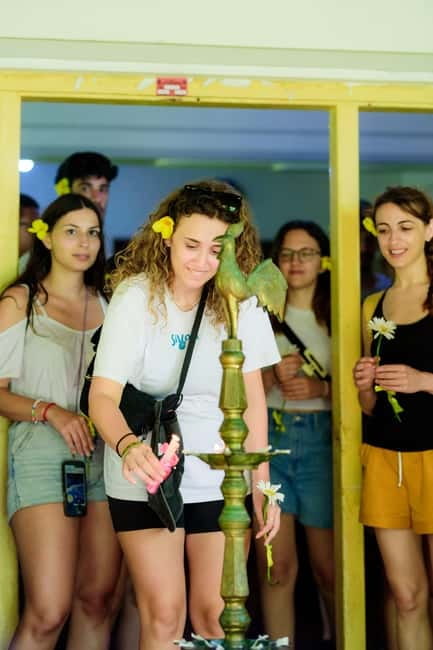
Spices, stories, and banana-leaf dinner in Galle. I love the sense of a real family kitchen at Galle House in Kotapola, where the class starts with a traditional oil-lamp lighting ceremony and stays grounded in how people actually cook at home. It’s hands-on from the first minutes, not a sit-and-watch performance.
You’ll also like the practical skill-building. You’ll work on roti by hand and grind fresh coconut with your host to make sambol, with English instruction from hosts such as Malika and Sanuth, who focus on explaining ingredients and steps clearly. By the end, you’re not just eating Sri Lankan food—you understand how the flavors get there.
One consideration: the meal is designed to be eaten traditionally with your hands on a banana leaf. If that’s not your style, you can request utensils, but going in with an open mind makes the experience smoother.
In This Review
- Key moments worth penciling in
- Galle House welcome: oil lamp, flowers, and the kitchen mood
- Rolling roti by hand and grinding coconut sambol
- Roti: feel and technique over memorizing
- Sambol: fresh coconut makes a difference you can taste
- Expect clear step-by-step guidance
- From kitchen to table: banana-leaf eating and how it works
- Price and value: what $40 really buys in Kotapola
- English instruction and the private-group comfort factor
- Timing, clothes, and the small things that prevent stress
- Who should book this cooking class in Galle?
- Should I book this Sri Lankan cooking class in Galle?
- FAQ
- How long is the cooking experience in Galle?
- Where does the experience take place?
- What does the price include?
- Is transportation included?
- Is the class taught in English?
- Will I have to eat with my hands?
Key moments worth penciling in
- Oil-lamp lighting ceremony and flower bouquet set a warm, welcoming tone before you cook
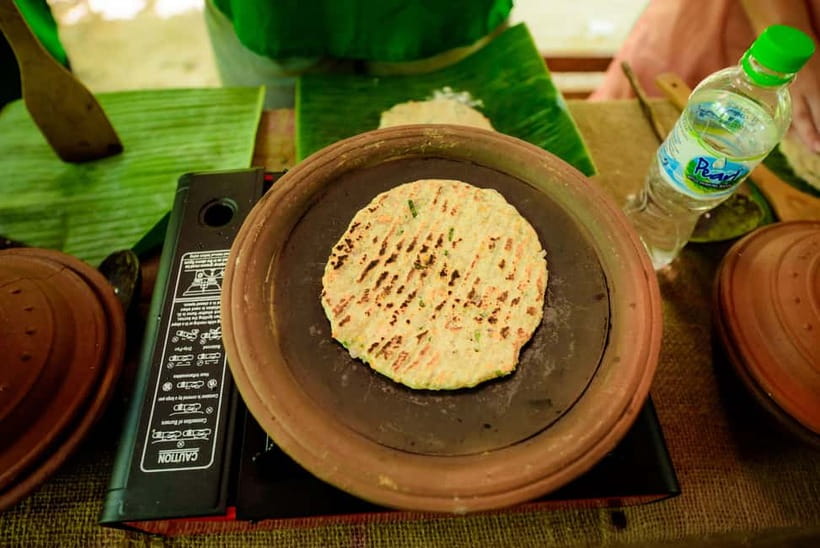
- Hand-rolled roti helps you learn technique, not just a recipe
- Fresh coconut grinding for sambol keeps the flavors lively and real
- Sharing stories over your meal makes it feel like you’re invited, not processed
- Private group in English means questions are easy to ask and answer
- A full shared family meal for $40 is strong value for a 3-hour, ingredient-included class
Galle House welcome: oil lamp, flowers, and the kitchen mood
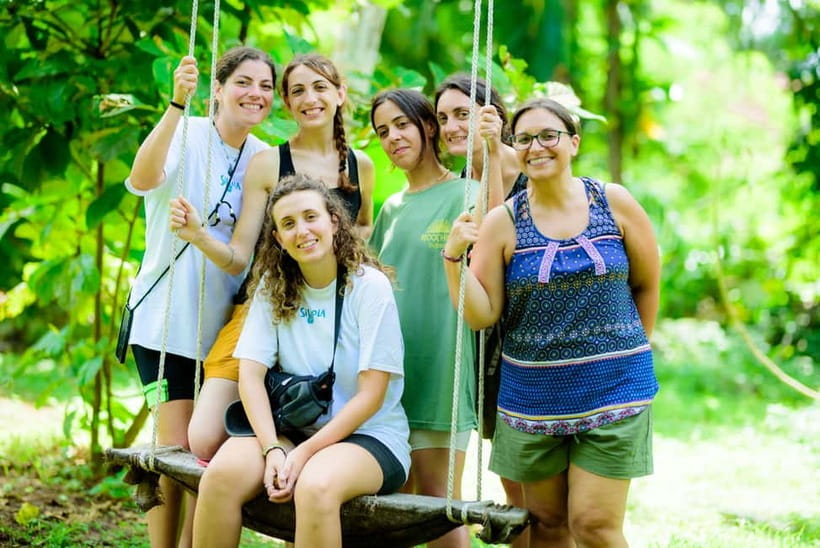
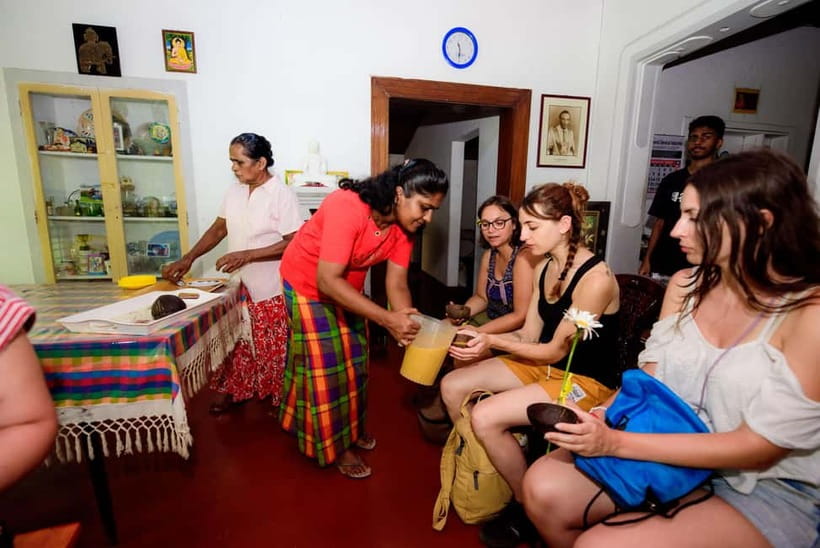
This is the kind of Galle-area experience that feels personal right from the start. You meet at Galle House in Kotapola, and the experience begins with a traditional oil-lamp lighting ceremony. It’s not just for show; it sets a calm, respectful pace and makes it clear you’re stepping into someone’s home rhythm.
You’ll also receive a flower bouquet as part of the welcome. It sounds simple, but it changes the tone immediately. Instead of arriving somewhere and getting shuffled into a class room setup, you get greeted like a visitor who belongs there for a few hours.
When you step into the kitchen, you’re met with the smell of spices and the sounds of cooking in progress. That matters. Sri Lankan cooking is built on scent and timing—chili, coconut, curry leaves, and toasted spices don’t just taste good; they signal what comes next. Seeing how a family kitchen runs also helps you understand why certain ingredients are treated like essentials, not optional extras.
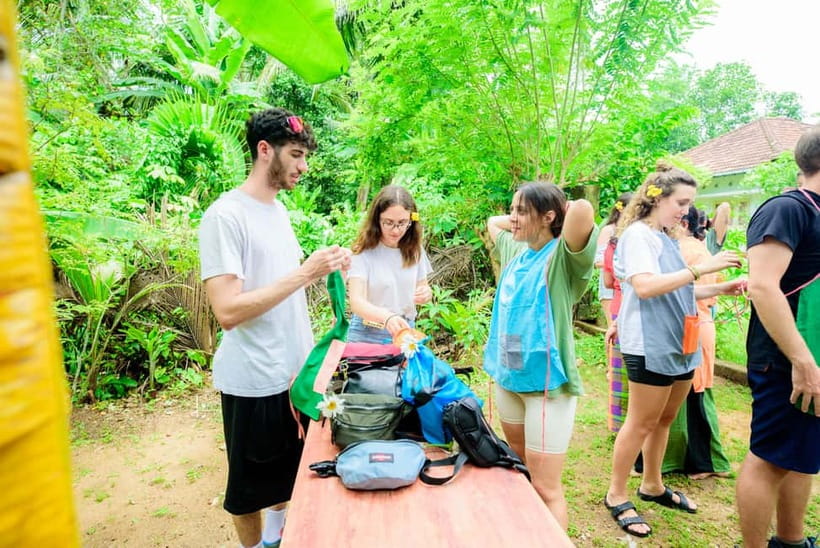
Practical tip: wear comfortable clothes you can move in. This is a cooking lesson, not a museum visit. You’ll start with an apron provided by the host, so you don’t need to bring your own gear, but your outfit should still handle heat and a little mess.
You can also read our reviews of more tours and experiences in Galle.

Rolling roti by hand and grinding coconut sambol
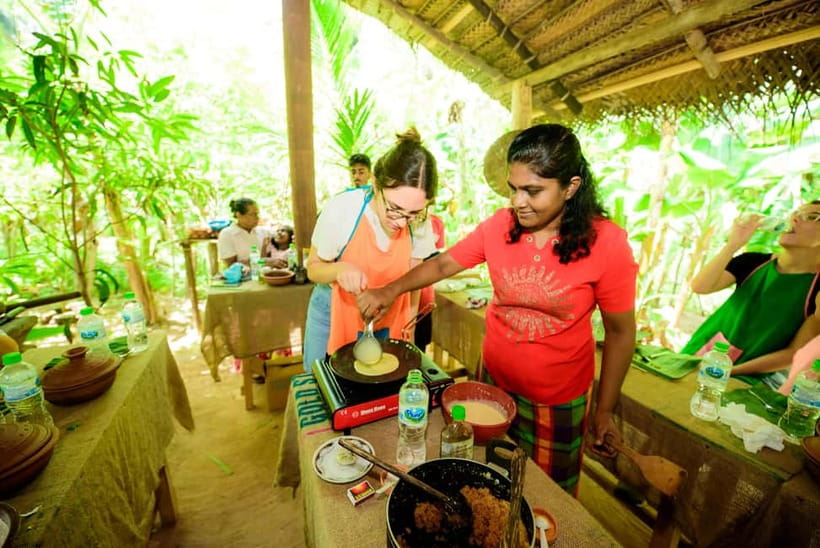
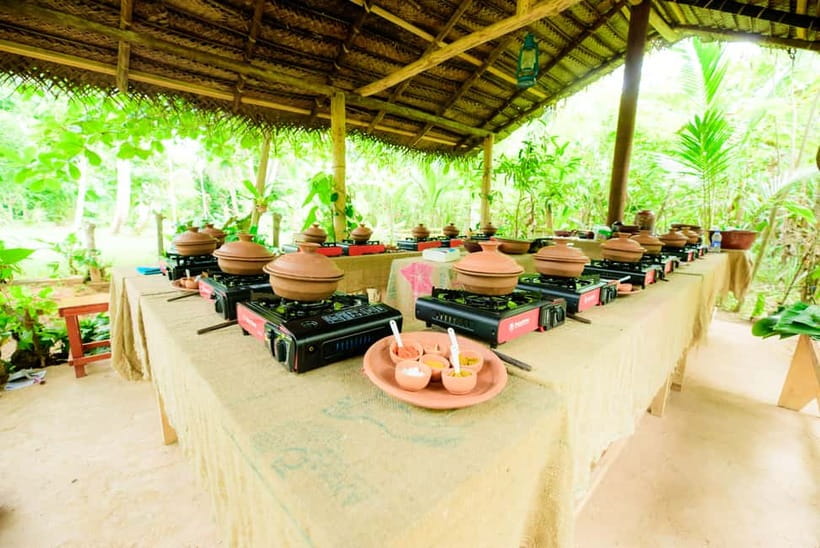
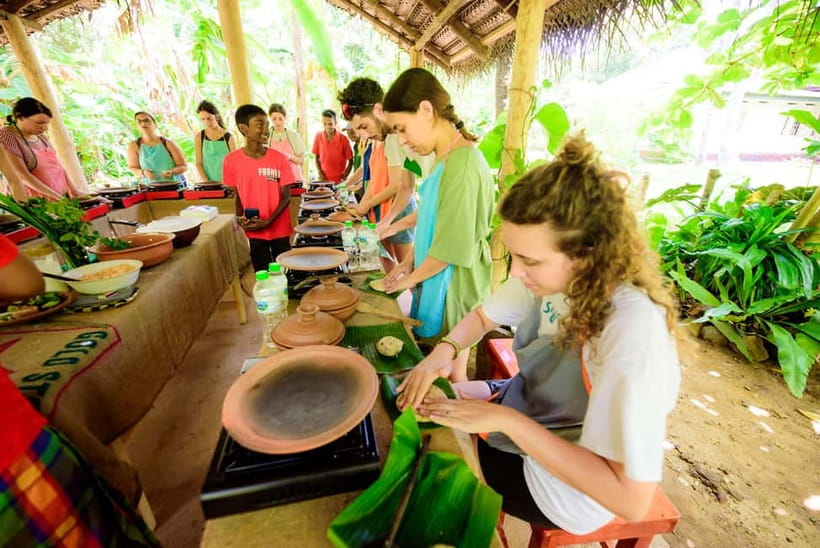
The core of the experience is learning how to make traditional dishes step-by-step with your host family. You’re not stuck behind a counter. You’ll get involved in the work—kneading, rolling, and preparing components that shape the final meal.
Roti: feel and technique over memorizing
Hand-rolling roti is a highlight for a reason. It teaches texture: how the dough handles, how thickness affects cooking, and when it’s ready. Most cooking classes give you a worksheet-style approach. Here, you learn through doing, with guidance from your English-speaking hosts.
Even if you’ve made flatbread before, you’ll likely pick up new cues—how the dough stretches, how heat changes the surface, and how small adjustments affect the final result. That’s the real value of a skill-focused class: you leave with muscle memory, not just a list of ingredients.
Sambol: fresh coconut makes a difference you can taste
Then comes sambol, and the method is part of the magic. You grind fresh coconut with your host, which is a huge upgrade from using pre-packaged ingredients. Freshly processed coconut brings a different aroma and moisture level, and that affects the balance with chili, seasoning, and any aromatics your host uses.
Sambol isn’t just a topping—it’s a flavor engine. Learning how it’s prepared helps you understand why it pairs so well with rice and curries. It also gives you an easy home-cooking project after you return: if you can find fresh coconut and follow the texture your host aims for, you can recreate the style.
Expect clear step-by-step guidance
The hosts are praised for explaining ingredients and preparation well. In a cooking class like this, that’s exactly what you want. If someone only focuses on speed, you can’t learn. When your host explains why they do something—what to look for in the dough, what consistency you’re aiming for—it turns your effort into a repeatable skill.
You’ll likely be cooking in a small, private setup, so you can ask questions as you go. That’s especially helpful if you’re visiting from a place where Sri Lankan ingredients are unfamiliar.





From kitchen to table: banana-leaf eating and how it works
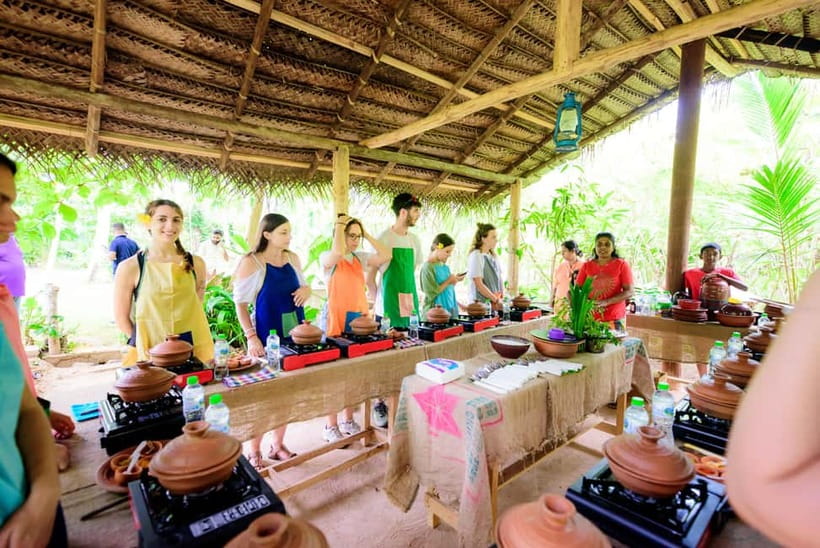
Once the dishes are ready, it’s time to eat in the traditional way—on a banana leaf, with hands. This is one of those cultural “try it once and you’ll get it” moments.
Here’s what to know so you don’t feel awkward:
- Eating with your hands is part of the experience.
- If you’re uncomfortable, utensils can be provided upon request.
- The goal isn’t perfection. It’s participating in the style of the meal.
In practice, banana-leaf dining changes how you eat. The leaf acts like a natural plate, and it encourages smaller bites and mixing flavors intentionally. You’re also more likely to connect with what you made because the meal is literally on the work surface you helped prepare.
The social side is just as important as the food. You’ll share stories and laughter with the hosts while you eat. That’s not a throwaway line. In home cooking, the meal is the conversation’s center. It’s where questions come up naturally: what you’re tasting, what’s common at home, what the family prefers on a given day.
One bonus for families: the experience has a reputation for being welcoming and accommodating, including hosts who have welcomed young children (one review specifically mentions a four-year-old). If you’re traveling with kids, this is the kind of activity that can still feel human instead of stiff.
Price and value: what $40 really buys in Kotapola
At $40 per person for a 3-hour experience, the price is easiest to judge by what’s included. This is not just a guided talk. You get:
- A hands-on cooking class with a local host
- All ingredients for cooking
- A meal shared with the host family
- A welcome ceremony with oil-lamp lighting and a flower bouquet
- English instruction
- Private-group format
You might see other cooking classes that charge more but treat the meal as a side benefit. Here, the meal is the payoff, and you’re eating what you help make. That makes the cost feel more like paying for an evening with a family than buying a food show.
One thing to factor in: transportation isn’t included. If you’re staying in central Galle or farther away, you’ll need to arrange your way to and from Galle House. That can change the real-world value slightly depending on where you’re based.
But for people already planning to spend time in the Galle area, $40 for 3 hours, instruction, ingredients, and a shared family meal is solid. You’re paying for access to a real kitchen setup and the skills that go with it.
English instruction and the private-group comfort factor
The instructor language is English, and the group type is private. That’s a meaningful detail. When you’re working with spices, heat levels, and texture checks, understanding the explanation matters.
Private-group format also tends to reduce pressure. You can ask basic questions without worrying about slowing down a larger crowd. You can move at a comfortable pace while rolling roti or grinding coconut. And since this is hosted in a family kitchen, fewer people usually means the attention stays personal.
If you’re the type who likes to learn by doing—asking, trying, adjusting—this format fits you well. If you’re hoping for a loud group event with lots of strangers, this isn’t designed that way.
Timing, clothes, and the small things that prevent stress
This runs about 3 hours, so it fits well on a day when you don’t want another full half-day of touring. It’s long enough to learn skills and sit down for the meal, but short enough that you can still continue your Galle plan afterward.
A few items to plan for:
- Wear comfortable clothes suitable for cooking. You’ll have an apron, but your outfit should be practical.
- You can get utensils if you’d rather not use your hands for eating.
- Be prepared to eat on a banana leaf during the meal.
- Send a message and confirm the date before your booking date. This matters because you’ll be joining a real household routine, not a large public venue.
Also think about your schedule. Since transportation isn’t included, build in time to get there without rushing. If you’re coordinating with a driver, a cooking class is not the moment to gamble on last-minute timing.
If you want flexibility, the experience offers free cancellation up to 24 hours in advance and a reserve now & pay later option. That’s useful when your Galle plans might shift due to beach weather, train delays, or just the simple fact that travel days sometimes get messy.
Who should book this cooking class in Galle?
This experience is a great fit if you want food travel that’s hands-on and human.
You’ll especially enjoy it if:
- You like cooking or want to take home skills you can actually repeat.
- You enjoy meeting hosts and hearing how meals are built at home.
- You want more than a tasting tour—you want to learn ingredients, prep, and texture.
It’s also a nice choice for families, given the hosts’ reputation for being welcoming and accommodating. If you’re traveling with children, you’ll likely find the environment less formal than many food experiences.
On the other hand, you might want to skip it if:
- You hate eating with your hands and don’t want to use utensils, even if they’re available.
- You want a purely sightseeing-focused day with minimal time in one place.
- You’re looking for a very technical, professional-level cooking course. This is about traditional home cooking and shared learning, not culinary school.
Should I book this Sri Lankan cooking class in Galle?
If you want a memorable Galle experience that mixes real cooking skills, a family welcome, and a meal you genuinely made, I’d say yes—book it.
The biggest reasons:
- You learn by doing (roti and sambol aren’t just explained).
- You eat with the hosts in the traditional style.
- The English instruction and clear explanations help you leave with understanding, not just photos.
Only hold off if banana-leaf hand eating sounds like a deal-breaker for you. Otherwise, it’s a strong use of a few hours in the Galle area—especially because the experience includes ingredients and the shared meal, not just a demo.
FAQ
How long is the cooking experience in Galle?
It lasts 3 hours.
Where does the experience take place?
The cooking class is located in Kotapola, Sri Lanka, at Galle House.
What does the price include?
The price includes the cooking class, hands-on cooking with a local host, all ingredients, the meal shared with the host family, and the welcome ceremony with oil-lamp lighting and a flower bouquet.
Is transportation included?
No, transportation to and from Galle House is not included.
Is the class taught in English?
Yes, the instructor speaks English.
Will I have to eat with my hands?
Eating with hands is part of the experience, but utensils can be provided upon request.