A curry class in Galle Fort sounds like a treat. It’s a hands-on way to learn Sri Lankan cooking, then eat what you made in a relaxed outdoor garden setting.
I especially love the private instructor attention you get from Angel Sanju (often called Sanju). I also like that the session focuses on traditional methods and spices, not just a quick demo with a few bites at the end.
One thing to consider: the food output is generous. If you’re the type who likes to sample lightly, go in ready for a full meal pace and big portions.
In This Review
- Key highlights you should know
- Galle Fort cooking class in a garden: the vibe and why it works
- Meet Angel Sanju: teaching style, pace, and what you’ll actually do
- The core routine: traditional “healthy curry” cooking, step by step
- Six curries on your menu: what you cook and how to think about it
- Spices and the local spice shop connection
- Eating what you made: portion size, timing, and pairing with rice
- Where to go and how long it takes in real terms
- Price and value: is $30 a good deal for a private class?
- What to bring (and what to expect with kids and spice)
- Weather matters: planning around an outdoor garden class
- Who this class is best for (and who might skip it)
- Should you book the Galle Fort cooking class?
- FAQ
- FAQ
- Is this class private?
- Where does the class start?
- How long is the cooking class?
- What will I cook?
- Do I get a recipe book to take home?
- Will I be able to adjust the spice level?
- Is there a meal after the cooking?
- What ticket do I need?
- What happens if weather is bad?
- What is the cancellation policy?
Key highlights you should know
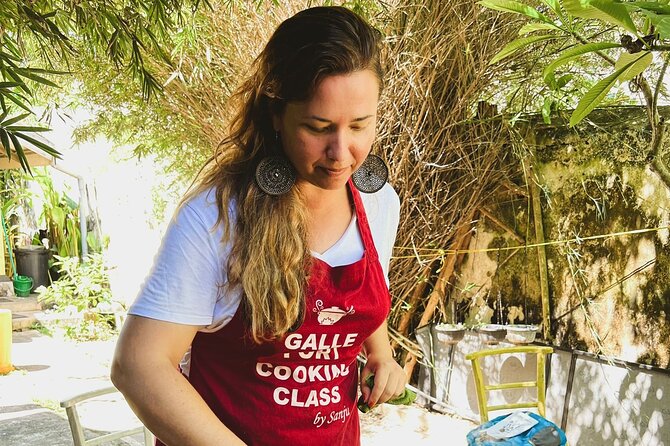
- Private class in Galle Fort with full attention from Angel Sanju, not a mixed group shuffle
- Hands-on curry cooking with chopping, mixing, and stove-time, not just watching
- Six different curries, including one seafood dish and multiple vegetarian options
- Traditional spice learning, with spices sourced through a local spice shop connection
- Take-home recipe book, so you can recreate at home
- Outdoor back-garden setting that feels local and casual
Galle Fort cooking class in a garden: the vibe and why it works
Galle Fort is pretty even when you’re just walking around, but this class gives you a different kind of view. You’re not sightseeing from a distance. You’re cooking in the back garden of a restaurant inside the Fort area, with the smells of spices working their way into the whole session.
That setting matters. A garden makes the class feel calm, and it also keeps the experience grounded in real day-to-day cooking. The format is simple: you learn, you cook, you eat. No long speeches and no waiting around for someone else’s timing.
And because it’s private, the instructor can adjust the pace. If you want to ask questions while you’re working, you can. If you want to move slower while chopping, that’s usually possible too. With a class like this, the quality of teaching is everything, and the standout theme here is that Sanju’s instruction is patient and clear.
You can also read our reviews of more tours and experiences in Galle.


Meet Angel Sanju: teaching style, pace, and what you’ll actually do
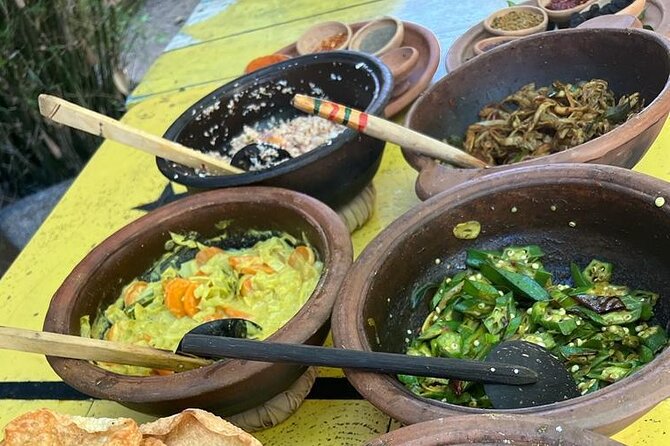
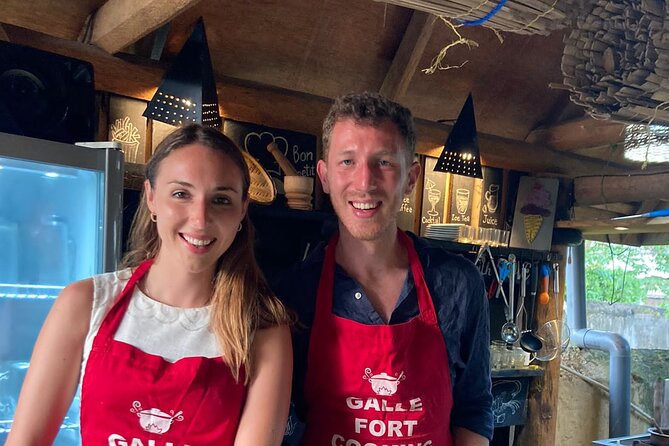
Angel Sanju leads the class, and her teaching style is built for real participation. You’re not just standing near a counter. You’re involved in the steps—spices, prep, cooking, and tasting.
Expect a mix of explanation and doing. You’ll learn the basics of Sri Lankan curry making while the session stays practical: what goes in first, how the spice base changes, and how to think about flavor building instead of memorizing one exact formula.
A major plus is how interactive it is. In a private format, you’re more likely to get direct help while you cook. That’s when small details start to make sense, like how heat level can be adjusted and how spice combinations behave in the pot.
The core routine: traditional “healthy curry” cooking, step by step
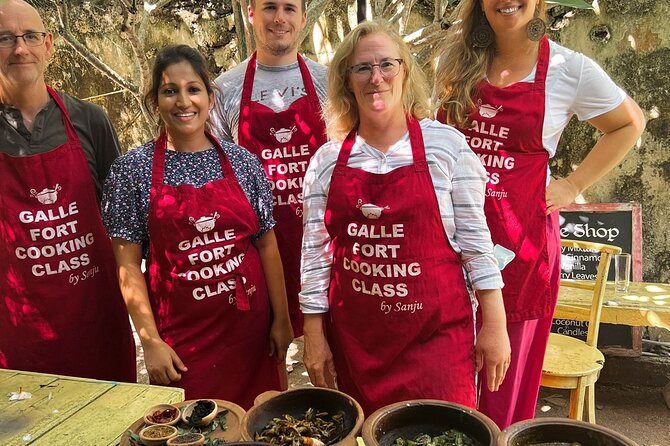
The class is structured around a traditional cooking approach for Sri Lankan curry dishes. It’s described as a healthy curry demo using old ways of cooking, and the point is to show you how Sri Lankan cuisine gets its depth from spices and technique—not just from heat or shortcuts.
Here’s the flow you can expect:
- Start with a brief setup: ingredients, spice focus, and what curries you’ll be making
- Move into prep: chopping vegetables and prepping seafood (where included)
- Cook the curry components: building spice flavor and then cooking the full dish
- Taste and adjust: checking balance as things come together
- Finish by eating everything you made at the restaurant
That sequence is useful for you at home. You’re learning not only what to cook, but how the cooking order shapes the final taste.
Six curries on your menu: what you cook and how to think about it
The headline promise is six different curries. That’s not just variety for variety’s sake. It’s a shortcut to understanding how Sri Lankan curry styles can shift depending on the ingredients and spice base.
You can also plan around specific dish types mentioned:
- A seafood curry is included
- Vegetable curries are part of the set (including pumpkin in one of the curries that gets cooked)
- Meat or prawn options show up in the set as well, with prawn curry specifically mentioned
You’ll also learn practical concepts that help when you’re choosing what to cook next:
- How a spice mix behaves across different proteins and vegetables
- How curry thickness and flavor balance can be guided during cooking
- How to think about seasoning and spice intensity as something you can adjust, not a fixed rule
One review detail that’s especially helpful: you can typically determine the spice level. That’s huge if you’re sensitive to heat. It also means you can cook in a way that makes sense for your group at home.
Spices and the local spice shop connection
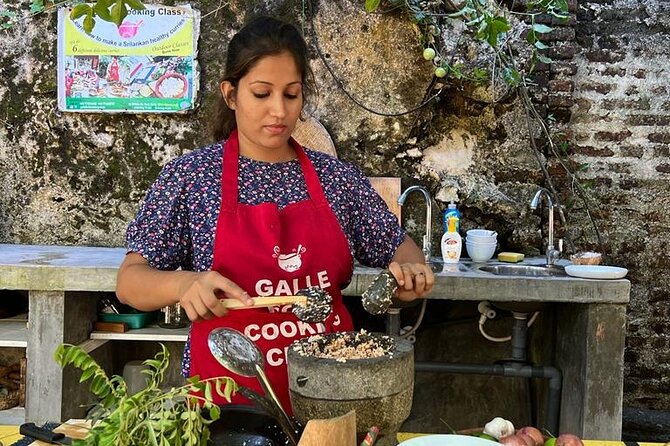
Sri Lankan cooking lives and dies by spices, and this class leans into that reality. You’ll use traditional spices and methods, and you’ll learn through a local connection to a spice shop.
One of the best practical angles here is that the class doesn’t stop at learning. You get a direct path toward buying the kinds of curry powders you’ll want to replicate your curries back home. In other words: you learn the flavors, and then you can track down the ingredients that create them.
If you enjoy cooking with spice blends, this is where the value really clicks. The class gives you context for what you’re buying, not just a random packet on a shelf.





Eating what you made: portion size, timing, and pairing with rice
After cooking, you eat the dishes you prepared. This isn’t a token taste. The class is set up as an experience that ends with a full meal, and many people come away surprised by how much food they get.
A key tip: go hungry. If you arrive thinking you’ll nibble and move on, you’ll probably be eating longer than you expect, and finishing everything may take effort in the best way.
Rice is part of the meal setup, and it works as the bridge between curry flavors and how Sri Lankan food is commonly served. When you eat your own curries with rice, you’ll understand why the cooking steps matter. You can taste the difference that proper spice timing creates.
Where to go and how long it takes in real terms
The meeting point is in Galle Fort at 34 Middle St, Galle 80000, Sri Lanka. The activity ends back at the meeting point, so you’re not dealing with a far-off drop-off.
Duration is listed at about 1 hour 30 minutes. That’s a comfortable length: enough time for real prep and cooking, but not so long that it becomes a full-day commitment. It also makes it easier to plan around other Fort sights.
The class is near public transportation, which is practical because Galle can be busy and parking can be annoying. If you’re already doing Fort wandering, this fits naturally into a day plan.
Price and value: is $30 a good deal for a private class?
At $30, this is one of the more affordable ways to get real kitchen time in Sri Lanka, especially because it’s private. You’re paying for instructor attention, ingredient use, and the finished meal you eat afterward—plus a take-home recipe book.
For value, it comes down to outcomes:
- You cook six dishes (including seafood)
- You get active help and instruction during prep and cooking
- You leave with a recipe book, so the class continues after you go back to your room
If you compare this to a cooking class that’s mostly watching, $30 for a private hands-on session can feel like an excellent trade. Even if you only cook a couple of the curries again later, the learning stays useful.
What to bring (and what to expect with kids and spice)
You don’t need to bring fancy cookware. The class is set up around traditional prep and cooking at the restaurant location. Still, there are a few practical things I’d keep in mind:
- Wear clothes you don’t mind getting spice-splashed during chopping and cooking
- Expect outdoor garden air—good weather makes it better
- If heat is an issue for you, tell the instructor early so the spice level can be adjusted
Family-friendly shows up in the feedback. The class format is hands-on, and an instructor who keeps everyone involved makes it easier for children to participate. If you’re traveling with kids, this is one of those activities that can work because the teaching is interactive.
Weather matters: planning around an outdoor garden class
This experience depends on good weather. If the conditions aren’t right, the experience may be offered on a different date or you’ll get a full refund. That’s a fair trade for an outdoor setting.
My practical advice: keep your schedule flexible around this booking. If your trip has a rainy day gap, that’s usually the time to place it.
Who this class is best for (and who might skip it)
This cooking class is a strong fit if:
- You want an authentic Sri Lankan curry learning experience, not a generic cooking tour
- You like hands-on activities and want to cook along with the instructor
- You want a take-home recipe book you’ll actually use
- You’re spending a couple days in Galle and want something memorable beyond walking the Fort
You might consider a different option if:
- You prefer tasting-only food tours instead of cooking
- You don’t want to eat a full amount of food after the lesson
- You’re scheduling the class on a day that’s likely to be wet and you can’t shift plans
Should you book the Galle Fort cooking class?
If you like real cooking and you want to leave with usable skills, I think it’s an easy yes. Private instruction, six curries, and a meal you eat right after cooking is a strong combination for the price. Plus, Sanju’s teaching reputation for being patient and encouraging is exactly what you want when you’re learning something new.
Book it if you’re in Galle with a bit of flexibility and you can eat a good amount of food. Skip it only if you’d rather avoid cooking entirely or you’re locked into a tight schedule during uncertain weather.
FAQ
FAQ
Is this class private?
Yes. It’s a private tour or activity, so only your group participates.
Where does the class start?
The meeting point is 34 Middle St, Galle 80000, Sri Lanka, in Galle Fort.
How long is the cooking class?
The duration is listed at about 1 hour 30 minutes.
What will I cook?
You’ll prepare several Sri Lankan curry dishes—six different curries, including one seafood dish.
Do I get a recipe book to take home?
Yes. You get a free recipe book that you can take home.
Will I be able to adjust the spice level?
The class includes the option to adapt the spice level to your preference.
Is there a meal after the cooking?
Yes. After you cook, you eat the dishes you prepared in the restaurant.
What ticket do I need?
You’ll receive a mobile ticket.
What happens if weather is bad?
This experience requires good weather. If it’s canceled due to poor weather, you’ll be offered a different date or a full refund.
What is the cancellation policy?
You can cancel up to 24 hours in advance for a full refund. If you cancel less than 24 hours before the start time, you won’t receive a refund.