Three ecosystems, one easy day.
You’ll pair UNESCO walls with slow-water river scenery, then end at a real sea-turtle conservation site. I love the chance to walk Galle Dutch Fort with its Portuguese-era details, and I also like how the Madu Ganga Safari puts you among kraal fishing spots and wetland birds without rushing.
One consideration: the quality of spoken English can vary. If you prefer a lot of explanation, set expectations with the guide so you’re not left guessing.
In This Review
- Key highlights worth waking up for
- A Full Day of Fort Walls, Wetland Life, and Turtle Conservation
- Galle Dutch Fort: Portuguese 1588 and the 14 Bastions You Can Walk
- How the Madu River Safari Works (and Why It’s More Than a Boat Ride)
- Cinnamon Island, Temple Island, and the Fish Therapy Moment
- Kosgoda Sea Turtle Hatchery: Real Conservation, Not Just a Photo Stop
- Price and Logistics: What Your $80 Covers (and What It Doesn’t)
- Timing and Comfort Tips for an 8-Hour Day
- Who This Tour Fits Best
- Should You Book This Galle Fort and Madu River Day?
- FAQ
- How long is Bentota: All Inclusive Galle Dutch Fort & Madu River Safari?
- What is the price per person?
- Where is the tour located?
- Which pickup locations are available?
- Where will I be dropped off?
- What does the tour include?
- Is lunch included?
- What time does the tour start?
- What should I bring?
- What languages are offered and is there free cancellation?
Key highlights worth waking up for
- Galle Dutch Fort (1588) and its 14 bastions with Portuguese and South Asian architectural blends
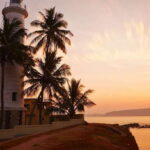
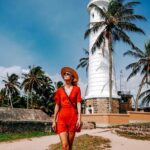
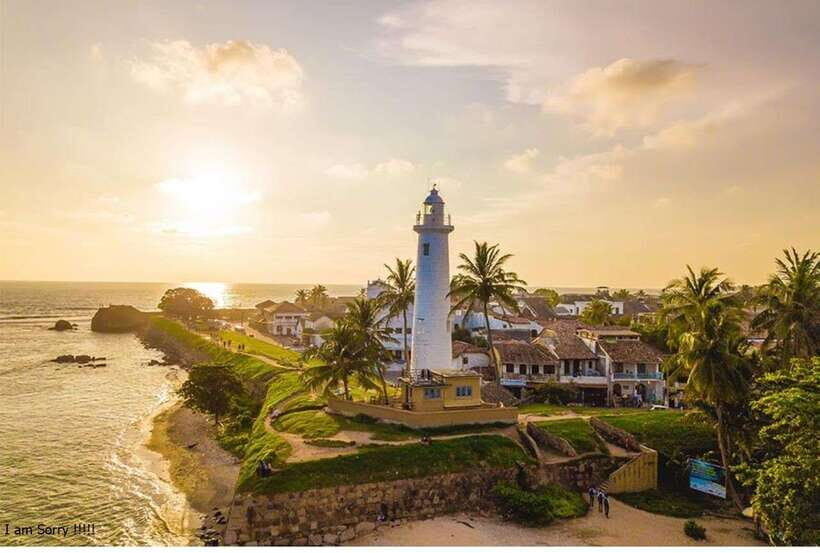
- Utrecht Bastion lighthouse tied to Queen Victoria’s diamond jubilee (1883)
- Balapitiya wetlands on a Madu Ganga boat safari with kraal fishing and bird spotting
- Cinnamon Island and Temple Island plus a stop that can include fish therapy
- Kosgoda sea turtle hatchery conservation focused on eggs, hatchlings, and releasing young turtles
A Full Day of Fort Walls, Wetland Life, and Turtle Conservation
This is the kind of day that works well when you want variety but hate wasting time switching locations. You start early with a hotel pickup from the wider Beruwala-area ring (including Kosgoda, Balapitiya, Bentota, Induruwa, and Beruwala) and you’ll end back at the same general zone. The route keeps the heavy driving mostly upfront and then spends your energy on three very different environments: stone, water, and conservation work.
For a day trip, the pacing feels realistic. The fort is a morning focus when the light is usually kind for photos and walking. The river safari slots into the afternoon when you’re heading away from the heat and into a calmer, shade-and-sun rhythm on the water. The hatchery visit then lands at the end of the day as a meaningful closer, not just another “see it and leave” stop.
You can also read our reviews of more tours and experiences in Galle.
Galle Dutch Fort: Portuguese 1588 and the 14 Bastions You Can Walk
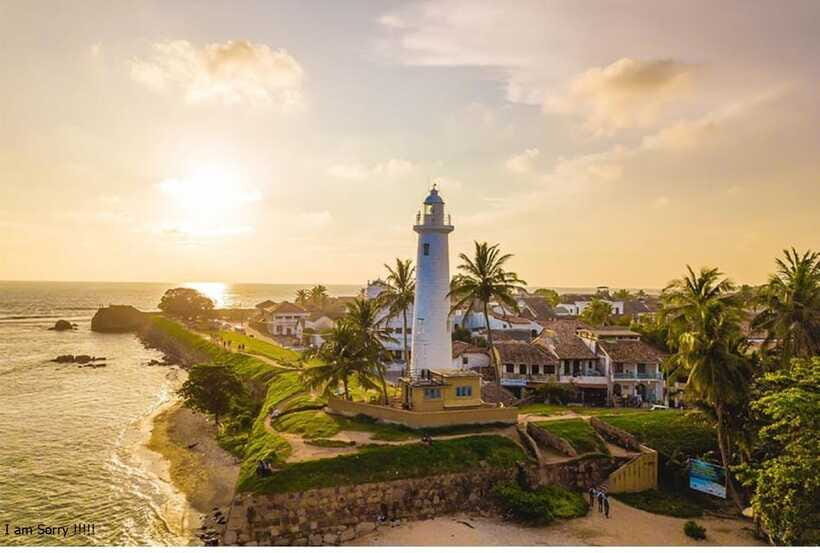
Galle Dutch Fort is the main reason many people do this tour at all. The fort area you visit is recognized as a UNESCO site, and the story is clear even if you’re not a history buff: built in 1588 with Portuguese influence, it blends European defensive planning with local South Asian architecture. That blend matters because it’s visible on the ground. You’re not just looking at walls; you’re walking a European-style fortified city footprint that still feels lived-in.
You’ll typically get:
- a photo stop,
- a guided tour,
- plus some free time to wander at your own speed.
Two spots stand out because they’re specific and easy to orient around. The Utrecht Bastion includes a lighthouse built in 1883 to commemorate Queen Victoria’s diamond jubilee. Another landmark is the Protestant Church, built in 1775. If you take even a short pause here, you’ll notice how the fort’s layout makes viewpoints feel practical, not dramatic-for-the-sake-of-dramatics.
What to watch for: the walking can add up. You’re outdoors for a big chunk of the morning, and some parts can be uneven. Wear shoes that don’t mind curbs and stone textures, and keep water handy even though the tour includes refreshments later in the day.
How the Madu River Safari Works (and Why It’s More Than a Boat Ride)
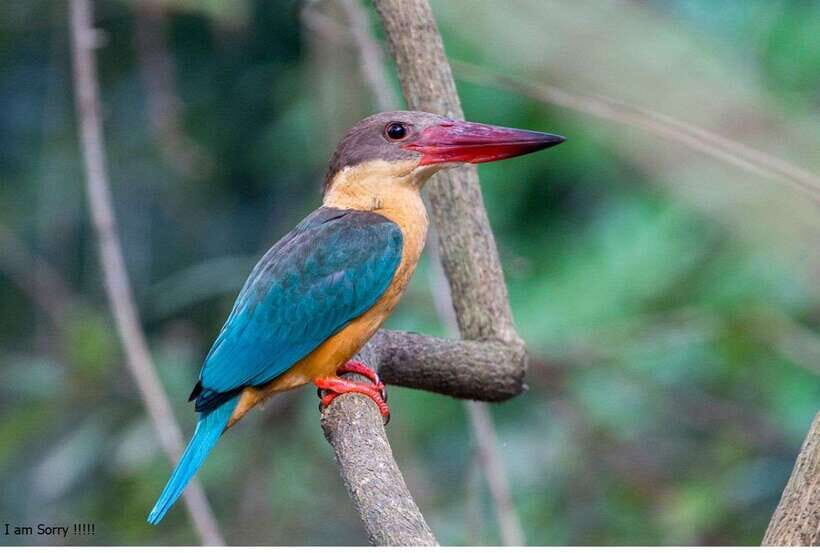
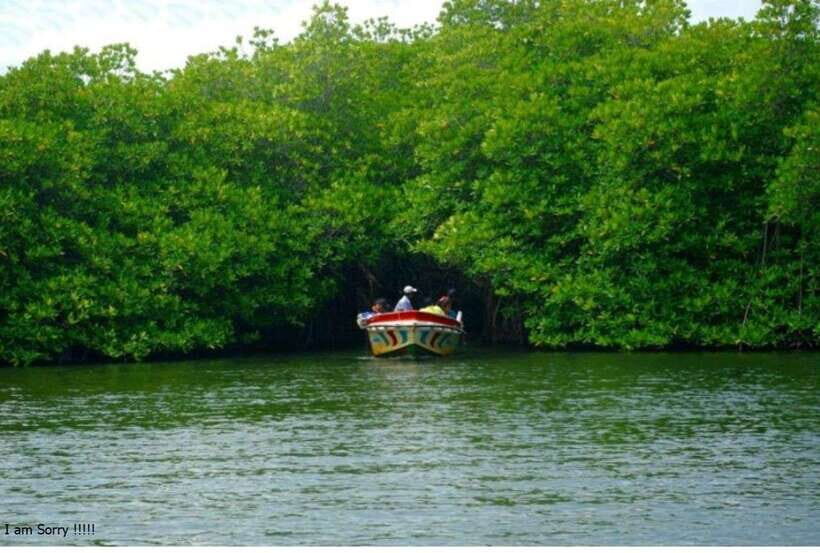
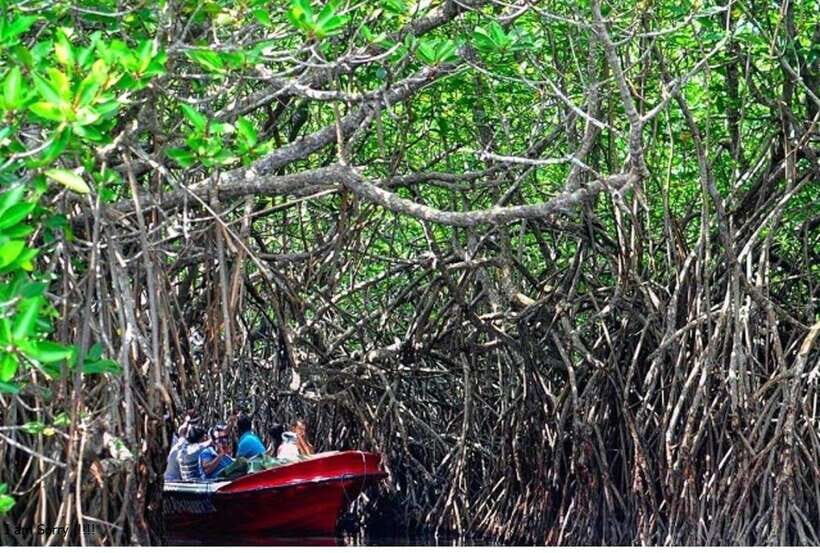
The Madu Ganga boat safari is the heart of the experience. This wetland system is spread across 915 hectares, where the river meets the Indian Ocean. That setting is more than scenery; it changes what you notice. You’re not just watching wildlife from a single spot. The boat route moves through a working river landscape where you can see human fishing setups and natural habitats side by side.
On the river, you’ll likely see:
- kraal fishing structures and local fishermen at work,
- wetland birds such as pond herons and kingfishers,
- and small island areas that make the water feel like a network rather than one long channel.
One of the best parts of this stop is the way the guide (when you get a good one) connects the dots. A strong river guide doesn’t just name birds; they point out why the wetlands look the way they do and what features matter for both fish and birds. In one case, the river captain/guide style was a big highlight because he was communicative and showed you what to look for.
Potential drawback: if your guide’s English is light, you’ll still get the views, but the explanations might be shorter or harder to follow. Still, the boat portion itself can feel satisfying even without a long talk. You’ll simply want to be more proactive with your own observations and photos.
Cinnamon Island, Temple Island, and the Fish Therapy Moment
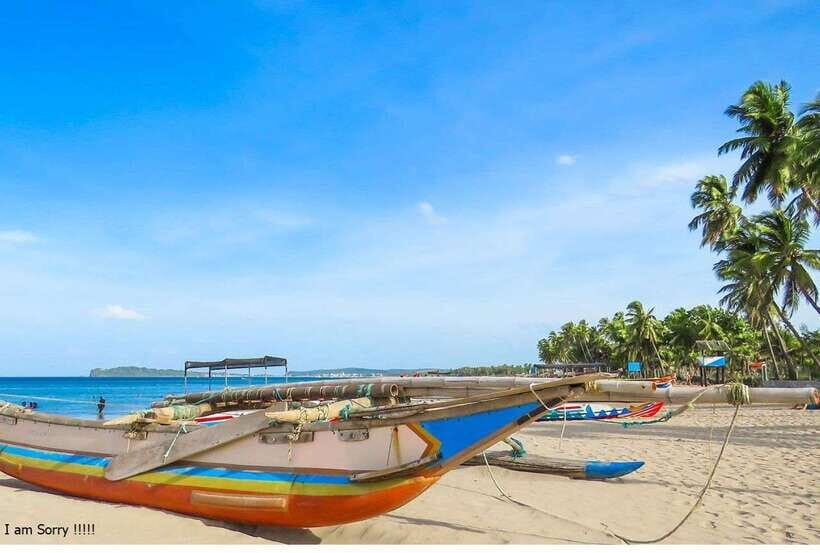
The river safari includes island stops such as Cinnamon Island and a visit to Temple Island. These are valuable because they add variety to the ride. Without them, the experience could feel like one continuous stretch of water. With them, you get small pauses that break up the attention and give your brain a new “frame” for what you’re seeing—plants, shoreline activity, and how the islands sit inside the wetland grid.
There’s also mention of a fish therapy experience during the boat ride. That can be a fun cultural-meets-eco-tourism twist, and it’s one of those add-ons where your comfort level matters. If you’re squeamish about fish on skin, skip it or ask what the interaction is like before you decide.
For the whole river portion, timing is your friend. You’ll be heading out around the early afternoon and returning before the hatchery visit. That helps you avoid the long, late-day stretch where everyone’s tired at once.
Kosgoda Sea Turtle Hatchery: Real Conservation, Not Just a Photo Stop
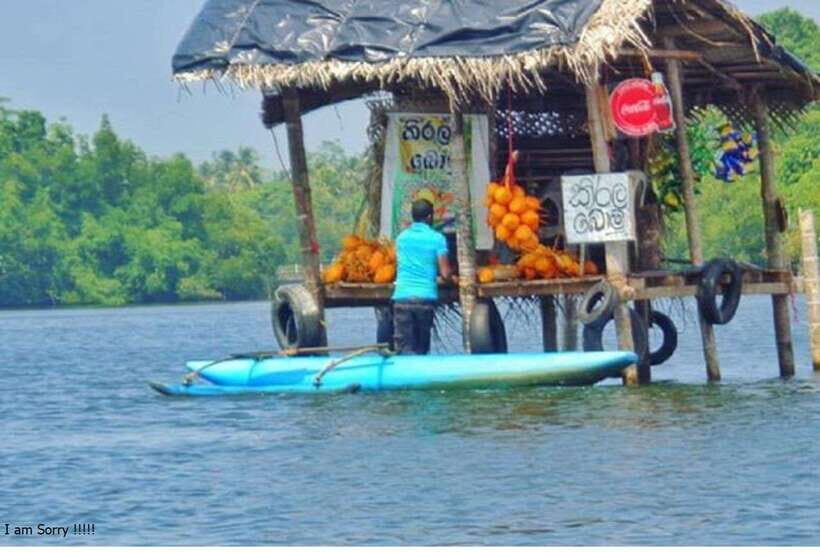
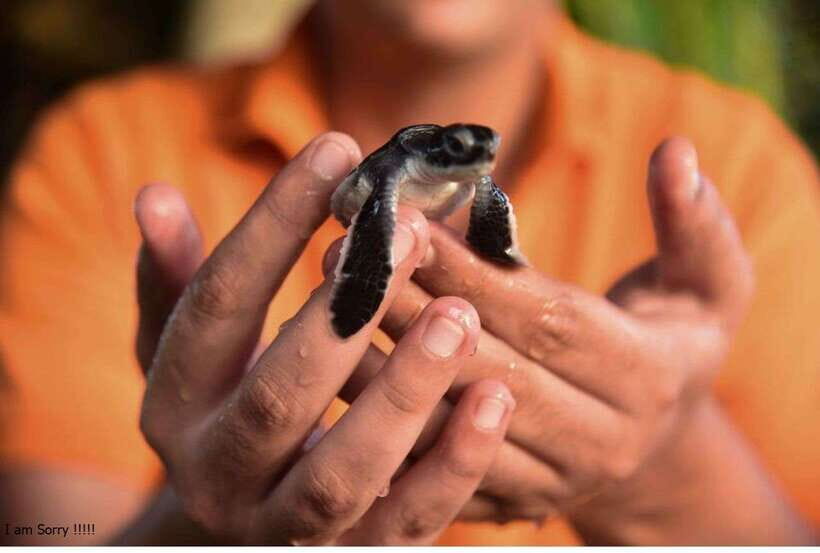
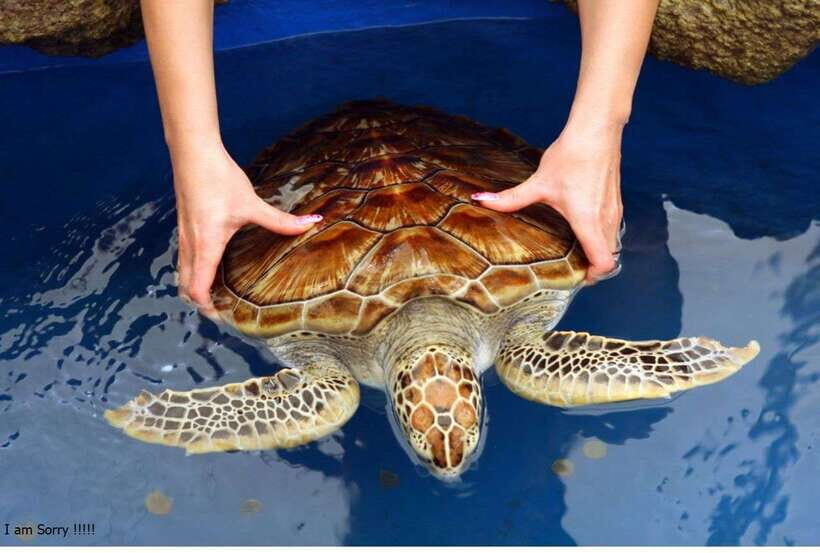
The day ends at the Kosgoda sea turtle hatchery, where the focus is on endangered sea turtle conservation. This stop feels different from many “animal attractions” because the mission is practical: the hatchery protects eggs, nurtures hatchlings, and releases them back into the ocean.
You’ll get to learn the life cycle and see how protection works in steps rather than as one dramatic moment. That’s why it lands well at the end of a day like this. After you’ve spent hours watching birds and fish activity along the wetland, it’s grounding to connect the ecosystem to a conservation outcome you can explain back later.
You should also be ready for a slightly more low-key environment than the fort or the boat. It’s still interesting, but it’s not built like a loud theme stop. Go in expecting to observe and listen, not to be entertained nonstop.

Price and Logistics: What Your $80 Covers (and What It Doesn’t)
At about $80 per person for an 8-hour outing, this tour is priced like a solid “three-stop combo” rather than three separate bookings. What makes the price feel fair is what’s included:
- Private transportation from your hotel and back (private vehicle)
- Boat charges for the Madu Ganga safari
- Entrance fees to the Kosgoda turtle hatchery
- Fuel surcharge, driver charges, and parking fees
- Complimentary refreshments and water
- All government taxes included
- English live tour guide
That combination reduces the usual Sri Lanka hassle: you’re not trying to collect cash for every new line item during the day. The one thing you’ll need to plan yourself is lunch, since it’s not included.
A practical way to think about value: you’re paying for (1) a guided UNESCO fort walk, (2) a paid wetland boat experience, and (3) an entrance-covered hatchery visit. If you were to book those separately, the add-on costs and logistics would likely nudge the total upward.
If you care about communication, pay attention to guide performance. Some days run perfectly smooth; other days the explanation level may be lower. That doesn’t always mean the experience is bad—it just means you may need to ask more questions on-site. Having your smartphone charged helps too, since you’ll want to keep notes and photos while the details are fresh.
Timing and Comfort Tips for an 8-Hour Day
This trip is built around a straightforward flow:
- early hotel pickup (around 7:00 AM),
- a morning focus on Galle Dutch Fort (including guided time and free time),
- lunch planning on your own (not included),
- early afternoon Madu Ganga boat safari,
- then late-day Kosgoda turtle hatchery before returning to your hotel.
What matters for you is the rhythm. Expect a long day where you’ll shift from walking in stone-town heat to sitting on a boat to standing and observing at the hatchery. A few simple choices help:
- Wear breathable clothes and shoes you can walk in.
- Bring a charged smartphone (you’ll want photos and quick reference for what you saw).
- Pack a light layer if you get cool on the water.
Who This Tour Fits Best
This day trip is a good match if you:
- want one organized day that hits history + nature + conservation,
- like boat-based wildlife viewing more than driving around for long stretches,
- and enjoy practical learning (like how turtle hatcheries manage eggs and hatchlings).
It’s also a solid choice if you’re staying in the Bentota–Beruwala belt and don’t want to handle transport across Sri Lanka on your own.
If you’re very sensitive to language nuance, or you know you need detailed explanations to enjoy a tour, you should ask upfront about how the guide communicates. In at least one case, the lack of explanations in English was a clear negative, so don’t assume the talk will be equally strong every day.
Should You Book This Galle Fort and Madu River Day?
I’d book it if you want a day that feels like three chapters, not three chores. The fort walk is structured enough to orient you, the Madu safari gives you real wetland viewing (kraal fishing, birds, island stops), and the Kosgoda turtle hatchery adds a conservation story you can remember.
I’d think twice only if you strongly depend on fluent English guidance for enjoyment, since explanation quality can vary. If you’re flexible and happy to enjoy the scenery even when the talk is shorter, this is a strong value way to spend your day from Bentota.
FAQ
How long is Bentota: All Inclusive Galle Dutch Fort & Madu River Safari?
The duration is 8 hours.
What is the price per person?
The price is $80 per person.
Where is the tour located?
The tour runs from the Kotapola, Sri Lanka area, with stops in Galle, Balapitiya/Balapitiya wetlands area, and Kosgoda.
Which pickup locations are available?
Pickup options include Kosgoda, Balapitiya, Beruwala, Bentota, and Induruwa.
Where will I be dropped off?
Drop-off locations include Bentota, Kosgoda, Induruwa, Beruwala, and Balapitiya.
What does the tour include?
It includes hotel transport by private vehicle, boat charges for the Madu Ganga safari, turtle hatchery entrance fees, fuel and driver charges, parking fees, and complimentary refreshments and water, plus English live tour guidance and government taxes.
Is lunch included?
No, lunch at a local restaurant is not included.
What time does the tour start?
Pickup starts at 7:00 AM, based on the schedule provided.
What should I bring?
Bring a charged smartphone and a passport or ID card.
What languages are offered and is there free cancellation?
The live tour guide is English. There is free cancellation up to 24 hours in advance for a full refund, and you can reserve now and pay later.