Two days in Sri Lanka and you keep moving. This Trincomalee to Sigiriya adventure mixes the big-hitting sights (the Lion Rock fortress) with the classic follow-up viewpoint of Pidurangala, then closes with cave temples and a wild-elephant chance in Minneriya. It’s a tight route with real payoff: history on one side, nature on the other.
I especially like how the pacing gives you multiple angles on the same region. You’re not just checking boxes—you get the rock-fortress experience, then you shift to Dambulla’s cave temple world, and finally you’re out looking for elephants. One thing to plan for: admission fees and park-related costs are not included, so your final spend will be higher than the $220 headline price.
In This Review
- Key points before you go
- Trincomalee to Sigiriya in 2 days: what you’re really buying
- Day 1 at Sigiriya: Lion Rock Fortress, up close
- Practical tips for Lion Rock day
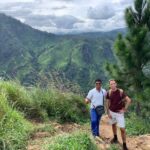
- Pidurangala Rock: the quieter viewpoint that complements Sigiriya
- Day 2 in the cultural triangle: Dambulla Cave Temple
- How to enjoy Dambulla without rushing
- Minneriya wild elephant safari: what to expect realistically
- Safari timing and your mindset
- The route extras: village tour, Ayurvedic spa, and spice stops
- Price and value: is $220 a fair deal?
- Group size, private feel, and how that affects your day
- What to pack for rock climbs and wildlife drives
- Should you book this 2-day Trincomalee to Sigiriya trip?
- FAQ
- Where does the tour start and end?
- How long is the trip?
- Is this a private tour?
- What is included in the price?
- Are admission tickets included for Sigiriya, Pidurangala, and Dambulla?
- Do I get a mobile ticket?
- What happens if the weather is poor?
- What is the cancellation policy?
Key points before you go
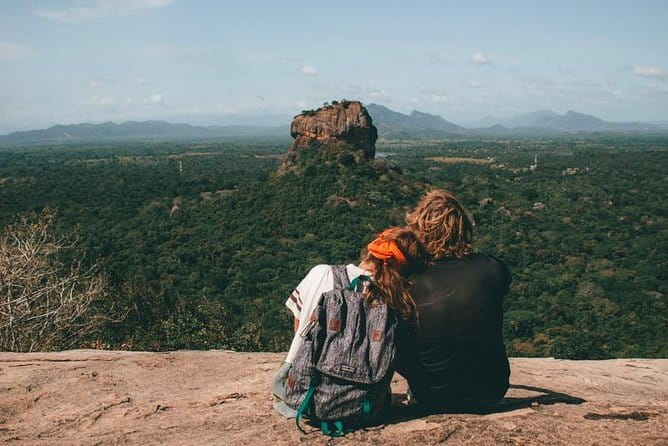
- Lion Rock + Pidurangala: Two viewpoints, two vibes, both worth the effort.
- Minneriya National Park: A strong shot at seeing wild elephants, depending on the season.
- Dambulla Cave Temple: Five caves with dozens of Buddha statues and paintings in one complex.
- Extras in the route: You also get room for a village tour, Ayurvedic spa time, and spice moments.
- Private group feel: Only your group participates, so the schedule stays your own.
Trincomalee to Sigiriya in 2 days: what you’re really buying
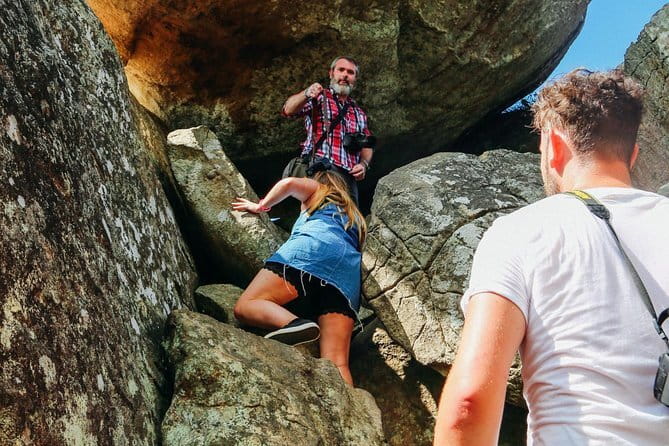
This is a short, high-energy transfer-and-sight plan. You start in Trincomalee and end back at the same meeting point, with two full days focused on the Sigiriya area and then Dambulla plus the elephant zone at Minneriya National Park. Because it’s private, you’re not stuck sharing cramped timing with strangers who treat the itinerary like a buffet.
The price is $220 for the trip itself, and you’ll notice that most of the must-see entrances are not included. That’s common for Sri Lanka tours, but it matters for your budget. If you know the kind of traveler you are—someone who hates surprise costs—this one needs a small extra buffer for entry fees and any park/tour charges.
What makes the value feel real is the balance. You get UNESCO-level rock fortress scenery, an iconic cave temple stop, and then a genuine wildlife target: wild elephants. It’s not just “see sights.” It’s “see sights and then look for nature in the wild,” which is harder to build into a 48-hour window.
You can also read our reviews of more tours and experiences in Sri Lanka.


Day 1 at Sigiriya: Lion Rock Fortress, up close
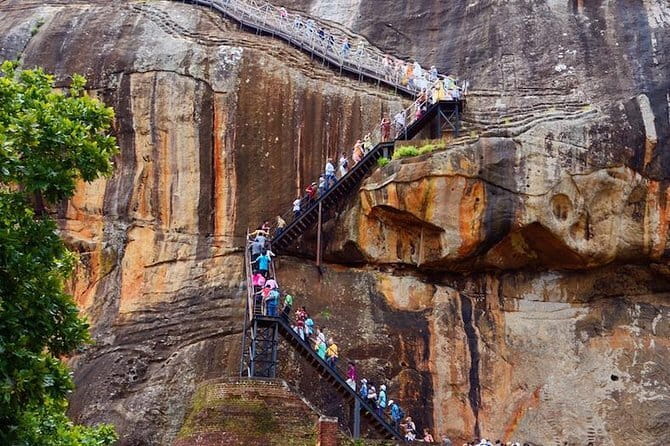
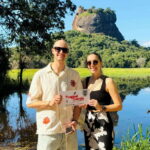
Day one centers on Sigiriya, the ancient rock fortress complex that people call one of the big wonders of the ancient world. Expect a mix of ruins, fortifications, and carved-in-time views that make the scale feel almost unreal once you’re on the rock itself. This isn’t a gentle stroll through a museum-like site. It’s a climb and a walk, and your legs will notice.
What you’ll likely love most is the “story layer” effect. As you move around, it’s easy to connect the dots between the fort’s defenses, the royal-garden style layout, and the way people used the rock both for power and for dramatic sightlines. One of the standouts is the classic Sigiriya sights you may read about before you go—features like the frescoes and the famous Mirror Wall area. Even if you skip the long reading, the physical place makes it make sense fast.
Practical tips for Lion Rock day
- Start earlier if you can. The climb gets more tiring when the heat builds.
- Bring water and take short pauses. The site asks for effort, but you don’t need to rush.
- Wear shoes with grip. The rock paths can be uneven.
Two hours are listed for Sigiriya in the plan, and that’s a realistic window for a meaningful visit if you pace yourself. You won’t be lingering for hours on every detail, but you’ll get the key views and the core experience.
Pidurangala Rock: the quieter viewpoint that complements Sigiriya
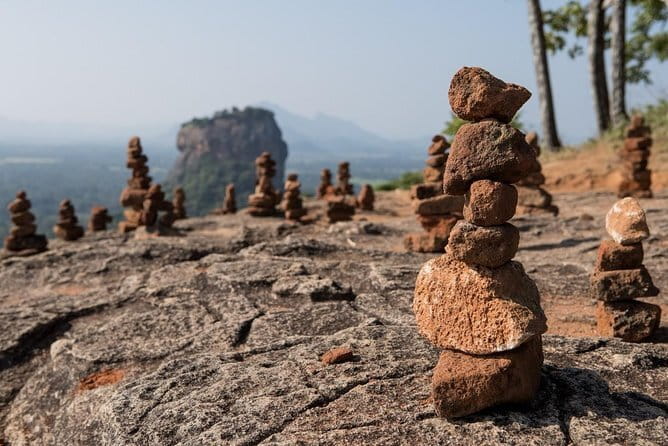
After Sigiriya, you shift to Pidurangala Rock, just a few kilometers north. This place has its own history, including the way monks were moved around the Sigiriya area centuries ago. The big point, though, is the viewpoint relationship: Sigiriya is the star, and Pidurangala is the strong supporting act.
If Lion Rock feels like the main stage, Pidurangala can feel like the backstage camera angle. You get a broad sense of the surrounding jungle and rock formations, and you’ll often find it easier to soak in the scenery without the same “everyone is herding toward the same photo spot” feeling that higher-demand climbs can bring.
In the best case, you’ll catch that special “rock and jungle in one frame” feeling. Even if the weather isn’t perfect, the shapes and scale still hit. One of the reviews you’ll likely recognize in your head is that people talk about powerful energy, nature, and beautiful scenery from this kind of viewpoint.
Day 2 in the cultural triangle: Dambulla Cave Temple

Day two starts with Dambulla Cave Temple, a set of five separate caves sitting high above the road. It’s one of those Sri Lanka stops where the place does the talking: around 150 Buddha statues and paintings fill the caves, and the setting gives everything an extra layer of calm, even when you’re surrounded by other visitors.
What makes this stop valuable in a two-day itinerary is that it breaks the rock-fortress theme without leaving the larger ancient-world feeling. You’ve climbed for history on day one. Day two gives you history inside a rock—different mood, different kind of wonder.


How to enjoy Dambulla without rushing
Two hours is plenty if you move steadily and don’t sprint from cave to cave. If you like art details, give yourself a little extra time looking at the statues and wall paintings. If you’re more of a “big picture” person, focus on getting your bearings in the cave complex and enjoying the overall atmosphere.
Also, this stop has a built-in reminder: Sri Lanka’s heritage isn’t just one site. It’s a whole network of meanings—fortress, temple, and sacred spaces all tied to the same landscape and human story.
Minneriya wild elephant safari: what to expect realistically
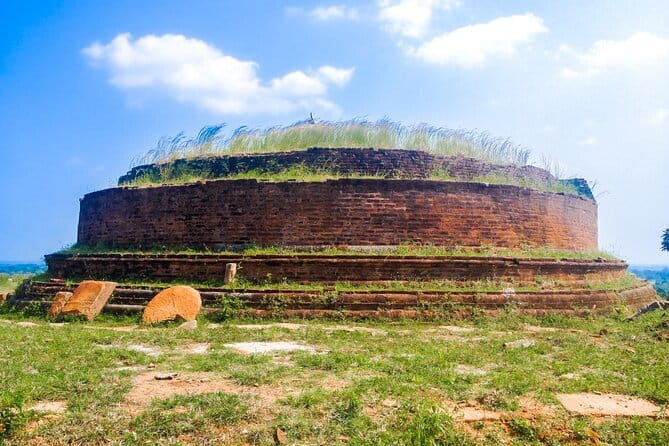
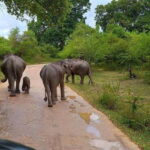
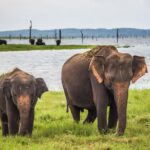
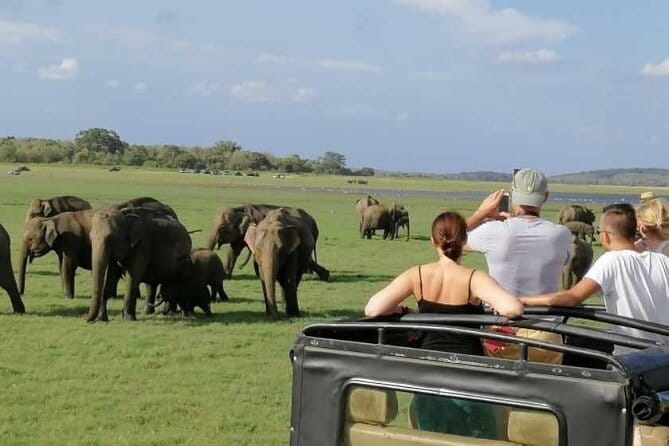
After Dambulla, you head to Minneriya National Park for the wild safari time. This is where the trip turns from cultural to wildlife-focused, and honestly that change is one of the biggest reasons this plan works.
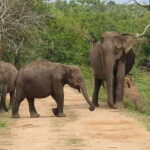
Here’s the key context: Minneriya is famous for seasonally recurring elephant gatherings. The plan highlights a best window between July and September, with large concentrations of wild elephants also seen in and around Kaudulla. If you’re traveling in those months, you’re stacking the odds in your favor.
If you’re there outside peak season, you still can see elephants, but you shouldn’t expect every safari drive to feel like a guaranteed parade. The park experience depends on where the animals are moving and what the day’s conditions bring. The good news is that this is a national park setup aimed at wild sightings, not a staged attraction.
Safari timing and your mindset
Go in expecting to search and wait a little. That’s not “boring,” it’s how wildlife works. When you do spot elephants, it feels like you’re watching real life rather than a performance.
Also, remember the trip includes an elephant safari segment, and that can be emotionally intense in a good way. Seeing wild elephants in a natural setting hits differently than seeing them at a zoo-style setup. You’ll probably find you spend less time thinking about photos and more time just watching.
The route extras: village tour, Ayurvedic spa, and spice stops
One of the nicest surprises about this kind of short itinerary is that it can include more than just headline landmarks. Along the way, the experience plan mentions a village tour, an Ayurvedic spa stop, and spice time.
What does that mean for you, practically?
- A village tour adds context. It helps you connect the ancient sites you saw on day one and day two with the living culture around them now.
- Ayurvedic spa time gives you a chance to slow down for a bit. Even if you’re just doing it casually, it’s a break from walking and climbing.
- Spice stops can be educational without being a hard sell, and it gives you a sense of how the region’s flavors tie into everyday life.
I like having at least one “people and daily life” component in a trip like this. Otherwise, two days can feel like you’re only touching stone and temples. These extras give you a more rounded sense of place.
Price and value: is $220 a fair deal?

At $220 for a 2-day private trip, this is positioned as a mid-range value, especially given the amount of ground it covers from Trincomalee toward Sigiriya, then onward to Dambulla and Minneriya. You also get two water bottles, which is small but genuinely helpful on hot days.
But here’s the real math: admission tickets are not included at Sigiriya and Pidurangala, and the plan also notes that all fees and taxes are not included. That means your total day spend likely rises once you arrive at each paid site and the park.
So is it still worth it? Usually, yes, if you fit this style of travel:
- You like a packed schedule and don’t mind a bit of climbing.
- You want a mix of culture and wildlife in a short window.
- You prefer a private setup over negotiating multiple separate transfers and tickets.
If you hate budgeting for extra entrance fees—or you’re the type who wants a long, slow day at one site only—this may feel like “too much, too fast.” In that case, consider splitting into longer stays or trimming the stops.
Group size, private feel, and how that affects your day
The plan is described as a private tour/activity, meaning only your group participates. For you, that usually means:
- More flexible timing if your energy level changes.
- Fewer bottlenecks.
- Less time waiting around for other people’s pace.
The schedule still moves, of course. Two days can’t become four just because you’re having fun. Still, private guiding makes the experience feel more personal, and it can make the cultural parts more understandable when someone explains what you’re seeing as you go.
What to pack for rock climbs and wildlife drives
I’d pack for two different worlds: climbing and then safari time.
For rock and temple days:
- Comfortable walking shoes with grip
- Light layers that handle heat
- A refillable water bottle (you’ll get two bottles, but you may want more)
- Sun protection (hat and sunscreen)
For the safari:
- Light long sleeves or something that cuts glare
- Anything you’d want for sitting and watching for a while
If weather is bad, keep expectations flexible. The plan notes the experience requires good weather.
Should you book this 2-day Trincomalee to Sigiriya trip?
I think you should book it if you want a focused route that hits the big Sigiriya region highlights and then swaps into a wildlife goal. It’s also a smart choice if you like structure: you don’t have to plan the chain of places yourself, and the private setup helps keep the days running smoothly.
Skip it (or at least reconsider) if you’re traveling with a strict budget that can’t stretch for admission fees. Since tickets are not included, your final total depends on how many paid segments you do and what fees apply on the day.
If you’re the “I want to see the iconic stuff but still feel the real Sri Lanka in between” type, this one fits. You get rock fort history, cave temple spirituality, and then wild elephants—two days that actually feel like an adventure, not a checklist.
FAQ
Where does the tour start and end?
The experience starts in Trincomalee, Sri Lanka and ends back at the same meeting point.
How long is the trip?
The duration is approximately 2 days.
Is this a private tour?
Yes. It’s listed as a private tour/activity, meaning only your group will participate.
What is included in the price?
Included items are two water bottles.
Are admission tickets included for Sigiriya, Pidurangala, and Dambulla?
No. The plan indicates admission tickets are not included at Sigiriya and Pidurangala, and fees/taxes are not included overall.
Do I get a mobile ticket?
Yes. It’s listed as having a mobile ticket.
What happens if the weather is poor?
The experience requires good weather. If it’s canceled due to poor weather, you’ll be offered a different date or a full refund.
What is the cancellation policy?
There is free cancellation. You can cancel up to 24 hours in advance for a full refund.